
Land Planarian Habitat: Range, Environmental Conditions, and Preferred Living Areas
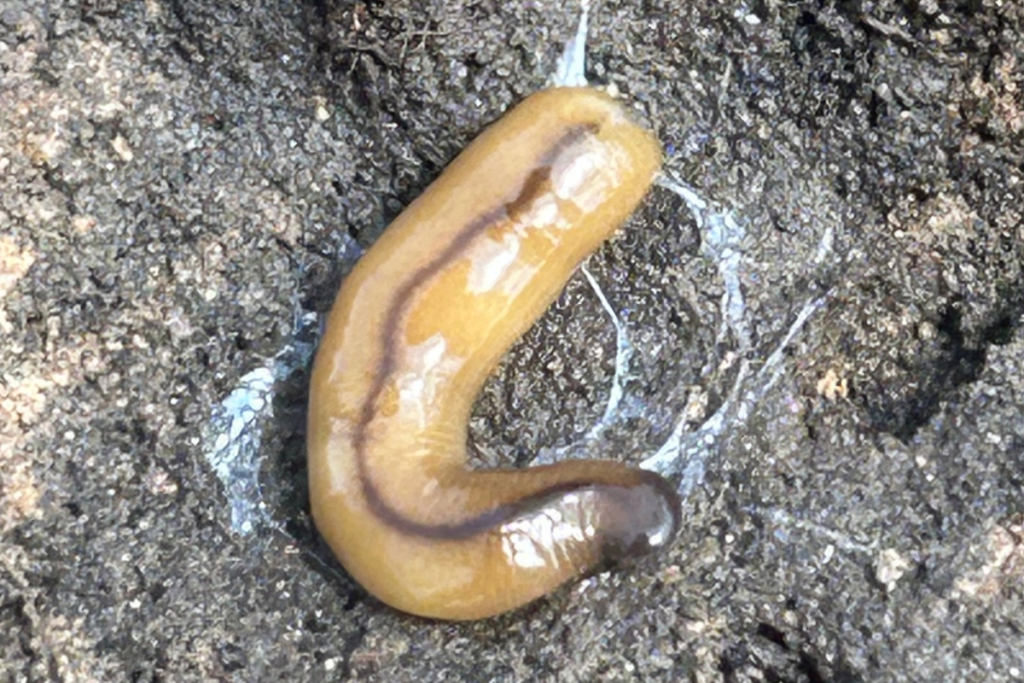
Quick Facts
Primary Habitat: Moist forest floors and leaf litter environments
Secondary Habitat: Gardens, parks, wetlands, and landscaped areas
Climate Preference: Humid temperate, subtropical, and tropical climates
Environment Type: Ground-level terrestrial ecosystems with abundant moisture
Elevation / Depth Range: Sea level to over 6,000 feet (1,800 m) depending on species
Geographic Distribution: Worldwide, including North America, Europe, Asia, Australia, South America, and islands
Land Planarian Distribution and Natural Environment
Land planarians, also known as terrestrial flatworms, are among the most widely distributed groups of soft-bodied invertebrates found on land. Species occur across multiple continents and occupy a surprising variety of environmental regions. Their global presence has allowed them to establish populations in locations ranging from cool temperate zones to warm tropical landscapes.
Unlike many invertebrates that are restricted to narrow geographic regions, terrestrial flatworms have successfully spread across much of the world. Some species remain native to specific areas, while others have expanded their distribution through human activity. This broad presence has made land planarians familiar to naturalists in numerous countries.
Many observations occur in places where moisture remains available and environmental conditions remain relatively stable. Although they often go unnoticed, populations may exist in areas that people visit regularly. Their secretive nature means they are frequently overlooked even when present nearby.
Across their range, land planarians occupy environments that support a rich community of soil organisms and ground-dwelling wildlife. These ecosystems provide the resources necessary for survival while maintaining the environmental stability that flatworms require. As a result, they are often associated with biologically productive landscapes.
The worldwide distribution of terrestrial flatworms highlights their adaptability as a group. While some species are limited in range, others have established populations across vast geographic areas. This flexibility has contributed significantly to their long-term success.
From a global perspective, land planarians represent an important component of terrestrial biodiversity. Their presence across multiple continents demonstrates how a seemingly simple organism can thrive in diverse environmental settings when suitable conditions are available.
Land Planarian Habitat Overview Across Different Landscapes
Land planarians are commonly associated with environments that contain abundant vegetation and stable ground-level conditions. They are not limited to a single landscape type and can occur in a variety of natural and modified environments. This broad ecological tolerance allows different species to occupy numerous regions worldwide.
Wooded landscapes support many terrestrial flatworm populations. These areas often provide continuous ground cover, stable moisture levels, and a layered environment that benefits a variety of soil-dwelling organisms. Such conditions contribute to long-term habitat suitability.
Mixed vegetation zones also frequently support land planarians. Landscapes containing combinations of grasses, shrubs, and trees create environmental diversity that can accommodate multiple species. These transitional environments often support complex communities of ground-dwelling invertebrates.
Compared to highly specialized organisms restricted to a single habitat category, land planarians are relatively adaptable. Some soil invertebrates may depend on very specific conditions or isolated ecosystems. Terrestrial flatworms, by contrast, are capable of occupying a broader selection of environmental settings.
Their distribution extends into both natural and human-influenced landscapes. While they are often associated with relatively undisturbed environments, some species have successfully adapted to areas modified by people. This flexibility has helped expand their range beyond traditional natural habitats.
The ability to utilize multiple landscape categories contributes to the ecological success of the group. Whether occurring in extensive natural systems or smaller habitat patches, terrestrial flatworms demonstrate a capacity to persist in environments that provide suitable ground-level conditions.
Specific Habitat Types Occupied by Terrestrial Flatworms
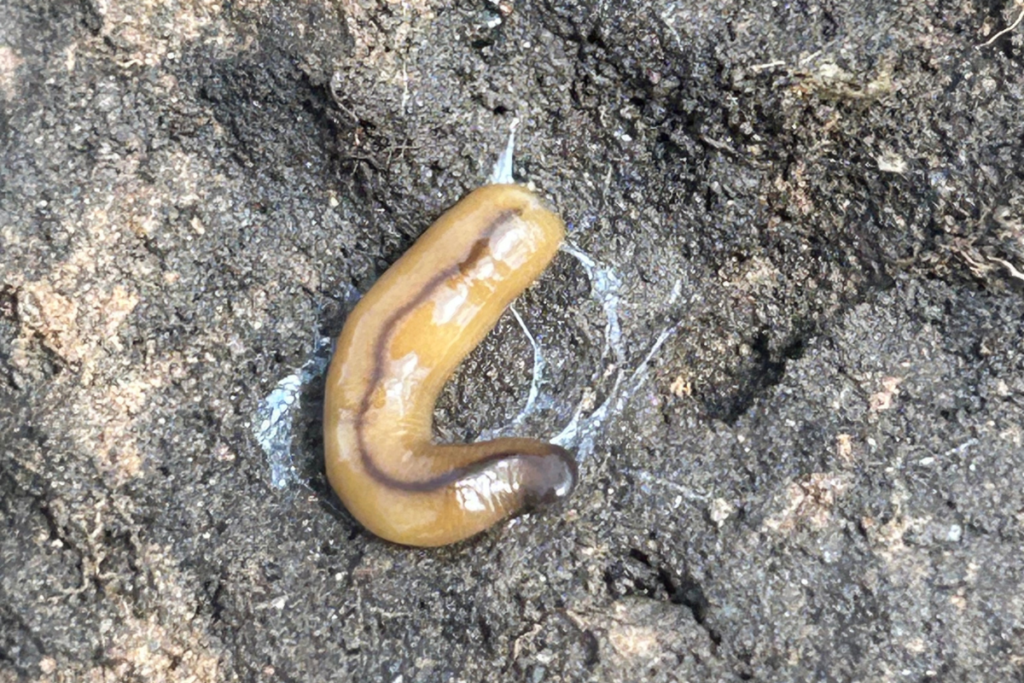
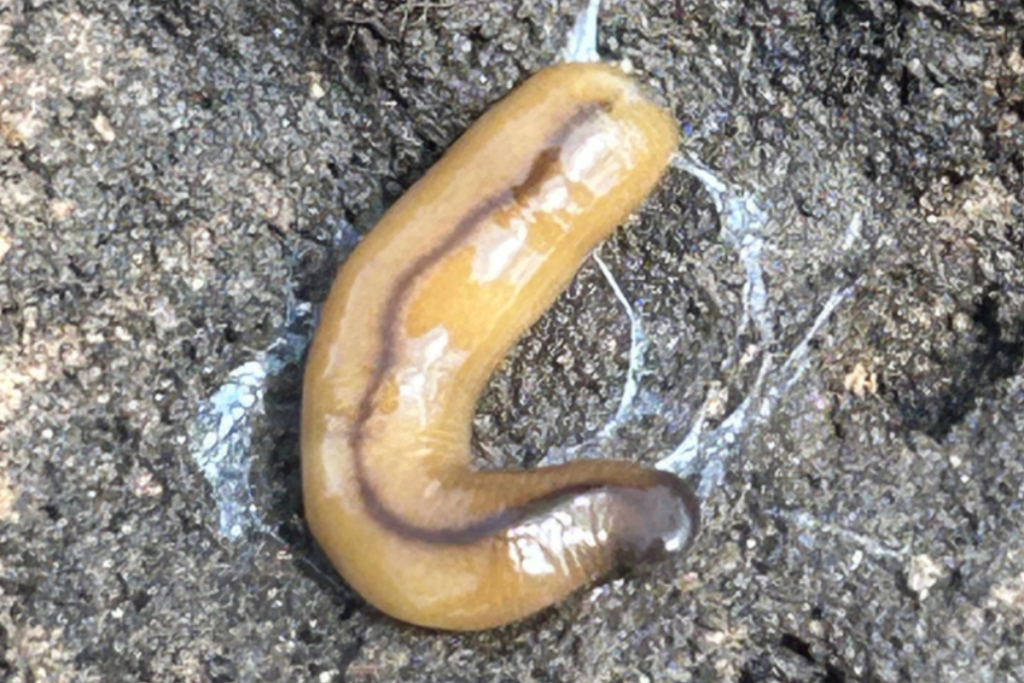
Forests represent one of the most important habitat types for land planarians. Deciduous forests, mixed woodlands, and evergreen forests all provide environments that can support terrestrial flatworm populations. The accumulation of organic material on the forest floor creates a complex and productive habitat.
Wetlands and moisture-rich environments can also support numerous species. Areas bordering marshes, streams, ponds, and other water-influenced ecosystems often provide favorable conditions. These habitats maintain the moisture levels necessary for many terrestrial flatworms.
Grasslands may contain suitable habitat when environmental conditions remain favorable. While open grasslands are generally less associated with terrestrial flatworms than forests, certain species can occur in vegetated areas where sufficient moisture and shelter exist. Local conditions often determine suitability.
Human-altered environments have become increasingly important habitat categories. Residential gardens, landscaped parks, greenhouses, botanical gardens, and agricultural areas may all support terrestrial flatworms. In some regions, introduced species are particularly successful within these modified environments.
Variation occurs even within a single habitat type. In a forest, for example, some species may occur primarily near edges where environmental conditions differ from those found deeper within the interior. This variation highlights the complexity of habitat selection among terrestrial flatworms.
Rocky areas, leaf-litter zones, decaying wood accumulations, and shaded ground surfaces often provide microhabitats within larger ecosystems. These smaller habitat features contribute significantly to local distribution patterns and may determine where individual flatworms are encountered.
Environmental Conditions Supporting Land Planarian Populations
Moisture is one of the most important environmental factors influencing land planarian distribution. Because terrestrial flatworms possess soft, permeable bodies, they are strongly affected by drying conditions. Environments that retain moisture for extended periods generally provide the most favorable conditions.
Temperature also plays a significant role. Many species thrive in temperate, subtropical, or tropical climates where extreme environmental fluctuations are limited. While some can tolerate cooler conditions, prolonged exposure to severe temperature extremes often reduces habitat suitability.
Vegetation structure contributes to environmental stability. Dense plant growth, accumulated leaf litter, and organic ground cover help moderate temperature and moisture levels near the soil surface. These conditions create protective environments that support terrestrial flatworm populations.
Terrain influences habitat quality as well. Areas with abundant surface cover, uneven ground, and natural shelter features often provide better environmental conditions than exposed landscapes. Rocks, fallen logs, and accumulated organic debris contribute to habitat complexity.
Seasonal changes affect environmental suitability throughout the year. Wet seasons, humid summers, and periods of regular rainfall frequently improve habitat conditions. Dry spells and prolonged drought can temporarily reduce the availability of suitable environments.
A useful comparison is to think of a terrestrial flatworm’s ideal environment as a naturally shaded greenhouse. Such settings maintain stable moisture, moderate temperatures, and protective ground cover throughout much of the year. These environmental conditions help explain why land planarians are most commonly encountered in damp, sheltered locations where the physical environment remains relatively stable over time.
Popular Searches About Land Planarians
Explore Land Planarian Guide
Explore More Wildlife

Support Encounters World
Help support wildlife photography and get behind the scenes discoveries on Patreon.