
Canada Goose Behavior: Social Habits, Activity Patterns, and Survival Strategies
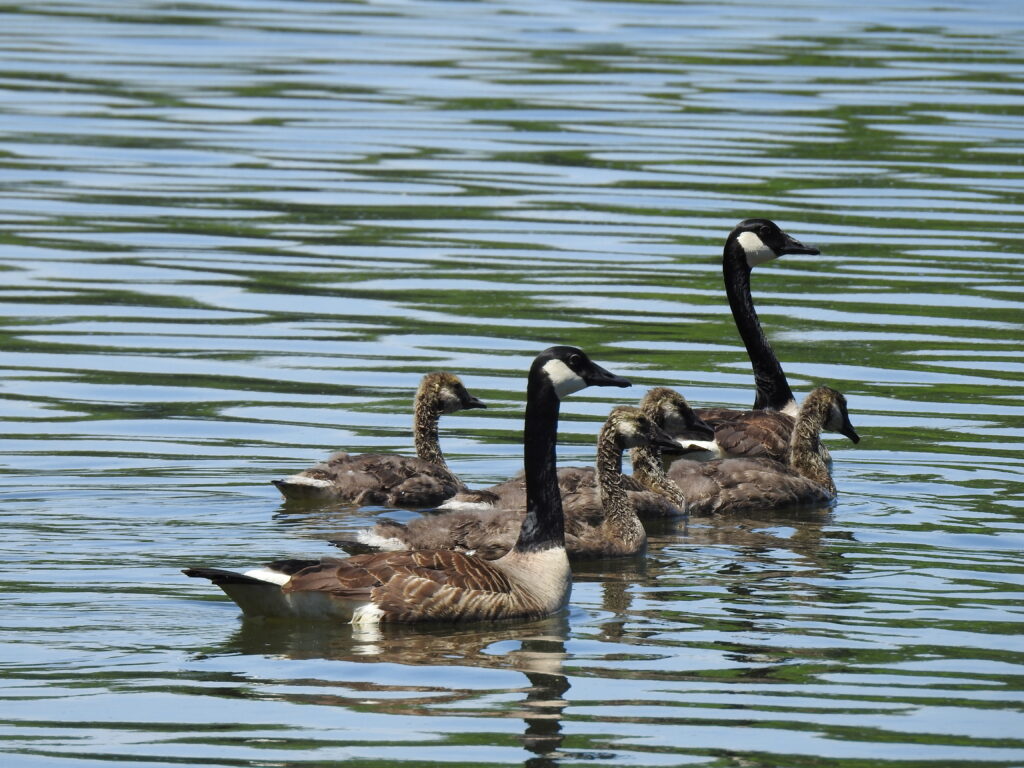
Quick Facts
Activity Type: Diurnal
Social Structure: Highly Social and Family-Oriented
Territorial Behavior: Strong During Nesting Season
Movement Style: Walking, Swimming, and Sustained Flight
Communication Method: Vocal Calls and Body Language
Defense Strategy: Group Vigilance, Threat Displays, and Protective Behavior
Canada Goose Behavioral Overview and Daily Observations
The Canada Goose (Branta canadensis) is one of the most socially organized waterfowl species in North America. Throughout lakes, rivers, ponds, and open landscapes, these birds are rarely encountered alone for extended periods. Their daily activities often revolve around maintaining awareness of nearby flock members and responding collectively to changes within their surroundings.
Observing a group of geese along a shoreline reveals a constant exchange of attention and movement. Some individuals feed, while others remain upright and alert, scanning the surrounding area. This balance between feeding and vigilance allows the flock to remain aware of potential dangers.
The species occurs across much of North America, with populations occupying both migratory and year-round ranges. Whether found in northern breeding areas or southern wintering grounds, Canada Geese display remarkably similar social behavior. Their interactions create a sense of organization that is easily observed even by casual wildlife watchers.
Watching a flock can resemble observing a small community rather than a collection of individual birds. Each goose appears connected to the actions of nearby birds, responding quickly to changes in movement or vocalizations. This coordinated behavior has contributed greatly to the species’ success throughout its range.
Canada Goose Social Behavior and Group Dynamics
Canada Geese are highly social birds that spend much of their lives within family groups or larger flocks. Adult pairs often remain together for many years, while young birds stay with their parents for extended periods before becoming independent. These strong social bonds help maintain flock stability.
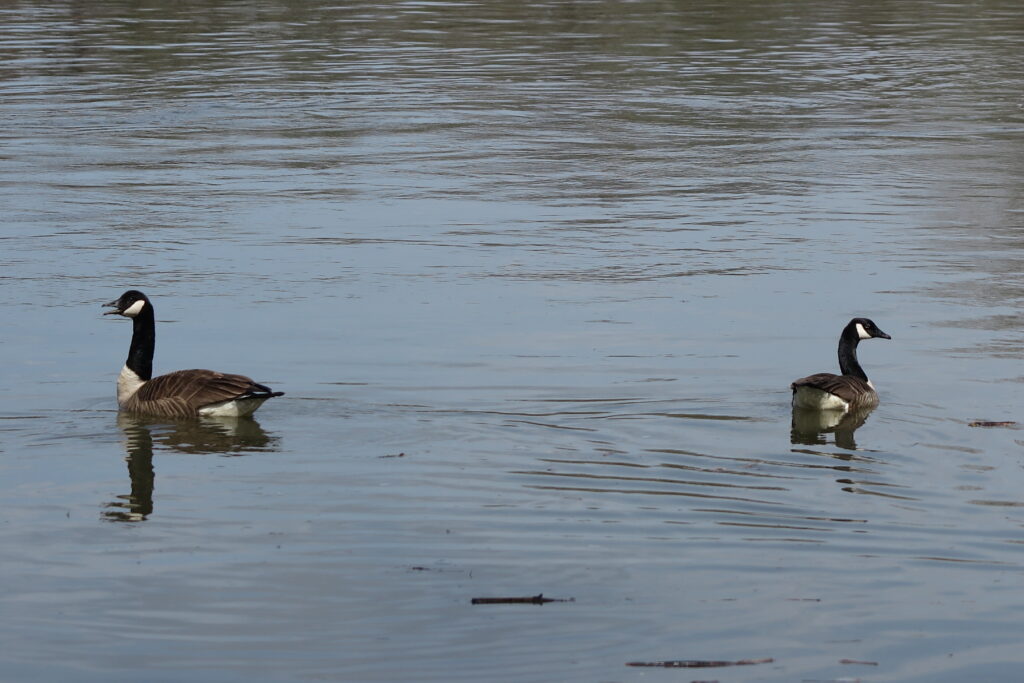
When undisturbed, geese frequently rest, feed, and travel together. Individuals rarely wander far from the group, and separated birds often vocalize until contact is restored. This tendency to remain close provides both safety and communication benefits.
The behavior of a flock can be compared to a group of people walking through an unfamiliar area. Some individuals remain alert while others focus on feeding or resting. If one goose becomes alarmed, the entire group often responds within seconds.
Family units become especially apparent during the breeding season. Adult birds remain close to their goslings and frequently position themselves between young birds and potential threats. This protective behavior continues for many months as the young develop.
Canada Geese also demonstrate remarkable adaptability in their social behavior. Small family groups may combine into larger flocks during migration or winter. These temporary gatherings allow hundreds or even thousands of birds to share information and improve survival.
Canada Goose Movement and Activity Patterns
Most Canada Goose activity occurs during daylight hours. Early morning and late afternoon often represent the busiest periods, as birds move between feeding and resting locations. During midday, flocks frequently spend time resting near water or open areas.
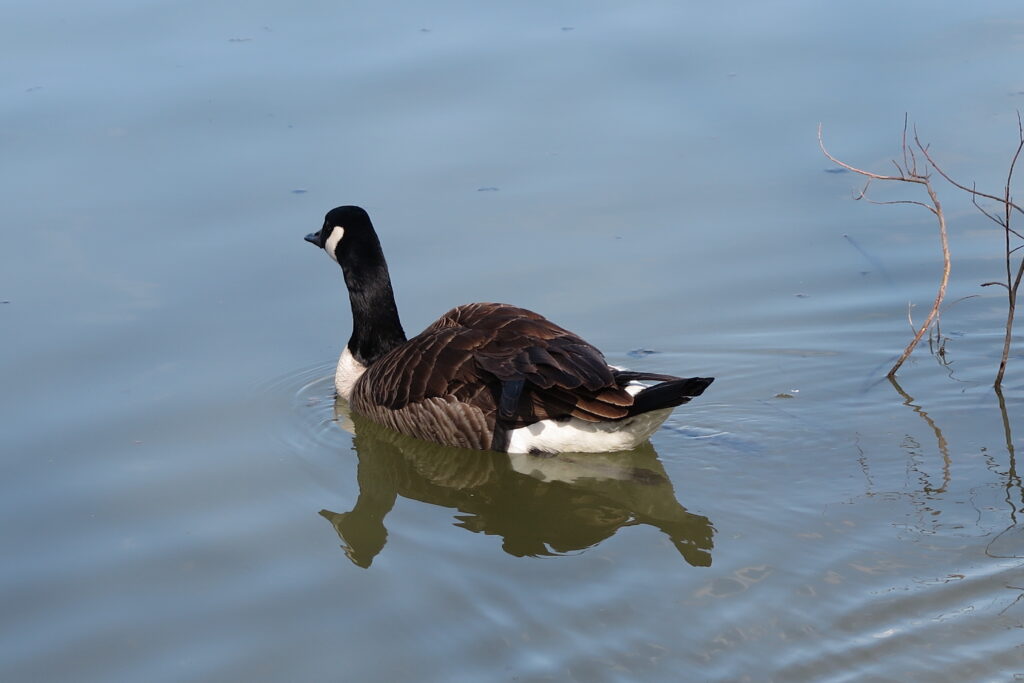
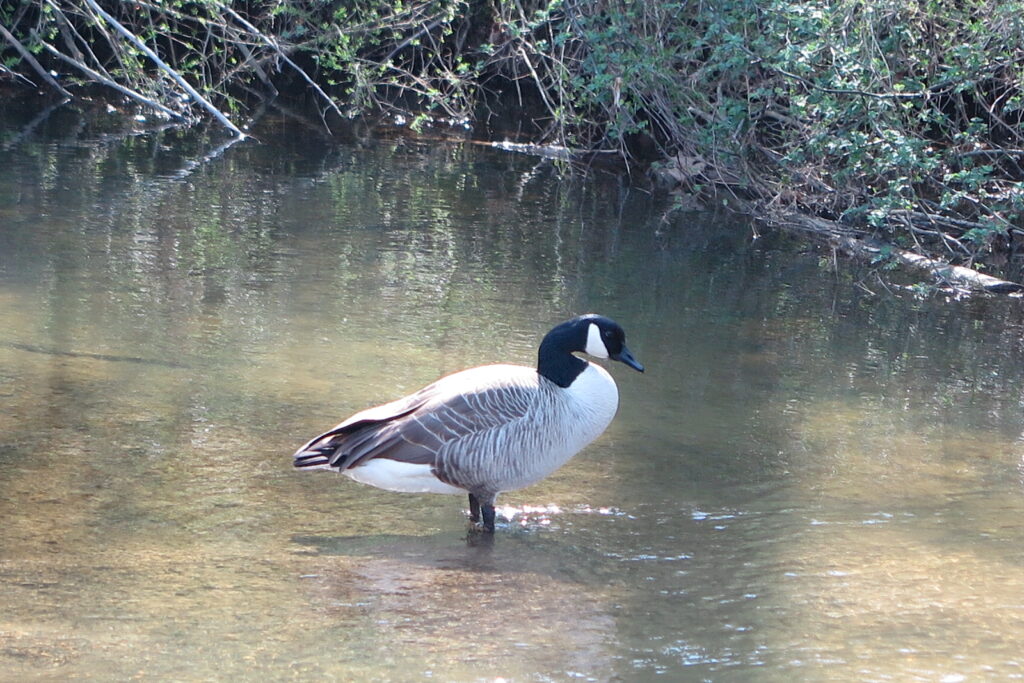
Walking remains an important form of movement. Geese travel steadily across fields, shorelines, and grassy areas while maintaining awareness of nearby birds. Their movement appears deliberate and organized, with individuals frequently matching the pace of the flock.
Swimming provides another efficient means of travel. Water allows geese to move quietly while remaining relatively safe from many predators. Their bodies sit high on the water, while their long necks remain elevated to monitor their surroundings.
Flight behavior represents one of the most recognizable aspects of the species. During migration or local movements, geese often fly in V-shaped formations. This arrangement helps conserve energy and allows flock members to maintain visual contact during long flights.
The movement of a flying flock can be compared to aircraft flying in formation. Each bird adjusts its position in response to neighboring individuals, creating a coordinated pattern that improves efficiency. This organized flight behavior contributes to the species’ impressive migratory abilities.
Seasonal changes influence activity levels throughout the year. Migration periods involve long flights and increased movement, while winter and summer behaviors often become more localized. Despite these changes, the species maintains consistent patterns of social coordination.
Canada Goose Interaction and Survival Behavior
Canada Geese rely heavily on awareness and communication to avoid danger. One or more birds often remain alert while others feed or rest. This shared vigilance allows the flock to detect approaching threats quickly.
When danger approaches, geese frequently respond through vocalizations and body posture. Raised necks, hissing, and loud calls alert nearby birds. These signals help coordinate group responses and increase overall safety.
Protective behavior becomes especially strong when goslings are present. Adult geese closely monitor young birds and often position themselves between the family and perceived threats. Parents may spread their wings, lower their heads, or vocalize aggressively when defending their offspring.
A common example occurs when people approach a family group. Adult geese often guide goslings toward water while one or both adults remain between the young and the disturbance. This behavior demonstrates the importance of parental protection.
The species also uses group behavior as a survival strategy. Multiple birds watching different directions increase the chances of detecting danger early. A single alarm call may cause an entire flock to become alert within seconds.
Canada Geese generally prefer avoidance rather than direct confrontation. If sufficient space is available, they often move away from disturbances. However, nesting adults or protective parents may display aggressive behavior when they believe their young are threatened.
The combination of communication, vigilance, family bonds, and coordinated responses has allowed Canada Geese to thrive throughout much of North America. Their behavior reflects a species that depends not only on individual awareness but also on the strength of the group. These social behaviors remain one of the defining characteristics of the Canada Goose and contribute greatly to its long-term success.
Popular Searches About Canada Goose
Explore Canada Goose Guide
Explore More Wildlife

Support Encounters World
Help support wildlife photography and get behind the scenes discoveries on Patreon.