
Canada Goose Diet: Food Sources, Feeding Habits, and Foraging Behavior
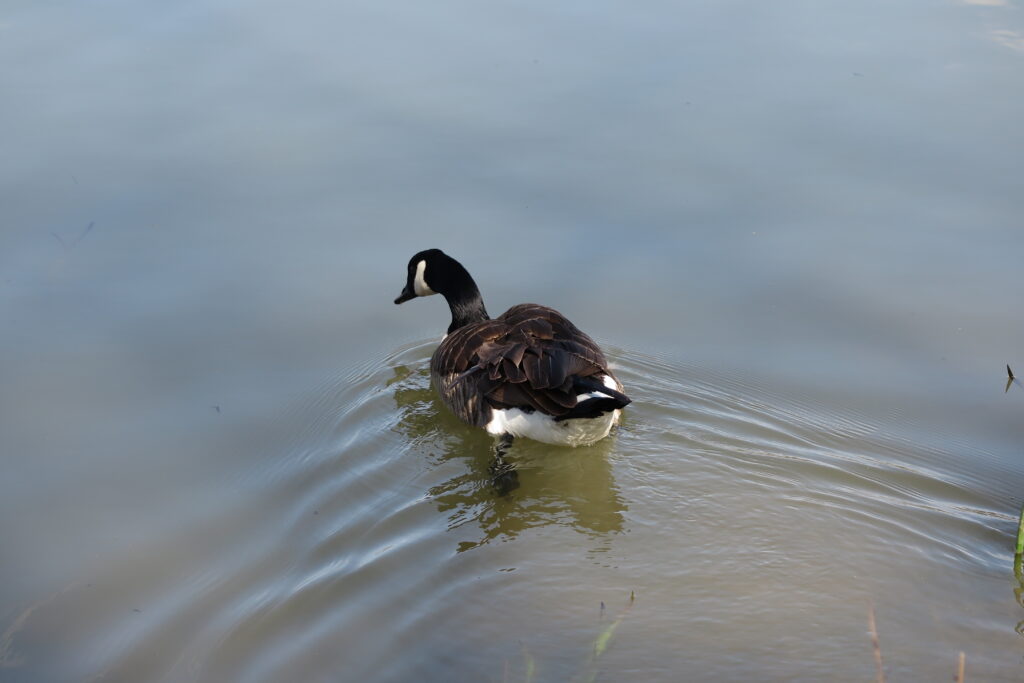
Quick Facts
Diet Type: Herbivore
Main Food Sources: Grasses, aquatic plants, grains, and seeds
Feeding Time: Primarily Morning and Evening
Foraging Method: Grazing and Dabbling
Seasonal Diet Changes: Yes, depending on food availability
Predatory Adaptations: Broad bill for clipping and gathering vegetation
Canada Goose Feeding Ecology and Dietary Introduction
The Canada Goose (Branta canadensis) is one of North America’s most recognizable herbivorous waterfowl. Across much of its range, these large birds spend a considerable portion of their day searching for and consuming plant material. Their broad distribution has allowed them to utilize food resources in wetlands, grasslands, agricultural landscapes, and urban environments.
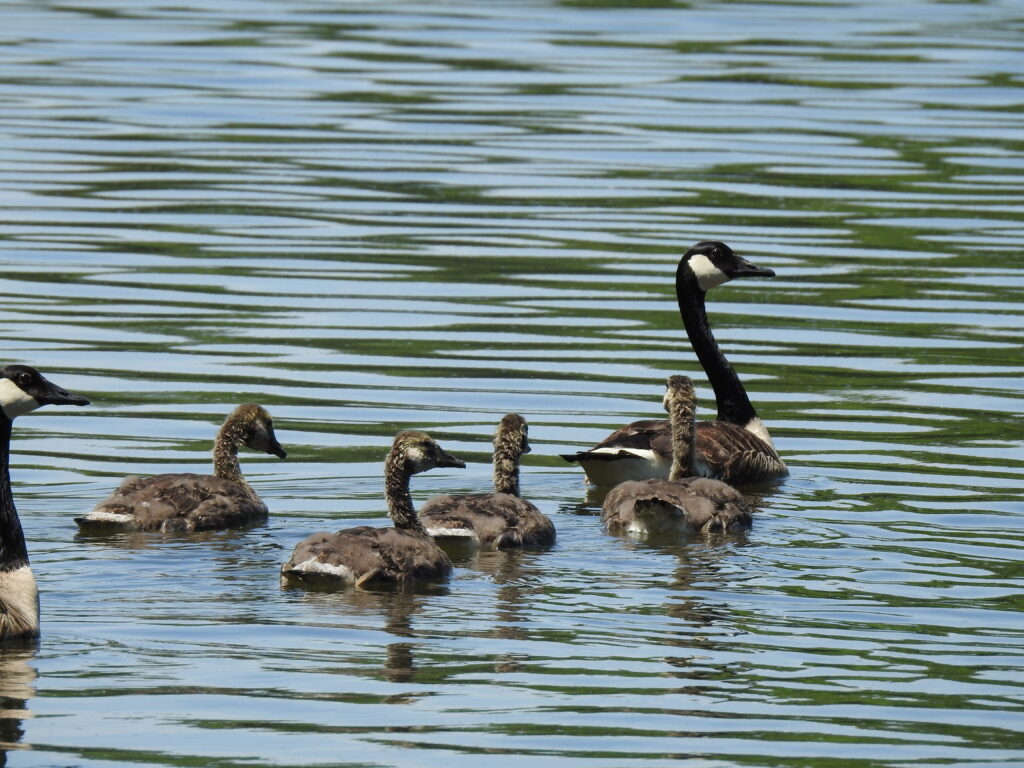
Large flocks feeding along shorelines or grassy fields often provide some of the most familiar scenes associated with Canada Geese. Their heads repeatedly lower toward the ground while nearby birds remain alert, creating a coordinated pattern of feeding and vigilance. These gatherings may involve only a few birds or hundreds of individuals.
The species occurs throughout much of Canada, the United States, and portions of Mexico, while introduced populations occupy parts of Europe and New Zealand. Despite these geographic differences, feeding remains one of the most important daily activities. The amount of time devoted to obtaining food reflects the energetic demands of a large-bodied bird.
Observing a flock feeding can resemble watching grazing mammals on an open plain. The birds move steadily across the landscape, harvesting available vegetation while maintaining contact with one another. This grazing lifestyle forms the foundation of the Canada Goose’s dietary strategy.
Canada Goose Diet and Feeding Strategy
Canada Geese are primarily herbivores. Their diet consists overwhelmingly of plant material, making them different from many ducks that consume substantial amounts of insects or aquatic animals. Their digestive system and feeding structures are highly adapted for processing vegetation.
Throughout their range, these birds display remarkable flexibility in food selection. While the general diet remains plant-based, the specific foods consumed may change depending on region, season, and local availability. This adaptability has contributed significantly to their success.
Compared to highly specialized waterfowl, Canada Geese possess a broader feeding strategy. Certain species depend heavily upon a limited number of food sources, while Canada Geese utilize numerous forms of vegetation. Their ability to exploit different resources allows them to occupy diverse environments.
Their feeding habits can be compared to those of grazing mammals such as deer or cattle. Both groups spend long periods consuming vegetation and moving steadily across feeding areas. This consistent intake of plant material provides the energy needed for daily activities and seasonal demands.
Although the species remains strongly herbivorous, occasional consumption of small aquatic organisms may occur incidentally while feeding. These items generally represent only a minor portion of the diet. Plant material continues to dominate the feeding ecology of the Canada Goose.
Canada Goose Natural Food Sources
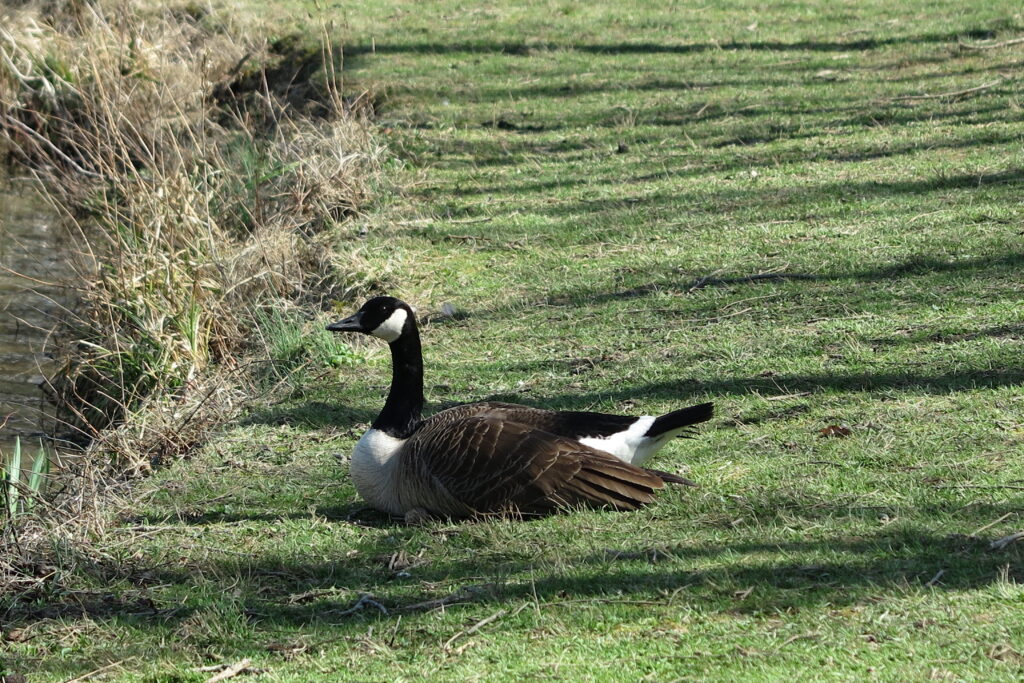
Grasses represent one of the most important food sources consumed by Canada Geese. Lawns, meadows, pastures, and natural grasslands frequently provide abundant vegetation. The birds clip grasses close to the ground using their broad bills.
Aquatic vegetation also contributes significantly to the diet. Various submerged plants, emergent vegetation, and shoreline species provide food in wetland environments. These plants often supply nutrients that support growth and reproduction.
Agricultural grains become important food sources in many regions. Corn, wheat, barley, and other grains may be consumed after harvest when fields contain leftover material. These energy-rich foods can be especially valuable during migration and winter.
Seeds, sedges, and various wild plants supplement the diet throughout the year. Young geese often consume softer vegetation, while adults can handle tougher plant material. Seasonal changes influence the availability of many food sources.
A grassy field after mowing often attracts feeding geese because new growth is tender and nutritious. Similarly, harvested crop fields may support large flocks seeking grain. These examples demonstrate the species’ ability to utilize both natural and human-influenced food resources.
The diversity of food items allows Canada Geese to maintain stable populations across broad geographic areas. Rather than relying on a single plant species, they consume numerous forms of vegetation throughout the year.
Canada Goose Feeding Behavior and Survival Strategies
Canada Geese typically feed by grazing while walking slowly across open areas. Their necks extend downward as they clip vegetation with their bills. This steady movement allows them to harvest large amounts of plant material efficiently.
Many feeding periods occur during morning and evening hours. Cooler temperatures and reduced disturbance often make these times favorable for foraging. During midday, birds frequently rest before resuming feeding later in the day.
Group feeding provides several survival advantages. While some individuals feed, others remain alert for danger. This shared vigilance reduces the risk associated with feeding in open areas and allows birds to spend more time gathering food.
The broad bill serves as an effective feeding tool. Small ridges along the edges help grasp vegetation and separate edible material. This structure functions somewhat like garden shears, allowing the bird to clip plants efficiently.
When resources become limited, geese may travel greater distances to locate suitable feeding areas. Seasonal movements often correspond with changing food availability. This flexibility helps populations survive changing environmental conditions.
A useful comparison can be made to herds of grazing mammals moving across open landscapes. Both geese and grazing mammals feed while remaining aware of nearby companions. The group provides protection while individuals concentrate on obtaining food.
Through grazing, group feeding, and flexible food selection, Canada Geese have developed one of the most successful herbivorous strategies among North American waterfowl. Their ability to exploit a wide variety of plant resources has contributed greatly to their broad distribution and long-term success.
Popular Searches About Canada Goose
Explore Canada Goose Guide
Explore More Wildlife

Support Encounters World
Help support wildlife photography and get behind the scenes discoveries on Patreon.