
Buff Orpington Rooster vs Hen Guide: Key Differences, Appearance, and Identification
Quick Facts
Location: Farms, backyard coops, and homesteads
Average Size: Hens 7–8 lbs, Roosters 8–10 lbs
Lifespan: 6–10 years
Global Range: Domestic breed found worldwide
Conservation Status: Domesticated Breed
Notable Feature: Roosters have larger combs and dramatic tail feathers compared to hens
Introduction to Buff Orpington Roosters and Hens
Buff Orpington chickens are one of the most recognizable heritage poultry breeds in the world, known for their large size, soft golden feathering, and calm overall appearance. Developed in England during the late nineteenth century, the breed quickly became popular for both farm production and ornamental poultry keeping. Today, Buff Orpington roosters and hens can be found in backyard flocks, rural farms, agricultural exhibits, and homesteads across many regions worldwide.
Although both sexes share the breed’s famous buff-colored plumage, noticeable physical differences begin developing as the birds mature. Roosters gradually develop taller combs, longer tail feathers, and a more upright body structure, while hens retain a rounder and softer appearance. These changes become increasingly visible during adolescence as feather patterns and body proportions separate the two sexes.
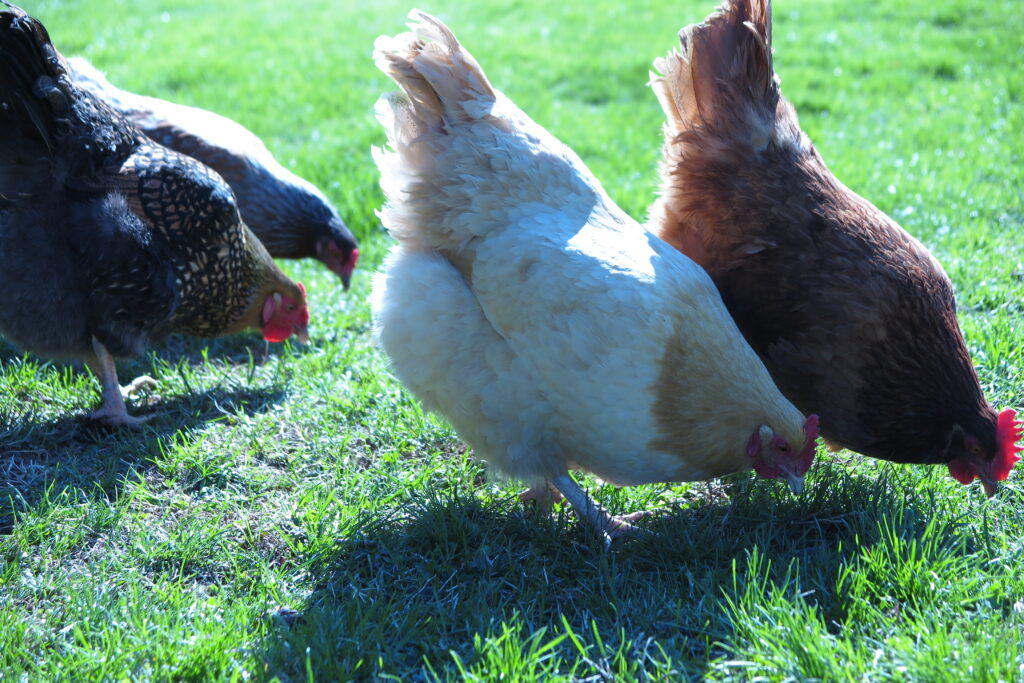
In mixed flocks, Buff Orpington roosters often stand out visually because of their height and flowing feather detail. Hens, by comparison, usually appear lower to the ground with fuller and more compact body shapes. When viewed together in open farm environments, the contrast between the two can resemble the difference between a decorative display bird and a heavily feathered laying hen.
The distinction between Buff Orpington roosters and hens is especially important for poultry keepers interested in breeding, egg production, or flock management. Many beginners initially struggle to identify young birds because juvenile males and females share similar buff feather coloration early in development. As maturity progresses, however, differences in size, feather structure, and overall appearance become far easier to recognize.
Buff Orpington Rooster vs Hen Appearance Overview
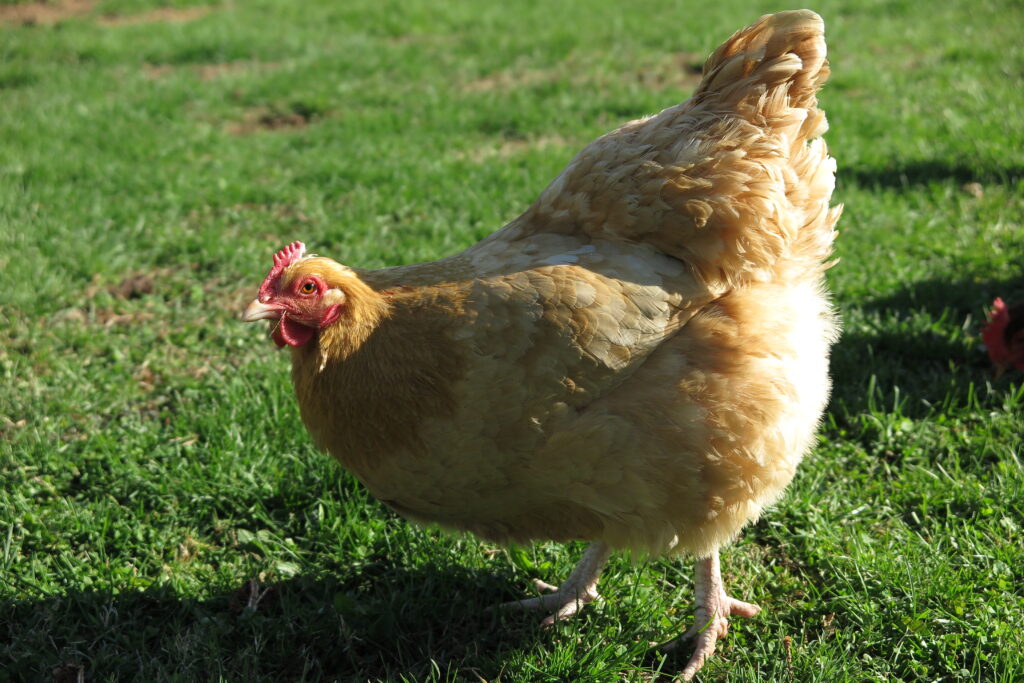
One of the most obvious differences between Buff Orpington roosters and hens is overall body structure. Roosters typically stand taller and carry themselves in a more upright posture, giving them a commanding appearance within the flock. Hens remain broader and lower-bodied, with a rounded silhouette that emphasizes their soft feather coverage.
The rooster’s tail feathers are especially distinctive. Long curved sickle feathers arch downward and outward behind the body, creating a dramatic flowing shape not present in hens. These glossy tail feathers often catch sunlight differently than the rest of the plumage, adding depth and texture to the rooster’s appearance.
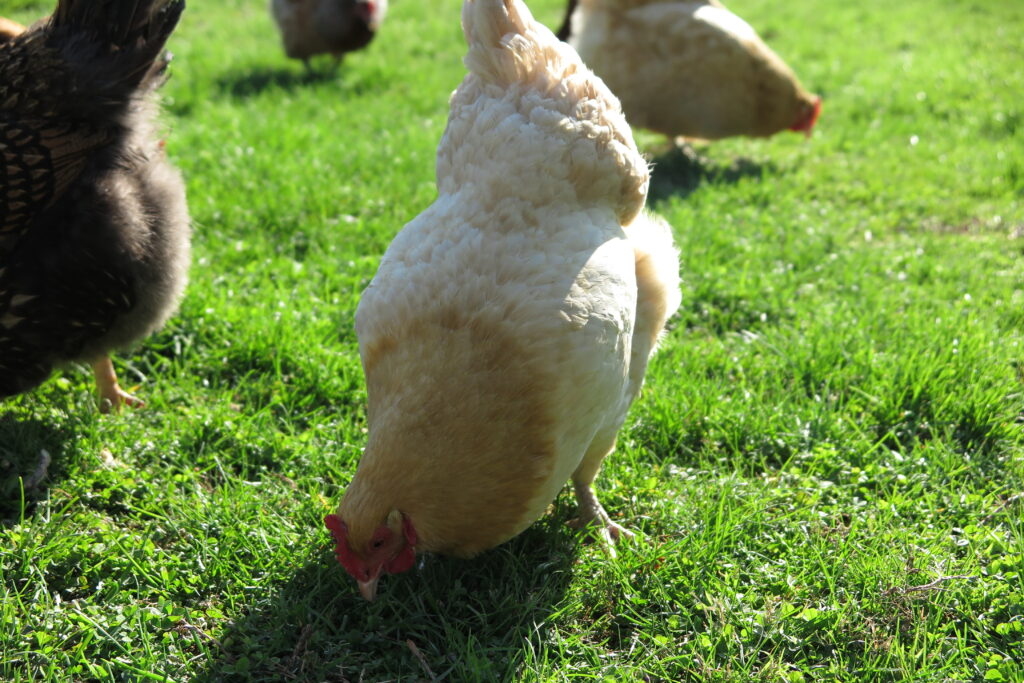
Buff Orpington hens have much shorter and more compact tails that blend smoothly into the rounded body shape. Instead of dramatic feather extensions, the hen’s rear profile appears soft and evenly curved. This fuller appearance gives hens a shape often compared to a feathered cushion or small rounded pillow moving across the ground.
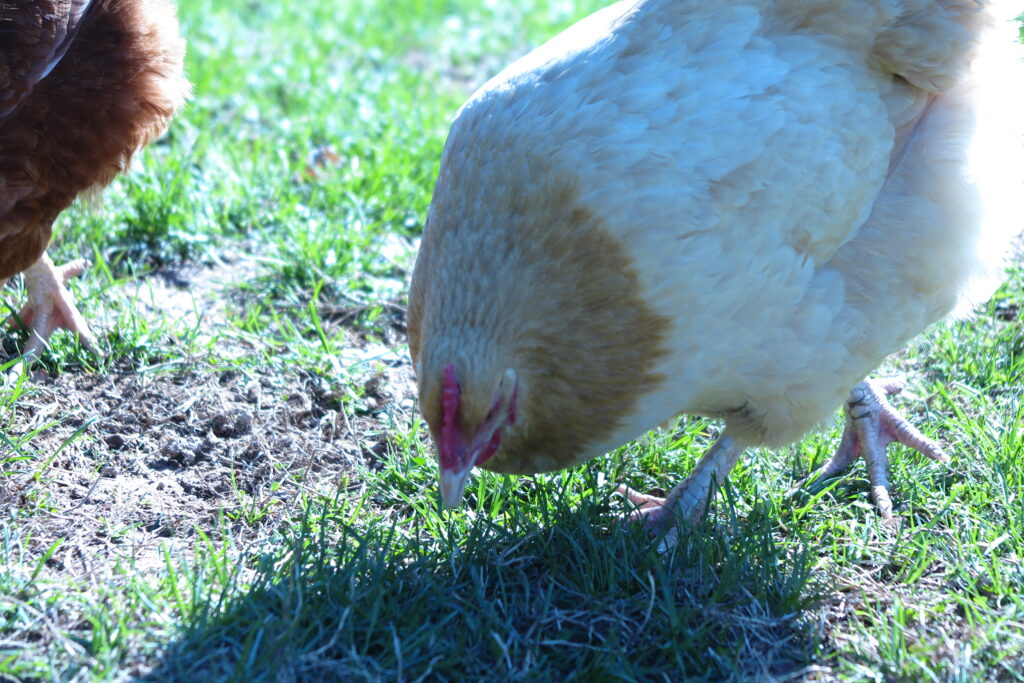
Combs and wattles also differ greatly between the sexes. Roosters develop significantly larger combs that rise prominently from the top of the head, while hens usually retain smaller and less exaggerated comb structures. The bright red coloration of a mature rooster’s comb often contrasts sharply against the pale buff feathers surrounding the face.
Size differences become more noticeable as birds mature into adulthood. A fully grown Buff Orpington rooster may weigh over 10 pounds and appear noticeably taller than surrounding hens. Hens are still considered large chickens, but their shorter stance and broader feather distribution create a stockier appearance overall.
Both sexes retain the breed’s signature buff coloration, though roosters sometimes display brighter golden tones around the neck and saddle feathers. These areas may appear shinier or more reflective under direct sunlight compared to the softer, more even feather coloration seen in hens. When viewed side by side, the rooster often appears more dramatic and ornamental, while the hen looks steadier and more compact.
General Characteristics That Separate Buff Orpington Roosters and Hens
Buff Orpington roosters are defined by several physical traits that become increasingly obvious with age. One of the clearest identifiers is the development of pointed saddle and hackle feathers around the neck and lower back. These feathers appear longer and narrower than the rounded feather edges found on hens.
Hens retain a softer feather structure across nearly the entire body. Their plumage appears more evenly layered and lacks the elongated decorative feathering associated with mature roosters. This creates a smoother and more uniform body outline that differs strongly from the rooster’s more dramatic profile.
Leg thickness can also help distinguish the sexes. Roosters usually develop heavier legs with a sturdier overall frame to support their larger body size. In young birds, thicker legs are often one of the earliest clues that a chick may mature into a rooster before comb and feather differences fully appear.
The rooster’s head structure tends to look more pronounced as well. Larger wattles, taller combs, and stronger facial definition create a bolder appearance compared to hens. Some Buff Orpington roosters even develop feather textures around the neck that resemble a decorative cape draped over the shoulders.
By contrast, hens generally maintain a softer and more balanced look across the entire body. Their smaller combs and rounded features create a gentler appearance that many poultry keepers associate with traditional laying hens. The visual difference between the sexes can resemble the contrast between a heavily decorated parade bird and a compact domestic farm chicken.
Another defining characteristic is feather shape near the tail and wings. Rooster feathers often taper into sharper points, while hen feathers remain rounded at the ends. This subtle difference becomes especially helpful when identifying adolescent birds that have not yet developed fully mature combs or body proportions.
Buff Orpington Roosters and Hens in Agricultural Ecosystems
Both Buff Orpington roosters and hens play important roles within agricultural systems and managed poultry environments. Hens contribute directly through egg production and brood development, while roosters support breeding and flock continuation. Together, the two sexes maintain the long-term sustainability of domestic poultry populations.
In traditional farm settings, hens are especially valuable because of their steady egg production and maternal instincts. Buff Orpington hens are widely known for becoming broody and naturally incubating eggs, which supports chick survival without relying entirely on artificial incubators. This trait helps preserve older heritage farming methods still practiced on many small farms.
Roosters contribute to flock protection and breeding structure within mixed poultry groups. Their larger size and upright posture often make them visually dominant within open farm environments. In breeding systems focused on maintaining Buff Orpington genetics, roosters are essential for preserving the distinctive feather coloration, body shape, and heritage traits associated with the breed.
The presence of both sexes also supports broader agricultural biodiversity. Heritage breeds like the Buff Orpington help maintain domestic poultry genetics that differ from highly specialized industrial production chickens. Preserving these traditional lines strengthens genetic diversity and reduces dependence on a narrow range of commercial poultry strains.
Buff Orpington chickens additionally contribute to small-scale farming ecosystems through nutrient cycling and land management. Roosters and hens alike help disturb soil surfaces, spread organic material, and integrate into compost-based agricultural systems. Their role extends beyond food production into broader environmental functions connected to sustainable farming.
Because the breed is commonly raised in backyard and educational settings, Buff Orpington roosters and hens also help introduce people to poultry care and agricultural history. Their distinctive visual differences make them especially useful for teaching about chicken development, breeding, and flock structure. In this way, both sexes contribute not only to agriculture itself, but also to public understanding of traditional domestic livestock systems.
Popular Searches About Buff Orpingtons
Explore Buff Orpington Guide
Explore More Domestic Animals

Support Encounters World
Help support wildlife photography and get behind the scenes discoveries on Patreon.