Woodlouse Behavior Guide | Armadillidium vulgare Activity, Movement, and Survival Traits
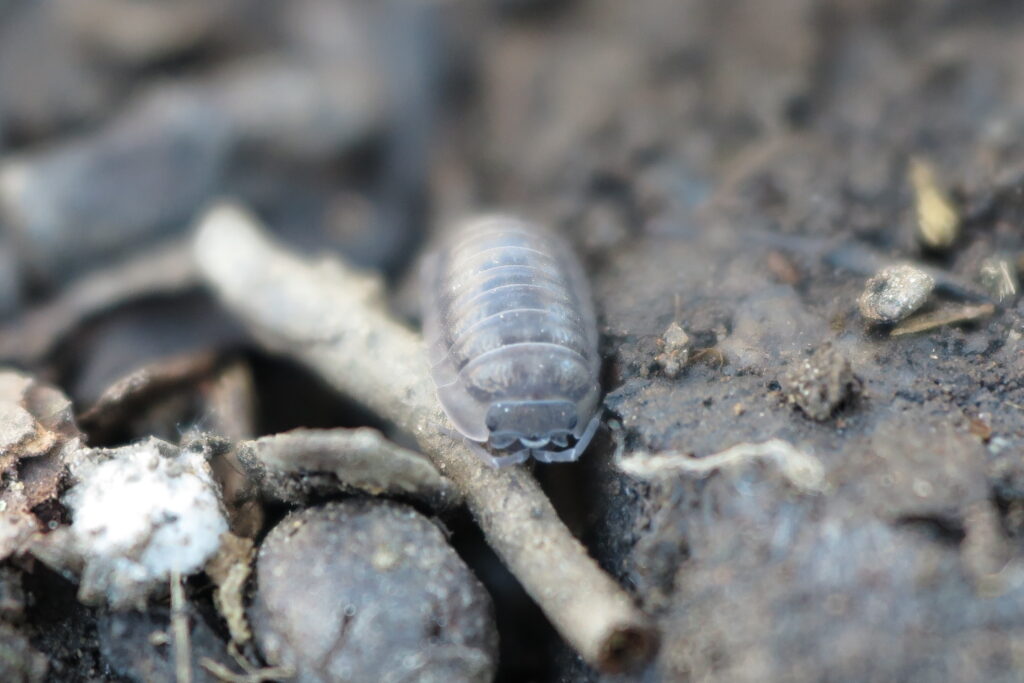
Quick Facts
Activity Type: Mostly nocturnal and moisture-dependent
Social Structure: Loose aggregations beneath cover objects
Territorial Behavior: Non-territorial
Movement Style: Slow crawling with steady leg coordination
Communication Method: Antennae contact and chemical sensing
Defense Strategy: Rolling into a tight armored ball
Introduction to Woodlouse Behavior and Daily Life
The woodlouse (Armadillidium vulgare) is a familiar ground-dwelling crustacean recognized for its calm movement and armored appearance. Commonly called a roly-poly or pillbug, this species can be found across much of Europe, North America, and other temperate regions where moisture remains close to the soil surface. Many people first encounter woodlice while turning over rocks, lifting fallen branches, or moving damp garden debris.
Unlike fast-moving insects that scatter quickly when disturbed, woodlice often appear measured and deliberate in their actions. Their slow pace and rounded form give them a cautious presence as they move across soil, bark, or leaf litter. Watching one up close reveals a surprisingly steady rhythm as its many legs work together beneath the segmented shell.
In natural environments, woodlice spend much of their time hidden beneath cover where humidity stays stable throughout the day. During cooler evenings or after rainfall, they become easier to observe as they emerge onto the forest floor or garden paths. Their movements are subtle, yet constant, creating the impression of a small armored machine slowly inspecting its surroundings.
Although they are small and easily overlooked, woodlice display a wide range of behaviors connected to survival, moisture retention, and protection from danger. From the way they travel across uneven ground to the famous defensive curling response, nearly every action serves a practical purpose. These quiet invertebrates provide an excellent example of how simple behaviors can allow a species to thrive across many environments worldwide.
Woodlouse Behavioral Tendencies and General Activity
Woodlice are generally calm and non-aggressive animals that spend much of their time quietly exploring surfaces and sheltered spaces. When left undisturbed, they move with a steady pace while continuously testing their surroundings using their antennae. Their behavior often appears methodical, almost as though they are carefully scanning every surface before continuing forward.
Unlike highly active insects that dart rapidly in unpredictable directions, woodlice usually conserve energy through slow and controlled movement. Their activity level changes noticeably depending on temperature, humidity, and light conditions. During dry or bright periods, they become less visible and remain hidden beneath protective cover where moisture loss is reduced.
When multiple woodlice gather beneath the same rock or log, they rarely compete aggressively with one another. Instead, they tend to exist in loose groups where individuals crawl around one another without conflict. This calm social behavior gives the appearance of a shared shelter rather than a structured colony like those formed by ants or termites.
Their responsiveness to disturbances is immediate but not frantic. A sudden vibration, touch, or exposure to light often causes nearby individuals to pause, curl up, or seek cover. Compared to a startled cockroach or cricket, a woodlouse behaves more like a tiny armored turtle, relying on patience and protection rather than speed to remain safe in unpredictable conditions.
Woodlouse Movement and Nocturnal Activity Patterns
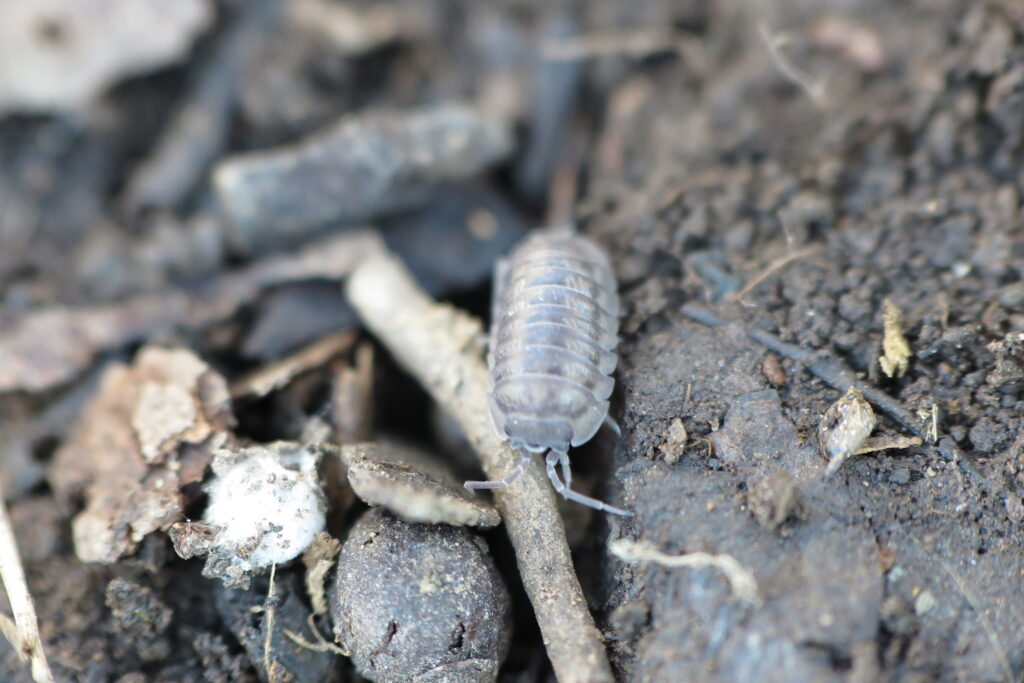
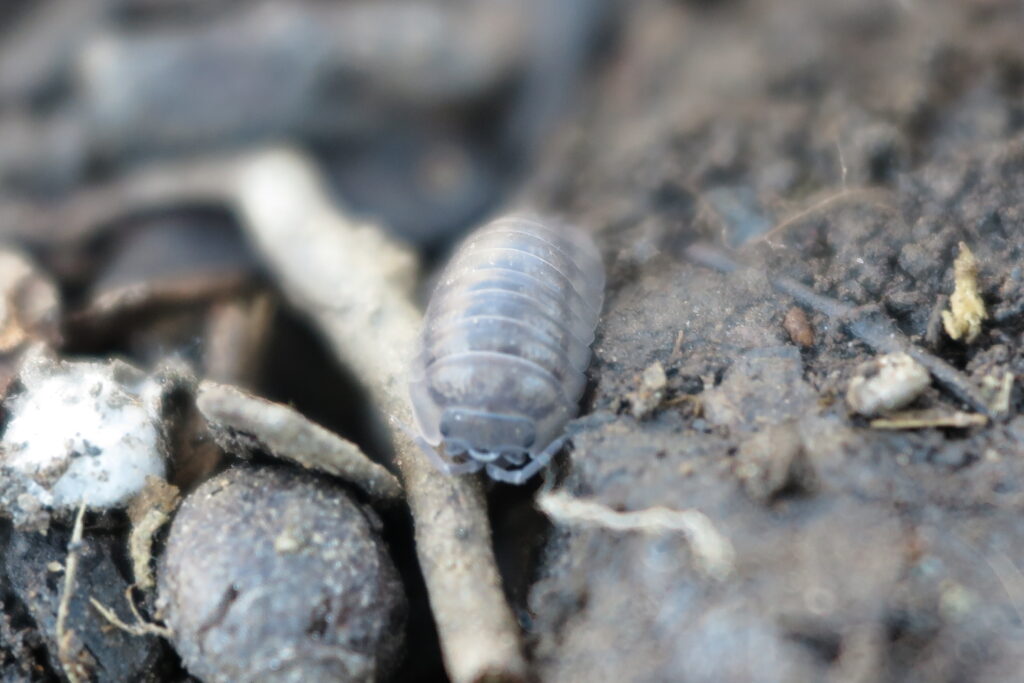
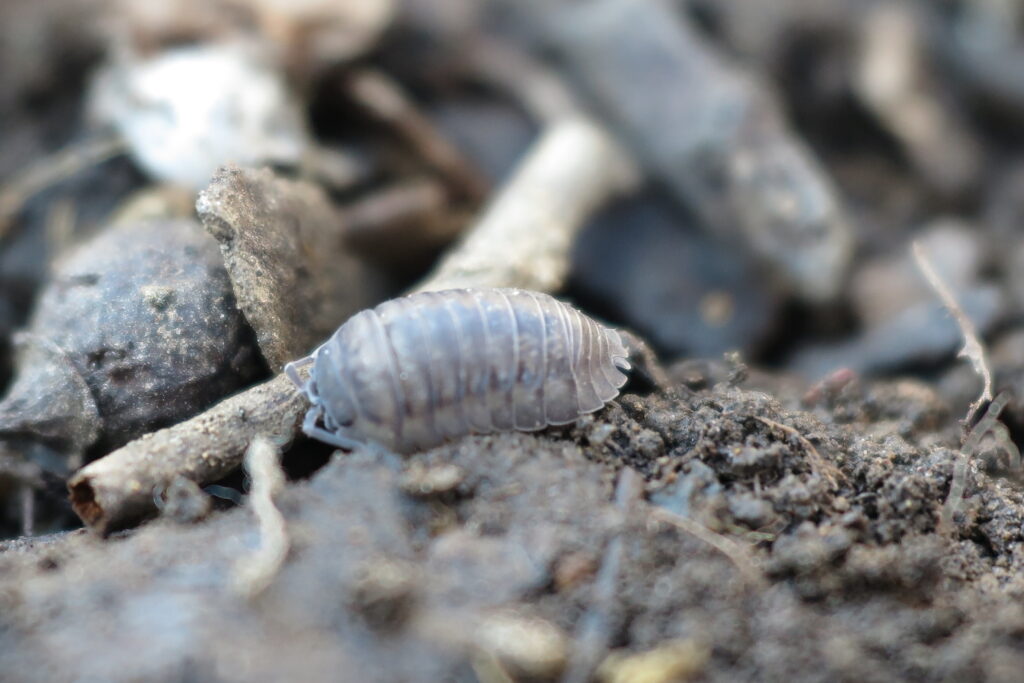
The movement of Armadillidium vulgare is powered by numerous small legs positioned beneath its segmented body. These legs move in coordinated waves that allow the animal to travel steadily across uneven surfaces such as bark, stones, compact soil, and decomposing leaves. From above, the body appears to glide slowly while the legs remain mostly hidden beneath the shell-like plates.
Woodlice are most active during nighttime hours or periods of increased humidity. Cooler temperatures and damp conditions reduce the risk of drying out, allowing them to roam more freely across exposed surfaces. After rainfall, they may appear in large numbers along sidewalks, gardens, or woodland trails where moisture lingers on the ground.
Their movement style is smooth and consistent rather than quick or erratic. A crawling woodlouse often resembles a small battery-powered toy slowly navigating obstacles without sudden changes in direction. Even when climbing over pebbles or bark fragments, the body remains close to the surface, helping maintain balance and stability.
Seasonal changes also affect overall activity. During hot summer afternoons, woodlice usually remain hidden beneath rocks or buried within damp debris where temperatures are cooler. In milder seasons such as spring and autumn, they become more visible as conditions remain favorable for longer periods of the day. This ability to adjust activity levels based on environmental conditions helps conserve energy while reducing unnecessary exposure to danger.
Woodlouse Interaction and Survival Responses
One of the most recognizable survival behaviors of the woodlouse is its ability to roll into a tight armored sphere when threatened. This defensive response occurs rapidly after physical contact or sudden disturbance. By curling inward, the softer underside and delicate legs become protected beneath the hardened outer plates.
This rolling behavior, known as conglobation, makes the animal much more difficult for predators to grip or injure. In this position, the woodlouse resembles a tiny gray pebble resting on the soil surface. Many predators searching for movement may lose interest once the animal becomes motionless and shielded inside its protective shell.
Woodlice also rely heavily on awareness of their surroundings through touch and chemical detection. Their antennae constantly move as they navigate surfaces and encounter nearby objects or other individuals. When groups gather beneath the same shelter, brief antennae contact may occur frequently as individuals move around one another in confined spaces.
If exposed suddenly to bright sunlight or dry air, woodlice often react by immediately seeking darker cover. A flipped rock may trigger dozens to scatter in different directions toward cracks, soil openings, or shaded debris. This instinctive response helps reduce moisture loss and limits exposure to predators. Rather than depending on aggression or speed, woodlice survive through caution, protective armor, and highly efficient defensive reactions developed over millions of years.
Popular Searches About Woodlouse
Explore Woodlouse Guide
Explore More Wildlife

Support Encounters World
Help support wildlife photography and get behind the scenes discoveries on Patreon.