Rolly Polly Food Guide | What Do Woodlice Eat in the Wild?
Quick Facts
Location: Forest floors, gardens, compost piles, and damp ground cover
Average Size: 0.5–0.7 inches (1.2–1.8 cm)
Lifespan: 2–3 years
Global Range: Europe, North America, Asia, Australia, and other temperate regions
Conservation Status: Not Evaluated
Notable Feature: Feeds primarily on decaying organic material and helps recycle nutrients into soil
Introduction to the Rolly Polly and Its Feeding Lifestyle
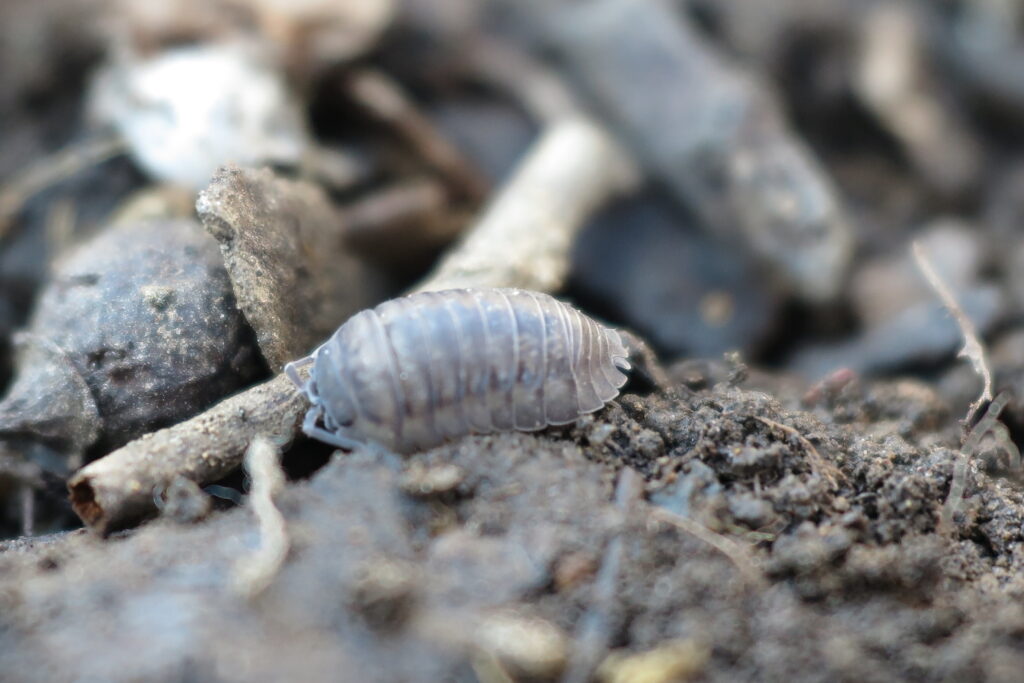
The rolly polly, scientifically known as Armadillidium vulgare, is a small land-dwelling crustacean commonly found beneath rocks, logs, mulch, and damp leaf litter. Although many people casually refer to them as bugs, rolly pollies are actually more closely related to crabs and shrimp than insects. Their rounded armored bodies and slow movements make them one of the most recognizable invertebrates living close to the forest floor.
This species has spread across much of the world and now occurs throughout North America, Europe, parts of Asia, and Australia. Rolly pollies thrive in areas where moisture and decomposing organic material remain available year-round. Gardens, woodland trails, compost piles, and shaded outdoor spaces often provide ideal conditions for these small scavengers to survive and feed.
Unlike predators that actively chase prey, rolly pollies rely on organic matter already present within their surroundings. They spend much of their time exploring the ground surface while searching for softened plant material and decomposing debris. Their feeding habits are closely connected to natural recycling processes occurring beneath the soil surface.
Because they feed on decomposing material rather than live plants or animals, rolly pollies are considered beneficial in many ecosystems. Their constant grazing helps break down dead organic matter and contributes to nutrient cycling within forests and gardens. Although small individually, large groups can process significant amounts of natural debris over time.
What Kind of Food Do Rolly Pollies Eat?
Rolly pollies are classified primarily as detritivores, meaning they feed on decomposing organic material instead of hunting living prey. Their diet consists mostly of softened plant matter and decaying debris found across the ground surface. This feeding strategy allows them to survive in environments where decomposition continuously produces new organic material.
Compared to highly specialized insects that rely on only one food source, rolly pollies are surprisingly adaptable feeders. They can consume a broad range of decomposing material depending on local conditions and seasonal availability. This flexibility has helped the species spread successfully across many regions worldwide.
Although they are often associated with rotting leaves, their diet extends far beyond simple leaf litter. Rolly pollies may feed on decomposing bark, softened wood fibers, fungal growth, and other organic surfaces containing moisture and microbial activity. In many ways, they function like tiny recyclers constantly processing natural debris across the forest floor.
Their feeding habits also vary slightly between environments. Individuals living in gardens may encounter different food sources than those found deep within woodland ecosystems. Despite these regional differences, the overall diet remains centered around breaking down dead organic material rather than consuming fresh vegetation or live prey.
Common Natural Foods Found in a Rolly Polly Diet
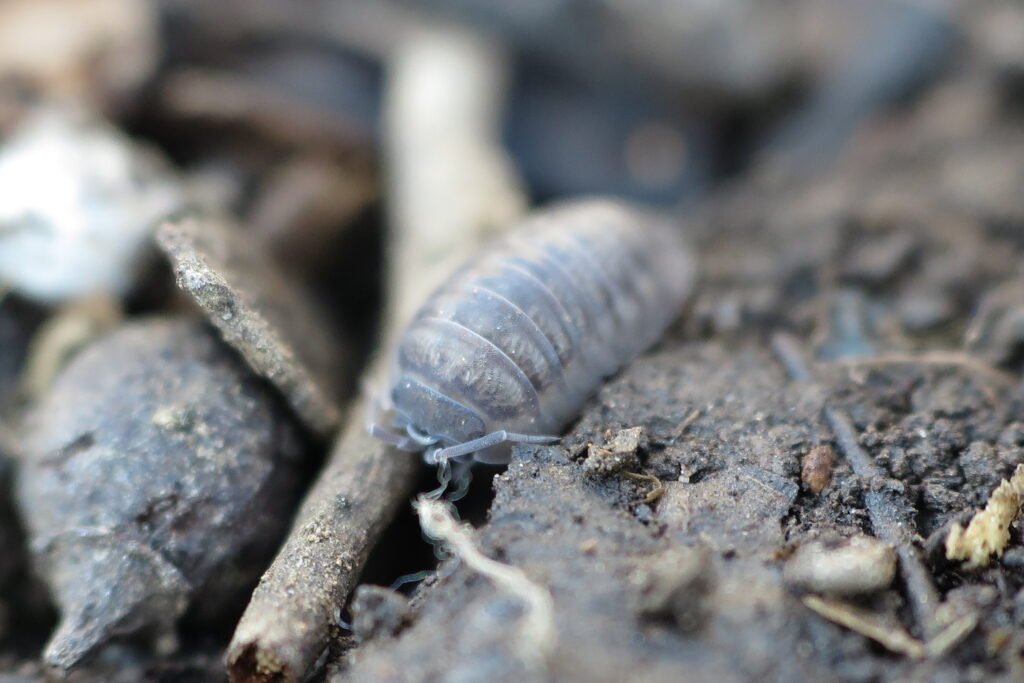
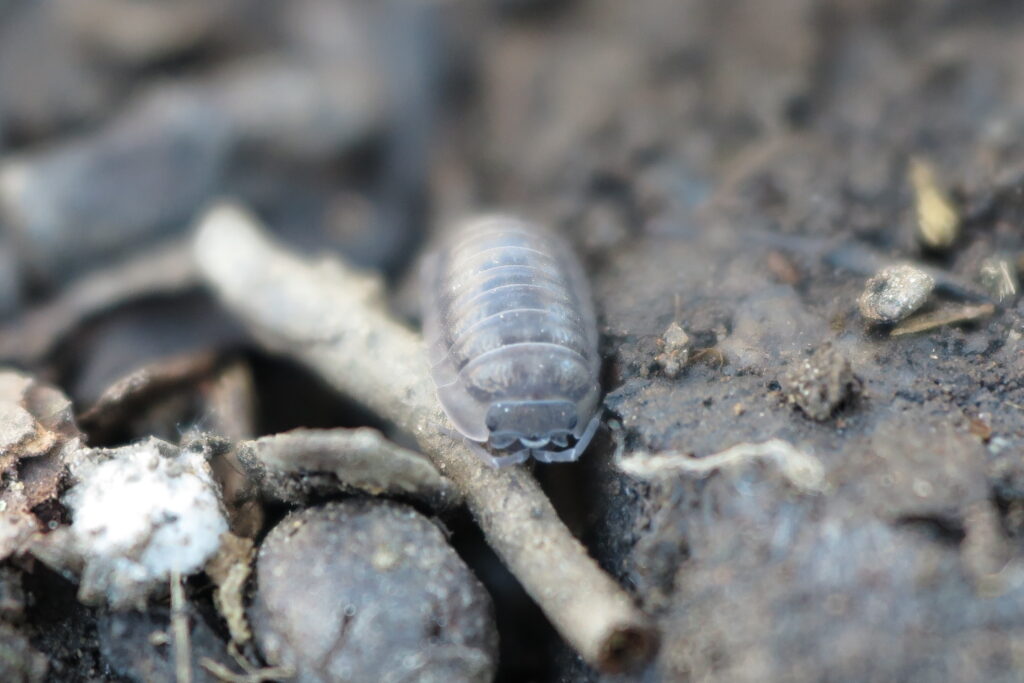
Decaying leaves are among the most important food sources consumed by rolly pollies in the wild. Fallen leaves gradually soften as moisture and fungi begin breaking them down, making the material easier to process. Woodland environments with thick layers of leaf litter often support especially high concentrations of woodlice because food remains constantly available beneath the surface.
Rotting wood and decomposing bark are also commonly eaten. Fallen branches and old logs slowly absorb moisture while fungal growth weakens the wood fibers over time. Rolly pollies may crawl across these surfaces while scraping away tiny particles of softened organic material from the decaying layers.
Fungi contribute another major component of the diet in damp environments. Mold growth, fungal threads, and decomposing organic coatings found on wood or leaves often provide additional nutrients. Compost piles rich with fungal activity may attract large numbers of rolly pollies because these areas contain abundant organic matter in advanced stages of decomposition.
Diet can change depending on season, weather conditions, and food availability. During autumn, fresh accumulations of fallen leaves create ideal feeding conditions, while humid summer periods may increase fungal growth and decomposition rates. Younger rolly pollies typically consume softer organic material, while mature individuals can process tougher decomposing debris more effectively as they develop stronger mouthparts and body structures.
How Rolly Pollies Find Food and Survive
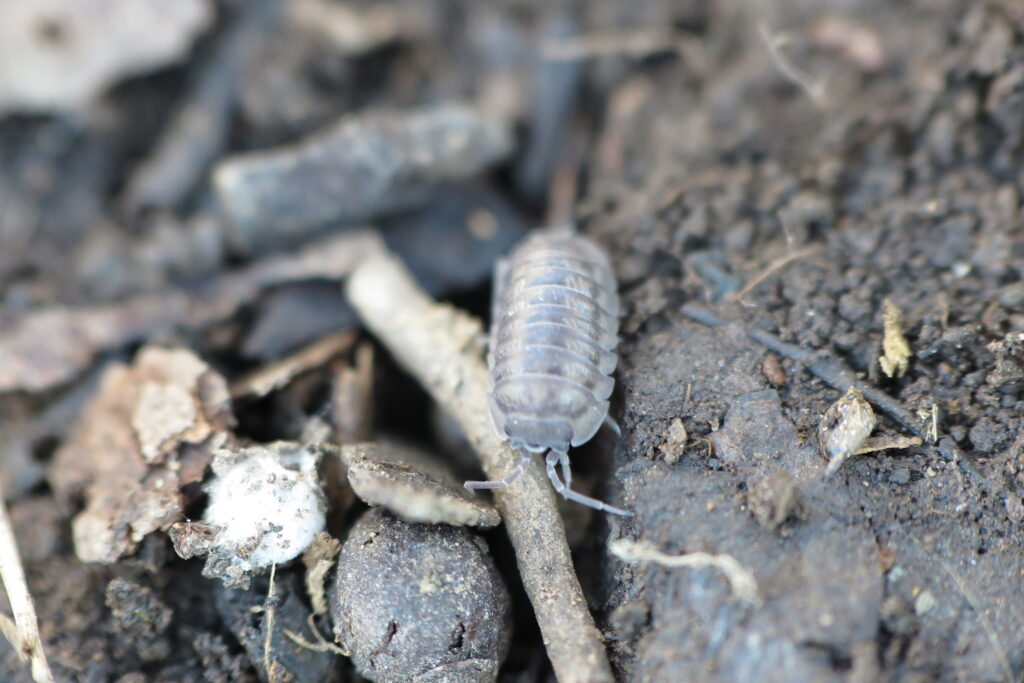
Rolly pollies locate food primarily through slow surface exploration using their antennae and sensory organs. As they move across the ground, they continuously investigate nearby surfaces for moisture and decomposing material. Their feeding style is steady and methodical rather than fast or aggressive, resembling a tiny armored scavenger carefully inspecting the forest floor.
Most feeding activity occurs during nighttime or damp weather conditions when humidity levels remain high. Cooler temperatures and moisture allow rolly pollies to travel more safely across exposed surfaces without drying out. After rainfall, they may become noticeably more active while searching for fresh organic material along paths, gardens, and woodland debris.
Unlike territorial animals that compete aggressively for food, rolly pollies often feed peacefully alongside one another. Beneath a single log or stone, dozens may graze across decomposing leaves and bark fragments simultaneously without conflict. Because decomposing material is usually widespread within suitable habitats, direct competition remains relatively low compared to predatory species.
When preferred food becomes scarce, rolly pollies survive by expanding the range of material they consume. Individuals may shift toward older bark, heavily decomposed wood fibers, or lower-quality organic debris during dry or colder periods. This adaptability helps maintain survival even when conditions become less favorable. Rather than relying on speed or hunting ability, rolly pollies succeed through persistence, efficient scavenging, and their ability to process a wide variety of decomposing organic matter within the environment.
Popular Searches About Woodlouse
Explore Woodlouse Guide
Explore More Wildlife

Support Encounters World
Help support wildlife photography and get behind the scenes discoveries on Patreon.