Baby Black Rat Snake Guide: Identification, Appearance, and Juvenile Growth
Quick Facts
Average Hatchling Size: 8–16 inches long
Growth Rate: Rapid growth during first 2 years
Global Range: Eastern and central North America
Conservation Status: Least Concern
Juvenile Coloration: Gray with dark blotches instead of solid black
Notable Feature: Young black rat snakes look dramatically different from adults
Introduction to Baby Black Rat Snakes
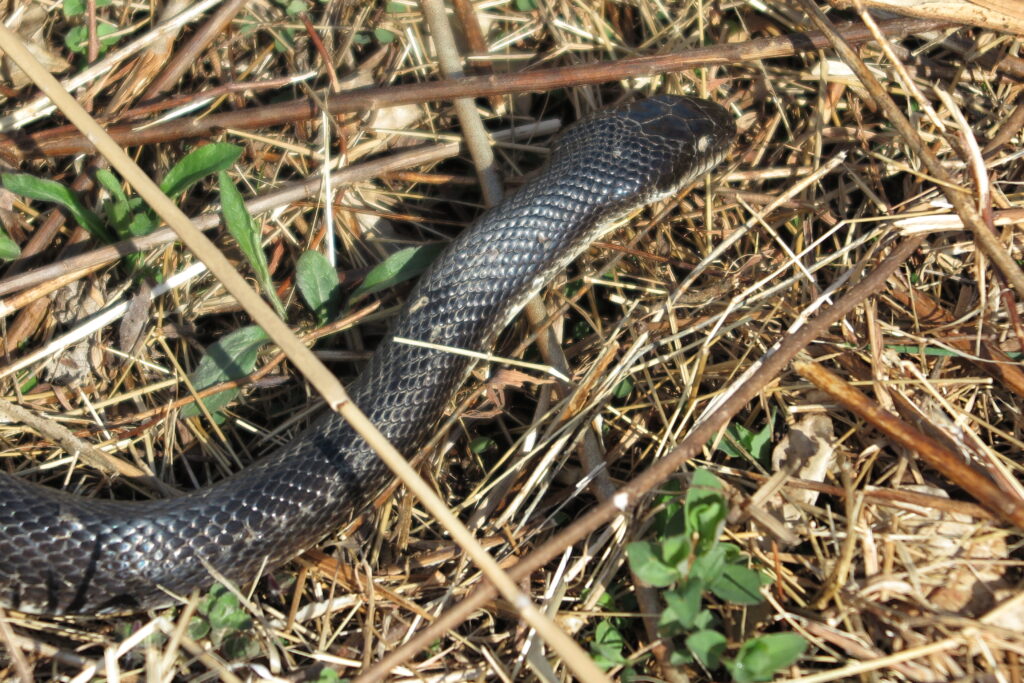
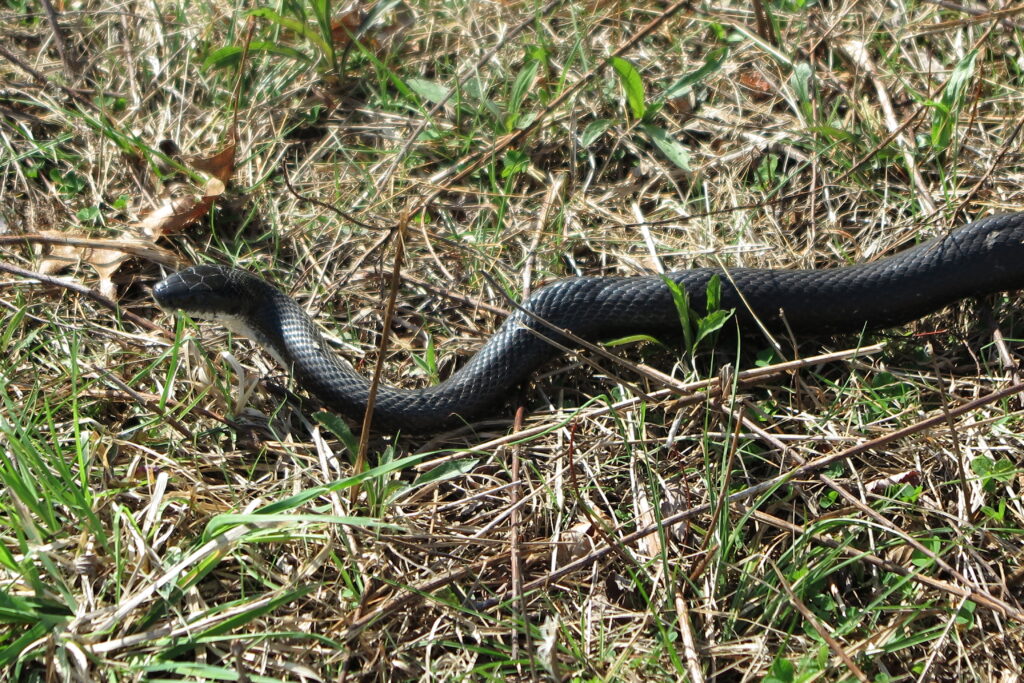
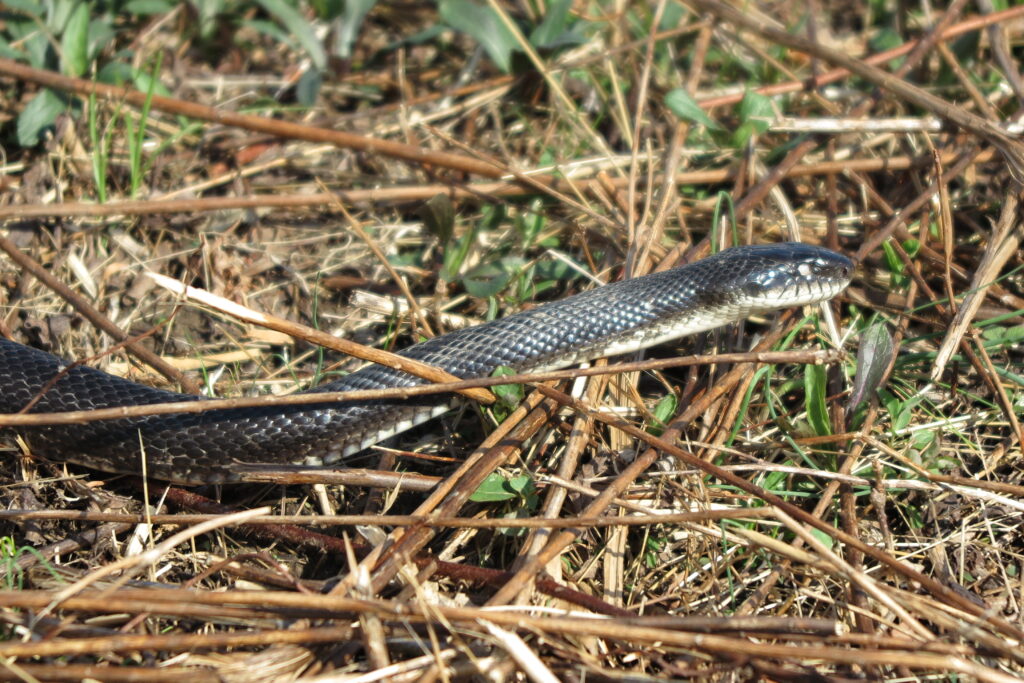
The Black Rat Snake is one of the most recognizable large snakes found throughout eastern North America, but juvenile black rat snakes often surprise people because they look completely different from adults. Instead of glossy black scales, babies hatch with lighter gray or silver bodies covered in darker blotched markings. This dramatic color difference frequently causes young snakes to be mistaken for entirely different species.
Baby black rat snakes are commonly found in forests, rocky hillsides, woodland edges, fields, farms, and suburban environments throughout much of the eastern United States. Their range stretches across a wide portion of North America, allowing hatchlings to appear in many different climates and landscapes. Young snakes are especially common near wooded areas with fallen logs, rock crevices, or brush piles that provide shelter and protection.
Unlike the thick muscular appearance of mature adults, juvenile black rat snakes appear slimmer and more patterned during their early stages of life. Their bodies resemble many smaller woodland snakes, helping them remain camouflaged among leaves, bark, and rocky ground. This younger appearance slowly changes over time as darker pigmentation develops with age.
Many people first encounter baby black rat snakes during late summer or early fall after eggs hatch. Because hatchlings are relatively small and secretive, they often remain hidden beneath debris or vegetation during daylight hours. Despite their smaller size, young black rat snakes already display the alert posture and climbing ability that become more pronounced in adulthood.
Baby Black Rat Snake Appearance and Early Development
Baby black rat snakes possess a completely different appearance from fully grown adults. Hatchlings usually display a pale gray, silver, tan, or light brown background color covered with darker saddle-shaped blotches running down the body. These markings resemble scattered ink stains or uneven camouflage patterns across the snake’s back.
The head of a juvenile black rat snake is often more distinct than that of an adult. Many hatchlings show darker markings around the eyes and jawline, creating a sharper facial contrast. Compared to mature black rat snakes with solid darker coloration, babies appear brighter and more heavily patterned.
Most hatchlings measure roughly 8–16 inches long after emerging from eggs. Although this size may sound intimidating to some people unfamiliar with snakes, young black rat snakes are actually fairly slender and lightweight. Many are only slightly thicker than a pencil during their earliest months of life.
Their scales also appear somewhat textured or keeled under certain lighting conditions. When sunlight hits the body at an angle, the scales may reflect subtle shades of gray, silver, or cream between darker blotches. This textured pattern helps young snakes blend naturally into woodland debris and rocky terrain.
Compared to the Eastern Garter Snake, juvenile black rat snakes appear thicker-bodied with larger blotches rather than continuous stripes. Their head shape is also more elongated and defined compared to the narrower profile of many garter snakes.
One of the most fascinating facts about baby black rat snakes is how dramatically they transform with age. As the snake matures over several years, the lighter juvenile coloration gradually darkens until most adults develop the glossy black appearance associated with the species. This transition can make young and mature individuals appear almost unrelated at first glance.
Young black rat snakes also possess proportionally large eyes compared to their smaller bodies. These noticeable eyes contribute to their alert appearance while helping them navigate woodland environments. Their constantly flicking tongue further adds to their active observant demeanor.
General Characteristics of Juvenile Black Rat Snakes
Baby black rat snakes are highly adaptable reptiles capable of surviving across many different environments shortly after hatching. Even at a young age, they display climbing ability, defensive instincts, and strong camouflage that help them survive among predators. These traits allow hatchlings to navigate forests and rocky landscapes surprisingly effectively.
One defining characteristic of juvenile black rat snakes is their cautious and defensive nature. Young snakes are much more vulnerable than adults and often rely heavily on camouflage or escape when threatened. Their patterned bodies help them disappear against leaves, bark, or stone surfaces.
Although baby black rat snakes are small, they already possess the muscular body structure typical of constrictor species. Their bodies appear flexible yet powerful compared to thinner non-constricting snakes. Even hatchlings demonstrate the coiling posture associated with larger rat snakes.
Compared to the Corn Snake, juvenile black rat snakes generally appear darker, bulkier, and less brightly colored. Corn snakes often display stronger orange or reddish tones, while young black rat snakes maintain cooler gray and black coloration.
Another notable characteristic is their climbing instinct. Juvenile black rat snakes frequently explore low branches, logs, rocks, and vegetation while searching for shelter or safety. Their bodies move with surprising agility despite their small size.
Many young black rat snakes also flatten or vibrate their tails when frightened. This defensive behavior can make them appear more intimidating to predators even though they are nonvenomous. Some may even mimic rattlesnake-like tail vibrations against dry leaves for added defense.
Unlike many larger adult snakes, juvenile black rat snakes remain vulnerable to birds, mammals, larger snakes, and predatory reptiles. Their smaller size means survival depends heavily on camouflage, concealment, and cautious movement throughout their environment.
Baby Black Rat Snake Role in the Ecosystem
Baby black rat snakes play an important role in woodland and edge ecosystems throughout eastern North America. Even as hatchlings, they contribute to predator-prey balance by feeding on small animals while also serving as prey for larger predators. Their presence supports multiple levels of the food web.
Young black rat snakes help naturally regulate populations of insects, small rodents, amphibians, and other tiny prey species. Although juvenile snakes consume smaller prey than adults, they still contribute to environmental balance by reducing overpopulation among certain animals. This ecological role becomes more significant as they grow larger.
At the same time, hatchlings provide food for hawks, owls, foxes, raccoons, opossums, larger snakes, and predatory mammals. Their survival rate during early life stages is relatively low because so many predators target young snakes. This makes camouflage and cautious movement essential for survival.
Because baby black rat snakes often occupy woodland floor habitats, they help connect ground-level food chains with larger forest ecosystems. Their movements through leaf litter and rocky environments contribute to the constant interaction between predators and prey occurring beneath the forest canopy.
Compared to adult black rat snakes, juveniles interact differently with the ecosystem due to their smaller size and increased vulnerability. Adults dominate more prey types and face fewer predators, while hatchlings remain part of a much broader predator network.
Baby black rat snakes also contribute to long-term population stability for the species itself. Every adult black rat snake begins life as a small vulnerable hatchling navigating dangerous environments. Successful juvenile survival ensures healthy snake populations continue across forests, farms, and suburban landscapes.
Although many people fear snakes, juvenile black rat snakes are harmless nonvenomous reptiles that provide ecological value within natural systems. Their role in controlling prey populations while supporting larger predators makes them an important part of eastern North American ecosystems. Through camouflage, adaptability, and survival instincts, baby black rat snakes begin fulfilling their ecological role almost immediately after hatching.
Popular Searches About Black Rat Snakes
Explore Black Rat Snake Guide
Explore More Wildlife

Support Encounters World
Help support wildlife photography and get behind the scenes discoveries on Patreon.