
Buff Orpington Chicken Breed Guide: History, Breed Standards, and Defining Traits
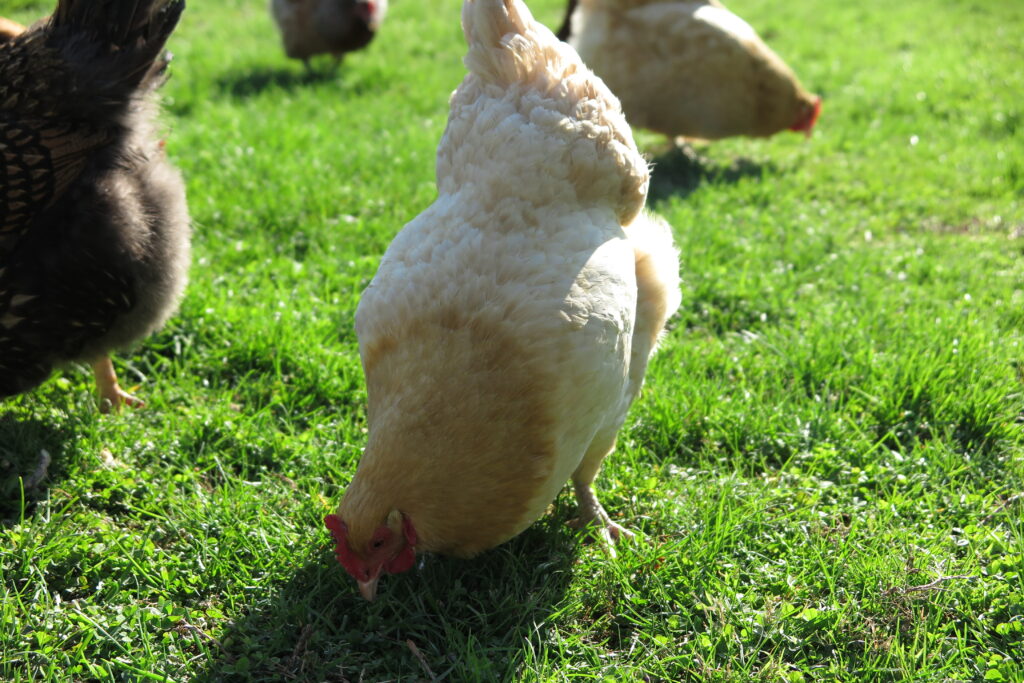
Quick Facts
Breed Origin: Orpington, Kent, England
Breed Class: Heavy Heritage Chicken Breed
Average Adult Weight: Hens 7–8 lbs, Roosters 8–10 lbs
Global Range: Domestic breed raised worldwide
Breed Status: Popular Heritage Poultry Breed
Notable Feature: Developed as a dual-purpose heritage breed with distinctive buff plumage
Introduction to the Buff Orpington Chicken Breed
The Buff Orpington is one of the most influential heritage chicken breeds ever developed, recognized around the world for its rich history and enduring popularity. Created in the town of Orpington in Kent, England, the breed emerged during a period when poultry breeding was becoming increasingly sophisticated. Its development reflected a growing demand for chickens that combined practicality with visual appeal.
Unlike many modern poultry strains that were selectively bred for a single purpose, the Buff Orpington was designed as a versatile farm breed. Early breeders sought a chicken that could thrive in various agricultural settings while maintaining a consistent and recognizable appearance. This balanced approach helped establish the Buff Orpington as a foundation breed within the poultry world.
Today, the breed is raised across North America, Europe, Australia, and many other regions where heritage poultry remains valued. Buff Orpingtons appear in backyard flocks, agricultural exhibitions, breeding programs, and conservation projects. Their widespread distribution has made them one of the most familiar heritage chickens to poultry enthusiasts globally.
The Buff Orpington’s reputation extends beyond simple popularity. It is often viewed as a symbol of traditional poultry breeding, representing an era when long-term durability and breed consistency were primary goals. Understanding the breed itself requires looking beyond individual birds and examining the characteristics that have defined Buff Orpingtons for more than a century.
Buff Orpington Breed Overview and Historical Development
The Buff Orpington traces its origins to the work of English poultry breeder William Cook during the late 1800s. Cook sought to create a practical farm chicken that would appeal to both commercial farmers and poultry exhibitors. Through careful breeding programs involving several existing chicken varieties, he gradually developed what would become the Orpington breed.
Although Orpingtons were initially produced in multiple color varieties, the buff coloration quickly became the most recognizable and popular. The warm golden appearance distinguished the breed from many darker poultry varieties common at the time. As a result, Buff Orpingtons eventually became synonymous with the breed itself in many parts of the world.
The breed gained popularity rapidly throughout Britain before spreading internationally. Poultry exhibitions played a major role in introducing Buff Orpingtons to breeders in other countries. Their combination of attractive appearance and practical value allowed them to succeed in both competitive and agricultural settings.
Unlike specialized modern breeds developed for maximum egg production or rapid meat growth, Buff Orpingtons retained a broader purpose. Their historical development focused on balance rather than extreme performance. This approach helped preserve a more traditional poultry type that remains valued by heritage breed enthusiasts today.
Breed standards gradually emerged as organizations sought to maintain consistency among breeding lines. These standards defined desirable traits such as body shape, feather quality, coloration, and overall proportions. Maintaining these characteristics became an important part of preserving the breed’s identity across generations.
Today, Buff Orpingtons are widely regarded as one of the classic heritage chicken breeds. Their history reflects the broader development of modern poultry breeding while also demonstrating the importance of preserving traditional livestock genetics. Few chicken breeds have achieved such lasting recognition within both agricultural and exhibition communities.
Defining Characteristics of the Buff Orpington Breed Standard
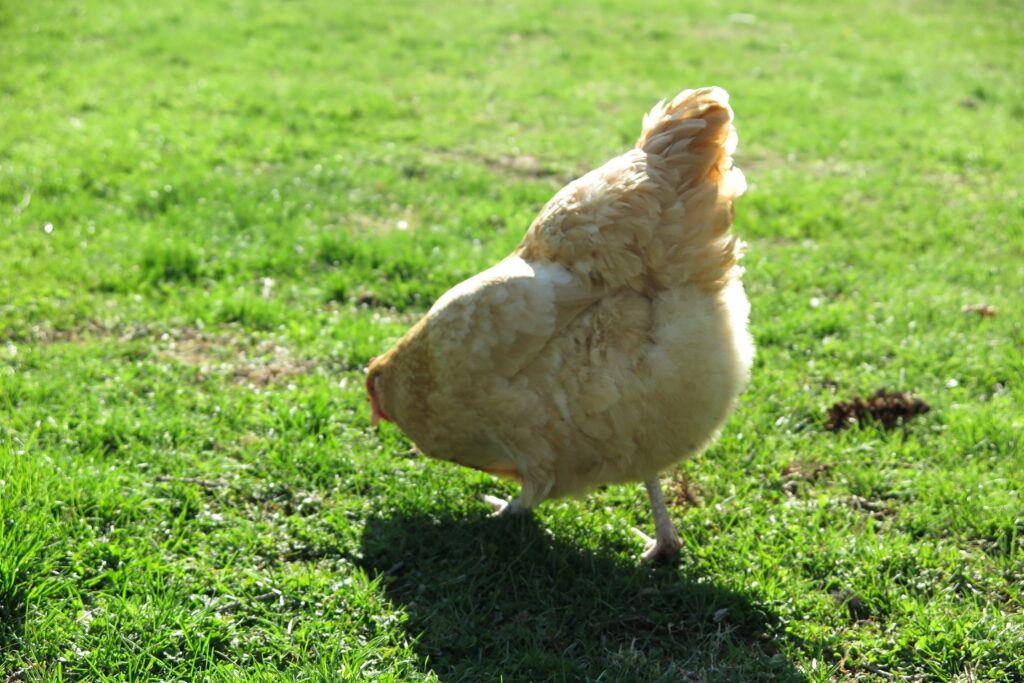
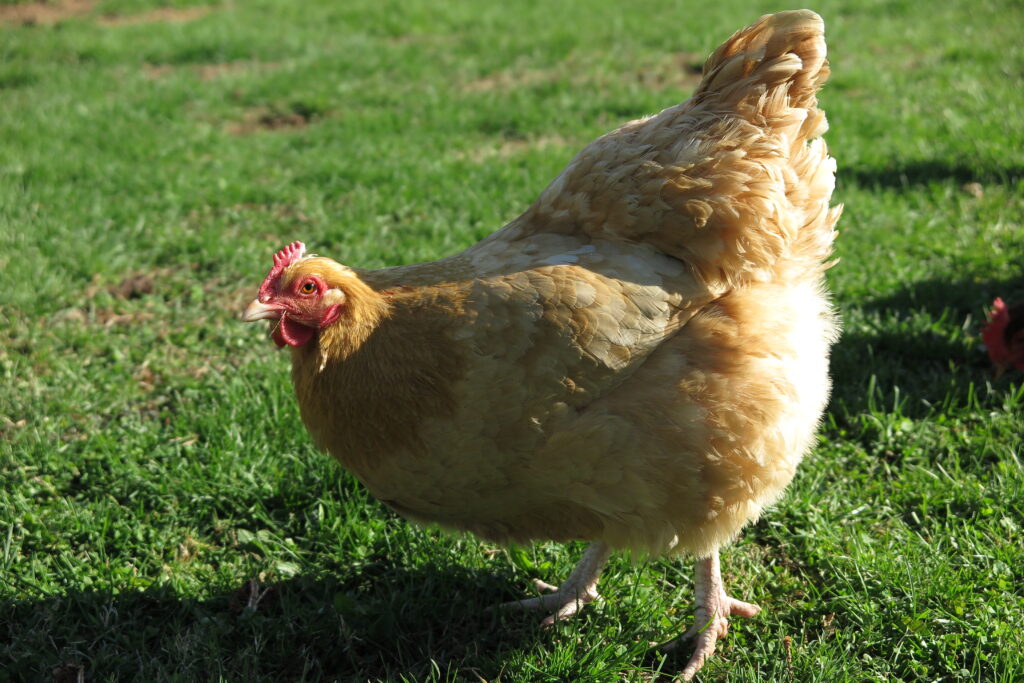
One of the most important aspects of the Buff Orpington breed is its distinctive body structure. Breed standards emphasize a broad, deep body with smooth contours and substantial overall mass. When viewed from the side, a properly developed Buff Orpington should display a balanced and rounded profile rather than an angular or narrow shape.
Feather quality is another defining element of the breed standard. Buff Orpingtons are known for abundant feather coverage that creates a soft, full appearance. The plumage should appear dense and evenly distributed across the body, contributing to the breed’s characteristic rounded outline.
Color consistency plays a major role in breed identification. Ideally, Buff Orpingtons display a rich golden-buff coloration that remains relatively uniform throughout the body. Poultry judges often look for even coloration rather than dramatic variations, helping preserve the classic appearance associated with the breed.
The head structure is intentionally moderate and balanced. A single comb with clearly defined points sits atop the head, while the wattles and earlobes provide contrasting red coloration. These features create the traditional appearance expected in a heritage farm chicken without appearing exaggerated.
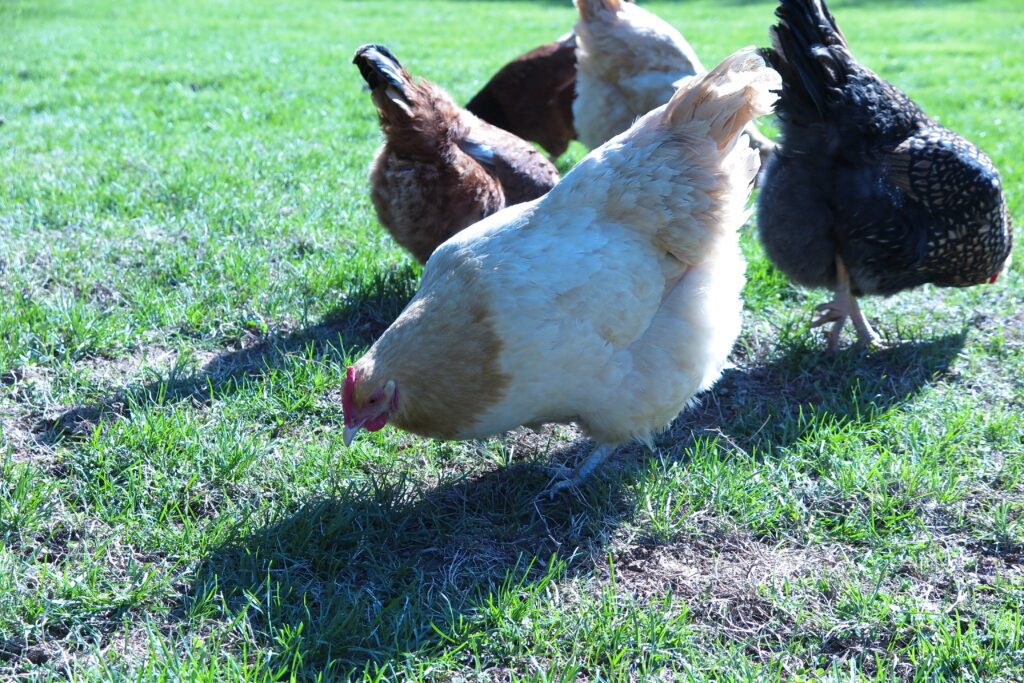
Compared to lighter breeds such as Leghorns or Minorcas, Buff Orpingtons possess a far heavier and more substantial build. Their overall form can be compared to a compact livestock breed rather than a streamlined athletic bird. This distinction helps explain why they remain instantly recognizable among poultry enthusiasts.
The breed standard also values symmetry and proportion. No single feature should dominate the overall appearance. Instead, the Buff Orpington is intended to present a harmonious combination of size, feather quality, coloration, and structure that reflects generations of careful selective breeding.
The Buff Orpington Breed and Its Importance in Modern Agriculture
The Buff Orpington occupies an important place within modern heritage livestock conservation. As commercial poultry production increasingly focuses on specialized strains, traditional breeds provide valuable genetic diversity that may become increasingly important in the future. Maintaining these bloodlines helps preserve traits that could otherwise disappear from domestic poultry populations.
Heritage breeds like the Buff Orpington also serve as living examples of historical agricultural practices. Their continued presence allows modern farmers and poultry keepers to experience breeds that closely resemble those used by earlier generations. This connection helps preserve agricultural knowledge that extends beyond simple production statistics.
Within breeding programs, Buff Orpingtons contribute to the broader goal of maintaining healthy and sustainable poultry genetics. Diverse heritage populations reduce dependence on a limited number of commercial strains and help strengthen the overall resilience of domestic poultry. Their preservation supports long-term livestock stability.
The breed is particularly important in educational and exhibition settings. Agricultural fairs, poultry clubs, and heritage livestock programs frequently feature Buff Orpingtons because they represent a well-known example of successful selective breeding. Visitors often learn about poultry history through breeds like the Buff Orpington before exploring other heritage varieties.
Small farms and homesteads also benefit from maintaining traditional breeds. Buff Orpingtons help demonstrate how heritage livestock can remain relevant in modern agricultural systems while preserving unique genetic characteristics. Their continued popularity encourages interest in broader livestock conservation efforts.
More than a century after its creation, the Buff Orpington remains one of the most respected heritage chicken breeds in the world. Its historical significance, recognizable appearance, and contribution to poultry diversity ensure that it continues to play an important role in agriculture, education, and breed preservation. Rather than being remembered solely as a farm bird, the Buff Orpington stands as a lasting example of successful livestock development and heritage conservation.
Popular Searches About Buff Orpingtons
Explore Buff Orpington Guide
Explore More Domestic Animals

Support Encounters World
Help support wildlife photography and get behind the scenes discoveries on Patreon.