
Buff Orpington Winter Hardiness Guide: Are Buff Orpington Chickens Cold Hardy?
Quick Facts
Cold Hardiness Rating: Excellent
Average Adult Weight: 7–10 pounds
Winter Activity Level: Moderate to High
Global Range: Domestic breed found worldwide
Conservation Status: Domesticated Breed
Notable Feature: Dense feathering provides exceptional insulation in cold weather
Introduction to Buff Orpington Winter Hardiness
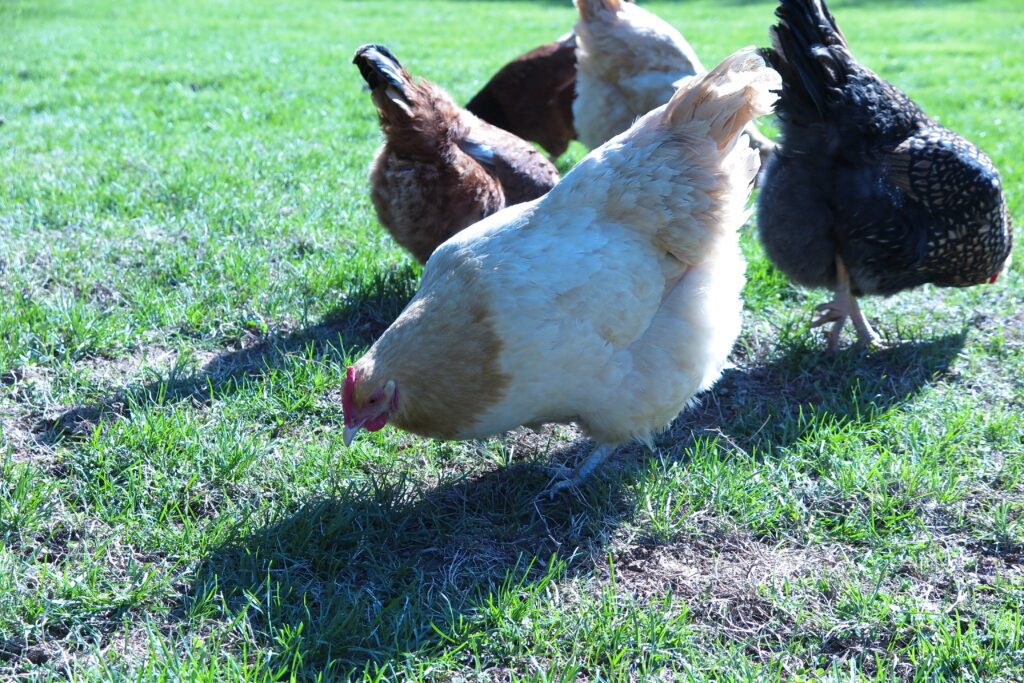
The Buff Orpington chicken is widely regarded as one of the most cold-hardy heritage chicken breeds available to poultry keepers. Originally developed in England, the breed emerged in a climate known for cool temperatures, damp conditions, and frequent seasonal weather changes. These environmental influences helped shape a chicken that remains comfortable in colder regions where other breeds may struggle.
Today, Buff Orpingtons are raised throughout North America, Europe, and many other areas that experience significant winter conditions. Their popularity in northern climates is largely connected to their ability to tolerate snow, freezing temperatures, and extended periods of cold weather. Many poultry keepers specifically select the breed because of its reputation for handling winter better than lighter-bodied chickens.
When viewed in a winter landscape, Buff Orpingtons often appear surprisingly comfortable despite freezing conditions. Their large bodies and abundant feather coverage create a naturally insulated appearance that helps them stand out among cold-hardy poultry breeds. Against snow-covered ground, their warm buff plumage can make them resemble small golden bundles moving through the winter environment.
Cold tolerance has become one of the defining traits associated with the breed. While all domestic chickens require proper shelter and care during severe weather, Buff Orpingtons are frequently considered one of the most dependable options for regions that experience long winters. Their ability to remain productive and active throughout colder months continues to make them a favorite among backyard flock owners.
Buff Orpington Cold Weather Performance Overview
Buff Orpington chickens are often ranked among the best cold-weather chicken breeds because of their physical design and overall resilience. Their broad bodies help retain heat more efficiently than narrow-bodied breeds, reducing the amount of energy required to maintain body temperature during winter. This natural advantage allows them to remain comfortable in temperatures that may challenge smaller poultry varieties.
One of the most noticeable aspects of their winter performance is their willingness to remain active outdoors during cold conditions. While some chickens spend much of the day sheltering from harsh weather, Buff Orpingtons are often seen exploring snowy farmyards and open runs. Their confidence in colder temperatures contributes to their reputation as dependable winter birds.
Compared to Mediterranean breeds such as Leghorns, which are better suited to warmer climates, Buff Orpingtons demonstrate far greater tolerance of freezing conditions. Their larger mass and heavier feather coverage function similarly to a winter coat, helping preserve body heat during cold spells. This difference becomes especially noticeable during prolonged periods of snow and ice.
Winter weather can affect poultry in many ways, including energy demands and overall comfort. Buff Orpingtons generally cope well because their physical characteristics reduce heat loss. Their cold-weather adaptability allows them to remain productive and maintain healthy body condition throughout much of the winter season.
The breed also performs well during sudden seasonal transitions. Early frosts, cold autumn winds, and unpredictable winter storms are often less disruptive to Buff Orpingtons than to more delicate breeds. This stability contributes significantly to their popularity among poultry keepers in northern climates.
Because of these traits, Buff Orpingtons are frequently recommended for regions that experience harsh winters. Their combination of size, feather density, and overall hardiness allows them to remain one of the most reliable heritage chickens for cold-weather poultry keeping.
Physical Traits That Make Buff Orpingtons Cold Hardy
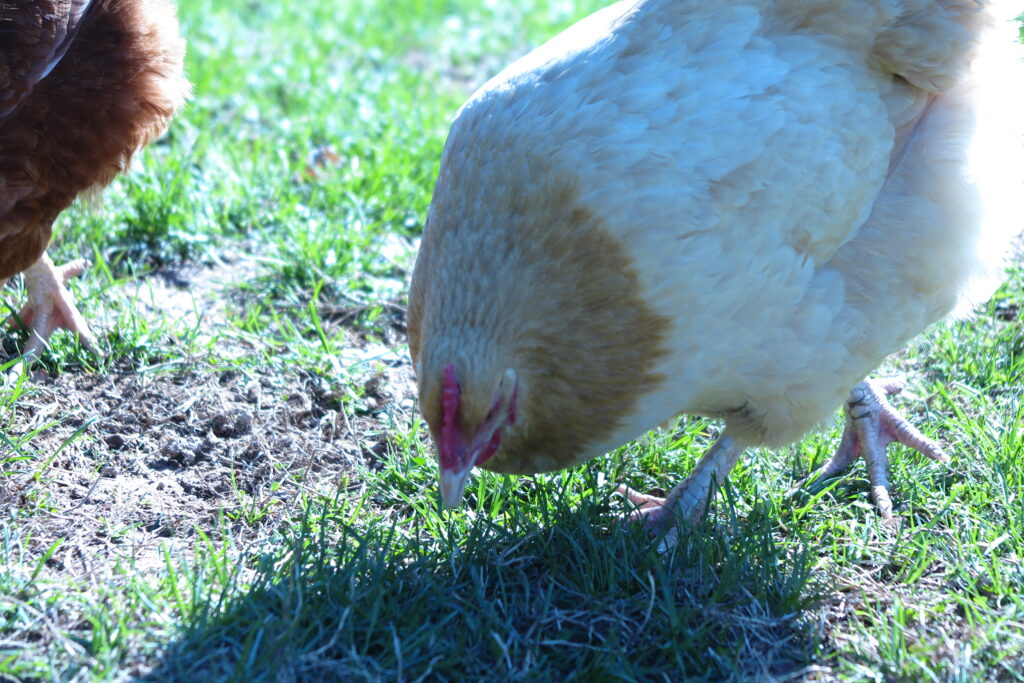
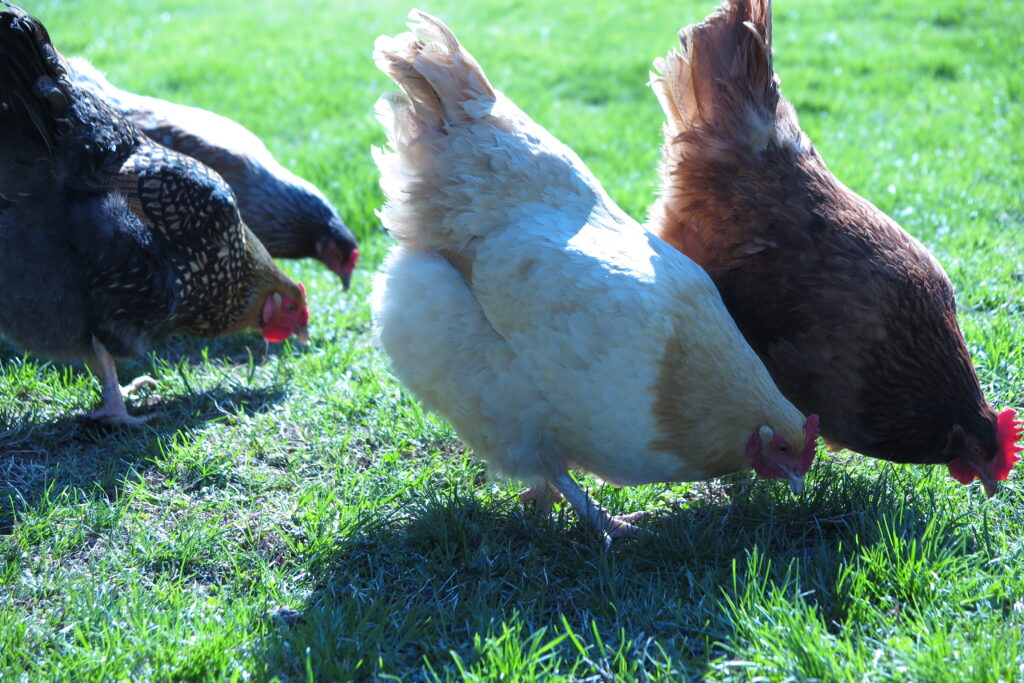
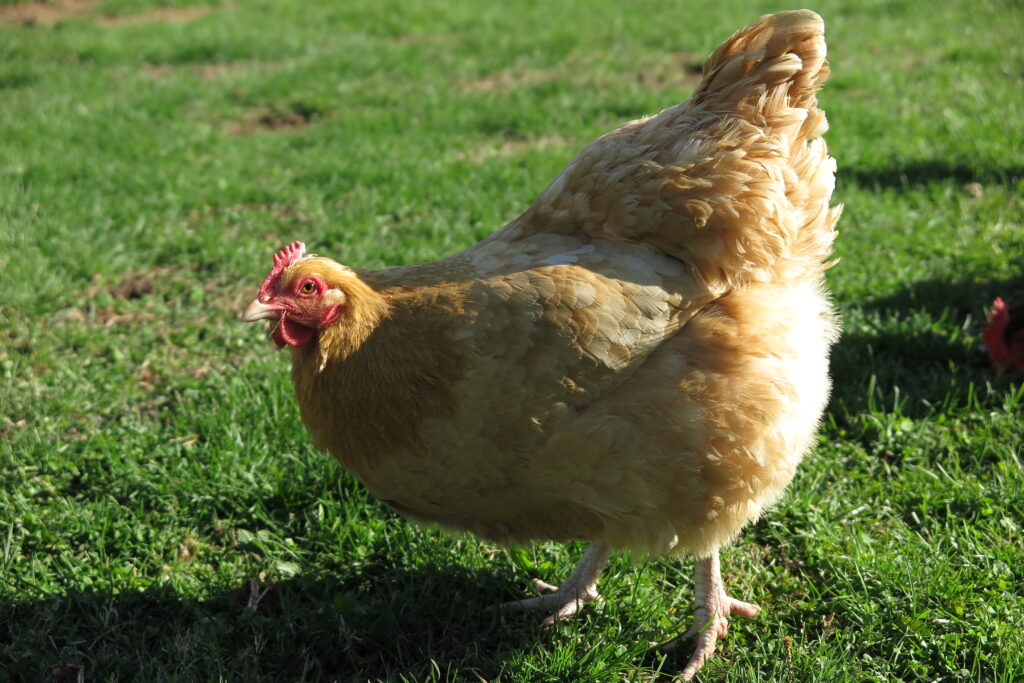
The most important feature contributing to Buff Orpington winter hardiness is their exceptionally dense feather coverage. Their plumage creates a thick insulating layer that traps warm air close to the body, functioning much like a down-filled winter jacket. This insulation helps reduce heat loss during cold and windy weather.
Body size also plays a major role in cold-weather survival. Buff Orpingtons are considerably larger than many common laying breeds, giving them a lower surface-area-to-volume ratio. In practical terms, this means they lose heat more slowly and retain warmth more efficiently than smaller chickens.
Their feather structure further enhances winter protection. Rather than having tight-fitting feathers that lie close to the body, Buff Orpingtons possess fuller plumage that creates additional air pockets. These pockets act as natural insulation, helping the birds remain comfortable during extended cold periods.
The breed’s comb size is another important advantage. Buff Orpingtons possess medium-sized single combs that are less vulnerable to severe frostbite than the large combs seen on some other chicken breeds. Although protection is still necessary during extreme cold, their comb structure generally performs better than larger, more exposed varieties.
The warm buff coloration of their feathers may not directly improve cold tolerance, but it contributes to their recognizable winter appearance. Against snowy backgrounds, the birds often resemble golden patches of straw moving across a white landscape. This distinctive look has become closely associated with winter images of heritage poultry.
When compared to lighter ornamental breeds, Buff Orpingtons appear almost purpose-built for colder environments. Their overall form combines mass, insulation, and structural balance in a way that naturally supports winter survival. These physical traits collectively explain why the breed consistently ranks among the best cold-hardy chickens available.
Why Buff Orpingtons Thrive in Winter Farming Systems
Buff Orpington chickens play an important role in agricultural systems located in colder regions. Their winter hardiness allows farmers and backyard flock owners to maintain productive poultry populations throughout much of the year. This reliability reduces seasonal disruptions and supports more consistent flock management.
One major advantage is their ability to remain active when temperatures drop. Chickens that continue functioning normally during winter help maintain routine agricultural operations and reduce the need for extensive environmental modifications. Buff Orpingtons often adapt well to seasonal changes while continuing to serve their role within the flock.
Cold-hardy breeds also contribute to genetic diversity within domestic poultry populations. As agriculture increasingly focuses on specialized commercial strains, heritage breeds like the Buff Orpington preserve valuable traits that may become increasingly important in changing climates. Their winter resilience represents one of these important characteristics.
In northern farming regions, harsh weather can place considerable stress on livestock. Buff Orpingtons help demonstrate how selective breeding can create animals capable of thriving under challenging environmental conditions. Their continued success highlights the value of maintaining heritage breeds adapted to a variety of climates.
The breed also supports educational and conservation efforts focused on sustainable poultry keeping. Many agricultural programs use Buff Orpingtons to showcase traditional livestock breeds that remain practical in modern settings. Their winter performance often serves as a clear example of how physical traits influence environmental adaptability.
More than a century after their development, Buff Orpingtons continue to prove their value in cold-weather poultry systems. Their ability to withstand winter conditions while maintaining health and productivity has secured their place among the most respected cold-hardy chicken breeds in the world. For poultry keepers facing long winters, few heritage breeds offer the same combination of resilience, practicality, and historical significance.
Popular Searches About Buff Orpingtons
Explore Buff Orpington Guide
Explore More Domestic Animals

Support Encounters World
Help support wildlife photography and get behind the scenes discoveries on Patreon.