Red-Bellied Piranha Teeth Guide: Tooth Structure, Bite Design, and Unique Adaptations
Quick Facts
Tooth Type: Triangular Interlocking Teeth
Average Tooth Count: Approximately 30–40 Teeth
Bite Structure: Single-Row Cutting Teeth
Tooth Replacement: Continuous Throughout Life
Global Range: South America
Notable Feature: Razor-Sharp Teeth That Fit Together Like Scissors
Red-Bellied Piranha Teeth Overview and Global Recognition
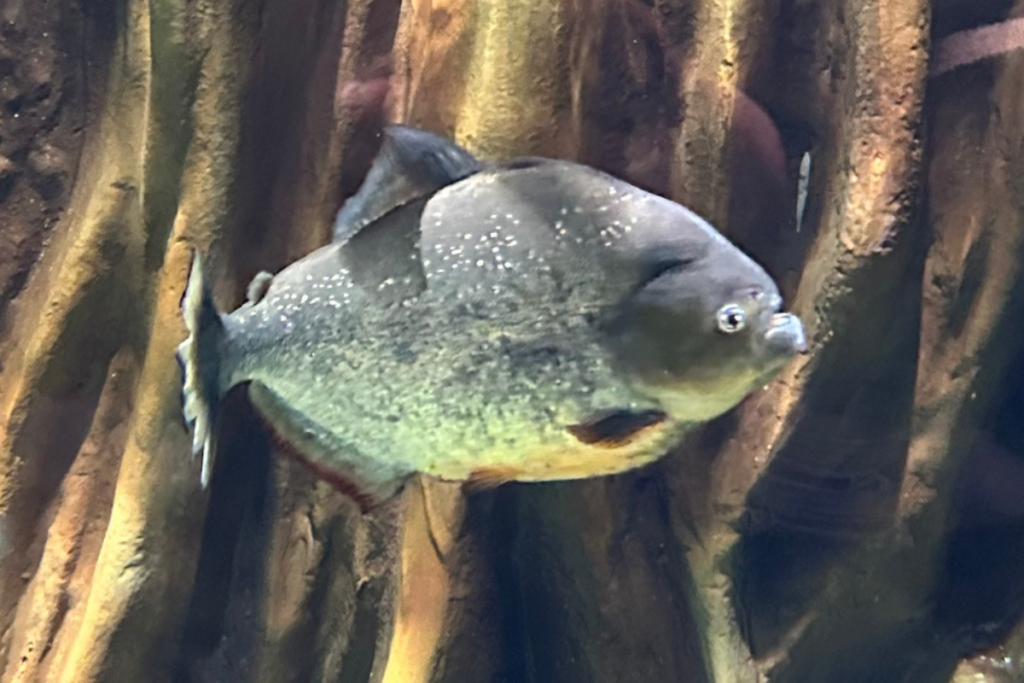
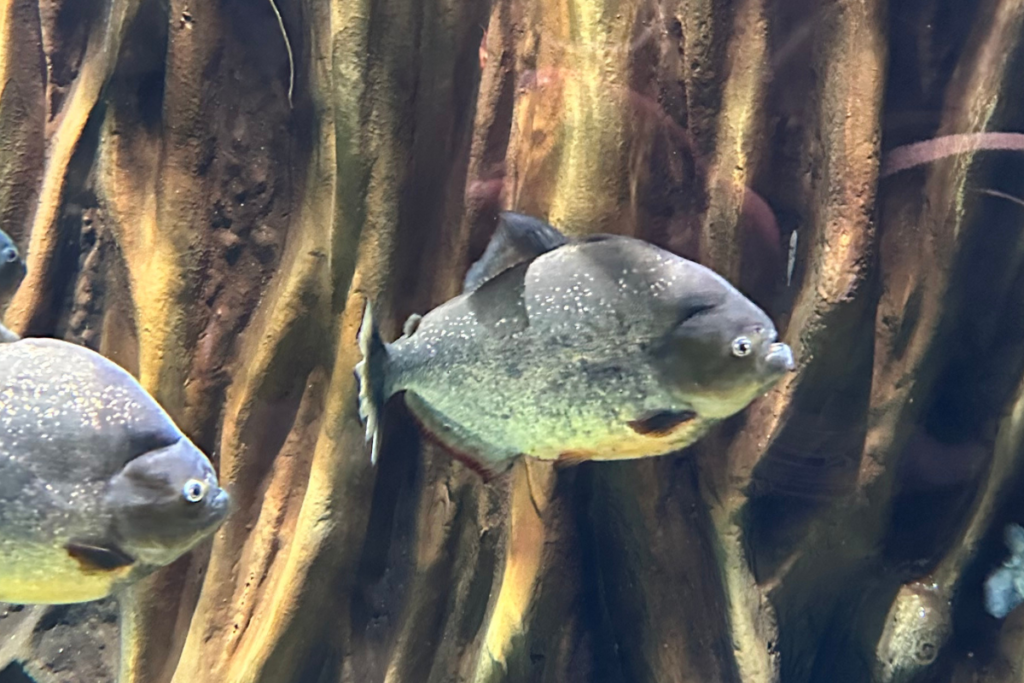
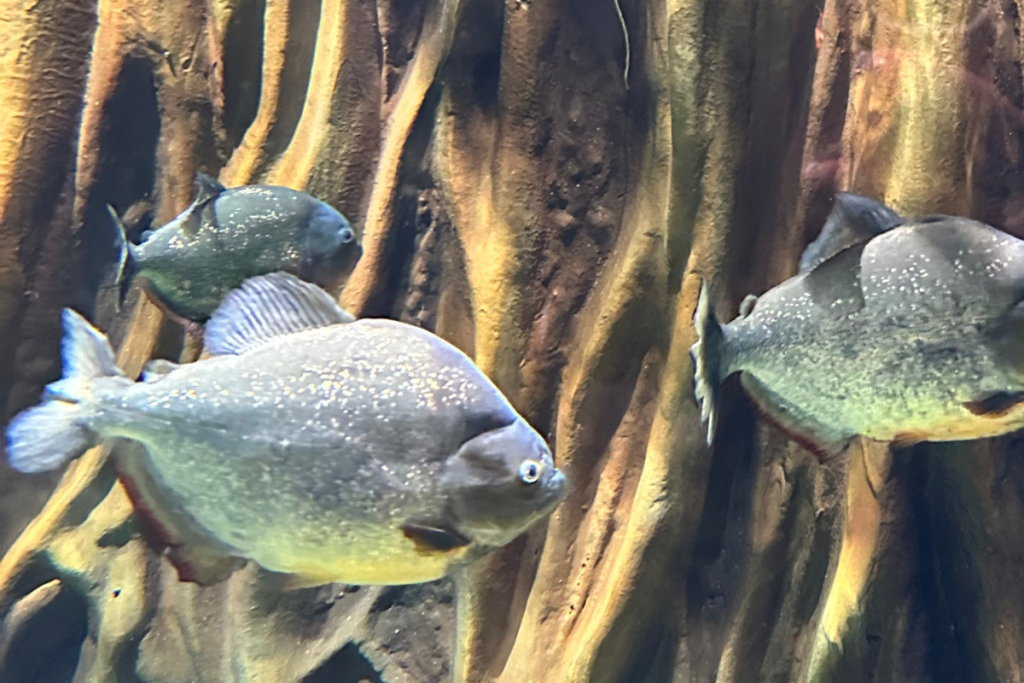
The red-bellied piranha possesses one of the most famous dental structures in the animal kingdom. Found throughout the Amazon Basin, Orinoco watershed, and Paraguay-Paraná river system, this freshwater fish is often recognized immediately because of its distinctive teeth. While its red-orange belly and metallic scales are visually striking, the teeth remain the feature most people associate with the species.
Few freshwater fish have generated as much curiosity regarding their jaws and dentition. Images of piranha teeth frequently appear in documentaries, educational materials, and wildlife exhibits because their design differs significantly from that of most fish species. Their arrangement creates a highly specialized cutting surface that stands out even among predatory aquatic animals.
The reputation of the red-bellied piranha is closely connected to the appearance of its mouth. Unlike many fish that possess small, rounded, or peg-like teeth, this species features a set of triangular structures that immediately capture attention. Even a brief glance reveals a pattern unlike that found in most freshwater environments.
Across South America, red-bellied piranhas occupy some of the world’s most diverse freshwater ecosystems. Regardless of where populations occur within their range, the characteristic tooth structure remains remarkably consistent. This uniformity helps make the species one of the most recognizable fish on Earth and contributes significantly to its global fame.
Red-Bellied Piranha Tooth Appearance and Jaw Design
The teeth of a red-bellied piranha are compact, triangular, and sharply pointed. Each tooth resembles a miniature wedge with clean edges designed to fit precisely against neighboring teeth. When viewed together, the row forms a nearly continuous cutting surface rather than a collection of separate structures.
One of the most remarkable visual features is how perfectly the upper and lower teeth align. When the mouth closes, the teeth interlock with extraordinary precision. The arrangement is often compared to the blades of a pair of scissors because both rows work together as a single cutting mechanism.
Individual teeth are surprisingly small compared to the overall size of the fish. Most are only a fraction of an inch tall, yet their shape makes them visually prominent. Their bright white coloration often contrasts sharply against the darker tissues of the mouth, creating a striking appearance.
Unlike the long fang-like teeth seen in some predatory fish, piranha teeth are relatively short and broad. This gives them a more geometric appearance than species equipped with needle-like dentition. The triangular design creates a pattern that resembles a row of perfectly arranged arrowheads.
The jaw itself contributes significantly to the effectiveness of the dental structure. A broad head and powerful jaw muscles support the tooth row, creating a compact but robust feeding apparatus. Together, these physical features form one of the most distinctive mouth structures found among freshwater vertebrates.
Unique Characteristics of Red-Bellied Piranha Teeth
Perhaps the most unusual aspect of red-bellied piranha teeth is their ability to function as a unified cutting edge. Rather than operating independently, each tooth works alongside adjacent teeth to create a continuous surface. This design is rarely seen among freshwater fish and represents one of the species’ defining characteristics.
The teeth are frequently compared to serrated tools or precision-cut blades. When viewed from the side, the triangular shape creates a jagged profile similar to the edge of a saw. This visual similarity has made piranha teeth a popular example in educational discussions about animal adaptations.
Another distinctive feature is the way teeth are replaced throughout the fish’s lifetime. Like sharks, piranhas continually develop replacement teeth as older ones wear down or are lost. This process ensures the dental structure remains functional and effective even after years of use.
The species does not replace individual teeth one at a time in the same manner as many other animals. Instead, groups of teeth may be replaced together, helping maintain the precise alignment necessary for proper function. This coordinated replacement strategy is unusual among vertebrates and contributes to the efficiency of the overall dental system.
Compared with many freshwater fish possessing small gripping teeth, the red-bellied piranha exhibits a far more specialized arrangement. Its combination of interlocking rows, triangular shape, and synchronized replacement makes the species instantly recognizable. These characteristics have helped establish piranhas as one of the most famous examples of unique fish dentition worldwide.
Red-Bellied Piranha Teeth and Their Ecological Importance
The dental structure of the red-bellied piranha plays an important role within South America’s freshwater ecosystems. Teeth are among the defining physical characteristics that allow the species to occupy its ecological niche. Without this specialized adaptation, the fish would function very differently within aquatic communities.
The presence of such a distinctive jaw design contributes to the species’ position within tropical river food webs. Physical adaptations often determine how animals interact with their environment, and the piranha’s teeth represent one of the clearest examples of this principle. Their structure has become an integral part of the species’ evolutionary success.
Beyond their practical function, piranha teeth have become an educational symbol of freshwater biodiversity. Wildlife exhibits, museums, and aquariums frequently highlight them when discussing adaptation and evolution. The teeth provide a clear demonstration of how specialized anatomical features can develop over time in response to environmental pressures.
Scientists continue to study piranha dentition because it offers valuable insights into biomechanics and vertebrate evolution. The efficiency of the interlocking design has even inspired comparisons to engineered cutting tools. Such interest demonstrates that these teeth are important not only within ecosystems but also in broader scientific research.
The red-bellied piranha’s teeth ultimately represent far more than a famous feature. They are a highly refined anatomical adaptation that contributes to the species’ identity, ecological role, and global recognition. Few freshwater fish possess a characteristic as distinctive, making the piranha’s dental structure one of the most remarkable examples of specialization in the aquatic world.
Popular Searches About Red-Bellied Piranha
Explore Red-Bellied Piranha Guide
Explore More Exhibits

Support Encounters World
Help support wildlife photography and get behind the scenes discoveries on Patreon.