Red-Bellied Piranha Adaptations Guide: Survival Features, Physical Traits, and Evolutionary Advantages
Quick Facts
Primary Adaptation: Interlocking Triangular Teeth
Defensive Adaptation: Schooling Behavior
Sensory Adaptation: Detection of Water Vibrations and Movement
Physical Adaptation: Deep Muscular Body and Powerful Jaws
Global Range: South America
Notable Feature: Combination of Strength, Awareness, and Specialized Dentition
Red-Bellied Piranha Adaptations and Evolutionary Success
The red-bellied piranha is one of South America’s most successful freshwater fish, thanks in large part to a collection of specialized adaptations developed over millions of years. Native to the Amazon Basin, Orinoco watershed, and Paraguay-Paraná river system, this species occupies environments that are constantly changing due to seasonal flooding, fluctuating water levels, and intense competition. Survival in such conditions requires more than strength alone.
Adaptations are physical or biological traits that improve an animal’s chances of surviving and reproducing. In the case of the red-bellied piranha, these adaptations affect everything from appearance to sensory perception. Each feature contributes to the species’ ability to thrive in some of the world’s most complex freshwater ecosystems.
Many of the piranha’s adaptations work together rather than functioning independently. A specialized jaw is most effective when paired with appropriate teeth, just as a streamlined body performs best when supported by powerful muscles. This interconnected design creates a fish that is highly efficient within its ecological role.
The success of the red-bellied piranha across a vast geographic range demonstrates the effectiveness of these evolutionary traits. Despite differences between river systems, populations continue to thrive throughout much of South America. Their widespread distribution reflects a combination of adaptability, resilience, and highly refined biological characteristics.
Red-Bellied Piranha Physical Adaptations and Body Design
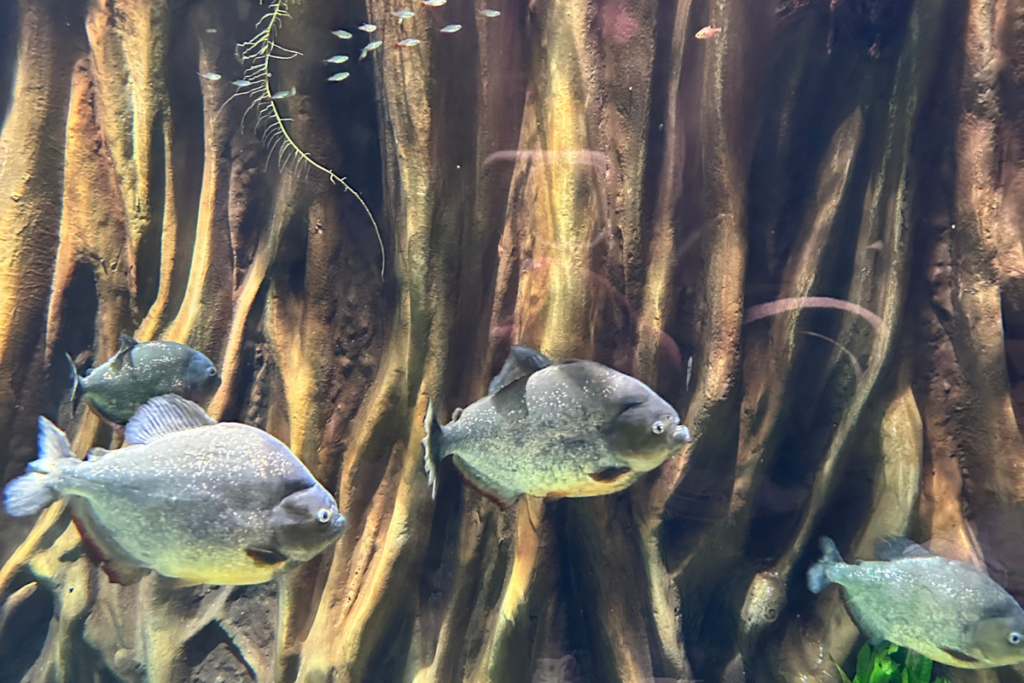
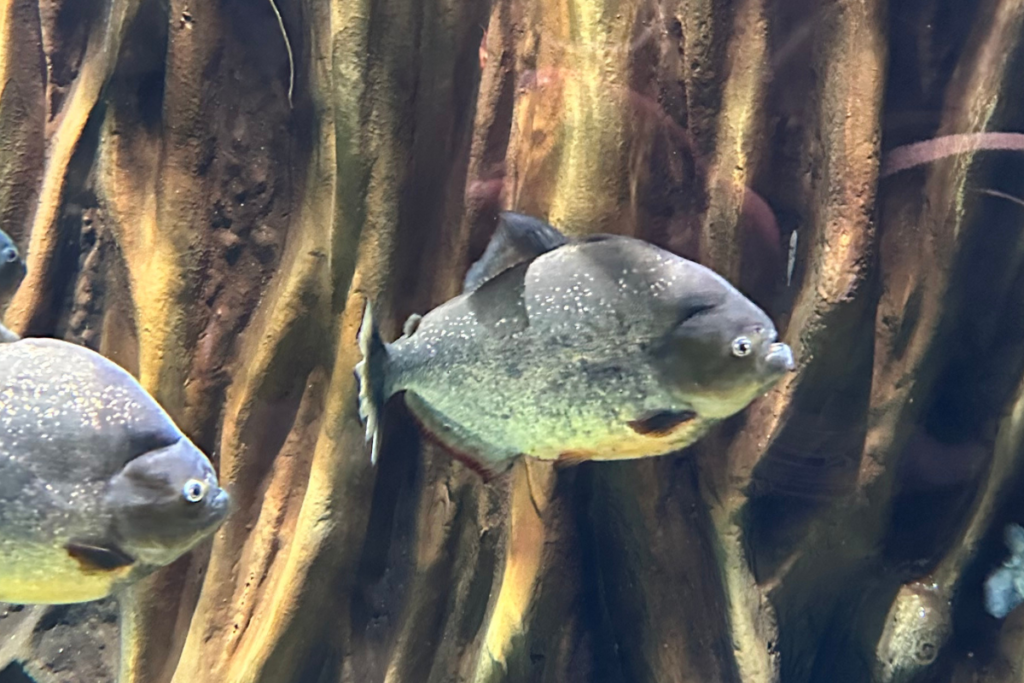
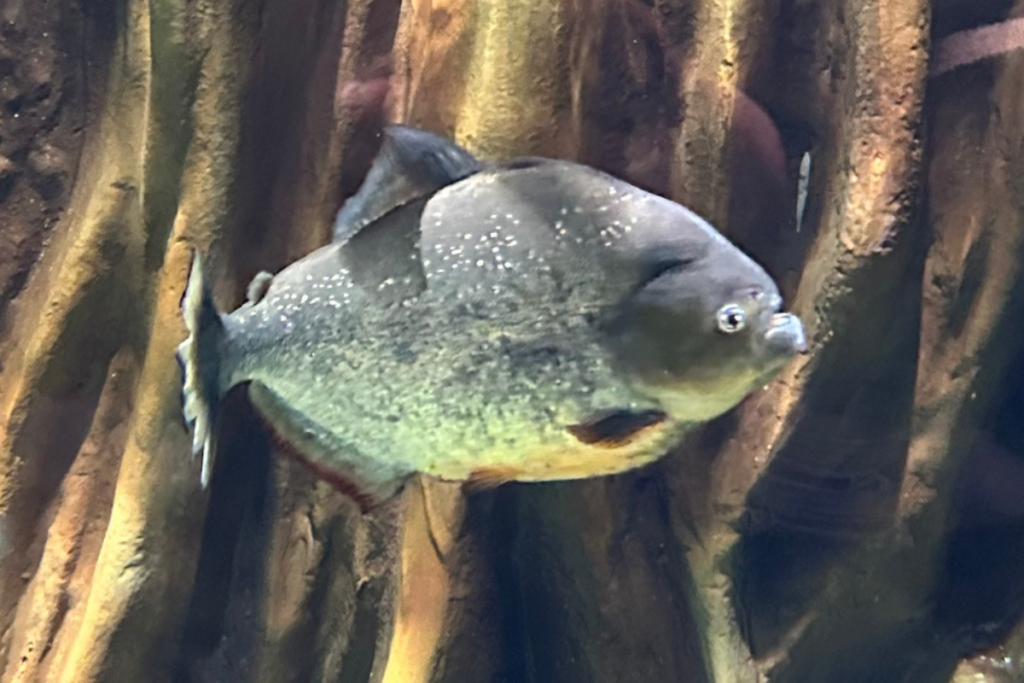
One of the most important adaptations possessed by the red-bellied piranha is its distinctive jaw structure. The head is broad and compact, allowing powerful muscles to attach efficiently around the jaw region. This design provides significant force while maintaining a streamlined profile suitable for aquatic life.
The species’ famous teeth represent another remarkable adaptation. Each tooth is triangular and sharply edged, fitting together with neighboring teeth like pieces of a puzzle. The arrangement resembles a set of precision-cut blades and creates one of the most specialized dental structures found among freshwater fish.
Body shape also contributes to survival. The red-bellied piranha possesses a deep, muscular frame that differs noticeably from the slender forms seen in many other river fish. When viewed from the side, the fish appears almost disc-shaped, similar to a compact dinner plate with a tail attached.
Large eyes provide another important advantage. Positioned to maximize awareness, they help the fish gather information about its surroundings. In river systems where visibility can vary significantly, effective vision contributes to overall environmental awareness.
Coloration serves as a more subtle adaptation. The darker upper body helps reduce visibility from above, while the lighter sides and vibrant lower coloration contribute to the species’ distinctive appearance. Combined with its robust build and specialized dentition, the red-bellied piranha possesses a collection of physical adaptations that have remained effective throughout its evolutionary history.
Red-Bellied Piranha Sensory and Survival Adaptations
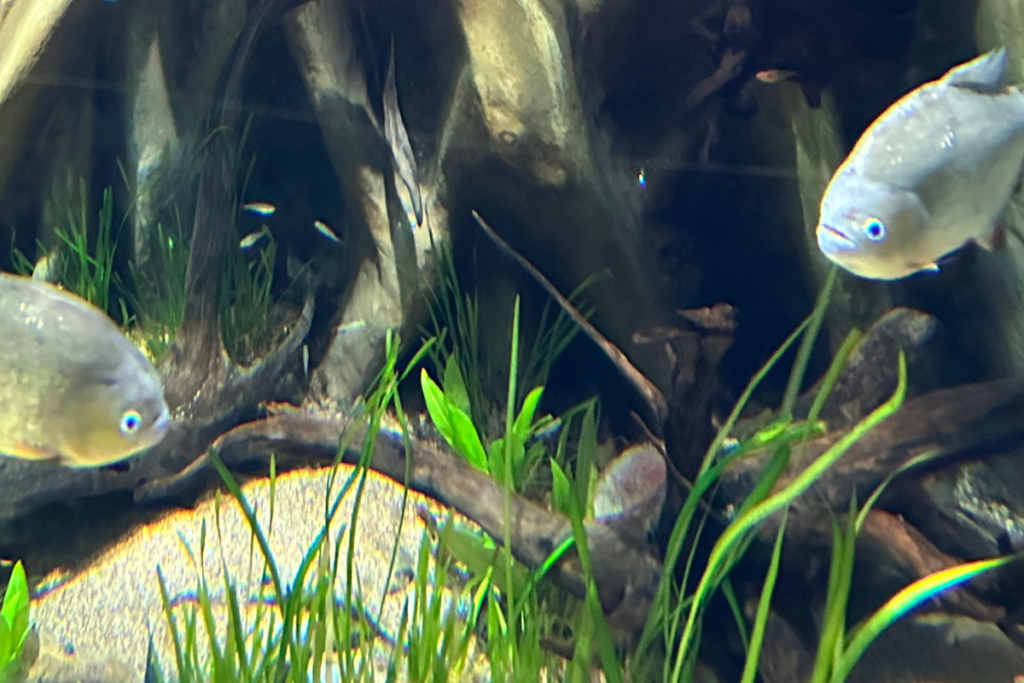
Beyond physical appearance, the red-bellied piranha relies on sensory adaptations that enhance awareness within freshwater environments. River systems often contain suspended sediment, fluctuating water clarity, and dense aquatic vegetation. In these conditions, detecting changes in the surrounding environment becomes extremely important.
One major adaptation involves sensitivity to water vibrations. Like many fish, piranhas possess a lateral line system that detects movement and pressure changes in the water. This biological feature functions almost like an underwater motion detector, allowing the fish to gather information even when visibility is limited.
Hearing and vibration detection work together to provide a detailed picture of nearby activity. Small disturbances, sudden splashes, or the movement of other animals can all produce signals that the fish can interpret. These sensory capabilities contribute significantly to environmental awareness.
Another important adaptation is responsiveness. Red-bellied piranhas can react rapidly when conditions change, allowing them to take advantage of opportunities or avoid danger. This quick reaction capability is similar to the reflexes seen in many highly successful wildlife species across different ecosystems.
The combination of vision, vibration detection, and rapid sensory processing creates a highly effective awareness system. Rather than relying on a single sense, the fish gathers information from multiple sources simultaneously. This layered approach improves survival and helps explain the species’ long-term success throughout South America’s freshwater networks.
Red-Bellied Piranha Adaptations and Ecological Importance
The adaptations of the red-bellied piranha influence more than individual survival. They also shape how the species fits into broader freshwater ecosystems. Physical characteristics, sensory abilities, and defensive traits all contribute to the ecological role the fish occupies within river communities.
Schooling behavior represents one adaptation that provides advantages beyond the individual level. By remaining in groups, fish benefit from collective awareness and improved detection of environmental changes. This strategy can be compared to a neighborhood watch system, where multiple participants contribute to overall vigilance.
Adaptations also help the species remain resilient during environmental fluctuations. Seasonal flooding, changing water levels, and shifts in resource availability are common throughout much of South America. The red-bellied piranha’s combination of flexibility and specialized traits allows it to persist despite these challenges.
Within freshwater food webs, the species serves as an important connection between different ecological levels. Adaptations determine how animals interact with their environment, and the piranha’s evolutionary features help define its place within aquatic communities. These relationships contribute to overall ecosystem stability.
The red-bellied piranha ultimately represents an excellent example of evolutionary refinement. Its powerful jaws, interlocking teeth, muscular body, sensory systems, and social adaptations work together to create a highly successful freshwater fish. Through millions of years of natural selection, these traits have allowed the species to become one of the most recognizable and effective inhabitants of South America’s rivers.
Popular Searches About Red-Bellied Piranha
Explore Red-Bellied Piranha Guide
Explore More Exhibits

Support Encounters World
Help support wildlife photography and get behind the scenes discoveries on Patreon.