Red-Bellied Piranha Facts Guide: 25 Fascinating Facts About This Famous South American Fish
Quick Facts
Native Region: South America
Average Adult Size: 8–14 Inches (20–35 cm)
Average Lifespan: 8–12 Years in the Wild
Global Range: Amazon, Orinoco, and Paraguay-Paraná River Systems
Conservation Status: Least Concern
Most Famous Feature: Razor-Sharp Interlocking Teeth
Red-Bellied Piranha Facts and Species Introduction
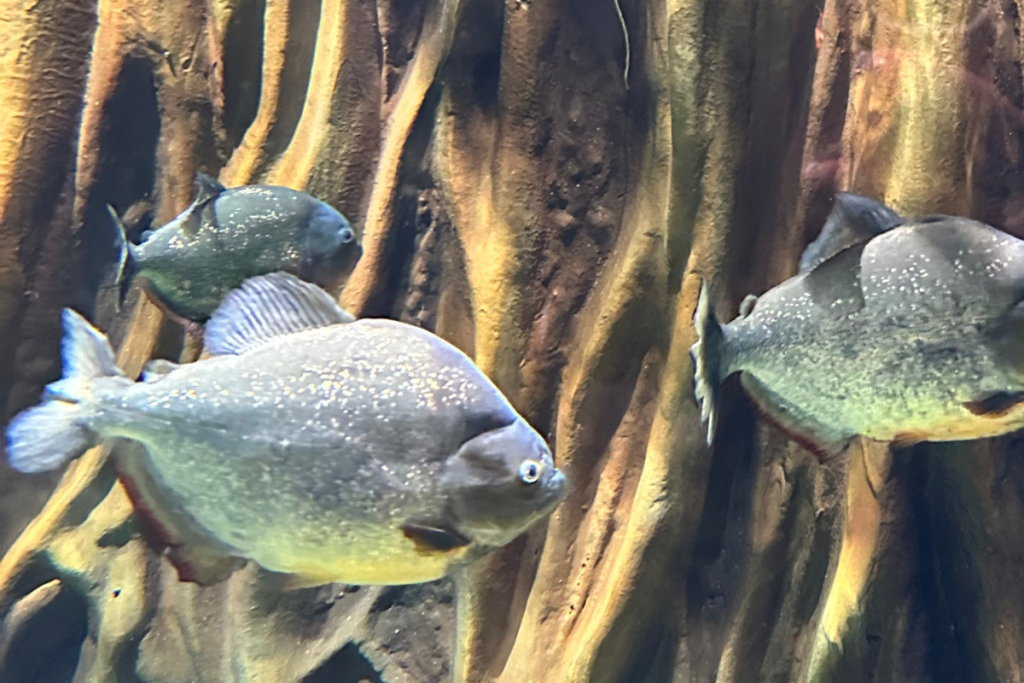
The red-bellied piranha is one of the most recognizable freshwater fish on Earth. Known for its bright reddish underside and powerful jaws, this species has become a symbol of South America’s river systems. Its reputation has spread far beyond its native range, making it one of the most famous fish in popular culture.
Fact #1: The red-bellied piranha belongs to the family Serrasalmidae, which also includes pacu species. Although they share a common ancestry, piranhas and pacu have evolved into distinctly different fish. Fact #2: The scientific name Pygocentrus nattereri honors Austrian naturalist Johann Natterer, who explored South America during the nineteenth century.
Fact #3: This species occurs across multiple major watersheds rather than being restricted to a single river. Fact #4: The red-bellied piranha is considered one of the most widespread piranha species in South America. Its broad distribution has contributed to its ecological success and international recognition.
Fact #5: Despite appearing in countless movies and television programs, much of the public’s perception comes from fictional portrayals rather than real-world observations. Researchers studying wild populations often describe the species as more cautious and complex than its popular image suggests. Understanding the fish begins with recognizing the difference between fact and myth.
Red-Bellied Piranha Appearance and Physical Facts
Fact #6: Adult red-bellied piranhas typically reach between 8 and 14 inches in length. Although larger specimens occasionally occur, most fish remain within this size range. Their compact shape often makes them appear larger than they actually are.
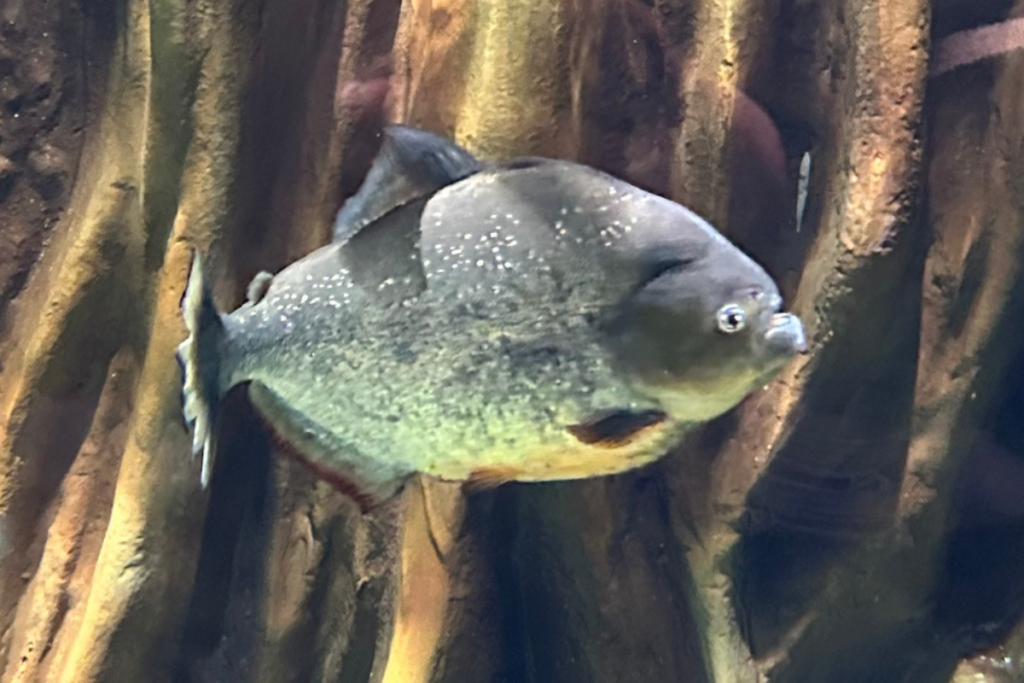
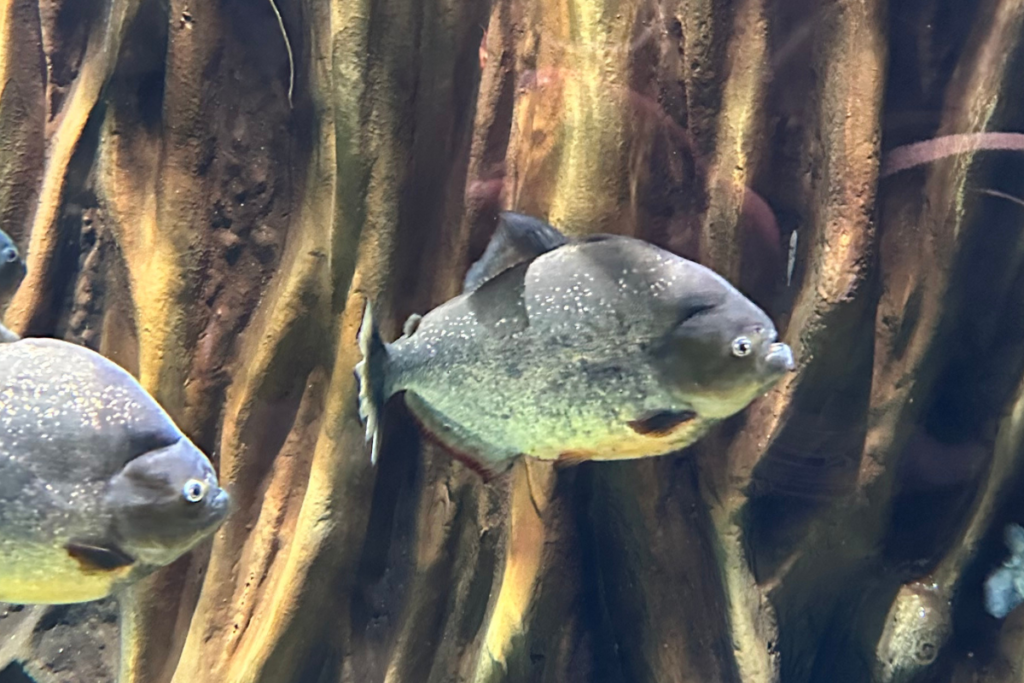
Fact #7: The species is named after the bright orange-to-red coloration found along the belly and lower body. This vivid coloration contrasts sharply with the silver-gray scales covering the upper portions of the fish. Fact #8: Color intensity can vary depending on age, health, and individual genetics.
Fact #9: The body is laterally compressed, meaning it appears tall and narrow when viewed from the front. This shape creates a profile somewhat similar to a dinner plate. Fact #10: Their scales produce metallic reflections that can flash brightly under sunlight or aquarium lighting.
Fact #11: Red-bellied piranhas possess large eyes relative to their head size. Fact #12: The species’ broad forehead and deep body help distinguish it from many other freshwater fish. Combined with the red underside, these features create one of the most recognizable appearances in the aquatic world.
Fact #13: Exceptional individuals may exceed average lengths and develop especially deep body profiles. Larger fish often appear substantially heavier than younger adults. These physical traits contribute to the species’ reputation as one of the most impressive members of the piranha family.
Red-Bellied Piranha Teeth and Unique Characteristics
Fact #14: The red-bellied piranha possesses some of the most specialized teeth found among freshwater fish. Each tooth is triangular and sharply edged, creating a remarkably efficient cutting surface. Their arrangement is unlike the rounded or peg-shaped teeth seen in many other species.
Fact #15: Upper and lower teeth fit together with extraordinary precision. When the mouth closes, the rows interlock almost perfectly. This alignment is often compared to the blades of a pair of scissors.
Fact #16: Unlike humans, piranhas replace teeth throughout their lives. New teeth continuously develop and replace older ones as needed. This ensures the dental structure remains functional despite years of wear.
Fact #17: The species’ teeth have inspired studies in biomechanics and engineering. Scientists have examined their design to better understand efficient cutting mechanisms in nature. Few freshwater fish have attracted similar scientific attention for a single physical feature.
Fact #18: Red-bellied piranhas are frequently confused with pacu because both belong to the same family. However, pacu possess flatter teeth that resemble human molars, while piranhas retain their famous triangular dentition. This distinction is one of the easiest ways to tell the two apart.
Fact #19: Their jaws are supported by strong muscles that contribute to the fish’s overall bite force. Combined with their specialized teeth, this adaptation has helped establish the piranha as one of the most iconic freshwater fish on the planet.
Red-Bellied Piranha Ecosystem Facts and Ecological Importance
Fact #20: Red-bellied piranhas are both predators and prey within South American freshwater ecosystems. Larger animals such as giant otters, caimans, river dolphins, and large catfish may feed on them. This demonstrates that even famous predators remain part of a larger ecological network.
Fact #21: The species contributes to nutrient cycling within rivers and floodplains. Through its interactions with other organisms, it helps move energy through aquatic food webs. Such ecological connections are essential for maintaining healthy freshwater environments.
Fact #22: Juvenile piranhas face significantly more predators than adults. Many young fish never reach maturity because of the intense competition and predation found in tropical waterways. Survival improves considerably as individuals grow larger.
Fact #23: Seasonal flooding plays an important role in the life cycle of the species. Expanding waterways create opportunities for movement, reproduction, and access to new resources. These annual changes help shape entire freshwater communities across South America.
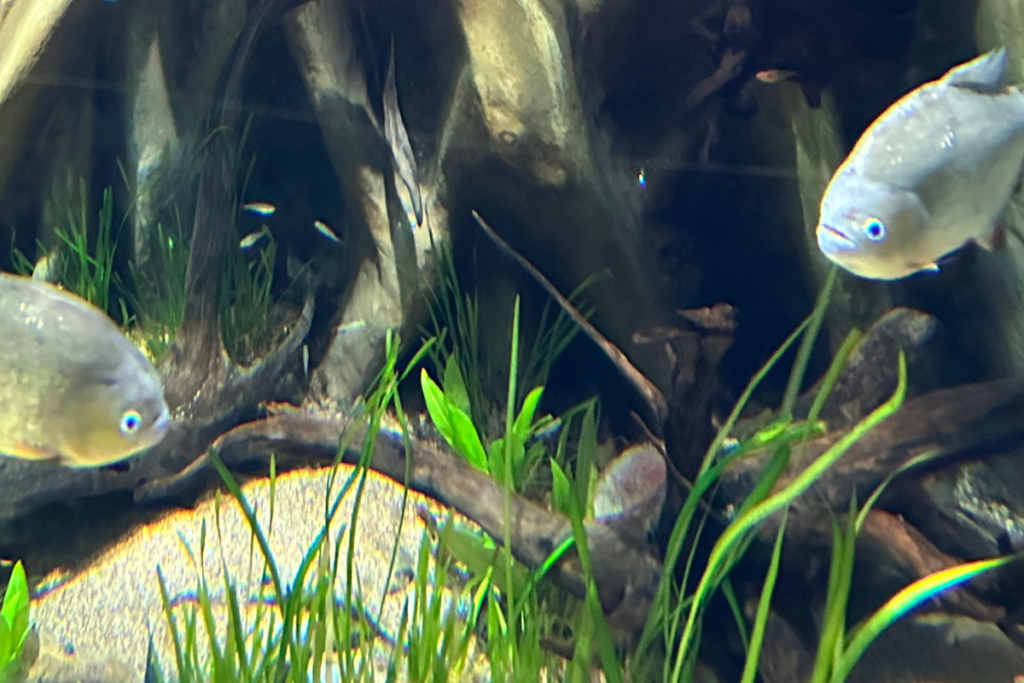
Fact #24: Red-bellied piranhas are frequently displayed in public aquariums around the world. Their appearance and reputation make them popular educational ambassadors for tropical freshwater ecosystems. Millions of people encounter the species through aquarium exhibits every year.
Fact #25: Despite decades of sensationalized stories, the red-bellied piranha remains one of nature’s most misunderstood fish. It is neither a mindless attacker nor a harmless curiosity. Instead, it is a highly adapted freshwater species that plays an important role within some of the most biodiverse river systems on Earth. Through its unique appearance, remarkable teeth, and ecological significance, the red-bellied piranha continues to fascinate scientists, wildlife enthusiasts, and aquarium visitors around the world.
Popular Searches About Red-Bellied Piranha
Explore Red-Bellied Piranha Guide
Explore More Exhibits

Support Encounters World
Help support wildlife photography and get behind the scenes discoveries on Patreon.