
White-Tailed Deer Scapula Function Guide: Purpose, Movement, and Shoulder Support

Quick Facts
Bone Type: Scapula (Shoulder Blade)
Likely Animal: White-Tailed Deer
Common Name: White-Tailed Deer Scapula
Scientific Name: Odocoileus virginianus
Primary Function: Front Limb Support and Movement Coordination
Body Region: Shoulder and Front Limb
Joint Connection: Glenoid Cavity to Humerus
Muscle Attachment: Extensive and Powerful
Mobility Role: Flexible Movement Platform
White-Tailed Deer Scapula Function and Purpose Guide
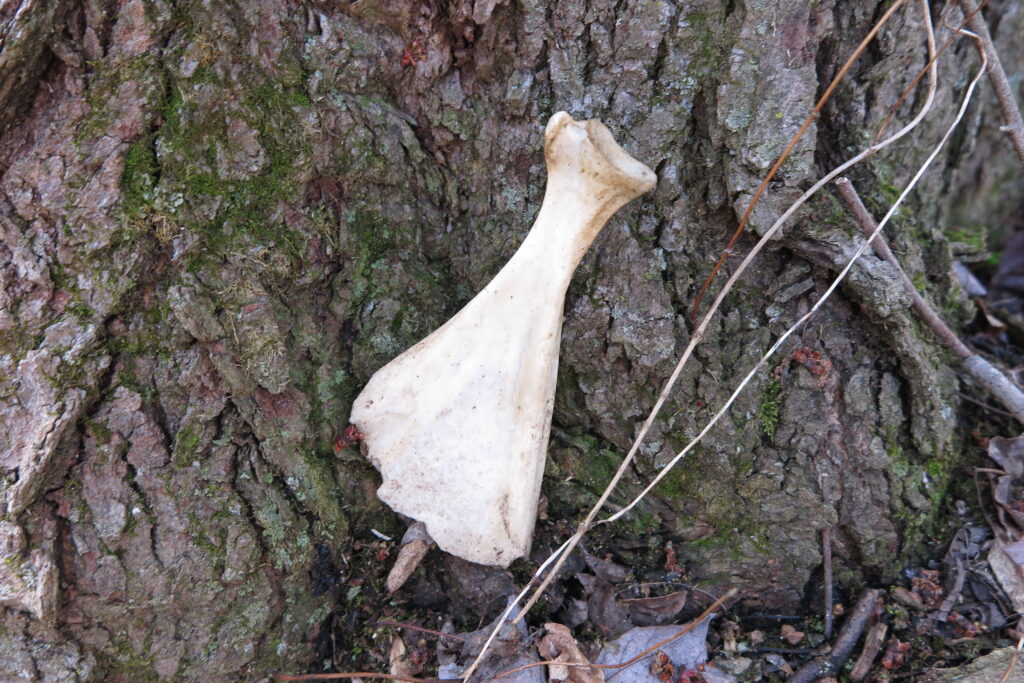
The white-tailed deer scapula serves as the primary shoulder blade within the front portion of the skeleton. Positioned between the body and upper front leg, it forms one of the most important components of the shoulder region. Although often discovered as an isolated bone, the scapula originally functioned as part of a highly coordinated movement system.
White-tailed deer occupy habitats ranging from dense forests and wetlands to agricultural fields and suburban landscapes. Survival within these varied environments depends heavily on mobility, balance, and rapid directional changes. The scapula contributes directly to these abilities by helping connect the front limbs to the body.
Unlike bones designed mainly for protection, the scapula is closely associated with movement. Its broad shape provides a foundation for muscles and connective tissues that influence nearly every motion performed by the front limbs. As a result, the shoulder blade plays a role in activities ranging from slow walking to explosive running.
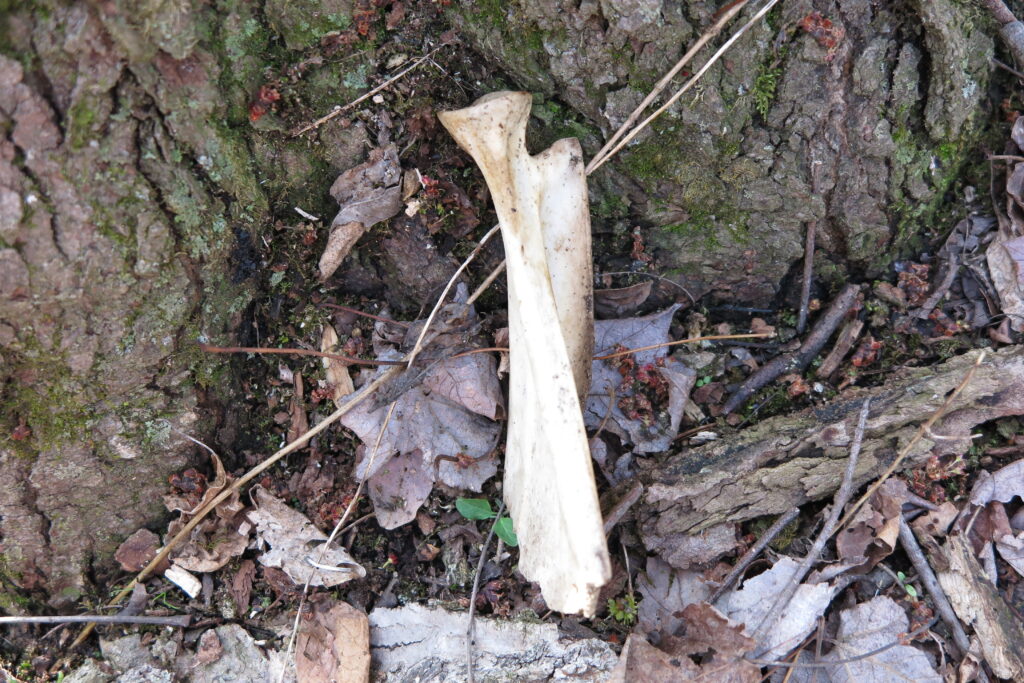
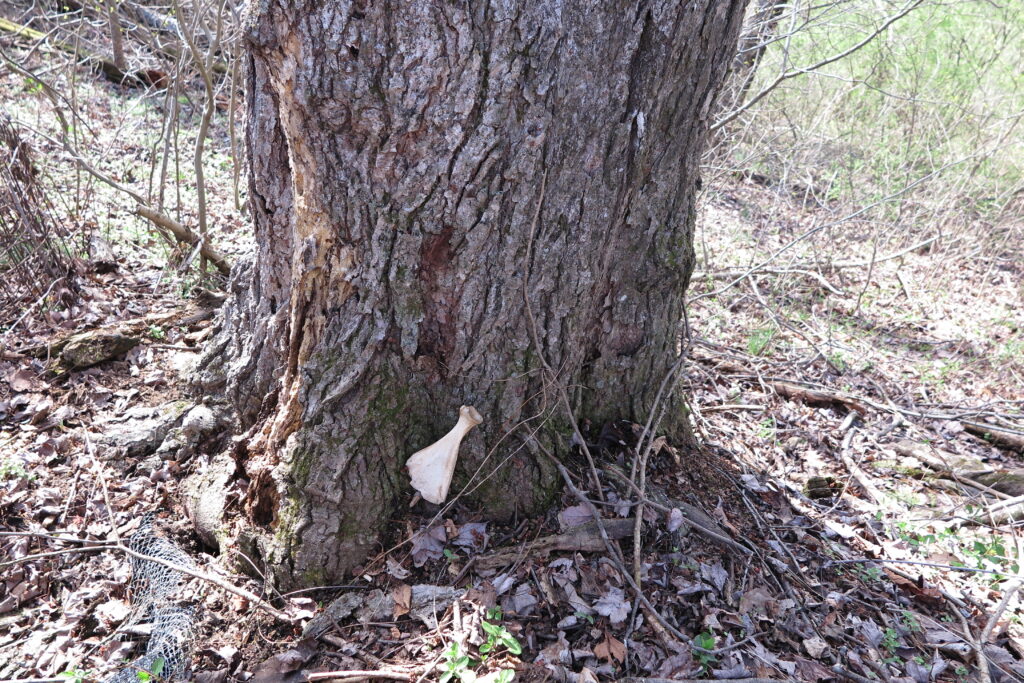
Even when viewed as a weathered fragment, the scapula represents a structure that once supported thousands of daily movements. Understanding its purpose helps explain why this broad bone became such an important part of the white-tailed deer’s anatomy.
White-Tailed Deer Scapula Role Within the Shoulder System
The scapula functions as the central support structure of the shoulder assembly. Rather than acting independently, it works alongside muscles, tendons, ligaments, and neighboring bones to create a flexible and efficient movement platform. This coordination allows the front limbs to operate smoothly under constantly changing conditions.
One of the scapula’s most important responsibilities is serving as an attachment site for numerous muscles. Large muscle groups from the neck, chest, and upper limb connect to the shoulder blade, creating a network capable of producing significant force. These attachments allow movement to occur without requiring an excessively heavy skeleton.
The scapula also provides a stable location for the shoulder joint. At one end of the bone lies the glenoid cavity, the socket that receives the humerus. This connection forms the primary articulation between the body and front leg.
Unlike rigid skeletal connections found elsewhere in the body, the shoulder region relies heavily on soft tissues for support. The scapula serves as a foundation around which these tissues operate. This arrangement increases flexibility while maintaining stability.
The shoulder blade contributes to balance as well. Every time a deer shifts weight, changes direction, or adjusts its posture, forces travel through the shoulder region. The scapula helps manage these forces by distributing them across a broad surface area.
Its location alongside the chest also allows the front limbs to move independently when necessary. This capability improves maneuverability while navigating uneven terrain, dense vegetation, or obstacles. Such flexibility is especially valuable in natural environments where conditions change constantly.
Compared to a simple hinge, the shoulder system functions as a highly adaptable movement network. The scapula acts as one of its central structural components. Without it, coordinated front-limb movement would be significantly reduced.
Viewed within the larger skeleton, the scapula serves as a bridge between the body and front limb. This role makes it one of the most important bones involved in overall locomotion.
White-Tailed Deer Scapula Muscle Attachment and Support Functions
The broad surface of the scapula provides extensive space for muscle attachment. Numerous muscles responsible for moving the shoulder, upper leg, neck, and chest connect directly to the bone. These attachment sites transform the scapula into a major anchor point within the musculoskeletal system.
Large muscles originating along the shoulder blade help pull the front leg forward during walking and running. Other muscles stabilize the limb and maintain proper alignment during movement. Together, these muscle groups create a balanced and efficient system capable of supporting a wide range of activities.
A useful comparison is to think of the scapula as a mounting plate within a mechanical structure. The plate itself does not generate movement, but it provides the secure attachment points required for moving components to function effectively. The shoulder blade performs a similar role within the body.
The bone also assists in supporting the weight of the front portion of the animal. Although not the sole weight-bearing structure, it contributes to the transfer of forces generated during standing and movement. This responsibility becomes especially important during periods of prolonged activity.
When a deer lowers its head to feed, rises from a resting position, or climbs a slope, muscles attached to the scapula remain active. These muscles continuously adjust tension to maintain posture and control movement. The shoulder blade provides the stable framework needed for these adjustments.
The attachment surfaces are distributed across multiple regions of the bone rather than concentrated in a single location. This arrangement allows forces to be spread more evenly, reducing stress on individual structures. Such distribution contributes to long-term durability.
The scapula also helps coordinate movement between the front limb and upper body. By serving as a common attachment site for multiple muscle groups, it allows different regions of the body to work together efficiently. This coordination is essential for smooth locomotion.
Without the extensive muscle attachments provided by the scapula, the front limbs would lose much of their strength, control, and precision. The bone’s role as a muscular foundation is therefore one of its most significant functions.
White-Tailed Deer Scapula Movement and Biomechanical Performance
The scapula experiences constant mechanical stress during daily activity. Each step generates forces that travel from the ground through the front limb and into the shoulder region. The shoulder blade helps manage these forces while maintaining efficient movement.
When a deer walks, the scapula participates in a repeating cycle of loading and unloading. Weight transfers through the shoulder as the foot contacts the ground, then shifts again as the stride continues. This process occurs continuously throughout the animal’s life.
Running places even greater demands on the shoulder blade. Powerful muscle contractions pull against the scapula while impact forces travel upward from the legs. The bone must remain stable enough to support these stresses while allowing the flexibility required for rapid movement.
A useful real-world comparison is a suspension system in a vehicle. Just as suspension components absorb and redirect forces generated by motion, the shoulder region helps manage the stresses associated with locomotion. The scapula forms a critical part of this system.
The shoulder blade also contributes to stride length. Because the scapula can move relative to surrounding structures, it increases the range of motion available to the front limb. This flexibility helps create the long, efficient strides characteristic of deer.
Jumping introduces another level of biomechanical demand. During takeoff, muscles attached to the scapula generate force that helps propel the animal forward and upward. Upon landing, the shoulder region assists in absorbing impact and stabilizing the body.
Rapid changes in direction place additional stress on the scapula. A deer fleeing danger may pivot suddenly while maintaining speed. The shoulder blade supports these movements by providing a stable yet adaptable platform for muscle activity.
The combination of flexibility, force distribution, impact management, and movement coordination makes the scapula one of the most important biomechanical structures in the deer skeleton. Its design allows white-tailed deer to move efficiently across a wide variety of environments while maintaining the speed and agility for which the species is known.
Popular Searches About Deer Scapula
Explore Deer Scapula Guide
Explore More Bones

Support Encounters World
Help support wildlife photography and get behind the scenes discoveries on Patreon.