
Calligrapher Fly Identification Guide: How to Identify Toxomerus Hoverflies
Quick Facts
Scientific Name: Toxomerus sp.
Common Name: Calligrapher Fly
Identification Difficulty: Easy to Moderate
Average Size: 0.2–0.5 inches (5–13 mm)
Key Identification Features: Yellow-and-black abdominal markings, large eyes, single pair of wings
Similar Species: Yellowjackets, small wasps, other hoverflies
Global Range: North America, Central America, and South America
Conservation Status: Not Evaluated
How to Identify a Calligrapher Fly in the Field
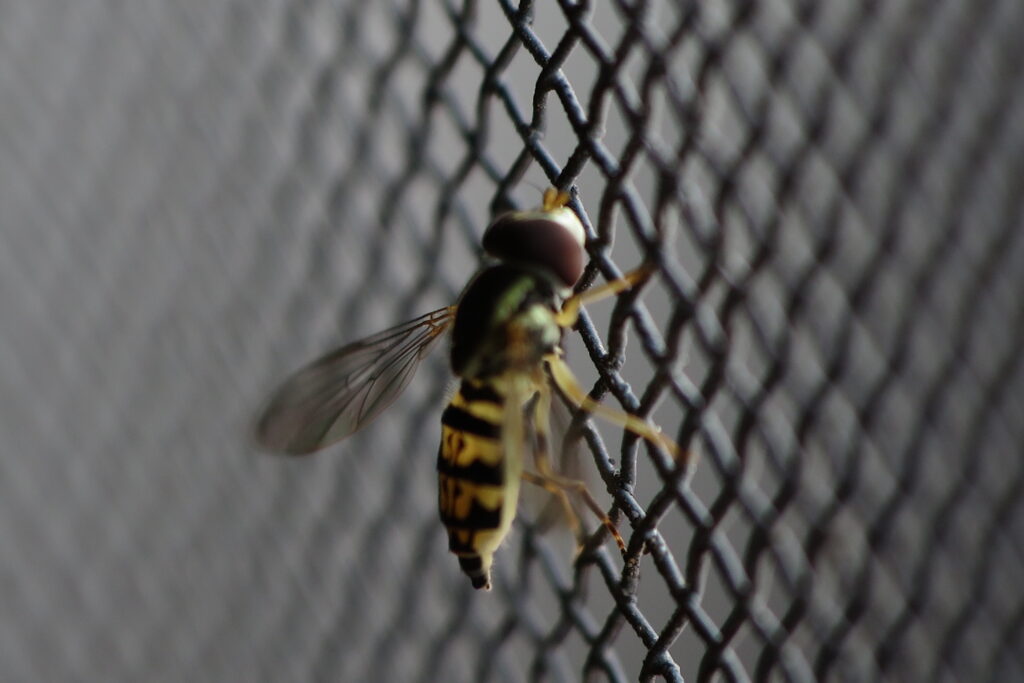
The calligrapher fly (Toxomerus sp.) is a small hoverfly that is frequently mistaken for a wasp due to its bright yellow-and-black coloration. Despite this resemblance, it belongs to the fly family Syrphidae and lacks the stinger associated with wasps and yellowjackets. Correct identification begins by understanding the features that separate it from other insects with similar markings.
Species within the Toxomerus genus occur throughout much of the Americas, making them common observations in many regions. People often encounter them while photographing insects, exploring gardens, or examining flowering vegetation. Because they are widespread and relatively visible, they are among the hoverflies most frequently misidentified by beginners.
At first glance, a calligrapher fly appears compact and neatly patterned. Its body is slender compared to many bees, yet it carries striking markings that immediately draw attention. These patterns are often the first clue that an observer has encountered a member of the genus.
Identification becomes easier when several features are viewed together rather than individually. Body shape, eye size, wing count, and abdominal markings all contribute to a reliable identification. Looking at a single trait may lead to confusion, but examining the overall appearance provides a much clearer answer.
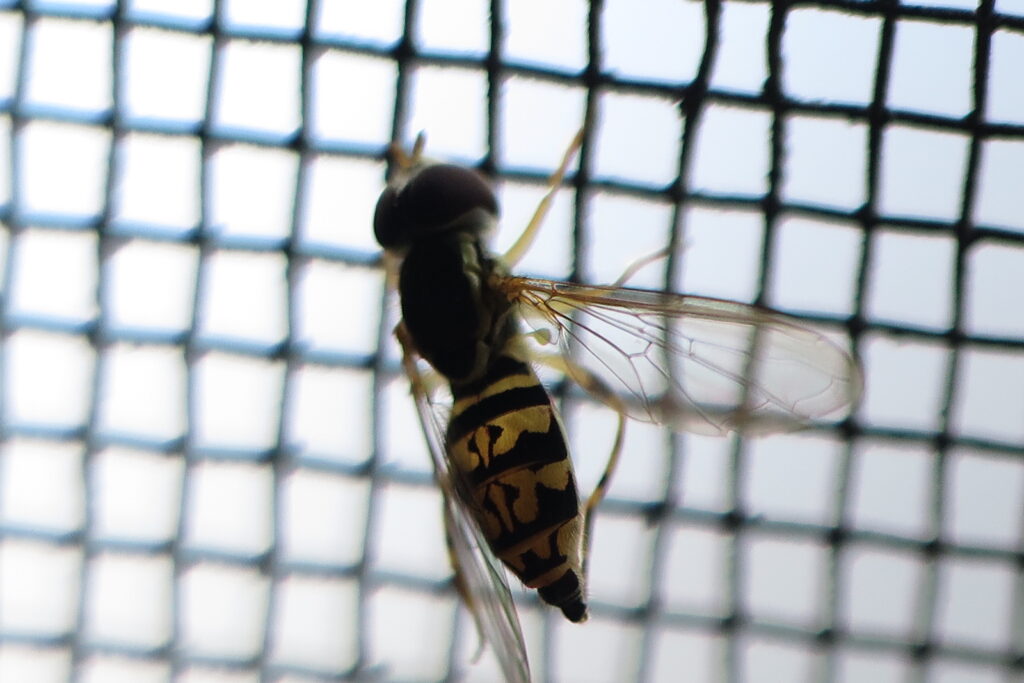
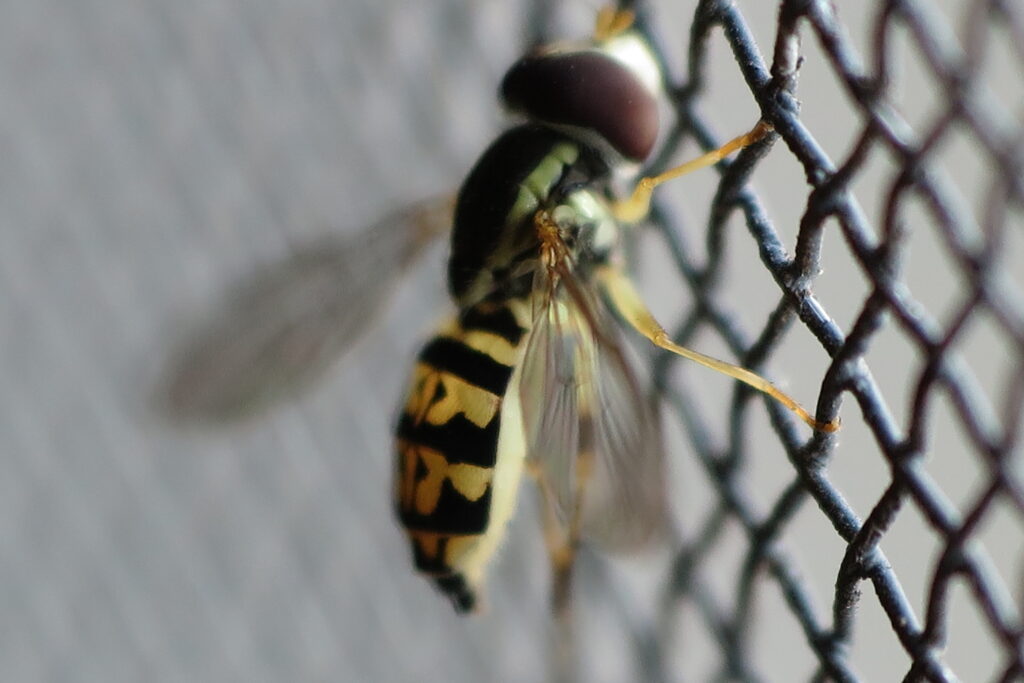
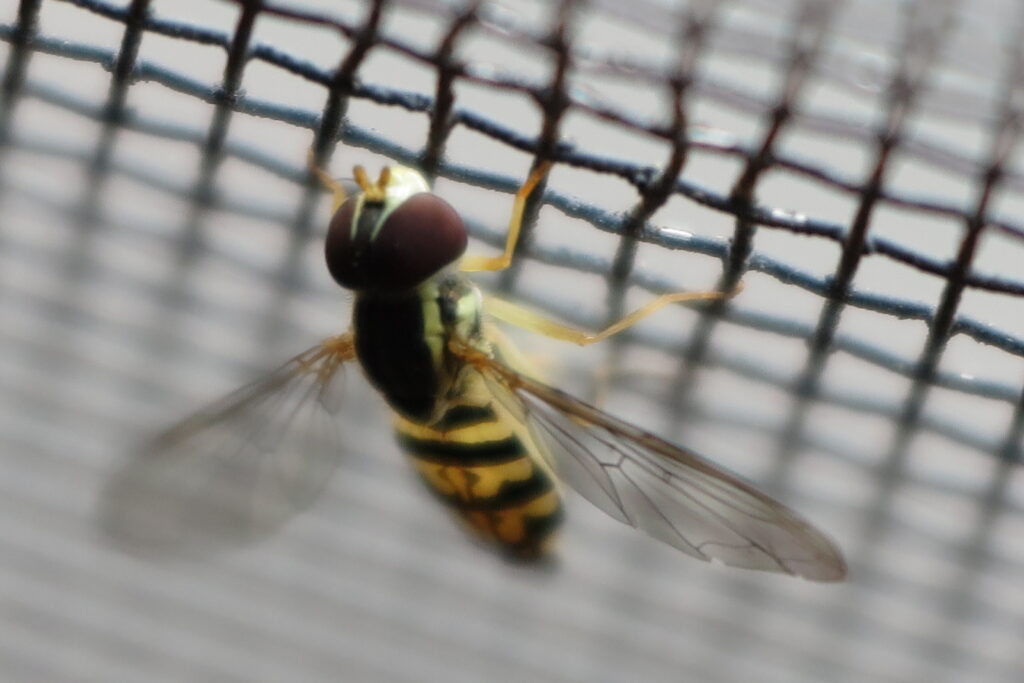
The best approach is to observe the insect from multiple angles when possible. Side views reveal body proportions, while top views often highlight the decorative markings on the abdomen. Combining these perspectives helps distinguish calligrapher flies from other striped insects that share the same environment.
For wildlife enthusiasts and photographers, the calligrapher fly is an excellent species to learn. Its recognizable appearance and broad distribution make it a useful introduction to hoverfly identification. Once its key features are understood, it becomes far easier to recognize in future observations.
Calligrapher Fly Appearance and Visible Identification Markings
One of the most distinctive features of a calligrapher fly is the pattern found on its abdomen. Rather than displaying simple bands, many individuals possess curved yellow markings that resemble brush strokes, handwritten symbols, or decorative calligraphy. These unique markings inspired the common name and often serve as the quickest identification clue.
The body is relatively small, with most individuals measuring less than half an inch in length. To many observers, the insect appears similar in size to a grain of rice or a small paperclip segment. Although tiny, its contrasting colors make it surprisingly noticeable against green vegetation.
Coloration usually consists of yellow markings on a black or dark brown background. Some individuals display bright, sharply defined patterns, while others exhibit softer cream-colored markings. These variations occur across species, but the overall appearance remains consistent throughout the genus.
The head is dominated by large compound eyes that occupy a substantial portion of the face. Depending on lighting conditions, the eyes may appear dark brown, reddish, or nearly black. Their size creates a distinctive look that differs noticeably from many bees and wasps.
Transparent wings extend from the thorax and are often held neatly along the body when at rest. Unlike bees and wasps, which possess two pairs of wings, calligrapher flies have only one visible pair. This characteristic is among the most reliable identification features available.
Viewed as a whole, the insect appears sleek, compact, and carefully patterned. The combination of decorative abdominal markings, oversized eyes, and contrasting coloration creates a unique appearance that is difficult to confuse once properly recognized.
Key Identification Features That Separate Calligrapher Flies
The most important feature for identifying a calligrapher fly is the presence of only one pair of wings. This trait immediately places it within the true flies rather than among bees or wasps. Even when coloration suggests a wasp-like insect, wing count often reveals its actual identity.
Another useful feature is the shape of the head and eyes. Calligrapher flies possess large, rounded eyes that dominate the face. In comparison, yellowjackets and many small wasps typically display proportionally smaller eyes and a more angular facial structure.
The abdominal markings are also highly distinctive. While yellowjackets generally exhibit bold bands or stripes, calligrapher flies often display looping, broken, or irregular yellow patterns. These markings resemble artistic pen strokes rather than simple warning bands.
Body proportions provide additional clues. A calligrapher fly usually appears slimmer and more streamlined than many bees. Its body lacks the dense hair covering commonly associated with pollinating bees, giving it a smoother overall appearance.
The antennae are relatively short compared to those of many wasps. Observers examining close-up photographs often notice that the antennae are less prominent than expected for a stinging insect. This subtle feature can help confirm an identification when combined with other characteristics.
When multiple identification traits are evaluated together, confidence increases significantly. Large eyes, short antennae, decorative abdominal markings, and a single pair of wings form a reliable combination of characteristics. These features consistently separate calligrapher flies from most lookalike species.
Calligrapher Fly vs Yellowjackets, Wasps, and Similar Hoverflies
Yellowjackets are among the insects most commonly confused with calligrapher flies. Both display black-and-yellow coloration, but the similarities are largely superficial. Yellowjackets possess a more robust body shape, longer antennae, and two pairs of wings rather than one.
Small paper wasps may also create confusion for inexperienced observers. These wasps typically have a narrower waist and longer legs that often hang beneath the body during flight. Calligrapher flies lack the pronounced wasp waist and generally appear more compact.
Other hoverflies can present a greater identification challenge. Many hoverfly species use similar yellow-and-black patterns as protective mimicry. In these situations, the specific arrangement of abdominal markings becomes one of the most useful distinguishing characteristics.
A useful comparison is to think of a yellowjacket as wearing broad painted stripes, while a calligrapher fly appears decorated with handwritten ink strokes. The yellowjacket’s pattern tends to be bold and simple, whereas the calligrapher fly often displays more intricate and artistic designs.
Photographs frequently provide the best opportunity for comparison. Zooming in on the abdomen, eyes, and wing structure often reveals differences that are difficult to notice in the field. Careful examination of these details can quickly resolve many identification questions.
Learning to distinguish calligrapher flies from similar insects becomes easier with practice. Once observers become familiar with the large eyes, single pair of wings, and distinctive abdominal markings, they can identify most Toxomerus species with confidence. These characteristics make the genus one of the most recognizable groups of hoverflies in the Americas.
Popular Searches About Calligrapher Flies
Explore Calligrapher Fly Guide
Explore More Wildlife

Support Encounters World
Help support wildlife photography and get behind the scenes discoveries on Patreon.