
Do Calligrapher Flies Sting? Safety, Defense, and Human Interaction Guide
Quick Facts
Can It Sting?: No
Can It Bite?: Rarely and harmlessly if handled
Danger Level: Harmless to humans
Defense Method: Wasp mimicry and escape flight
Similar Species: Yellowjackets, paper wasps, and other hoverflies
Understanding Whether Calligrapher Flies Sting
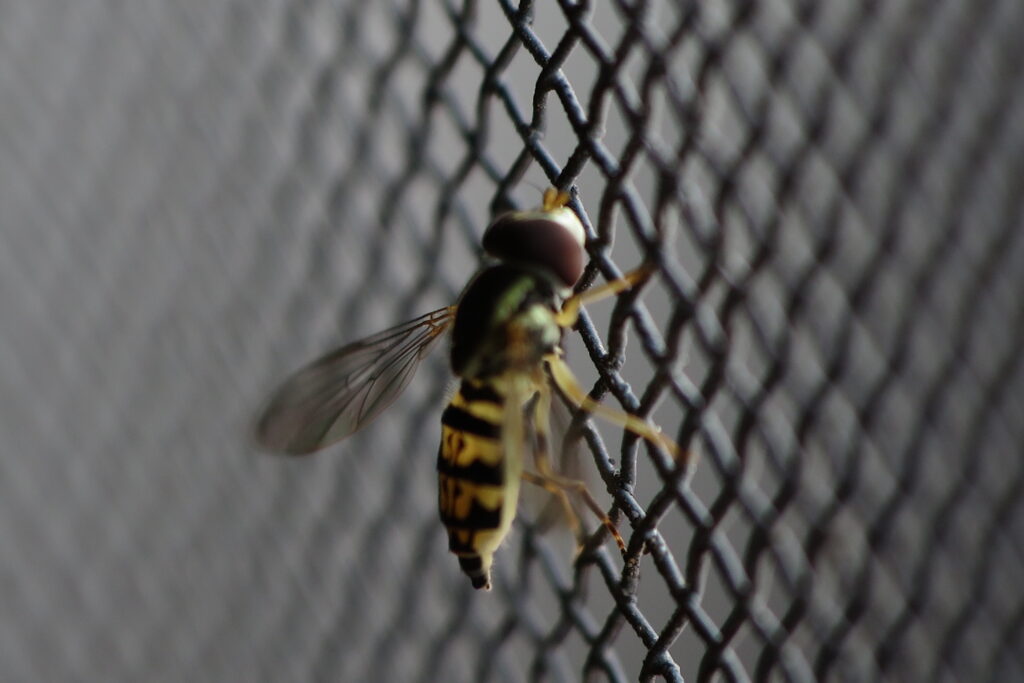
The calligrapher fly (Toxomerus sp.) is a small hoverfly commonly mistaken for a stinging insect. Its bright yellow-and-black markings closely resemble those of yellowjackets and small wasps, leading many people to assume it can deliver a painful sting. This confusion is understandable because the insect has evolved an appearance that looks remarkably similar to species known for defending themselves aggressively.
Despite its appearance, a calligrapher fly does not possess a stinger. It belongs to the fly family Syrphidae rather than the wasp family, meaning it lacks the physical structures required to sting. While it may look intimidating at first glance, it is incapable of delivering the painful defensive stings associated with yellowjackets, hornets, or paper wasps.
Many first-time observers become concerned when a calligrapher fly hovers nearby. Its flight style and coloration can create the impression that a stinging insect is investigating the area. In reality, the fly poses virtually no threat and is simply behaving like a typical hoverfly.
The resemblance to dangerous insects is one of the reasons calligrapher flies are so successful. Predators that have learned to avoid yellow-and-black insects may hesitate before attacking. This hesitation provides valuable protection even though the fly itself lacks a sting.
People often discover the truth only after observing the insect more closely. Unlike aggressive social wasps, calligrapher flies rarely show any interest in confronting humans. Most encounters end with the insect flying away long before physical contact occurs.
For homeowners, gardeners, and wildlife enthusiasts, this is good news. A calligrapher fly can be safely observed, photographed, and appreciated without concern about stings. Understanding this fact is often the first step toward correctly identifying the species.
Why Calligrapher Flies Look Like Stinging Insects
One of the most fascinating features of the calligrapher fly is its resemblance to wasps and yellowjackets. The bright yellow markings contrasted against a dark body create a warning pattern commonly associated with insects capable of defending themselves. This visual similarity is so convincing that many predators and people are fooled.
Scientists refer to this strategy as mimicry. Instead of developing a real sting, the fly benefits from looking like something that already has one. It is similar to placing a realistic security camera outside a building—even if the camera is fake, it may still discourage unwanted attention.
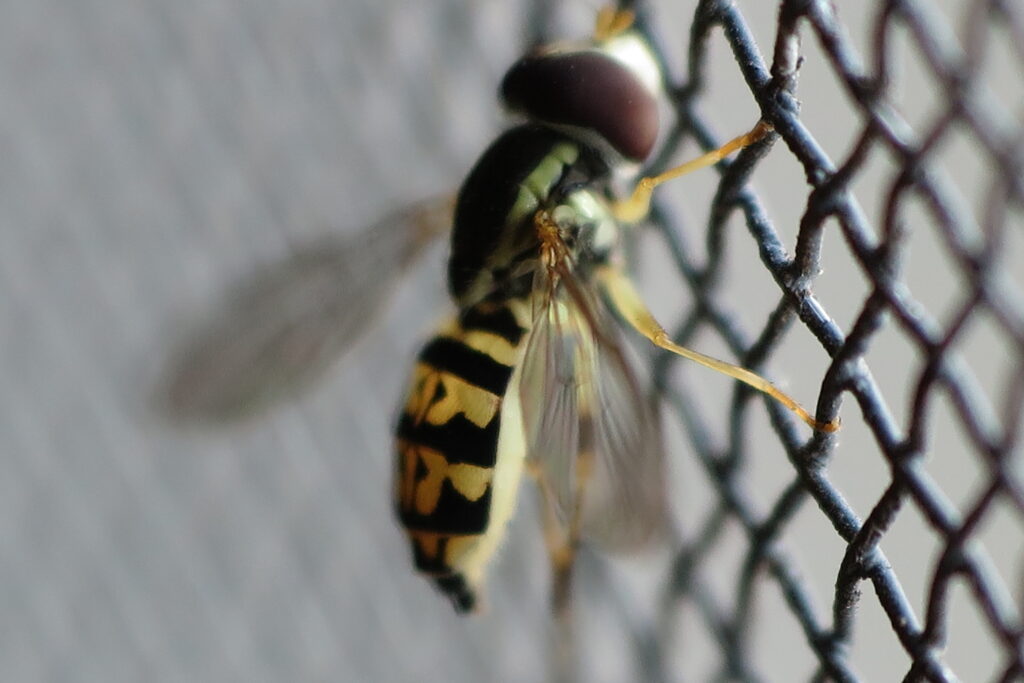
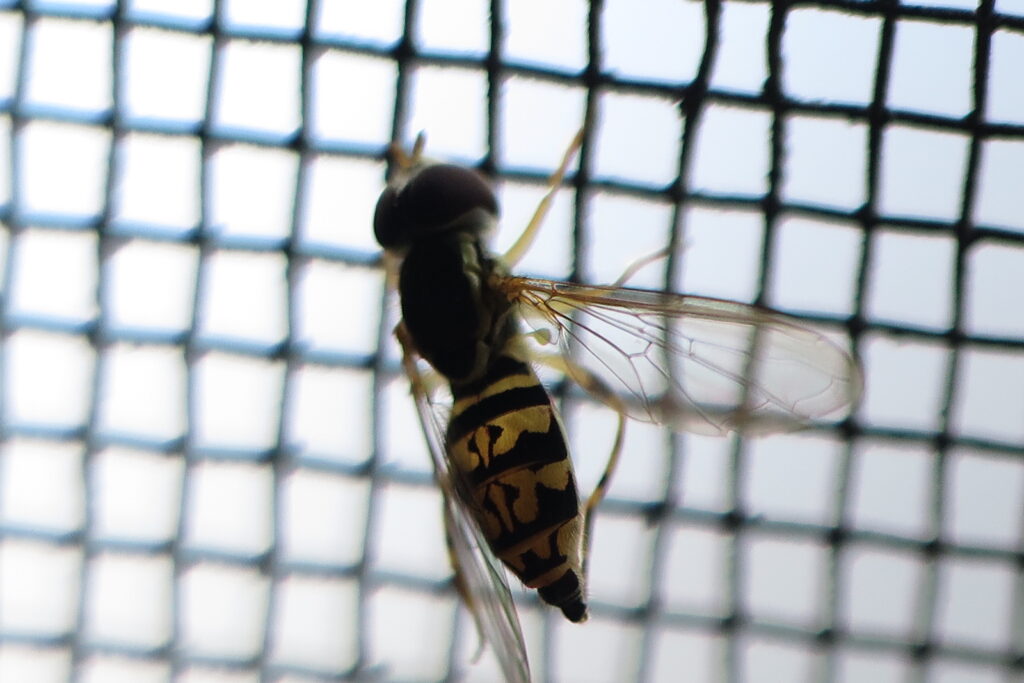
The abdominal markings play a major role in this illusion. Many calligrapher flies display bold yellow designs that resemble the warning bands found on social wasps. From a distance, these markings are often enough to convince an observer that they are looking at a potentially dangerous insect.
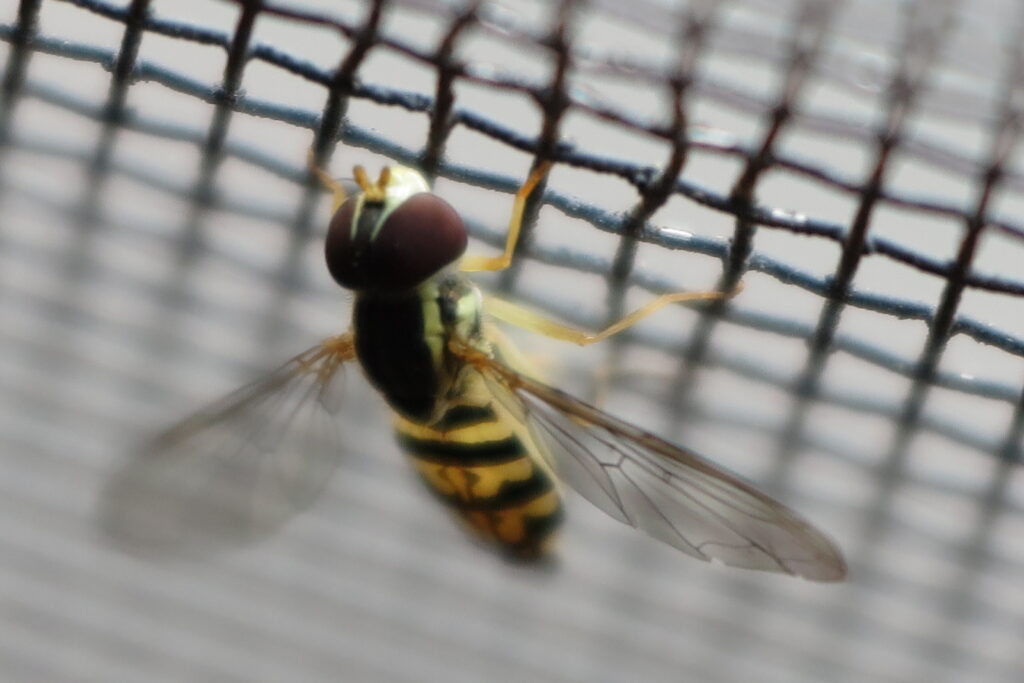
Body shape also contributes to the effect. The slender form and contrasting coloration reinforce the visual impression of a small wasp. Although close inspection reveals important differences, predators often make decisions quickly and may not examine details carefully.
This resemblance is especially effective because many birds and other predators have learned to associate yellow-and-black insects with unpleasant experiences. Avoiding those colors becomes a survival strategy. The calligrapher fly benefits from this learned avoidance without investing energy in developing actual defensive weapons.
As a result, one of the most common identification mistakes involves assuming that a calligrapher fly can sting simply because it looks like it should. The mimicry is so effective that it continues to fool observers throughout much of the Americas.
Can Calligrapher Flies Bite or Harm Humans?
Although calligrapher flies cannot sting, some people wonder whether they can bite. In normal situations, the answer is essentially no. These insects have mouthparts designed for feeding rather than biting skin or causing injury.
Unlike mosquitoes, horse flies, or certain other insects that actively interact with people, calligrapher flies show little interest in human contact. They typically spend their time around vegetation and flowers rather than around people. Most individuals will leave the area if approached too closely.
In rare circumstances, a trapped or handled insect may attempt a harmless defensive response. Even if this occurs, it is generally insignificant and incapable of causing meaningful injury. Most people would barely notice such contact, if they notice it at all.
The lack of dangerous mouthparts means there is no venom involved. There are no reports of calligrapher flies causing medically significant injuries through biting or stinging. Their reputation as harmless insects is well deserved.
Compared to yellowjackets, the difference is dramatic. A yellowjacket may aggressively defend a nest and deliver multiple painful stings. A calligrapher fly lacks both the motivation and physical ability to do so.
For photographers and nature observers, this makes the species particularly enjoyable to study. Individuals can often be approached closely for photographs without triggering aggressive behavior. Their harmless nature allows people to focus on observing the insect rather than avoiding it.
Calligrapher Fly Defense Strategies and Survival Tactics
Since calligrapher flies cannot sting, they rely on alternative methods to survive. Their most important defense is visual deception. By resembling stinging insects, they convince many predators that attacking them may be risky.
Rapid flight serves as another effective survival tool. When threatened, a calligrapher fly can quickly leave the area before danger gets too close. This ability allows it to avoid many threats without engaging in direct confrontation.
Hovering behavior can also contribute to survival. Remaining suspended in the air allows the insect to monitor its surroundings and react quickly if conditions change. This constant awareness helps reduce the chances of being caught off guard.
Another advantage comes from unpredictability. A calligrapher fly may suddenly change direction, accelerate, or disappear into nearby vegetation. These rapid movements can make it difficult for predators to track and capture the insect successfully.
A good example of this strategy occurs when a person attempts to touch one. Rather than standing its ground like a defensive wasp, the fly usually departs immediately. Escape is almost always preferred over confrontation.
Together, mimicry, awareness, and rapid flight create an effective defense system. While the calligrapher fly lacks a sting, it compensates through clever survival strategies that allow it to thrive across a broad geographic range. Understanding these defenses helps explain why such a harmless insect can so successfully resemble species that people often fear.
Popular Searches About Calligrapher Flies
Explore Calligrapher Fly Guide
Explore More Wildlife

Support Encounters World
Help support wildlife photography and get behind the scenes discoveries on Patreon.