
Calligrapher Fly Distribution Guide: Range, Geographic Locations, and Global Presence
Quick Facts
Primary Range: North, Central, and South America
Northern Limit: Southern Canada
Southern Limit: South America
Habitat Availability: Widespread in suitable environments
Distribution Type: Broad and adaptable
Understanding the Global Distribution of Calligrapher Flies
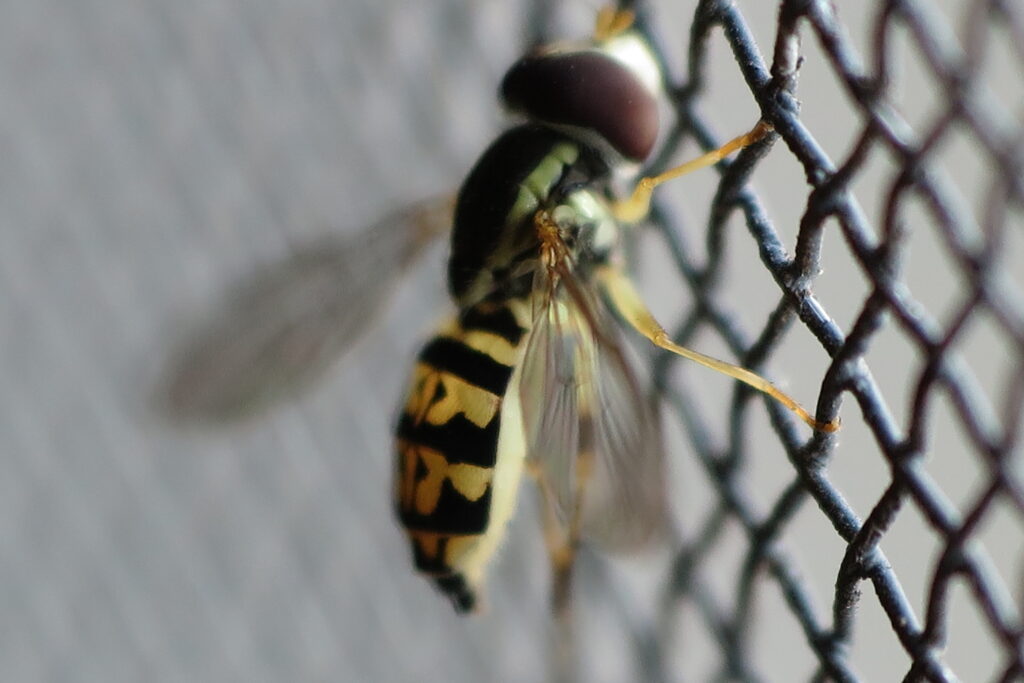
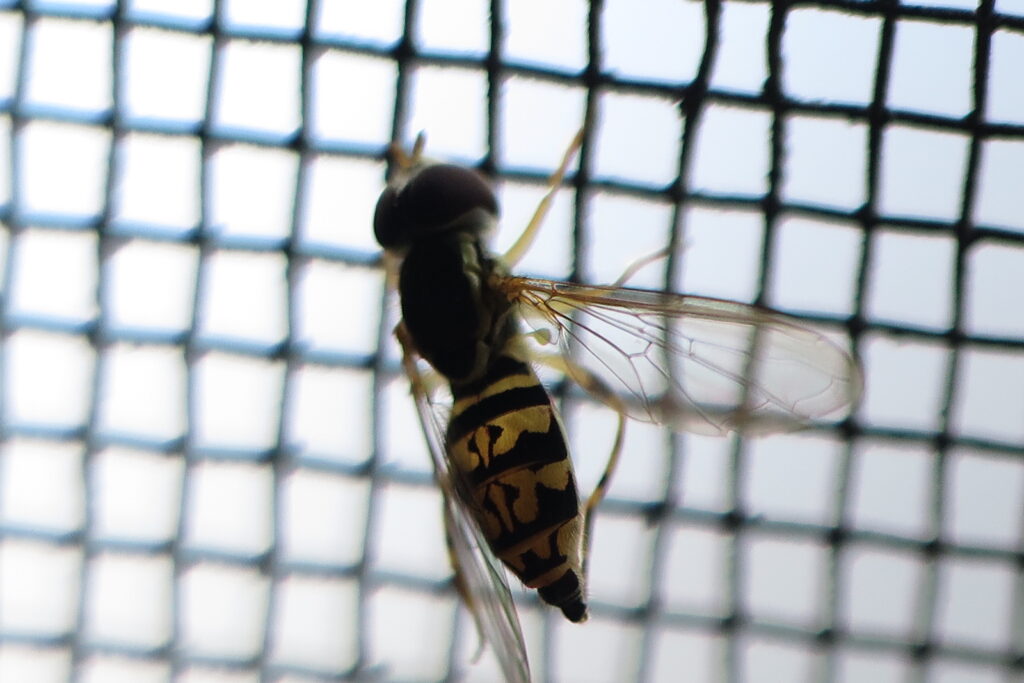
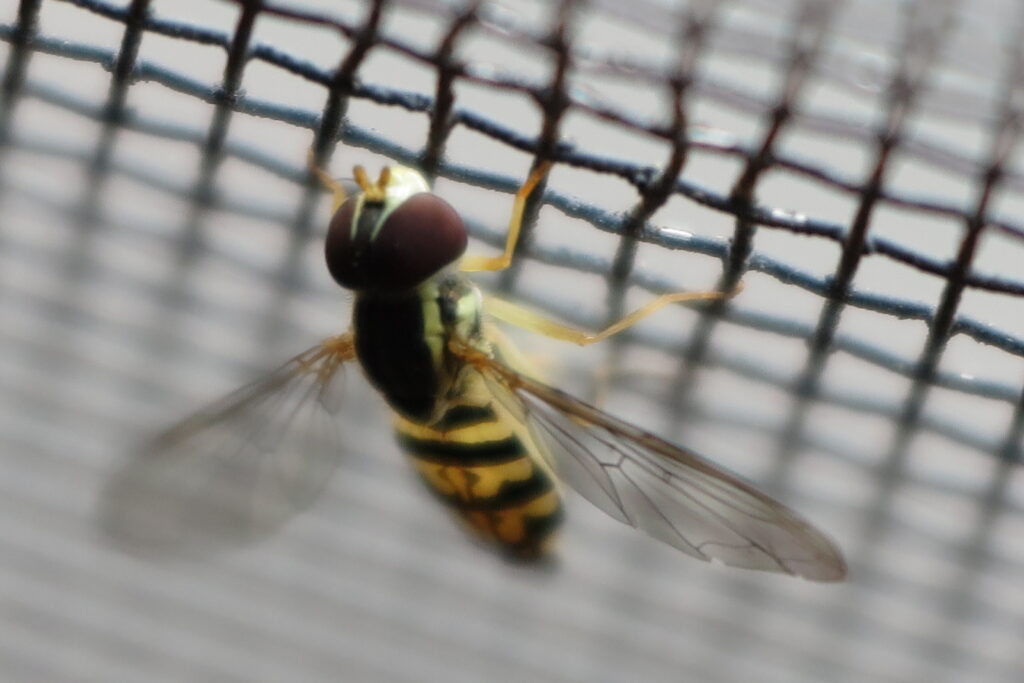
The calligrapher fly (Toxomerus sp.) is one of the most widely distributed groups of hoverflies found in the Americas. Species within this genus occupy an extensive geographic range that stretches across multiple continents, climates, and ecological regions. Their ability to establish populations in diverse environments has made them among the most recognizable hoverflies throughout the Western Hemisphere.
Unlike insects restricted to isolated islands, mountain ranges, or specialized ecosystems, calligrapher flies occur across a vast portion of the globe. Their range extends from southern areas of Canada through the United States, across Central America, and deep into South America. This broad distribution exposes them to a variety of environmental conditions while maintaining successful populations throughout much of their range.
Many people encounter calligrapher flies without realizing how widespread they truly are. An individual observed in a backyard garden in North America belongs to the same genus as flies found thousands of miles away in tropical regions. This geographic success demonstrates the adaptability of the group and its ability to occupy numerous landscapes.
The genus contains many individual species, each with its own distribution pattern. Some species occupy large portions of the Americas, while others may be concentrated within smaller regions. Collectively, however, the genus has achieved one of the broadest distributions among hoverflies.
Because calligrapher flies are frequently visible and relatively easy to observe, they are regularly recorded by naturalists and citizen scientists. These observations continue to improve understanding of their distribution and geographic presence. As new records are collected, researchers gain a clearer picture of how individual species are spread across different regions.
Their widespread occurrence has also contributed to their familiarity among wildlife enthusiasts. Whether exploring northern temperate regions or warmer tropical landscapes, observers have a reasonable chance of encountering members of the Toxomerus genus. Few hoverfly groups possess such a large and continuously occupied geographic range.
Calligrapher Fly Range Across North, Central, and South America
North America represents a major portion of the calligrapher fly’s distribution. Numerous species occur throughout the United States, where they are commonly observed in both rural and urban environments. Their presence extends into southern Canada, particularly in areas where seasonal conditions support insect activity during warmer months.
The United States serves as one of the most heavily documented regions for the genus. Records exist across a broad range of states, from northern locations with cold winters to southern areas characterized by warmer climates. This widespread occurrence demonstrates a remarkable ability to persist under varying environmental conditions.
Moving southward, calligrapher flies remain common throughout Central America. Countries across this region provide favorable conditions for many species within the genus. The combination of diverse landscapes and productive ecosystems supports numerous populations.
South America contains an equally important portion of the genus’s distribution. Many species occur throughout tropical and subtropical regions where environmental conditions remain suitable for much of the year. These areas contribute significantly to the overall diversity of Toxomerus flies.
Compared to insects confined to a single country or narrow geographic corridor, calligrapher flies occupy an enormous range. Their distribution spans thousands of miles and crosses numerous ecological zones. This broad presence makes them more adaptable than many insect groups that require highly specific geographic conditions.
The continuity of their range is particularly impressive. Rather than existing as isolated populations separated by vast gaps, many species occur across connected portions of the Americas. This extensive distribution contributes to the long-term stability and success of the genus.
Regional Occurrence and Local Distribution Patterns
Although calligrapher flies are broadly distributed, their abundance can vary from one region to another. Some locations support large populations that are frequently encountered, while others may host smaller numbers of individuals. Local environmental conditions often influence how commonly the flies are observed.
Within a single state or province, distribution may differ significantly between regions. One area may support abundant populations, while another location only a short distance away hosts fewer individuals. Such variation is common among insects and reflects differences in environmental suitability.
Urban and suburban areas frequently contain calligrapher flies when appropriate resources are available. Parks, gardens, landscaped properties, and green corridors can all support local populations. These modified environments often allow the species to persist alongside human development.
Rural landscapes may also contain substantial populations. Agricultural regions, open vegetation areas, and mixed-use countryside environments often provide favorable conditions. As a result, the genus can be encountered across a wide range of land-use types.
Regional observations often increase during favorable seasons. Areas that appear devoid of calligrapher flies during colder periods may support noticeable populations during warmer months. This seasonal visibility influences how distribution is perceived by observers.
Citizen science projects and wildlife photography platforms continue to reveal new information about local occurrence patterns. Every documented observation contributes to a better understanding of where these insects live and how their distribution changes across different regions.
Factors Influencing Calligrapher Fly Distribution
Climate is one of the most important factors influencing calligrapher fly distribution. Regions that support active insect populations for substantial portions of the year are generally more favorable. Temperature, seasonal patterns, and growing conditions all contribute to determining where populations can persist successfully.
Vegetation availability also plays a significant role. Areas with diverse plant communities tend to support greater insect diversity overall. Healthy vegetation systems often create conditions that allow calligrapher flies to establish and maintain populations over time.
Geographic barriers can influence the distribution of individual species. Mountain ranges, deserts, and other large-scale landscape features may affect movement and population expansion. While the genus as a whole is widespread, specific species may have more limited distributions because of these natural barriers.
Elevation contributes additional variation. Some species occur primarily in lowland environments, while others can be found at higher elevations where environmental conditions remain suitable. This flexibility helps expand the overall distribution of the genus.
Seasonal weather patterns further influence where calligrapher flies are commonly observed. Regions with long growing seasons may support visible populations for much of the year, whereas northern areas experience shorter periods of activity. These seasonal differences affect observation frequency even when populations remain established.
A useful comparison is to think of the genus as a successful traveler capable of adapting to many destinations. While certain environments may be more favorable than others, calligrapher flies have demonstrated an ability to establish themselves across an extraordinary geographic range. Their broad distribution across the Americas remains one of the defining characteristics of this distinctive hoverfly group.
Popular Searches About Calligrapher Flies
Explore Calligrapher Fly Guide
Explore More Wildlife

Support Encounters World
Help support wildlife photography and get behind the scenes discoveries on Patreon.