
Calligrapher Fly Larvae Guide: Identification, Development, and Ecological Importance
Quick Facts
Life Stage: Larval stage of the Calligrapher Fly
Appearance: Legless, elongated, soft-bodied
Average Size: 0.2–0.5 inches (5–12 mm)
Development Role: Growth and nutrient accumulation stage
Metamorphosis Type: Complete metamorphosis
Understanding Calligrapher Fly Larvae
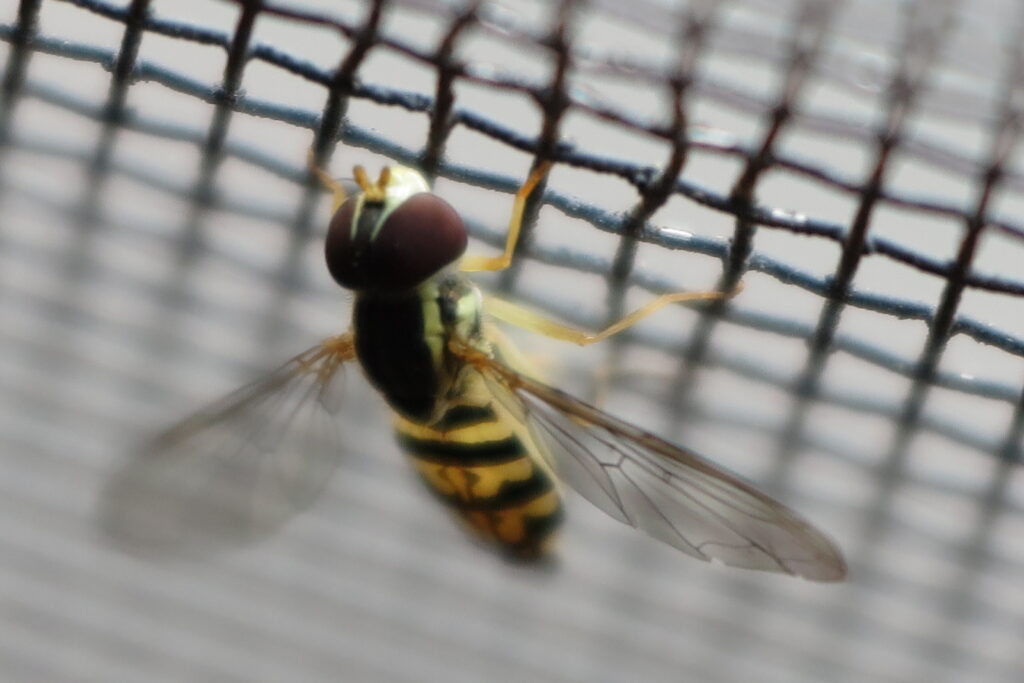
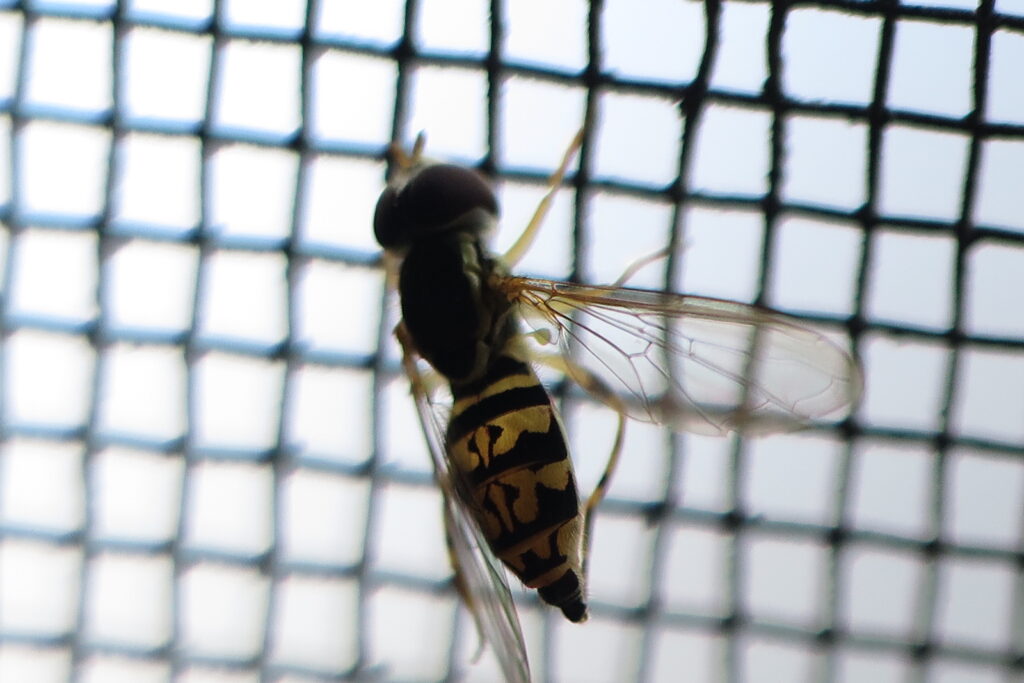
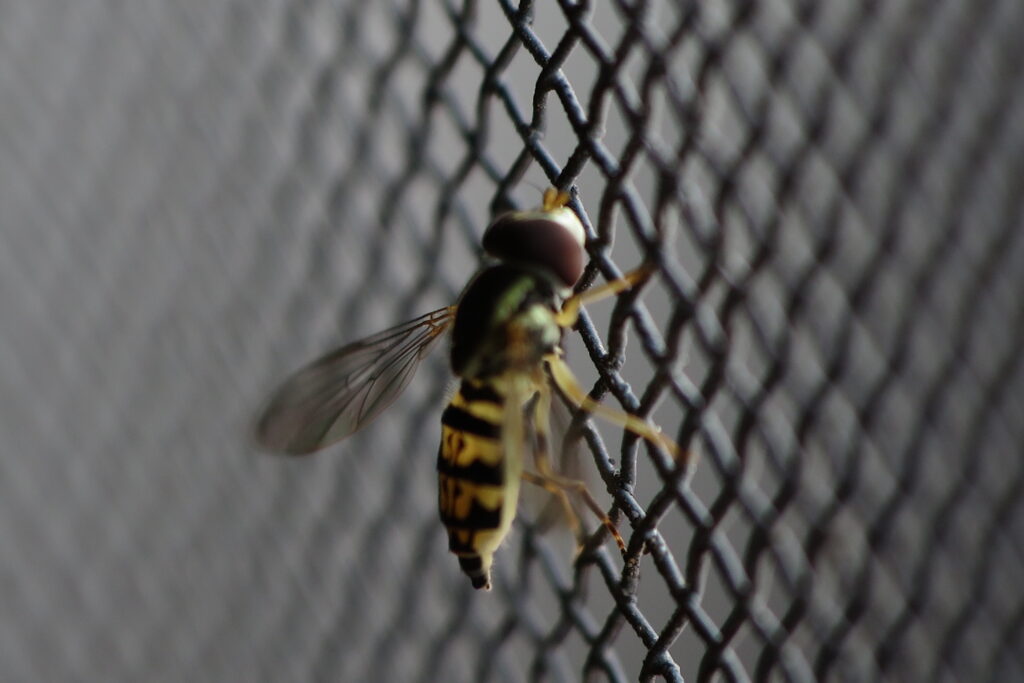
The calligrapher fly larva represents the second stage in the life cycle of a member of the genus Toxomerus. While adult calligrapher flies are known for their yellow-and-black markings and resemblance to small wasps, the larval stage looks completely different. Most people who encounter one would never guess it eventually transforms into a brightly patterned hoverfly.
Throughout North, Central, and South America, calligrapher fly larvae develop in environments where suitable resources are available. These immature insects spend their time growing and preparing for the dramatic transformation that occurs later in life. Their appearance and lifestyle are entirely focused on development rather than reproduction.
Unlike butterflies, whose caterpillars are often easy to recognize, hoverfly larvae frequently go unnoticed. Their small size and lack of bright coloration allow them to blend into their surroundings. As a result, many people observe adult hoverflies regularly without ever realizing what the younger stages look like.
The larval stage serves as the primary growth phase of the insect’s life cycle. During this period, the individual accumulates the nutrients and body mass necessary for successful metamorphosis. Without sufficient development during this stage, the insect cannot successfully progress into adulthood.
Because larvae and adults look so different, they were historically difficult for naturalists to connect. Early observers often assumed they belonged to entirely separate species. Modern research has revealed the complete developmental process and highlighted the importance of the larval stage.
Understanding the larva provides a more complete picture of the calligrapher fly’s biology. It demonstrates how one insect can occupy dramatically different forms throughout its life while maintaining a continuous developmental pathway.
Calligrapher Fly Larva Identification and Physical Appearance
Calligrapher fly larvae have a simple, elongated body shape that differs dramatically from the winged adult. Most individuals appear cylindrical or slightly tapered toward one end. Their soft-bodied structure gives them a slug-like appearance at first glance, although they are not closely related to slugs.
Coloration varies depending on species, age, and environmental conditions. Many larvae display pale green, cream, yellowish, or translucent shades that help them blend into surrounding vegetation. This subdued coloration provides a sharp contrast to the bold patterns seen in adult calligrapher flies.
One of the most noticeable characteristics is the absence of visible legs. Unlike caterpillars, which possess multiple pairs of legs, hoverfly larvae move without obvious appendages. Their smooth body contributes to a streamlined appearance that is well suited to their developmental stage.
The head is relatively inconspicuous compared to that of many other insect larvae. Rather than possessing a clearly defined head capsule, the front portion of the body appears simple and understated. This can make identification challenging for observers unfamiliar with hoverfly larvae.
Size increases significantly throughout development. Newly hatched individuals are extremely small and difficult to detect, while mature larvae may approach half an inch in length. Growth during this stage is often rapid when environmental conditions are favorable.
A useful comparison is to imagine a tiny, legless caterpillar with a smoother body and less obvious segmentation. While not identical, this comparison helps explain the overall appearance of the larva. The simple form reflects its role as a growth-focused stage rather than a mobile adult insect.
Growth and Development of Calligrapher Fly Larvae
The larval stage begins immediately after hatching from the egg. At this point, the young insect is small, vulnerable, and entirely dependent on its surrounding environment for continued development. From the moment it emerges, growth becomes the primary objective.
As nutrients are acquired, the larva gradually increases in size and body mass. This process involves multiple molts in which the insect sheds its outer skin to accommodate continued growth. Each molt allows the larva to expand and move closer to maturity.
Development speed varies depending on environmental conditions. Warm temperatures often accelerate growth, while cooler conditions may extend the duration of the larval stage. Resource availability can also influence how quickly an individual reaches maturity.
During this period, internal organs, tissues, and energy reserves continue developing. Although external changes may appear gradual, significant biological processes are occurring beneath the surface. The larva is essentially building the foundation needed for later transformation.
Eventually, the larva reaches its maximum size and prepares for pupation. At this stage, growth slows as developmental priorities shift toward metamorphosis. The insect is no longer focused solely on increasing size but on preparing for a complete reorganization of its body.
This stage can be compared to constructing the framework of a building before installing the final structure. The larva accumulates the materials and resources necessary for adulthood. Once that foundation is complete, metamorphosis can begin.
Ecological Importance of Calligrapher Fly Larvae
Although small and often overlooked, calligrapher fly larvae play an important role within ecosystems. Their presence contributes to the balance of insect communities and helps support broader ecological processes. These contributions often go unnoticed because the larvae remain hidden from casual observation.
As developing insects, larvae represent an important food source for a variety of predators. Small birds, predatory insects, spiders, and other wildlife may consume them as part of larger food webs. This makes them an important link in the transfer of energy through ecosystems.
The ecological role of the larval stage differs significantly from that of the adult. While adults are commonly recognized for their interactions with flowers, larvae contribute to ecosystem function in entirely different ways. This division of ecological responsibilities allows the species to influence nature throughout multiple life stages.
Healthy populations of hoverfly larvae often indicate functioning insect communities. Their presence suggests that environmental conditions support successful reproduction and development. Because insects form the foundation of many ecological networks, these indicators can be valuable.
The larval stage also contributes to biodiversity. Every developmental phase occupies a unique ecological niche and interacts differently with surrounding organisms. By existing in multiple forms throughout its life cycle, the calligrapher fly increases its ecological influence.
Viewed collectively, thousands of larvae contribute to ecosystem stability across their geographic range. Though individually small, their combined impact is significant. Understanding the larval stage reveals that some of the most important ecological contributions often come from organisms that are rarely seen.
Popular Searches About Calligrapher Flies
Explore Calligrapher Fly Guide
Explore More Wildlife

Support Encounters World
Help support wildlife photography and get behind the scenes discoveries on Patreon.