
Are Land Planarians Dangerous? Safety, Toxicity, and Human Interaction Guide
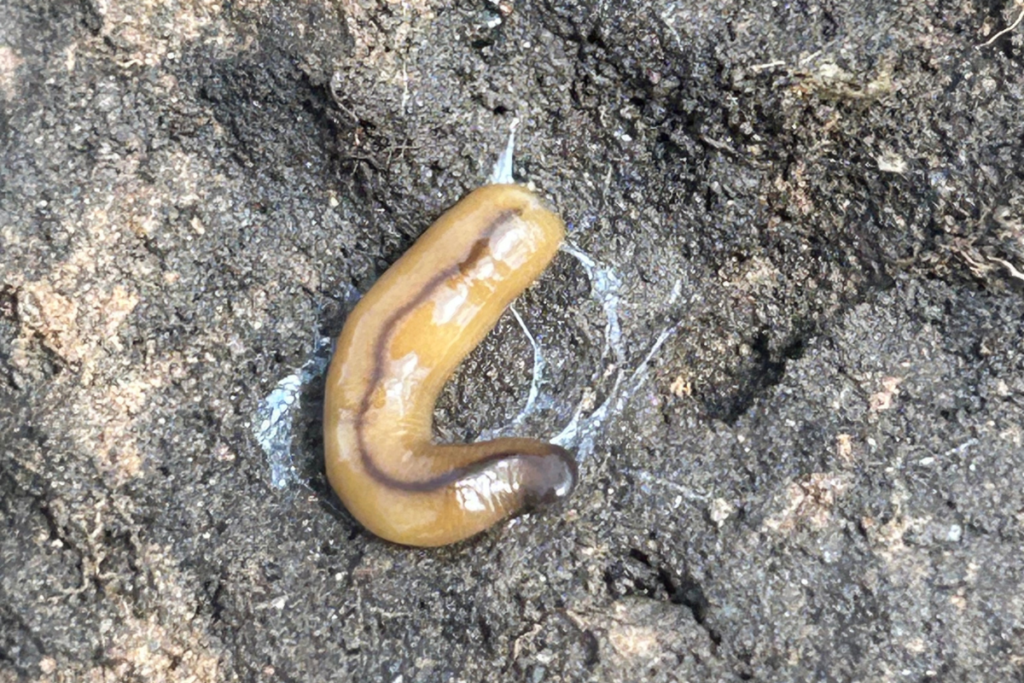
Quick Facts
Danger Level: Generally low to humans
Can They Bite?: No
Can They Sting?: No
Toxicity: Some species produce defensive toxins or irritating mucus
Risk to Pets: Usually low, but direct contact should be avoided
Understanding Whether Land Planarians Are Dangerous
Land planarians, also known as terrestrial flatworms, often generate concern because of their unusual appearance. Their flattened bodies, glossy surfaces, and unfamiliar shape can make them seem more threatening than they actually are. For many people, finding one beneath a rock or in a garden immediately raises questions about safety.
These animals occur throughout many regions of the world and are commonly encountered in moist outdoor environments. Although they may look unusual, land planarians are not aggressive animals. They do not actively seek out contact with people and generally remain unnoticed unless disturbed.
The word “dangerous” can mean different things depending on the situation. Some animals pose risks through bites, venom, or aggressive behavior. Others may affect ecosystems without presenting direct danger to humans. Understanding where land planarians fit into these categories helps provide a more accurate picture of their true impact.
In most situations, a terrestrial flatworm presents little direct risk to people. They lack the physical structures needed to bite or sting and do not behave aggressively when encountered. Most individuals simply continue moving or attempt to remain concealed.
Their unusual appearance sometimes creates exaggerated assumptions about their capabilities. Because they look different from familiar worms, observers may assume they are venomous or highly toxic. In reality, the risks associated with land planarians are generally far lower than many people expect.
Understanding their biology helps separate myths from facts. While certain precautions are sensible when handling any wild animal, land planarians are not considered dangerous in the same way as venomous snakes, stinging insects, or poisonous amphibians.
Can Land Planarians Harm Humans?
One of the most common questions is whether land planarians can injure people directly. The answer is generally no. These flatworms lack teeth, jaws, stingers, claws, and other structures commonly associated with defensive or offensive injuries.
Unlike biting insects, they cannot pierce human skin. Unlike wasps or bees, they cannot inject venom. Their anatomy is simply not designed for attacking large animals. As a result, direct physical harm to humans is extremely unlikely.
Some species produce mucus that may contain defensive chemicals. These substances are primarily intended to discourage predators rather than affect people. For most individuals, casual contact does not result in serious problems, although skin sensitivity can vary from person to person.
Because of this possibility, handling is generally discouraged. Wearing gloves or using tools to move a terrestrial flatworm is a sensible precaution. This approach minimizes unnecessary contact while protecting both the observer and the animal.
Children often become curious when encountering unusual wildlife. Teaching them to observe rather than touch is a practical approach. The same guideline applies to many wild animals regardless of whether they are dangerous.
Compared to genuinely harmful organisms, terrestrial flatworms rank very low in terms of direct human risk. Their inability to bite or sting places them among the less threatening invertebrates commonly encountered outdoors.
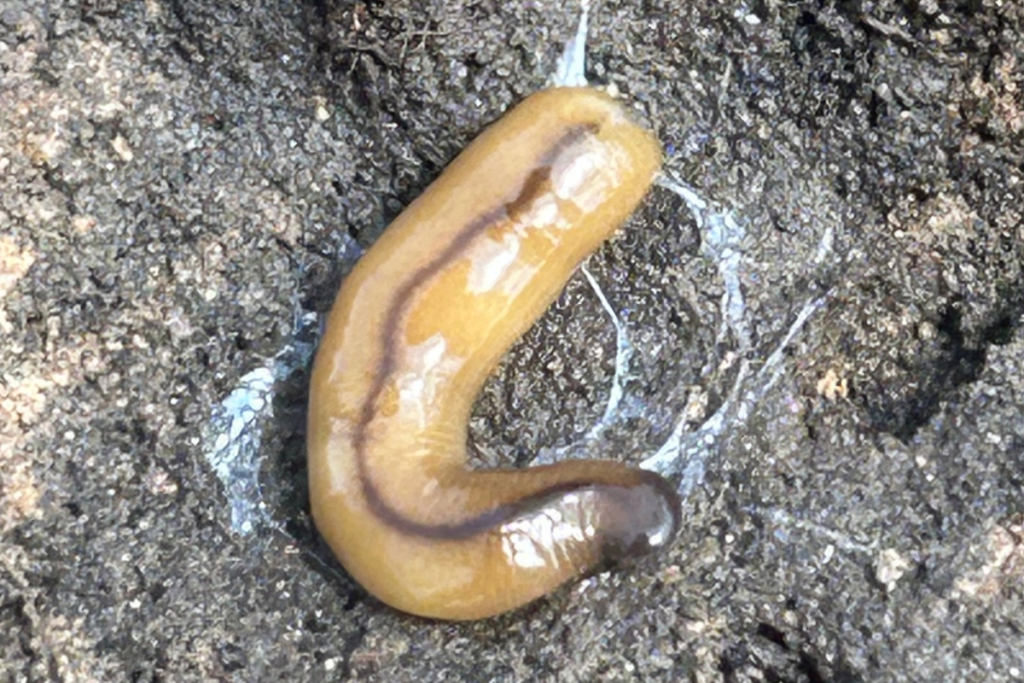
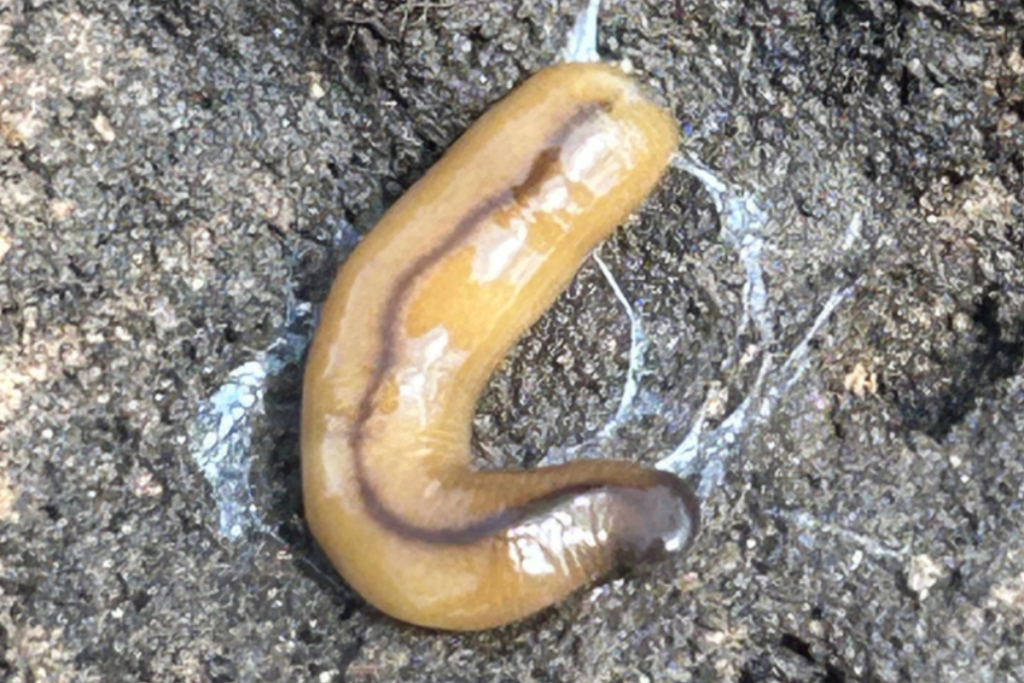
Toxicity, Defensive Chemicals, and Pet Safety
Although land planarians are not considered dangerous predators of humans, some species produce defensive chemicals that deserve attention. These compounds help protect the flatworm from predators and increase its chances of survival. The presence of these chemicals is one reason many predators avoid consuming them.
In certain species, mucus may contain substances that cause mild irritation if handled extensively. This reaction is usually limited and far less severe than exposure to venomous or poisonous animals. Nevertheless, washing hands after contact is always recommended.
Pet owners sometimes wonder whether dogs or cats are at risk. Most pets show little interest in terrestrial flatworms, but curious animals occasionally investigate them. Direct consumption is generally uncommon, though avoiding contact remains the safest approach.
The risk to pets is usually associated with potential irritation rather than severe poisoning. Symptoms, if they occur, are often mild and temporary. However, any unusual reaction should be evaluated by a veterinarian because individual animals may respond differently.
It is important to recognize that toxicity varies among species. Land planarians represent a large group containing numerous different species across multiple continents. Some are better studied than others, and chemical defenses may differ significantly.
A useful comparison is to think of their mucus as a natural deterrent rather than a weapon. The goal is not to attack predators but to make the flatworm less appealing as prey. This distinction helps explain why interactions with people are rarely problematic.
Ecological Concerns and Why Some Land Planarians Are Considered Harmful
While land planarians pose little direct danger to humans, some species can create ecological concerns. In certain regions, introduced terrestrial flatworms have established populations outside their native range. These non-native species may influence local ecosystems in significant ways.
The primary concern involves their impact on native invertebrate communities. Some introduced flatworms prey on organisms that play important ecological roles. Changes to these populations can influence broader ecosystem processes over time.
Earthworms provide a notable example. In some locations, predation by non-native terrestrial flatworms has attracted scientific attention because of potential effects on soil ecosystems. Since earthworms contribute to nutrient cycling and soil structure, reductions in their numbers may have broader environmental consequences.
This ecological impact differs greatly from direct danger to people. A species can be environmentally disruptive without being physically harmful to humans. Understanding this distinction is important when discussing whether an animal is “dangerous.”
Governments and researchers in some countries monitor certain terrestrial flatworm species because of these ecological concerns. Their focus is usually on protecting biodiversity and ecosystem function rather than preventing human injury. This highlights the different ways an organism can influence its environment.
Ultimately, land planarians are best viewed as animals that may pose ecological concerns in specific situations while presenting minimal direct risk to people. They cannot bite, sting, or aggressively attack humans, but some species can affect local ecosystems through their interactions with other invertebrates. Understanding both perspectives provides a balanced and accurate assessment of their true impact.
Popular Searches About Land Planarians
Explore Land Planarian Guide
Explore More Wildlife

Support Encounters World
Help support wildlife photography and get behind the scenes discoveries on Patreon.