
Invasive Land Planarian Guide: Spread, Environmental Impact, and Identification
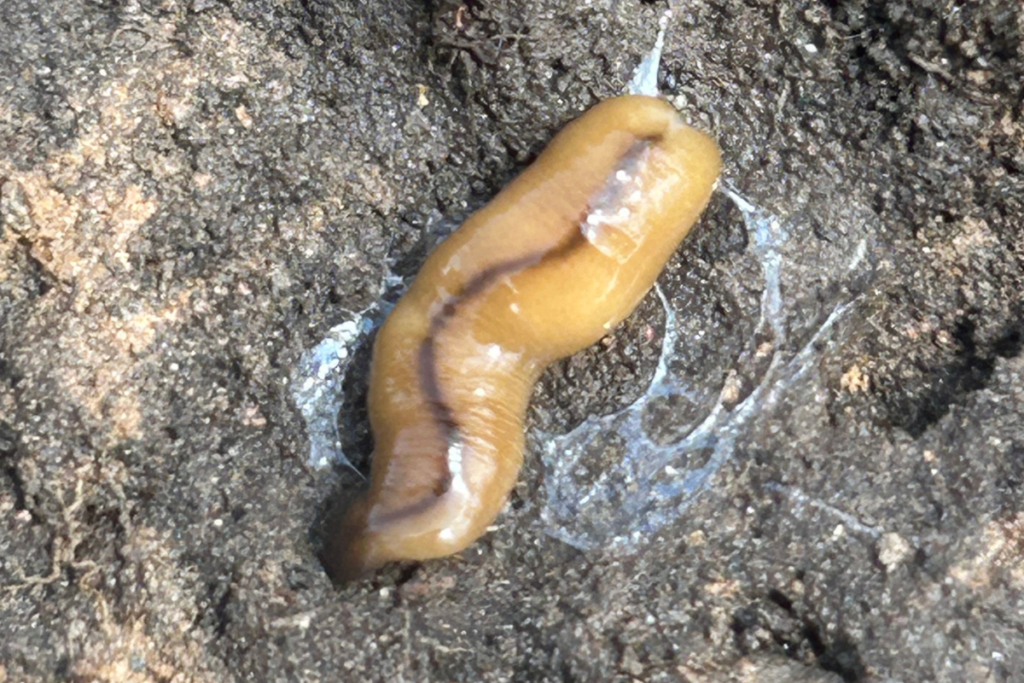
Quick Facts
Native Range: Varies by species
Introduced Regions: North America, Europe, Australia, and other locations worldwide
Invasion Method: Human transport through soil, plants, mulch, and landscaping materials
Primary Concern: Impact on native soil invertebrates
Ecological Risk: Moderate to High depending on species
Understanding Invasive Land Planarians
Land planarians occur naturally in many parts of the world, but not every species remains confined to its original range. Through international trade, plant shipments, landscaping materials, and accidental transportation, some terrestrial flatworms have established populations far from where they evolved. These introduced populations are often referred to as invasive land planarians when they begin spreading and affecting local ecosystems.
Unlike native species that have developed alongside local wildlife for thousands of years, invasive flatworms arrive in environments where ecological relationships may be very different. Native organisms often have little experience interacting with these newcomers, creating conditions that can favor rapid establishment. This imbalance is one reason invasive species attract scientific attention.
The spread of invasive terrestrial flatworms has become increasingly noticeable during the last century. Improvements in global transportation allow soil, potted plants, and gardening supplies to move across continents more easily than ever before. Small hidden organisms can travel unnoticed during this process.
Many people first encounter invasive land planarians in gardens, greenhouses, parks, or landscaped areas. Because these environments frequently receive imported plants and soil products, they often serve as entry points for non-native species. Once established, populations may expand into surrounding habitats.
Not all introduced flatworms become invasive. Some remain localized and cause little measurable impact. Others spread successfully and begin influencing native ecosystems, which is when concerns typically increase among researchers and land managers.
Understanding the difference between native and invasive species is important when discussing terrestrial flatworms. The concern is usually not the existence of flatworms themselves but rather the ecological effects that certain introduced species can create in areas where they did not originally occur.
How Invasive Land Planarians Spread to New Regions
Human activity is the primary reason invasive land planarians appear outside their native range. Unlike birds or large mammals that can travel long distances independently, terrestrial flatworms rely heavily on accidental transportation. Soil and plant materials provide ideal opportunities for hidden movement.
Potted plants are among the most common pathways. A flatworm or its eggs may remain concealed within the soil of a nursery plant and travel hundreds or even thousands of miles before being discovered. Once planted outdoors, the flatworm may establish a local population.
Mulch, compost, landscaping materials, and garden supplies can also contribute to spread. These products often contain organic matter and moisture that allow terrestrial flatworms to survive transportation. Because the animals are difficult to detect, they may go unnoticed during shipment.
Greenhouses frequently play a role in introductions. Warm, stable conditions support many species and allow populations to persist indoors. From there, individuals may escape into surrounding environments if conditions are suitable.
International trade has dramatically increased opportunities for accidental introductions. Plants that once remained within regional markets are now shipped across continents. This movement creates pathways for organisms that would otherwise never encounter one another.
A useful comparison is to think of invasive flatworms as unintentional passengers traveling with commercial goods. They do not actively choose their destinations, but human transportation systems provide opportunities to reach entirely new environments where they may eventually establish populations.
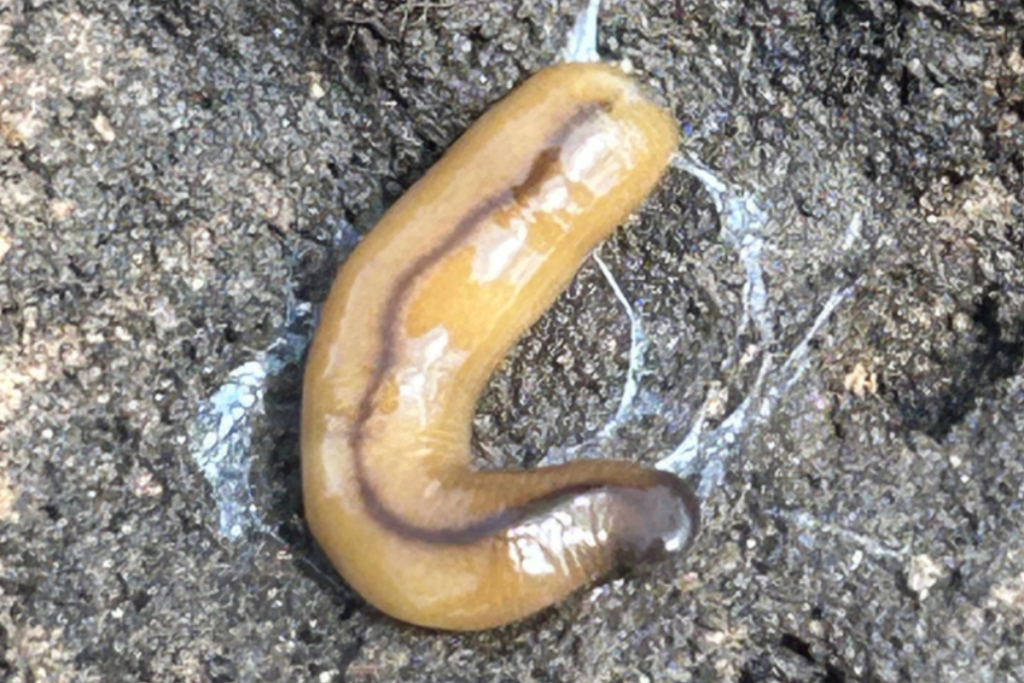
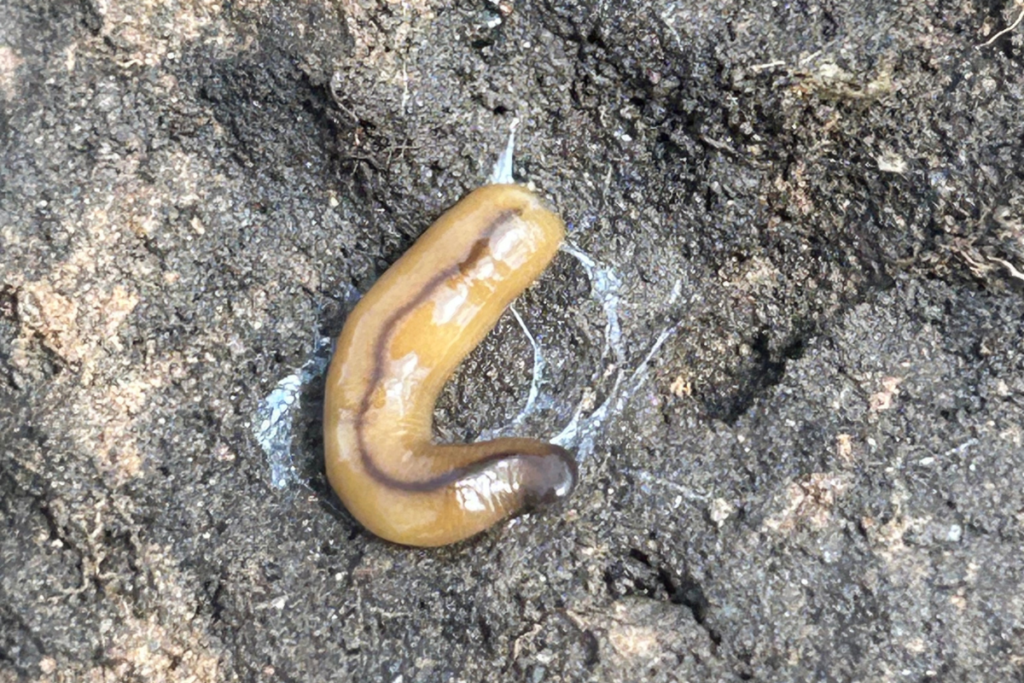
Ecological Impact of Invasive Terrestrial Flatworms
The greatest concern surrounding invasive land planarians involves their effect on native invertebrate communities. Many terrestrial flatworms function as predators, and their arrival can introduce new pressures on local organisms. In some cases, these interactions may alter existing ecological relationships.
Earthworms often receive particular attention because of their importance in soil ecosystems. Healthy earthworm populations contribute to nutrient cycling, soil structure, and decomposition processes. When invasive predators affect these populations, broader ecological consequences may follow.
The impact can extend beyond a single species. Changes affecting one group of organisms may influence many others connected through food webs and ecological processes. This chain reaction is one reason invasive species are studied so carefully by ecologists.
Native predators may not immediately recognize invasive flatworms as prey. Some terrestrial flatworms possess chemical defenses or unfamiliar characteristics that discourage predation. Reduced predation pressure can help introduced populations establish themselves more successfully.
The severity of ecological impact varies considerably. Some invasive flatworms remain relatively localized and create minimal disruption. Others become widespread and generate measurable effects on native communities over larger areas.
A useful analogy is the introduction of a new player into an established sports team. Even if only one individual changes, the dynamics of the entire group may shift. Similarly, an invasive predator can influence ecological systems in ways that extend beyond its immediate interactions.
Identifying and Managing Invasive Land Planarians
Correct identification is one of the most important steps in addressing invasive terrestrial flatworms. Not every land planarian is invasive, and many native species exist throughout the world. Distinguishing between native and introduced species often requires careful examination and, in some cases, expert confirmation.
Certain invasive species have become well known because of their rapid spread. Hammerhead worms are among the most recognizable examples due to their distinctive head shape. However, other invasive flatworms may appear much less obvious and require closer inspection.
Gardeners and naturalists often play an important role in early detection. Observations submitted to wildlife databases, extension services, or scientific organizations can help researchers track the distribution of non-native species. Citizen science efforts have contributed significantly to understanding invasive flatworm expansion.
Management strategies vary depending on the species and region involved. Some programs focus on monitoring populations, while others emphasize preventing accidental transport through soil and plant materials. Prevention is often more effective than attempting to remove established populations.
Education remains one of the most valuable tools available. People who understand how invasive species spread are more likely to inspect plants, avoid moving contaminated materials, and report unusual sightings. These actions help reduce opportunities for further introductions.
Ultimately, invasive land planarians highlight the complex relationship between global transportation and ecological systems. While many species remain harmless members of their native communities, certain introduced flatworms can create challenges when they establish themselves in new regions. Understanding their spread, impacts, and identification helps support informed conservation and management efforts.
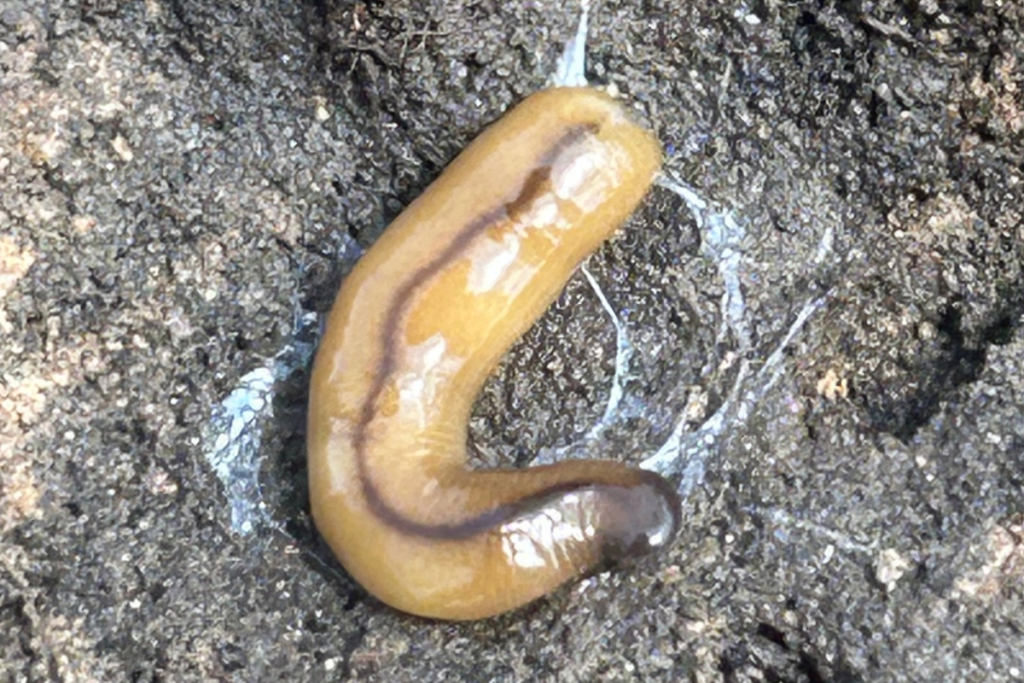
Popular Searches About Land Planarians
Explore Land Planarian Guide
Explore More Wildlife

Support Encounters World
Help support wildlife photography and get behind the scenes discoveries on Patreon.