
Finding White-Tailed Deer Shed Antlers | Best Places, Timing, and Search Tips
Quick Facts
Bone Category: Antler
Side of Body:Unknown
Age Class: Adult
Condition: Fresh, Weathered, or Fragmented
Key Identification Features: Burr at base, curved beam, branching tines, weathered bone texture, shed surface
Size Estimate: Highly Variable
Finding White-Tailed Deer Shed Antlers in the Wild
Finding a white-tailed deer shed antler is one of the most rewarding discoveries a wildlife enthusiast can make. Unlike skulls or skeletal remains associated with mortality, shed antlers represent a natural event that occurs every year in healthy deer populations. Each antler found on the landscape was once carried by a living buck before being naturally discarded and replaced with a new set.
White-tailed deer inhabit a vast range across North America, occupying forests, agricultural regions, wetlands, grasslands, and suburban green spaces. Because of this widespread distribution, opportunities to locate shed antlers exist in many different environments. Successful antler hunters often learn to recognize areas where deer spend significant portions of their time throughout the year.
Many people discover shed antlers entirely by accident. A curved shape beneath leaves, a pale object near a fallen log, or an unusual fragment resting along a trail may immediately stand out against surrounding vegetation. Even weathered antlers often remain visible because their coloration contrasts with soil, bark, and plant debris.
Although luck occasionally plays a role, finding shed antlers becomes much easier when search efforts focus on deer behavior. Understanding where deer feed, travel, and rest provides valuable clues about where antlers are most likely to be located. This knowledge transforms antler hunting from random searching into a more targeted and productive activity.
Best Places to Find White-Tailed Deer Shed Antlers
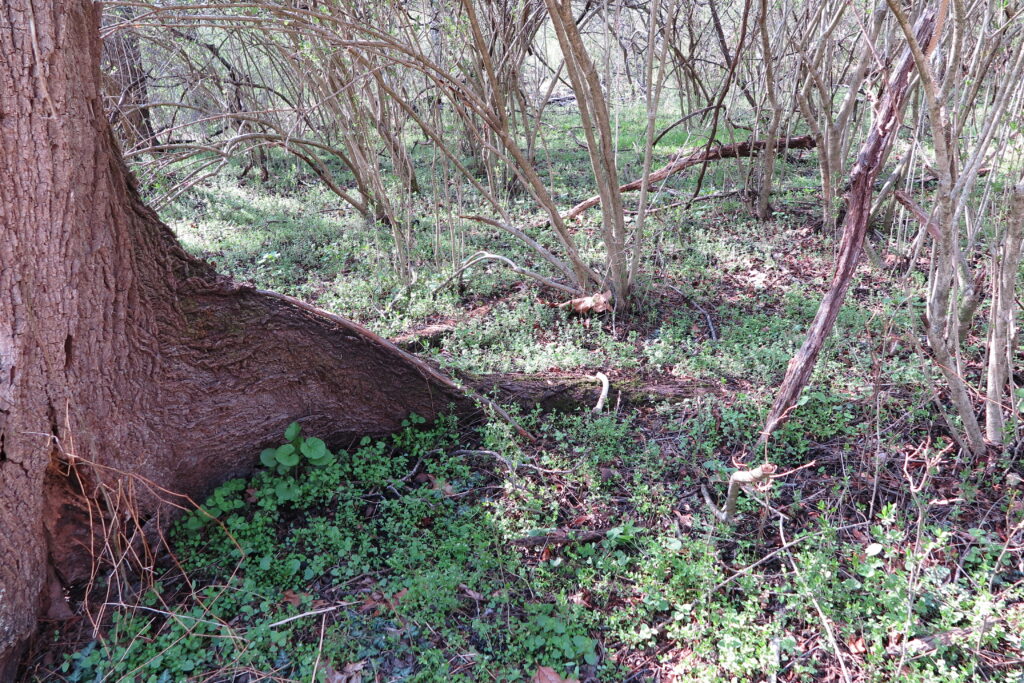
Wooded habitats consistently rank among the best locations for finding shed antlers. Mature forests provide shelter, bedding cover, and travel routes that deer use throughout the year. Fallen leaves may conceal antlers temporarily, but seasonal changes often expose them as vegetation shifts and decomposes.
Forest edges frequently produce excellent results because they combine multiple resources within a relatively small area. Deer commonly move between open feeding areas and protected cover, creating heavily used corridors where antlers may be shed. These transition zones often contain concentrated wildlife activity compared to either habitat alone.
Agricultural fields can also be productive search locations, particularly near food sources utilized during winter. Corn stubble, soybean fields, and hay fields often attract deer seeking reliable nutrition during colder months. Bucks feeding regularly in these areas may drop antlers nearby while moving between feeding and resting locations.
Creek crossings, fence lines, and steep terrain deserve special attention during searches. Antlers occasionally become dislodged when deer jump obstacles or navigate uneven ground. Real-world discoveries often occur in places where movement naturally places additional stress on the weakening connection between the antler and pedicle.
White-Tailed Deer Seasonal Patterns and Shed Timing
Timing plays a major role in successful antler hunting. White-tailed deer typically shed their antlers after the breeding season, although exact timing varies according to age, health, nutrition, and local environmental conditions. Some bucks may lose antlers weeks before others occupying the same area.
Late winter and early spring are generally considered the most productive periods for locating fresh sheds. During this time, vegetation remains relatively low, making antlers easier to spot. Recently dropped antlers also tend to retain darker coloration and sharper surface detail before extended weathering occurs.
Older bucks often shed antlers earlier than younger individuals. The physical demands of the rut can accelerate hormonal changes that eventually trigger antler drop. Younger deer may continue carrying antlers longer into the season before the shedding process occurs.
Weather conditions can influence visibility as well. Rain may expose antlers by washing away leaf litter, while strong winds can shift vegetation and reveal hidden specimens. Snowmelt frequently creates excellent opportunities because antlers concealed during winter become visible as ground cover disappears.
White-Tailed Deer Shed Antler Search Strategies and Field Techniques
Successful antler hunters often rely on careful observation rather than covering large distances quickly. Moving slowly allows subtle shapes and textures to stand out against the surrounding environment. Antlers are frequently overlooked because only a small portion remains visible above leaves or vegetation.
Scanning ahead in a systematic pattern can improve detection rates. Instead of focusing exclusively on the ground directly in front of each step, experienced searchers visually sweep larger sections of habitat. This approach increases the likelihood of noticing curves, pale coloration, or unusual textures associated with antlers.
Paying attention to deer sign provides additional advantages. Tracks, trails, bedding areas, rubs, and feeding locations indicate recent deer activity and help narrow search efforts. Areas containing multiple forms of sign often deserve more thorough examination than locations showing little evidence of wildlife use.
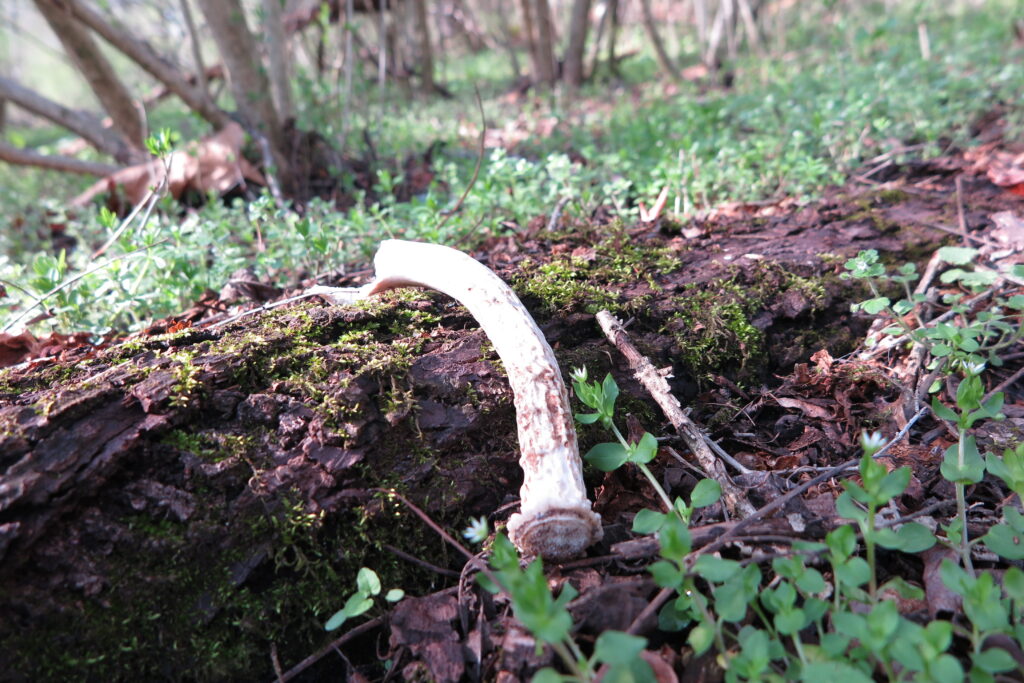
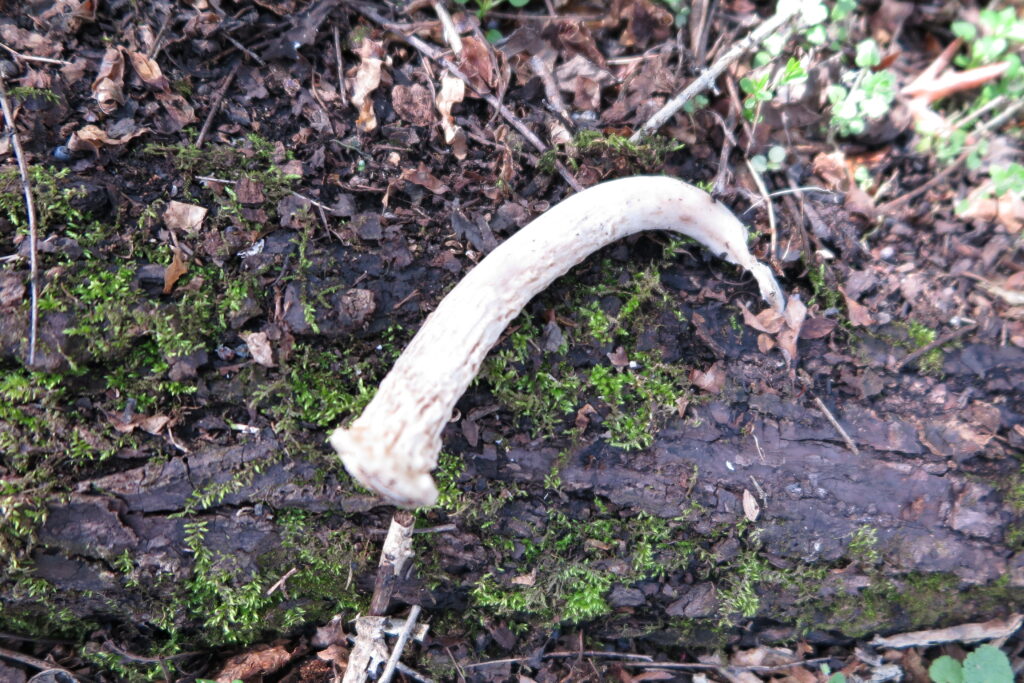
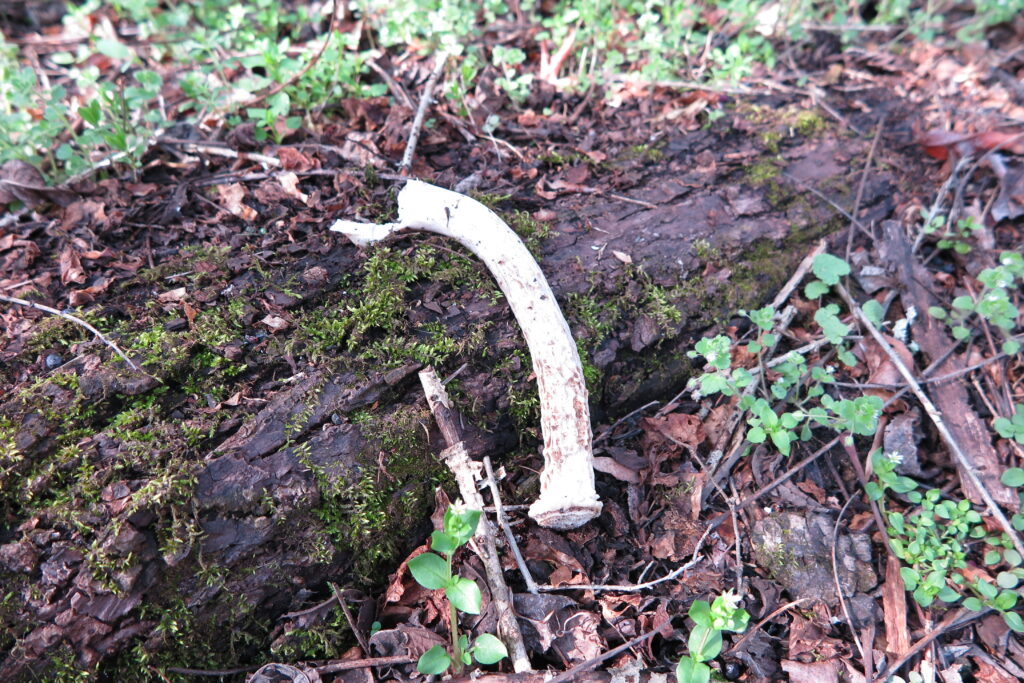
The antler fragment documented here demonstrates how easily sheds can blend into natural surroundings despite their distinctive appearance. Resting on a fallen log, the fragment remained visible but still required observation to recognize. Similar discoveries occur every year, rewarding individuals who combine patience, habitat knowledge, and attention to detail while exploring the outdoors.
Popular Searches About Deer Antler Fragments
Explore Deer Antler Fragment Guide
Explore More Bones

Support Encounters World
Help support wildlife photography and get behind the scenes discoveries on Patreon.