
White-Tailed Deer Antler Shedding Season Guide | When Bucks Drop Antlers and Why It Happens
Quick Facts
Shedding Season: Late Winter to Early Spring
Species: White-Tailed Deer
Scientific Name: Odocoileus virginianus
Who Sheds Antlers?: Male Deer (Bucks)
Antler Drop Trigger: Declining Testosterone Levels
Typical Shedding Age: All Mature Bucks
Peak Shed Hunting Period: Late Winter to Early Spring
Annual Regrowth: Yes
Common Discovery Areas: Trails, Bedding Areas, Field Edges
Understanding White-Tailed Deer Antler Shedding Season
White-tailed deer antler shedding season marks the annual period when bucks naturally lose the antlers they carried throughout the fall breeding season. Unlike horns, which remain attached throughout an animal’s life, antlers are temporary bone structures that are grown, used, shed, and regrown each year. This cycle is one of the defining characteristics of the deer family.
White-tailed deer are distributed throughout much of North America and occupy a wide range of habitats. From dense forests and wetlands to farmland and suburban green spaces, bucks undergo the same basic antler cycle regardless of where they live. Local conditions may influence timing, but the biological process remains remarkably consistent.
Many people first learn about antler shedding after discovering an antler on the ground and wondering how it got there. Because shed antlers often appear complete and undamaged, it can be surprising to realize they were naturally dropped rather than lost through injury. The discovery frequently leads to questions about when shedding occurs and why deer go through the process at all.
Antler shedding season represents a transition period in a buck’s yearly life cycle. The intense demands of the breeding season have ended, winter conditions are often at their harshest, and the animal’s physiology begins preparing for the next stage of antler growth. The dropped antler becomes visible evidence of this ongoing cycle.
When White-Tailed Deer Typically Shed Their Antlers
The timing of antler shedding varies across regions, but most white-tailed deer bucks drop their antlers during late winter and early spring. In many areas, shedding begins shortly after the breeding season concludes and continues for several weeks. This creates a period when both freshly shed and recently weathered antlers may be found on the landscape.
Not all bucks shed at the same time. Mature deer often lose their antlers earlier than younger individuals because of differences in age, hormone levels, and physical condition. A large mature buck may shed weeks before a younger buck occupying the same property.
Environmental conditions can influence the timing as well. Severe winters, food availability, and overall deer health may affect how quickly hormone levels decline after the rut. These factors contribute to the variation observed from one year to the next.
For shed hunters, understanding these seasonal patterns is extremely valuable. Searching too early may result in finding only a portion of the available antlers because some bucks are still carrying them. Waiting until most deer have completed the shedding process increases the likelihood of successful discoveries.
Why White-Tailed Deer Drop Their Antlers Each Year
Antler shedding is driven primarily by changes in hormone levels. During the breeding season, elevated testosterone supports hardened antlers and prepares bucks for competition with rivals. Once the rut ends, testosterone levels gradually decline, triggering a series of biological changes at the base of the antler.
Specialized cells develop between the antler and the pedicle, the permanent structure attached to the skull. These cells slowly weaken the connection until the antler eventually separates. The process occurs naturally and generally causes little disturbance to the deer.
Many people assume deer intentionally remove their antlers by rubbing them against trees or striking vegetation. While bucks frequently interact with trees during the rut, shedding itself results from biological changes rather than deliberate removal. Antlers may fall while a deer is feeding, walking, resting, or simply moving through cover.
The annual shedding cycle provides an important advantage. By dropping old antlers and growing new ones, bucks have the opportunity to develop larger or more complex antlers in future years. This process allows antlers to reflect changes in age, health, nutrition, and overall condition throughout the animal’s life.
White-Tailed Deer Antler Shedding Season and Field Observations
During shedding season, antlers can appear almost anywhere deer regularly travel. Bedding areas, feeding locations, forest edges, creek crossings, and game trails all have the potential to produce fresh sheds. Because antlers detach unexpectedly, there is rarely a single predictable location where every antler will be found.
Freshly shed antlers often retain darker coloration and a clean shedding surface at the base. These characteristics help distinguish recent drops from antlers that have remained outdoors for months or years. Weather exposure gradually alters color, texture, and overall appearance.
Real-world observations frequently reveal how random the shedding process can seem. One antler may be found in an open field while its matching side remains hidden deep within nearby woods. In other situations, both antlers may be discovered within a short distance of each other because they were shed during the same general period.
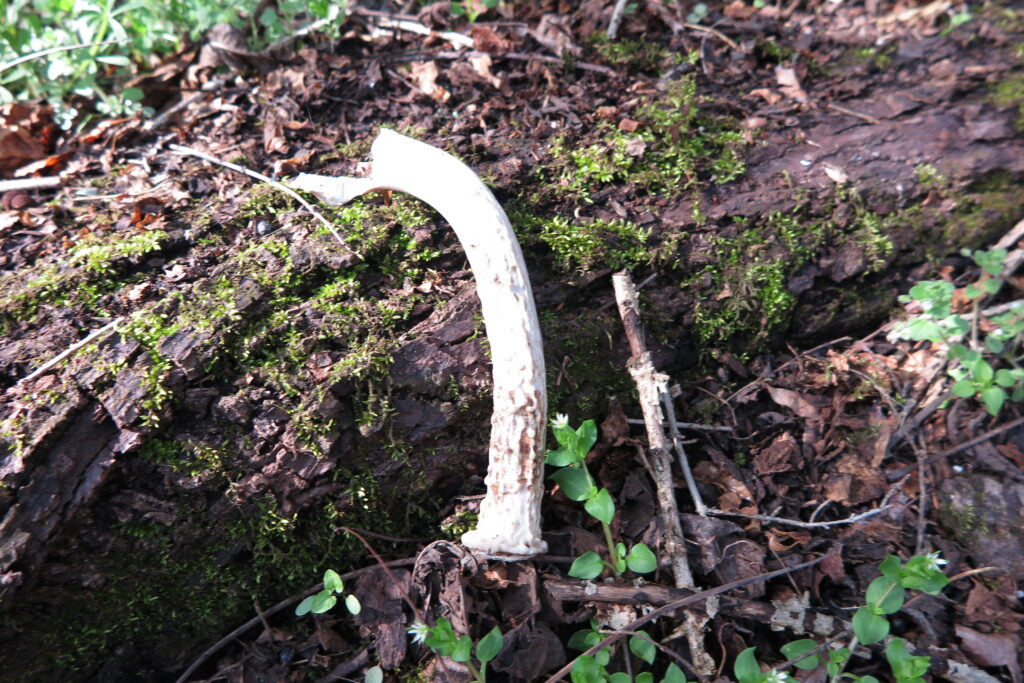
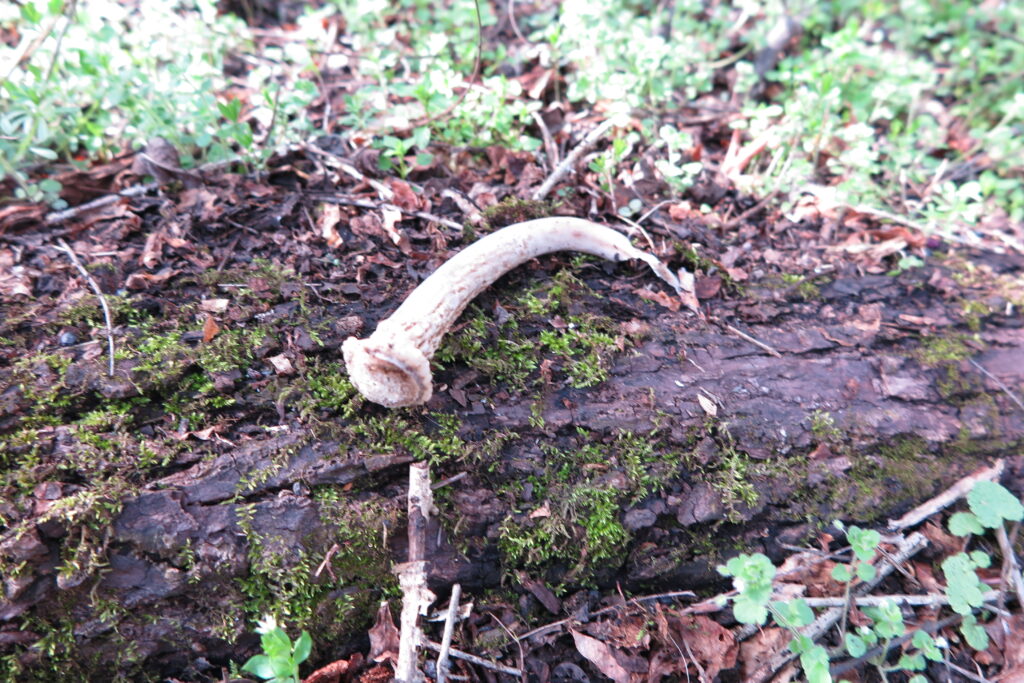
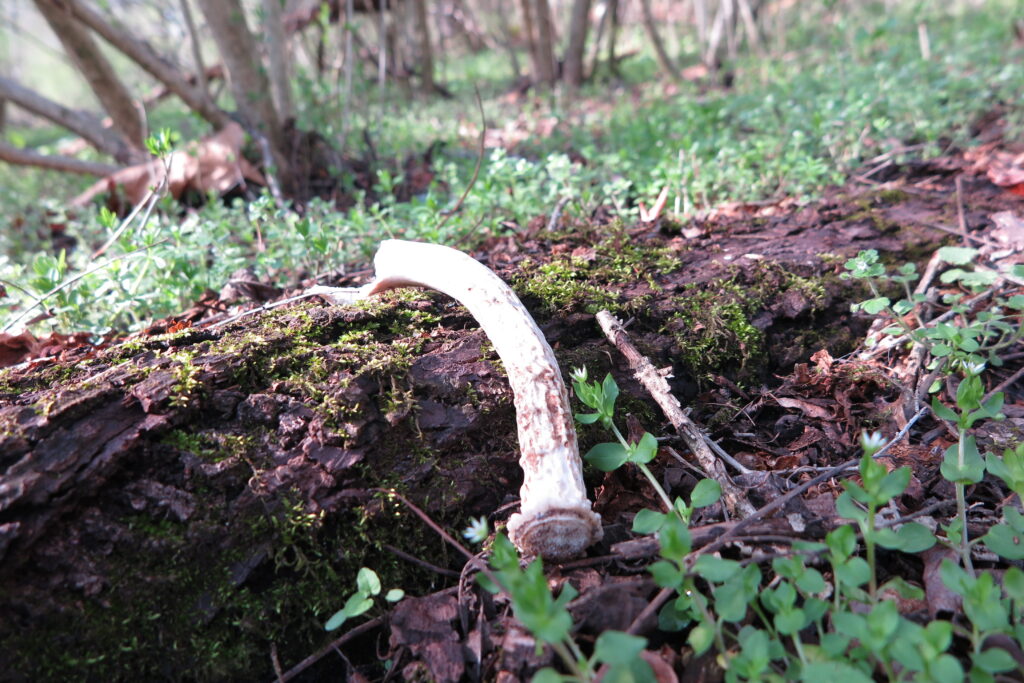
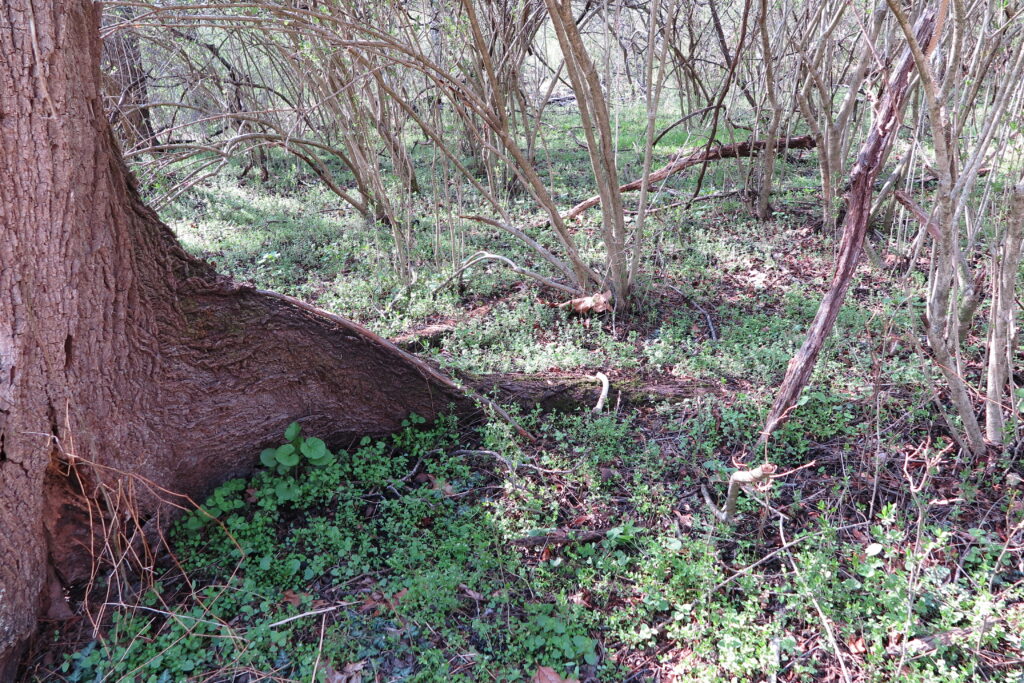
The white-tailed deer antler fragment documented here represents a later stage in that journey. After being shed, weathered, and exposed to natural conditions, the antler eventually became a fragment resting in the landscape. Its presence serves as a reminder that every shed antler begins as part of a yearly cycle that continues throughout the life of a mature buck.
Popular Searches About Deer Antler Fragments
Explore Deer Antler Fragment Guide
Explore More Bones

Support Encounters World
Help support wildlife photography and get behind the scenes discoveries on Patreon.