Bugleweed Growth Guide: Growth Rate, Development, Reproduction, and Life Cycle
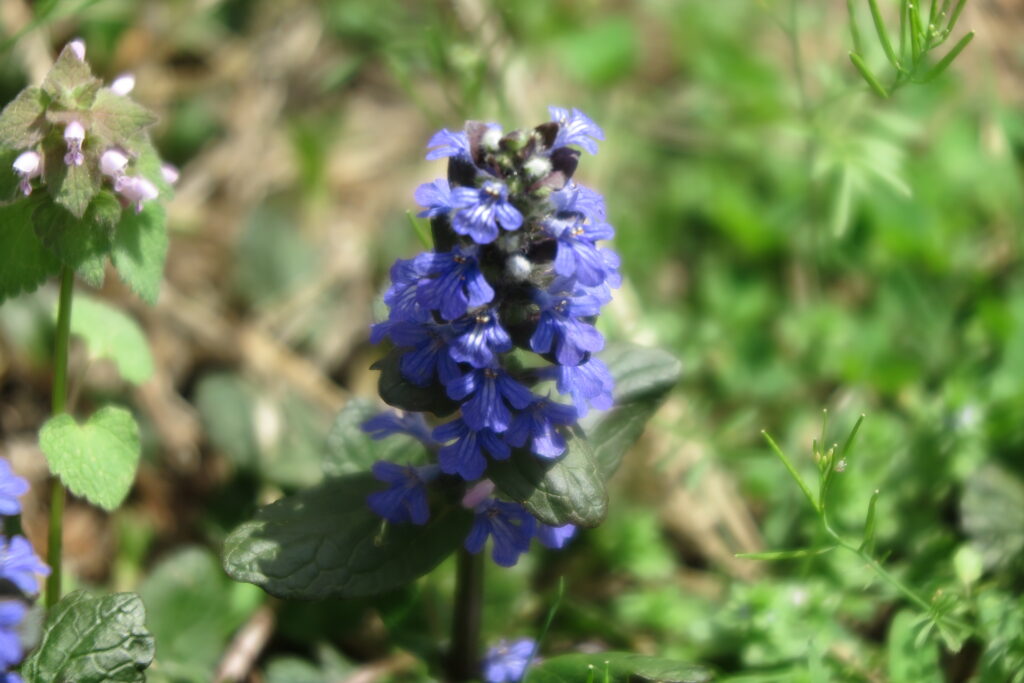
Quick Facts
Growth Rate: Fast
Growth Pattern: Creeping Groundcover
Reproduction Method: Stolons, Seeds, and Division
Dormancy Period: Late Autumn Through Winter
Sunlight Needs: Partial Shade to Full Sun
Water Needs: Moderate
Seasonal Changes: Spring Flowering, Summer Expansion, Winter Dormancy
Bugleweed Growth and Development Through the Seasons
Bugleweed (Ajuga reptans) is a perennial groundcover known for its ability to establish attractive patches of foliage and colorful blooms across a wide range of landscapes. Native to Europe, western Asia, and North Africa, the species has become widely cultivated throughout temperate regions due to its dependable growth and ornamental appeal. Gardeners often value the plant because it combines visual beauty with a vigorous yet manageable development pattern.
Throughout the year, Bugleweed follows a predictable cycle of growth that allows it to remain a long-lasting feature in gardens and naturalized settings. Its seasonal progression is influenced by changing temperatures, daylight levels, and moisture availability. These environmental signals guide the plant through periods of active growth and seasonal rest.
One reason the species has become so popular is its consistency. Established plants typically return each year with little difficulty, producing fresh foliage and flowers on a dependable schedule. This reliability makes Bugleweed attractive to gardeners seeking long-term groundcover solutions.
The plant’s growth strategy emphasizes gradual expansion rather than dramatic vertical development. Energy is directed toward building dense colonies and maintaining healthy foliage across broad areas. As a result, mature patches often become more impressive with each passing season.
Bugleweed Growth Rate and Seasonal Development
Bugleweed is generally considered a fast-growing perennial. Once established, it can spread steadily across available space and quickly create dense mats of vegetation. Compared to many ornamental perennials, it develops ground coverage more rapidly and often fills open areas within only a few growing seasons.
Growth begins to accelerate as temperatures rise in spring. Fresh foliage emerges and existing leaves regain vigor following winter dormancy. During this period, the plant directs substantial resources toward producing new growth and preparing for flowering.
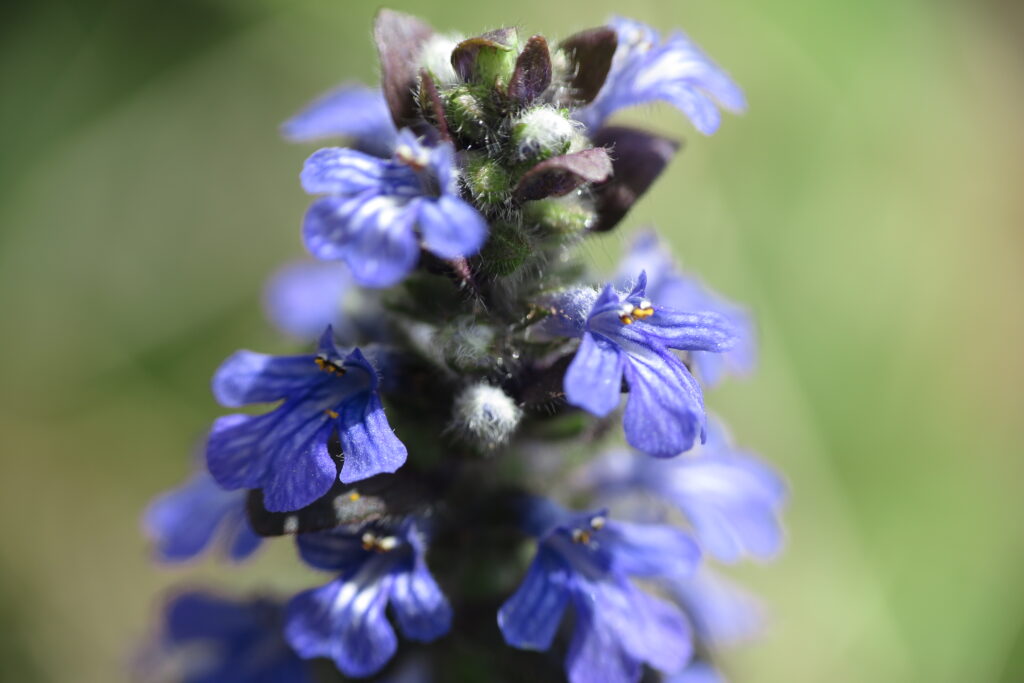
The flowering stage typically occurs during spring and early summer. Colorful flower spikes rise above the foliage and create the vibrant displays for which the species is known. This stage represents one of the most visually striking periods in the plant’s annual cycle.
As summer progresses, attention shifts away from flowering and toward foliage development. Dense leaf coverage continues expanding while the plant strengthens its overall structure. Healthy colonies often become increasingly uniform as growth spreads throughout available space.
A useful comparison is a carefully woven carpet gradually becoming thicker each year. The plant does not simply produce flowers and stop growing. Instead, it continues building coverage and density throughout much of the growing season, allowing mature patches to become more substantial over time.
Bugleweed Growth Patterns and Physical Expansion
The most defining feature of Bugleweed’s growth pattern is its creeping habit. Rather than forming upright clumps or tall stems, the plant expands horizontally across the ground. This strategy allows it to occupy space efficiently and create continuous carpets of foliage.
Growth occurs through elongated runners known as stolons. These structures extend outward from the parent plant and establish new growth points along their length. Over time, a single plant can produce numerous connected offspring that contribute to the expansion of the colony.
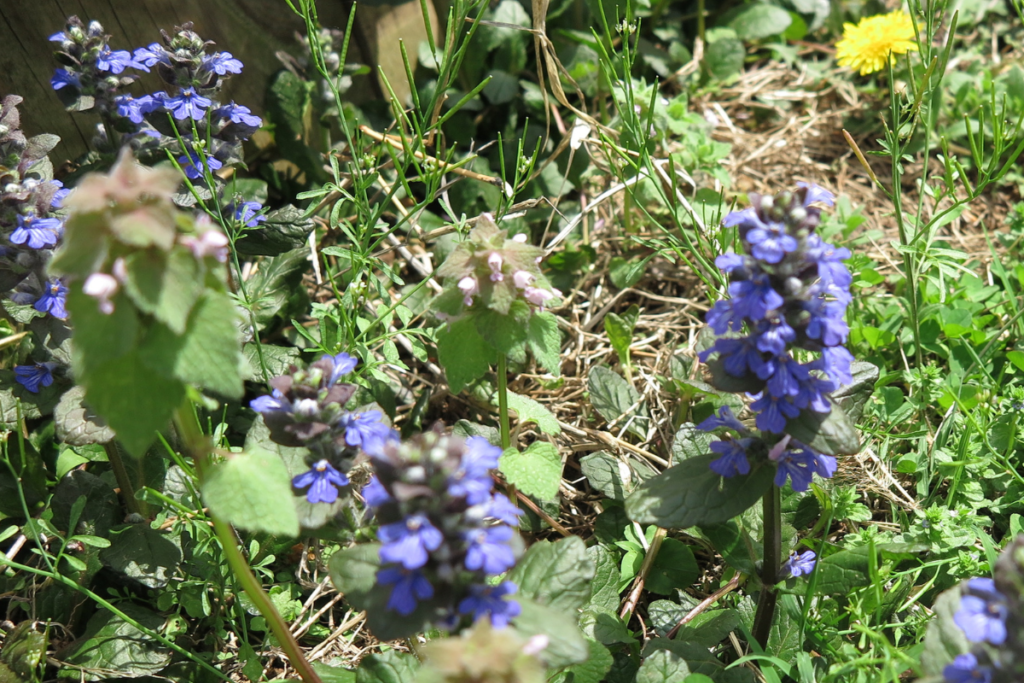
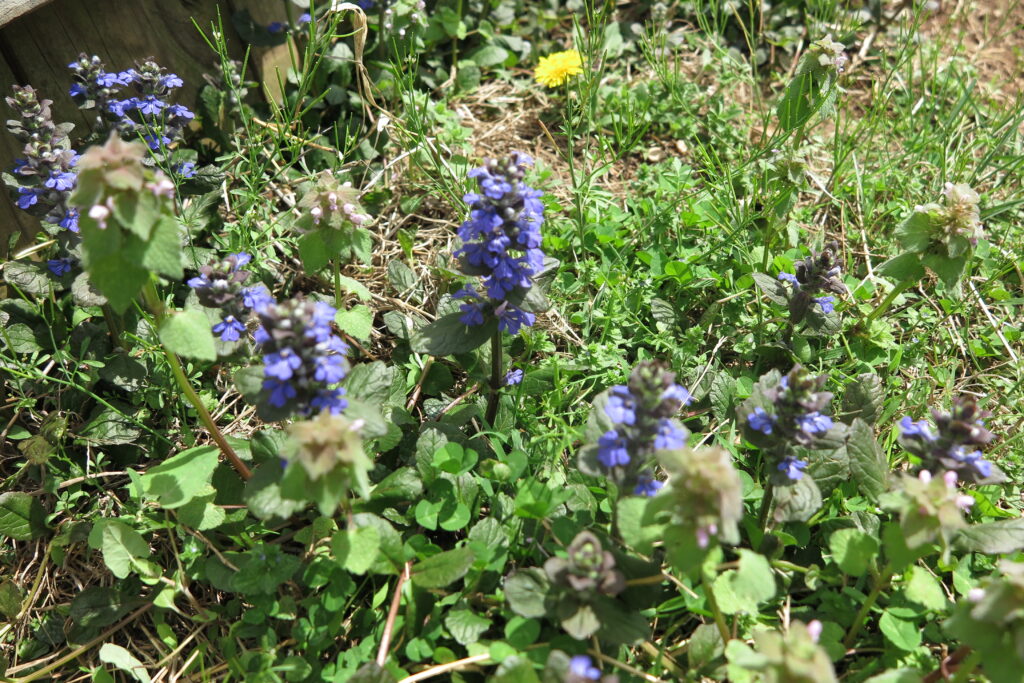
The resulting growth pattern often resembles a living mosaic spreading across the soil surface. Individual plants become interconnected, creating a dense network that gradually fills gaps between established sections. This arrangement helps suppress competing vegetation while maintaining an attractive appearance.
A useful comparison is a blanket slowly unfolding across the ground. Instead of expanding upward, the plant extends outward in multiple directions. This horizontal development explains why Bugleweed is frequently selected as a groundcover rather than a focal specimen plant.
As colonies mature, the distinction between individual plants becomes less obvious. Connected growth forms a continuous layer of foliage interrupted only by seasonal flower spikes. This dense coverage is one of the primary reasons Bugleweed remains popular in ornamental landscapes and garden designs.
Bugleweed Reproduction and Life Cycle Stages
Bugleweed reproduces through both vegetative and sexual methods. The most significant form of reproduction involves stolons, which create new plants that remain connected to the parent colony during establishment. This process allows populations to expand steadily without relying entirely on seed production.
Seed production occurs following successful pollination of the flowers. While seeds contribute to the species’ long-term persistence, vegetative spread generally plays the larger role in colony expansion. New seedlings occasionally establish in suitable locations and add genetic diversity to populations.
The annual life cycle begins with renewed spring growth following winter dormancy. Foliage development is followed by flowering, pollination, and seed formation. Later in the season, resources are directed toward strengthening existing plants and supporting continued expansion through stolons.
As autumn approaches, growth gradually slows. Cooler temperatures and shorter days signal the transition toward dormancy. Although above-ground activity becomes less vigorous, the plant remains alive and prepared to resume development when favorable conditions return.
A useful comparison is a community expanding through both new construction and family growth. Stolons create immediate local expansion, while seeds provide opportunities for establishment in new locations. Together, these reproductive strategies help Bugleweed maintain healthy populations and remain one of the most successful perennial groundcovers in temperate landscapes.
Popular Searches About Bugleweed
Explore Bugleweed Guide
Explore More Plants

Support Encounters World
Help support wildlife photography and get behind the scenes discoveries on Patreon.