Bugleweed Companion Plants Guide: Best Plants to Grow with Bugleweed
Quick Facts
Best Companion Type: Shade-Tolerant Perennials
Ideal Garden Style: Woodland and Cottage Gardens
Sunlight Compatibility: Partial Shade to Full Sun
Moisture Preference: Moderate Moisture
Growth Pairing: Groundcovers, Ferns, and Perennials
Landscape Use: Borders, Underplantings, and Naturalized Areas
Main Benefit: Creates Layered Color and Texture
Choosing Companion Plants for Bugleweed
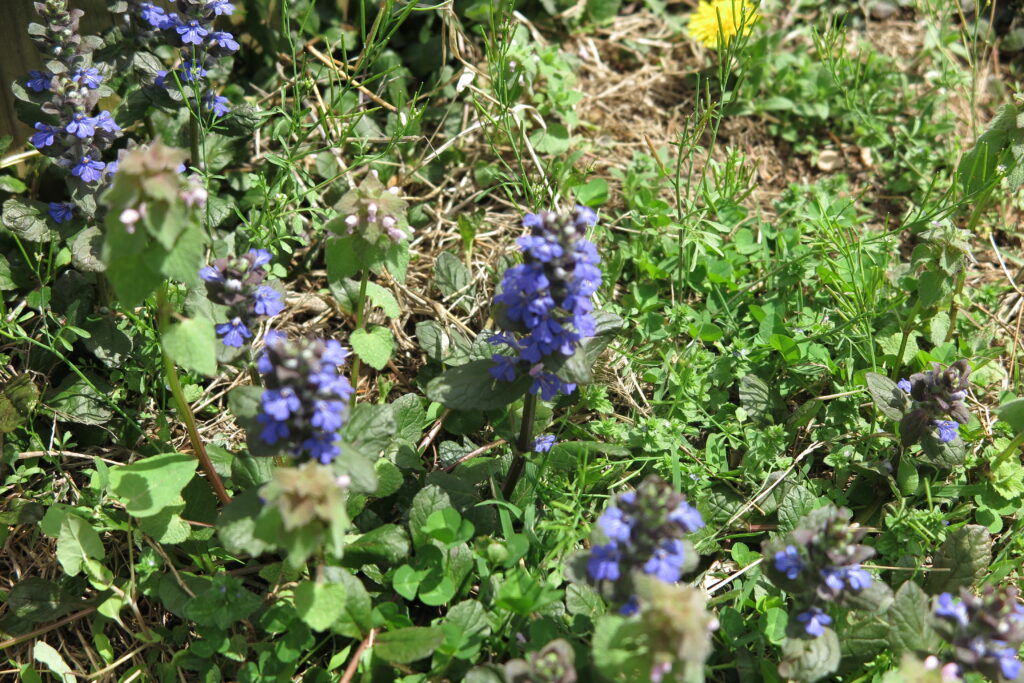
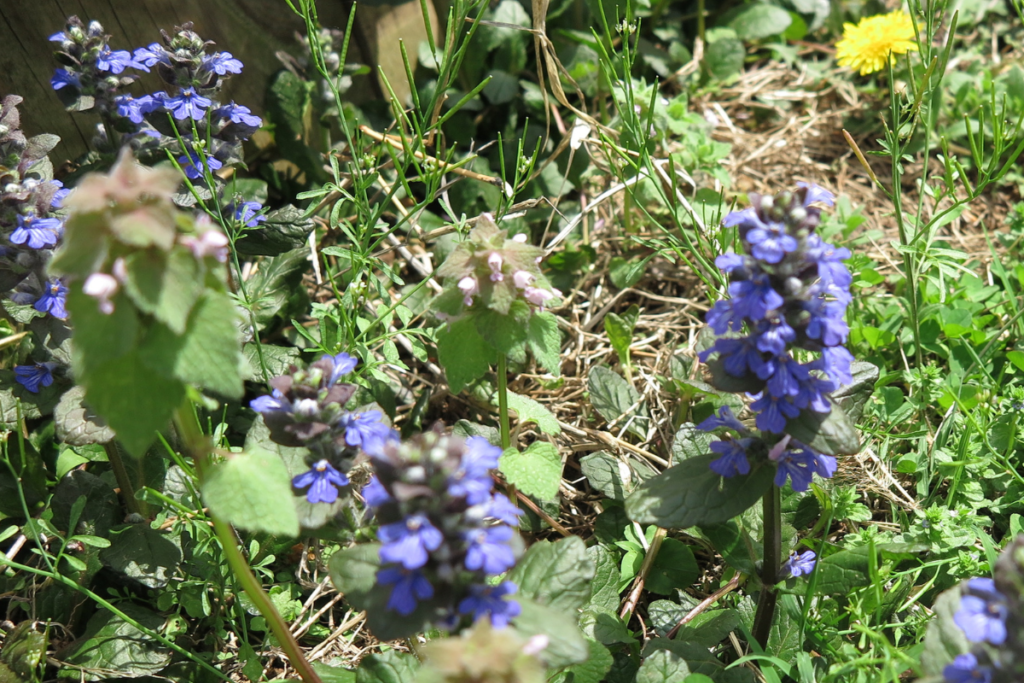
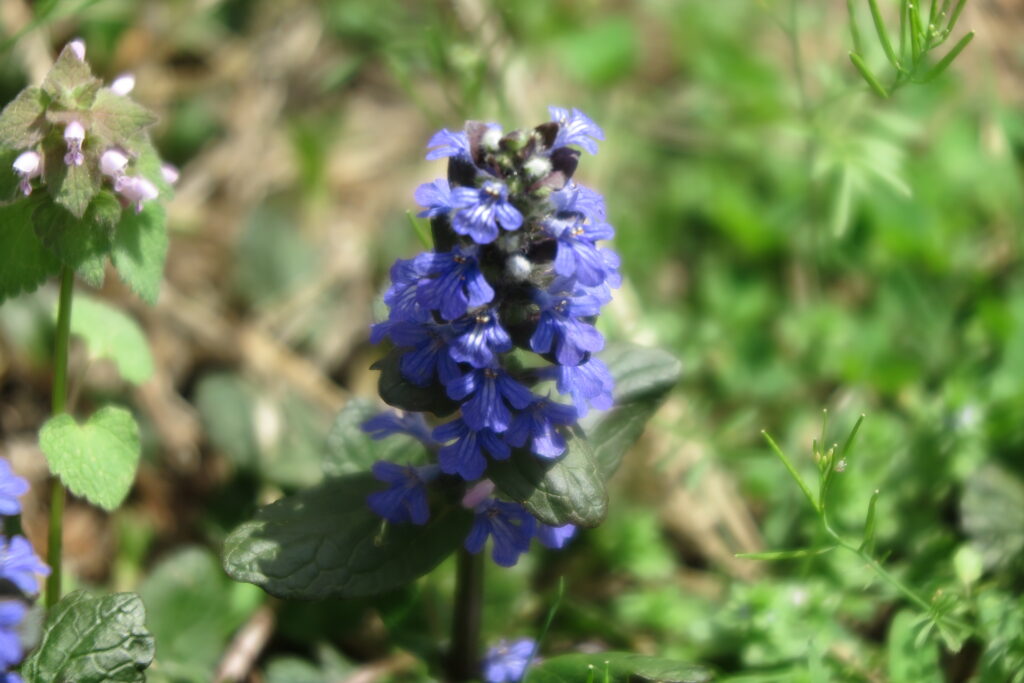
Bugleweed (Ajuga reptans) is one of the most versatile groundcover plants used in gardens today. Its colorful flower spikes, attractive foliage, and low-growing habit allow it to blend naturally with a wide variety of ornamental species. Because it occupies the lower layer of the landscape, it often serves as a foundation plant around which larger perennials and shrubs can be arranged.
Successful companion planting involves more than simply combining attractive flowers. Plants should share similar growing requirements while also providing visual contrast. Height, texture, leaf shape, bloom timing, and color all contribute to how well different species work together within a garden setting.
Bugleweed is particularly useful because it fills open spaces without completely dominating taller plants. Its dense foliage covers bare soil while allowing neighboring species to remain the primary focal points. This supporting role makes it an excellent companion for many woodland and shade-garden favorites.
A well-designed planting often resembles a natural plant community rather than a collection of unrelated species. When Bugleweed is paired with suitable companions, the result can create a layered and visually balanced landscape that remains attractive throughout much of the growing season.
Best Perennial Companions for Bugleweed
Hostas are among the most popular companions for Bugleweed. Their large leaves create a bold contrast against Bugleweed’s smaller foliage, while similar moisture and light requirements allow both plants to thrive together. The combination of broad hosta leaves and colorful Bugleweed flowers creates a visually appealing arrangement.
Coral Bells (Heuchera) also pair exceptionally well with Bugleweed. Both plants offer attractive foliage, and many coral bell varieties display burgundy, bronze, or silver leaves that complement Bugleweed’s green or purple-toned foliage. Together they create year-round texture even when flowers are absent.
Astilbes provide another excellent partnership. Their feathery flower plumes rise well above Bugleweed’s low-growing foliage, creating strong vertical contrast. The difference in height allows each plant to contribute unique visual elements without competing for attention.
A useful comparison is a layered forest scene. Bugleweed forms the ground layer, coral bells occupy the middle level, and astilbes provide the taller accents. This arrangement creates depth and interest while maintaining a natural appearance.
Lungwort (Pulmonaria) is another compatible perennial. Its spotted foliage and early-season flowers combine well with Bugleweed’s spring bloom period, creating colorful displays that brighten shaded garden areas before many summer perennials become active.
Woodland and Shade Garden Pairings
Ferns are among the most effective companions for Bugleweed in woodland gardens. Their delicate fronds create a soft, airy texture that contrasts beautifully with Bugleweed’s dense foliage. The difference in structure makes both plants stand out more effectively than they would alone.
Japanese Painted Ferns are particularly attractive because of their silver-green foliage. The metallic tones provide contrast against Bugleweed’s darker leaves while contributing additional color variation to shaded plantings. This pairing often appears in professionally designed woodland gardens.
Bleeding Hearts also work well alongside Bugleweed. Their arching stems and heart-shaped flowers introduce a graceful form that complements the groundcover’s dense growth. During spring, both species contribute significant ornamental value at the same time.
A useful comparison is the relationship between a forest floor and the vegetation rising above it. Bugleweed forms a stable foundation while ferns and flowering perennials create the upper layers. This natural arrangement mirrors patterns often observed in woodland ecosystems.
Native woodland wildflowers can also serve as excellent companions. Species such as Virginia Bluebells and Foamflower share similar environmental preferences and create attractive seasonal displays. These combinations help establish gardens that feel natural and ecologically connected.
Creating Balanced Garden Designs with Bugleweed
When selecting companion plants, height variation is one of the most important design considerations. Since Bugleweed remains low to the ground, pairing it with medium-height and tall plants creates visual depth. Landscapes composed entirely of low-growing species can appear flat and less dynamic.
Color coordination also influences the success of companion plantings. Purple Bugleweed flowers combine well with white, pink, yellow, and blue blooms. The plant’s foliage often serves as a neutral backdrop that enhances surrounding flower colors rather than competing with them.
A useful comparison is arranging furniture within a room. Different sizes, shapes, and textures create a balanced space, while identical pieces may appear repetitive. Garden design follows a similar principle, with contrasting plants contributing to a more visually engaging landscape.
Seasonal interest should also be considered. Combining Bugleweed with species that bloom at different times extends color throughout the growing season. Early spring flowers, summer perennials, and attractive foliage plants ensure that the garden remains appealing long after Bugleweed’s flowering period has ended.
The best companion plants for Bugleweed are those that share similar growing requirements while offering contrasting textures, heights, and colors. Hostas, coral bells, ferns, astilbes, lungwort, bleeding hearts, and woodland wildflowers all create successful combinations. Together, these plants transform Bugleweed from a simple groundcover into an important component of layered, attractive, and long-lasting garden designs.
Popular Searches About Bugleweed
Explore Bugleweed Guide
Explore More Plants

Support Encounters World
Help support wildlife photography and get behind the scenes discoveries on Patreon.