Bugleweed vs Creeping Charlie: Key Differences, Identification, and Comparison Guide
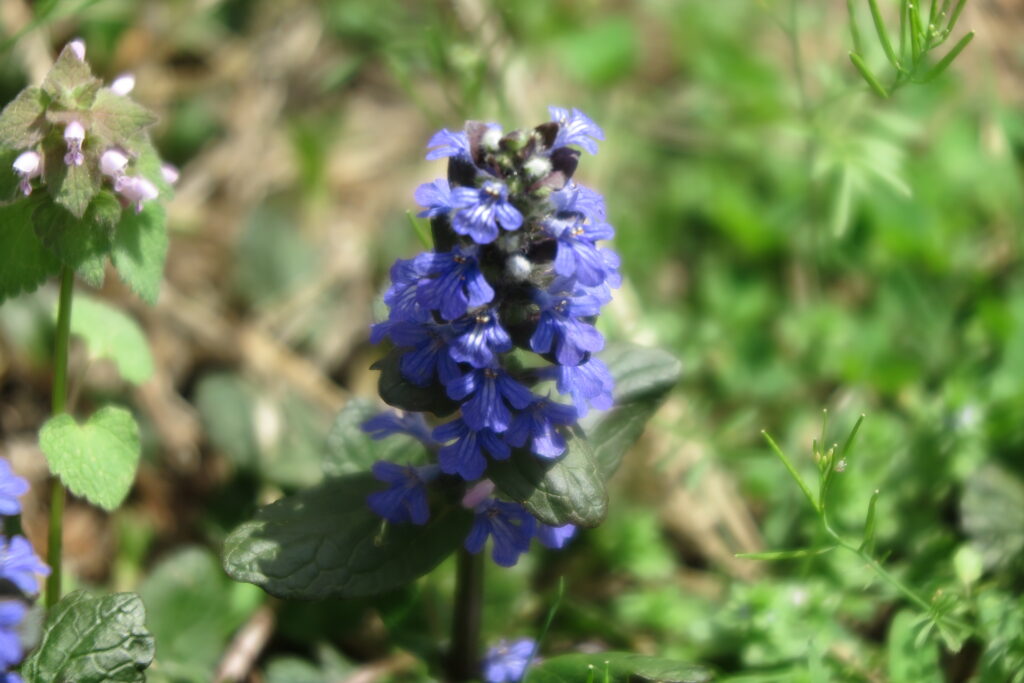
Quick Facts
Bugleweed Scientific Name: Ajuga reptans
Creeping Charlie Scientific Name: Glechoma hederacea
Plant Family: Both Belong to the Mint Family (Lamiaceae)
Growth Habit: Groundcover vs Creeping Lawn Weed
Flower Color: Blue to Purple vs Lavender to Purple
Common Confusion: Similar Leaves and Flower Colors
Main Difference: Upright Flower Spikes vs Flowers Along Creeping Stems
Bugleweed and Creeping Charlie Overview
Many gardeners and nature enthusiasts encounter Bugleweed and Creeping Charlie growing in similar environments and immediately wonder whether they are looking at the same plant. Both species belong to the mint family, produce purple-toned flowers, and spread close to the ground. Their shared characteristics often lead to confusion, especially when plants are viewed from a distance.
Bugleweed (Ajuga reptans) originated in Europe, western Asia, and North Africa before becoming a popular ornamental groundcover throughout temperate regions. Creeping Charlie (Glechoma hederacea) shares a similar geographic origin and has likewise spread widely through cultivation and accidental introduction. As a result, both plants now occur in many of the same landscapes.
The confusion becomes even more understandable during spring when both species are actively growing and flowering. Patches of purple blooms combined with low-growing foliage can create a very similar first impression. A closer look, however, reveals major differences in structure, appearance, and growth behavior.
Learning to distinguish these plants is useful for both gardeners and naturalists. One species is often intentionally planted as an ornamental, while the other is commonly regarded as a lawn weed. Recognizing the differences helps prevent misidentification and supports better landscape management decisions.
Comparing Overall Growth Form and Appearance
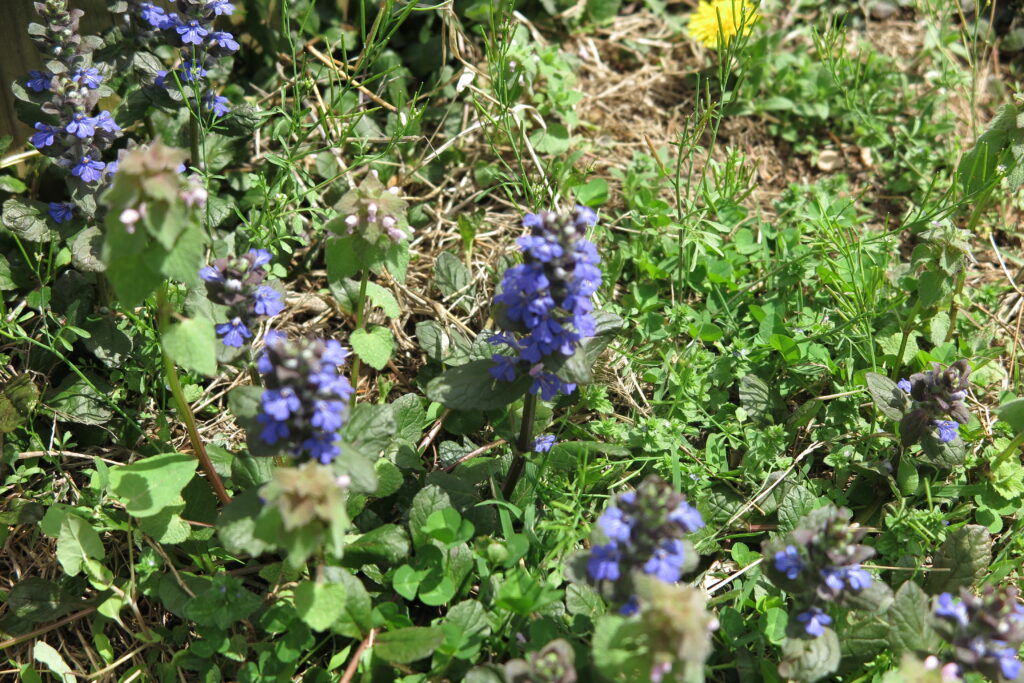
The easiest difference to notice is the overall shape of the plant. Bugleweed develops as a dense groundcover with flower spikes that rise noticeably above the foliage. The flowers create vertical accents that stand out clearly from the leaf layer below.
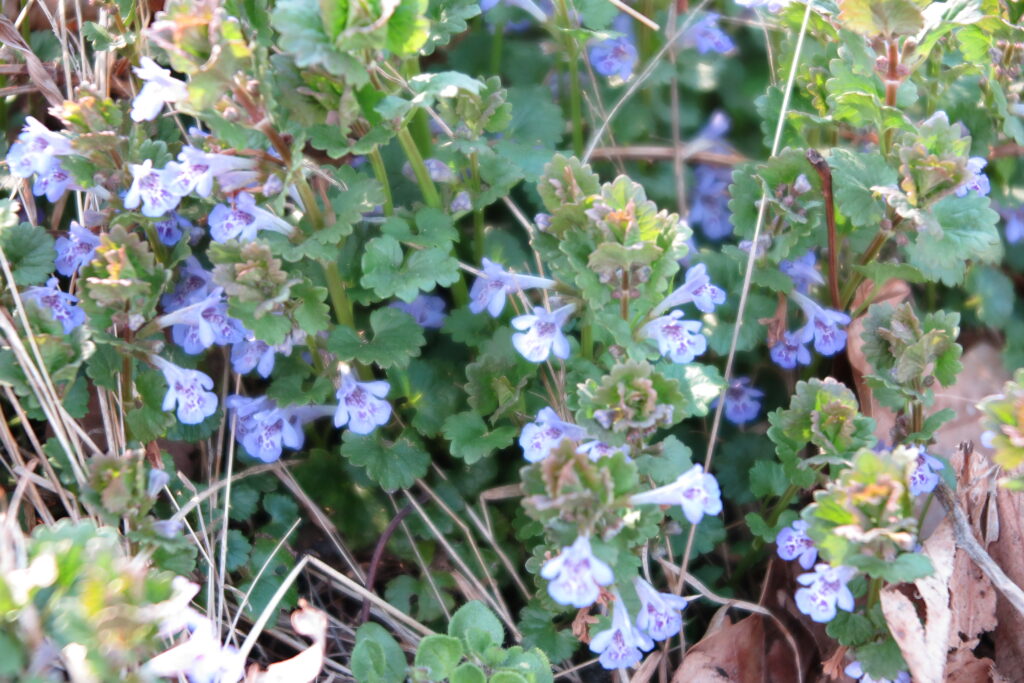
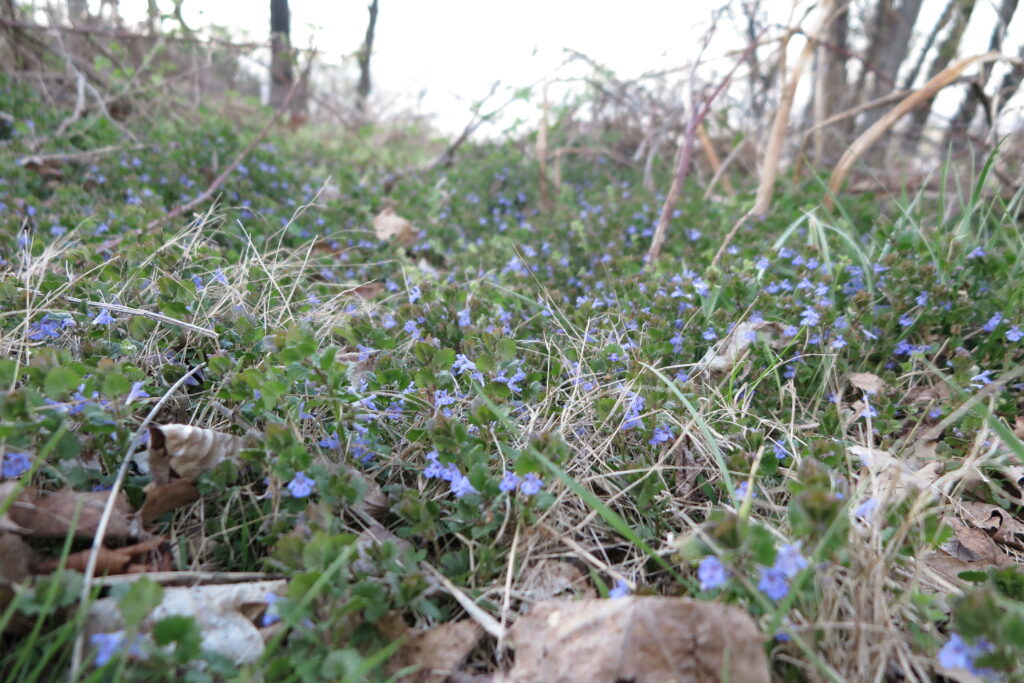
Creeping Charlie produces a flatter appearance. Its flowers emerge directly from creeping stems and remain much closer to the ground. Instead of forming upright floral columns, the blooms appear scattered throughout the vegetation.
From a distance, a Bugleweed patch often resembles a carpet decorated with miniature towers of purple flowers. Creeping Charlie creates a more uniform mat where flowers seem woven into the foliage itself. This contrast becomes obvious once observers compare the two side by side.
A useful comparison is the difference between a field of candles and a patterned rug. Bugleweed’s flower spikes resemble small candles rising above the leaves, while Creeping Charlie keeps most of its floral display integrated into the groundcover. This distinction remains one of the fastest ways to separate the two species.
Size can also provide clues. Mature Bugleweed often appears more structured and organized, while Creeping Charlie tends to create sprawling patches with a looser appearance. Although both spread across the ground, their overall visual impressions are surprisingly different.
Leaf, Stem, and Structural Differences
Leaf shape provides another reliable identification feature. Bugleweed leaves are typically oval, spoon-shaped, or elongated with gently scalloped edges. They often form dense rosettes and may display green, bronze, or burgundy coloration depending on the variety.
Creeping Charlie leaves are noticeably rounder. Many resemble small kidney shapes or rounded fans with pronounced scalloped margins. The leaf shape is often one of the first clues experienced gardeners use when identifying the species.
Stem structure differs significantly as well. Bugleweed produces upright flowering stems rising from a dense groundcover base. Creeping Charlie relies heavily on creeping stems that run horizontally along the soil surface and root at various points.
A useful comparison is the difference between a planted flower bed and a spreading vine. Bugleweed maintains a more organized structure with distinct flowering stalks, while Creeping Charlie behaves more like a wandering network of interconnected stems. This growth pattern strongly influences how each plant appears in the landscape.
Leaf arrangement can further aid identification. While both belong to the mint family and possess opposite leaves, Bugleweed generally develops larger foliage concentrated near the ground. Creeping Charlie distributes leaves more evenly along its creeping stems, creating a different visual texture.
Flowers, Spread Patterns, and Common Misidentification
Flower arrangement is often the most definitive identification feature. Bugleweed produces dense flower spikes containing numerous blossoms stacked vertically along the stem. These spikes create one of the plant’s most recognizable characteristics and are difficult to mistake once observed closely.
Creeping Charlie flowers appear in smaller clusters emerging from leaf axils along the stem. Rather than forming a single upright spike, individual blooms are distributed throughout the plant. This arrangement creates a less dramatic floral display but remains highly distinctive.
Color alone is not a reliable identification feature because both species commonly produce blue-purple flowers. Gardeners who focus only on flower color frequently misidentify the plants. Observing the arrangement of the blooms provides much more accurate results.
Spread patterns also differ. Bugleweed expands through stolons and often remains confined to relatively dense patches. Creeping Charlie spreads aggressively through creeping stems that root wherever nodes contact the soil. This growth habit allows it to move rapidly through lawns and garden beds.
A useful comparison is the difference between a planted groundcover and a roaming lawn weed. Bugleweed generally stays more contained and decorative, while Creeping Charlie actively searches for new territory through its creeping stems. Understanding this distinction helps explain why Bugleweed is commonly cultivated while Creeping Charlie is frequently targeted for removal.
Although these plants share family ties, purple flowers, and low-growing habits, careful observation reveals clear differences. Flower spikes, leaf shape, stem structure, and spread patterns all provide reliable clues. Once these features become familiar, distinguishing Bugleweed from Creeping Charlie becomes one of the easier plant comparisons encountered in gardens, lawns, and naturalized landscapes.
Popular Searches About Bugleweed
Explore Bugleweed Guide
Explore More Plants

Support Encounters World
Help support wildlife photography and get behind the scenes discoveries on Patreon.