Bugleweed Care Guide: Watering, Sunlight, Soil, and Maintenance Tips
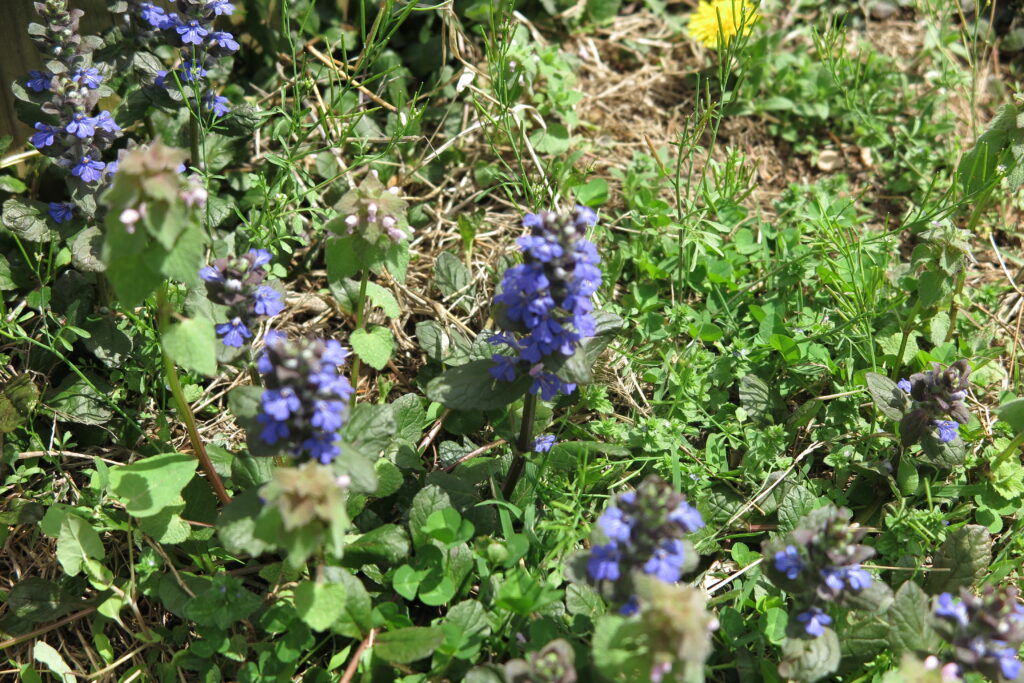
Quick Facts
Difficulty Level: Easy
Sunlight Requirements: Partial Shade to Full Sun
Water Requirements: Moderate
Soil Preference: Loamy, Well-Drained, Organic-Rich Soil
Maintenance Level: Low to Moderate
Cold Hardiness: High
Best Garden Use: Groundcover and Border Planting
Bugleweed Care Basics for Healthy Growth
Bugleweed (Ajuga reptans) has earned a reputation as one of the easiest ornamental groundcovers to maintain. Gardeners often choose the species because it combines attractive foliage, colorful flowers, and dependable performance without demanding extensive attention. Once established, it can remain a long-lasting feature in landscapes with relatively little intervention.
Originally native to parts of Europe, western Asia, and North Africa, Bugleweed has adapted well to cultivation across temperate regions. Its flexibility allows it to perform successfully in a variety of garden settings, ranging from formal landscape beds to naturalized plantings. This adaptability contributes greatly to its popularity among both beginner and experienced gardeners.
Although the plant is generally forgiving, proper care can significantly improve its appearance. Healthy foliage, abundant flowers, and controlled spread are more easily achieved when environmental conditions align with the plant’s preferences. Small adjustments in maintenance often produce noticeable improvements.
Many gardeners appreciate Bugleweed because it provides visual interest throughout much of the year. Dense foliage remains attractive even when flowers are absent, making the plant useful beyond its blooming season. Understanding its basic care requirements helps maximize both beauty and long-term performance.
Sunlight and Soil Requirements for Bugleweed
Bugleweed performs best when provided with moderate light conditions. Partial shade is often considered ideal because it balances healthy foliage production with reliable flowering. Areas receiving morning sun and afternoon shade frequently support some of the most attractive growth.
The plant also tolerates brighter locations. In cooler climates, full sun may produce excellent flowering displays when adequate moisture is available. However, intense sunlight combined with dry conditions can sometimes stress foliage and reduce its visual quality.
Soil quality plays an important role in overall plant health. Loamy soils enriched with organic matter often provide the best results. These soils supply nutrients while maintaining a balance between drainage and moisture retention.
A useful comparison is a sponge that remains moist without becoming saturated. Ideal Bugleweed soil behaves in a similar way by holding enough water for consistent growth while preventing prolonged waterlogging. This balance supports healthy roots and vigorous foliage development.
Heavy clay soils may require improvement before planting. Adding compost or other organic materials can enhance structure and improve growing conditions. Well-prepared soil often contributes to stronger establishment and better long-term performance.
Watering and Seasonal Maintenance Needs
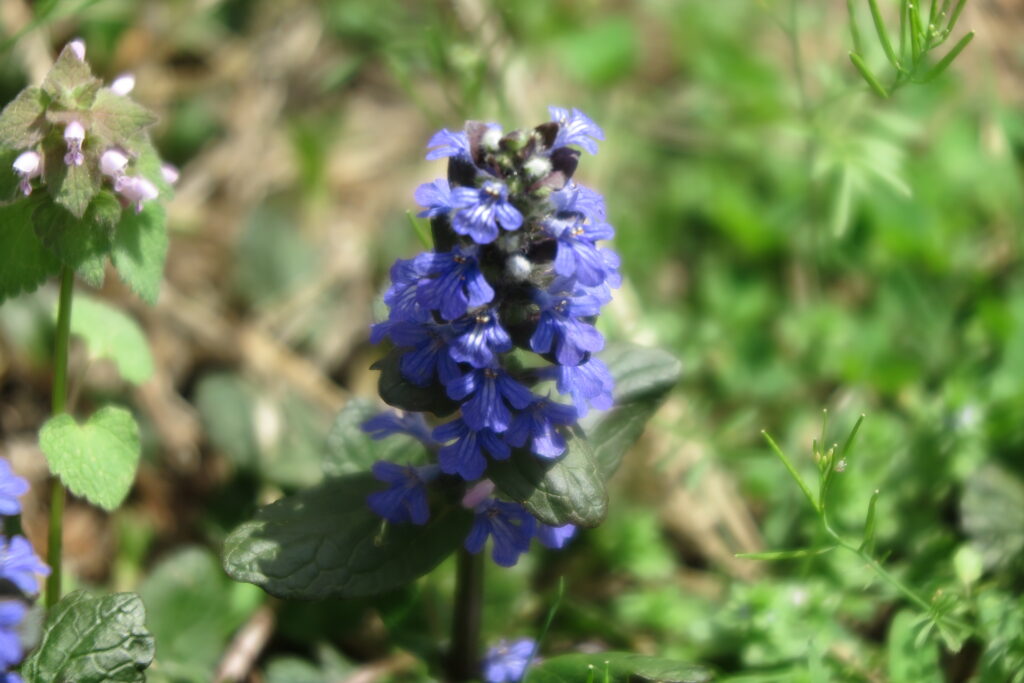
Moderate moisture is generally preferred by Bugleweed. Newly planted specimens benefit from regular watering until roots become established. Consistent moisture during this early stage encourages stronger growth and helps plants adapt to their new environment.
Established colonies become more resilient but still perform best when prolonged drought is avoided. Extended dry periods may cause foliage to appear less vibrant and reduce overall vigor. Supplemental watering during unusually dry weather often helps maintain a healthier appearance.
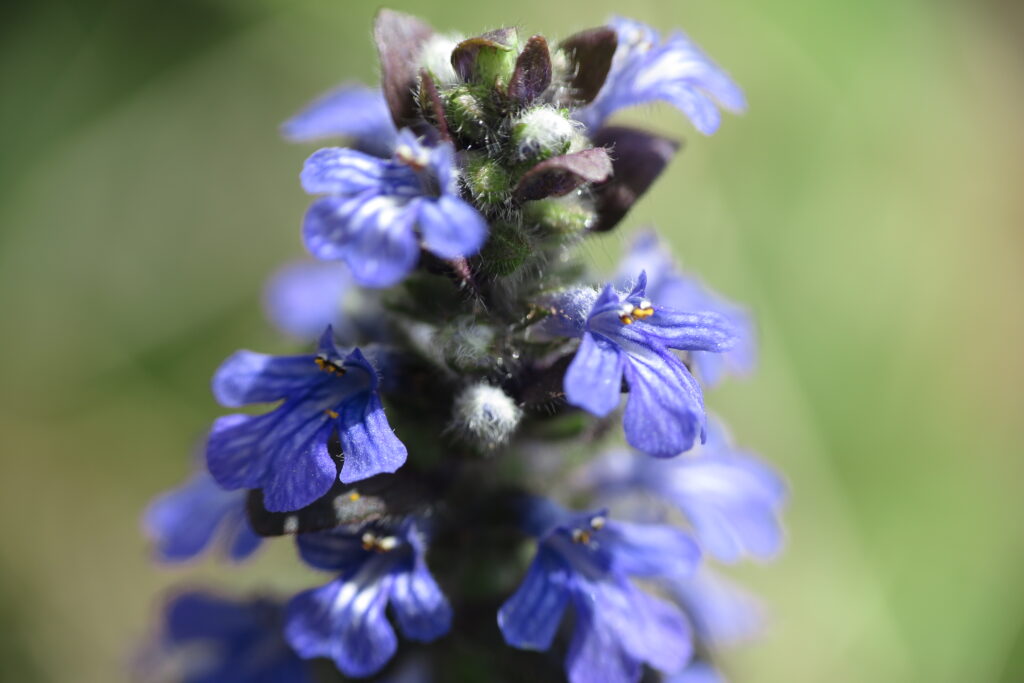
Seasonal maintenance requirements remain relatively simple. Removing damaged or unattractive leaves can improve appearance and encourage fresh growth. Many gardeners also trim spent flower spikes after blooming to keep plantings neat and orderly.
A useful comparison is routine lawn maintenance. Small amounts of regular attention often prevent larger problems from developing later. Periodic cleanup and monitoring help maintain attractive colonies without requiring extensive effort.
Mulching can provide additional benefits by conserving soil moisture and reducing weed competition. Organic mulches also gradually improve soil quality as they break down. These improvements support long-term plant health while reducing maintenance demands.
Managing Growth and Long-Term Bugleweed Care
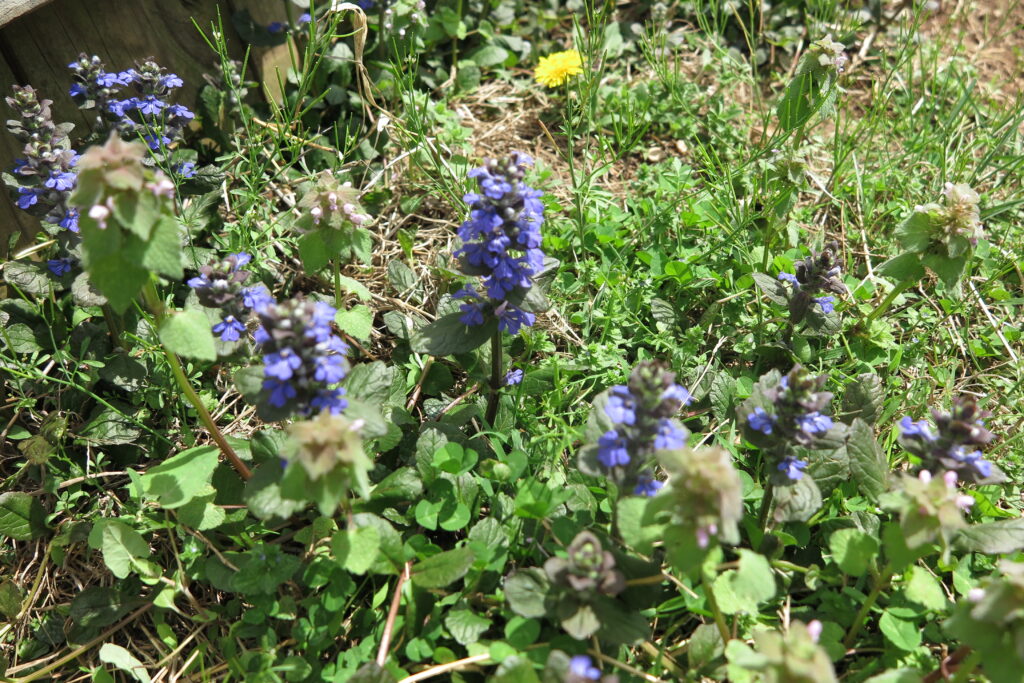
One of the most important aspects of Bugleweed care involves monitoring spread. The plant’s ability to expand through stolons makes it an effective groundcover, but unmanaged colonies may eventually move beyond intended boundaries. Regular observation helps prevent unwanted expansion.
Dividing established patches can be beneficial when colonies become crowded. Separation of vigorous sections creates opportunities for new plantings while improving airflow within existing beds. This practice also helps maintain healthy and productive growth.
Fertilizer requirements are generally modest. Excessive fertilization may encourage lush foliage at the expense of balanced development. In many gardens, healthy soil enriched with organic matter provides sufficient nutrients without the need for heavy feeding.
A useful comparison is maintaining a hedge rather than a high-maintenance flower bed. Occasional shaping and monitoring keep the planting attractive without requiring constant intervention. Bugleweed rewards consistent but relatively simple care practices.
Long-term success depends on balancing growth, moisture, sunlight, and space. When these factors are managed appropriately, Bugleweed can remain an attractive landscape feature for many years. Its combination of beauty, adaptability, and ease of maintenance explains why it continues to be one of the most widely used groundcovers in temperate gardens.
Popular Searches About Bugleweed
Explore Bugleweed Guide
Explore More Plants

Support Encounters World
Help support wildlife photography and get behind the scenes discoveries on Patreon.