
Gold Laced Wyandotte Behavior Guide: Temperament, Activity Patterns, and Survival Traits
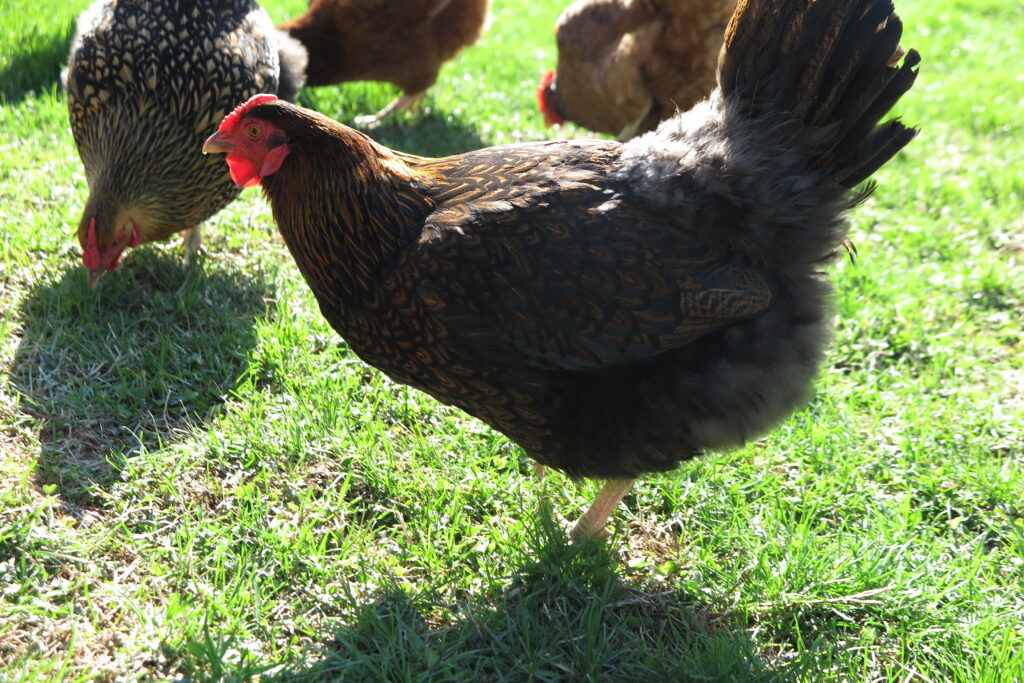
Quick Facts
Activity Type: Diurnal
Social Structure: Flock-oriented social bird
Territorial Behavior: Mildly territorial within pecking-order groups
Movement Style: Steady walking with frequent pauses and ground investigation
Communication Method: Clucks, warning calls, posture displays, and visual signals
Defense Strategy: Vigilance, flock awareness, and rapid retreat to shelter
Introduction to Gold Laced Wyandotte Behavior
The Gold Laced Wyandotte is a heritage chicken breed recognized for its distinctive feather pattern and balanced temperament. Originally developed in the United States, the breed is now found in backyard flocks, farms, and poultry collections across much of the world. Its widespread popularity has allowed poultry keepers in many regions to observe its unique behavioral tendencies firsthand.
Watching a Gold Laced Wyandotte in a farmyard often reveals a bird that appears purposeful and attentive. Rather than moving constantly or remaining inactive for long periods, it tends to maintain a steady rhythm throughout the day. This creates an impression of a chicken that is engaged with its surroundings without appearing restless.
In mixed flocks, Gold Laced Wyandottes are frequently observed remaining close to other chickens while still maintaining their own space. Their actions often seem measured and deliberate, reflecting a balance between curiosity and caution. This combination contributes to the breed’s reputation as a dependable and adaptable flock member.
Across different environments and climates, Gold Laced Wyandottes generally display consistent behavioral patterns. Whether seen in a small backyard enclosure or a larger agricultural setting, they often appear aware of nearby activity while remaining calm and composed. This steady demeanor makes them particularly interesting subjects for observation.
Gold Laced Wyandotte Behavioral Tendencies and Daily Temperament
Gold Laced Wyandottes are typically considered moderately active chickens with a calm but alert disposition. They are neither among the most energetic poultry breeds nor among the most passive. Instead, they occupy a middle ground that allows them to remain observant while conserving energy when necessary.
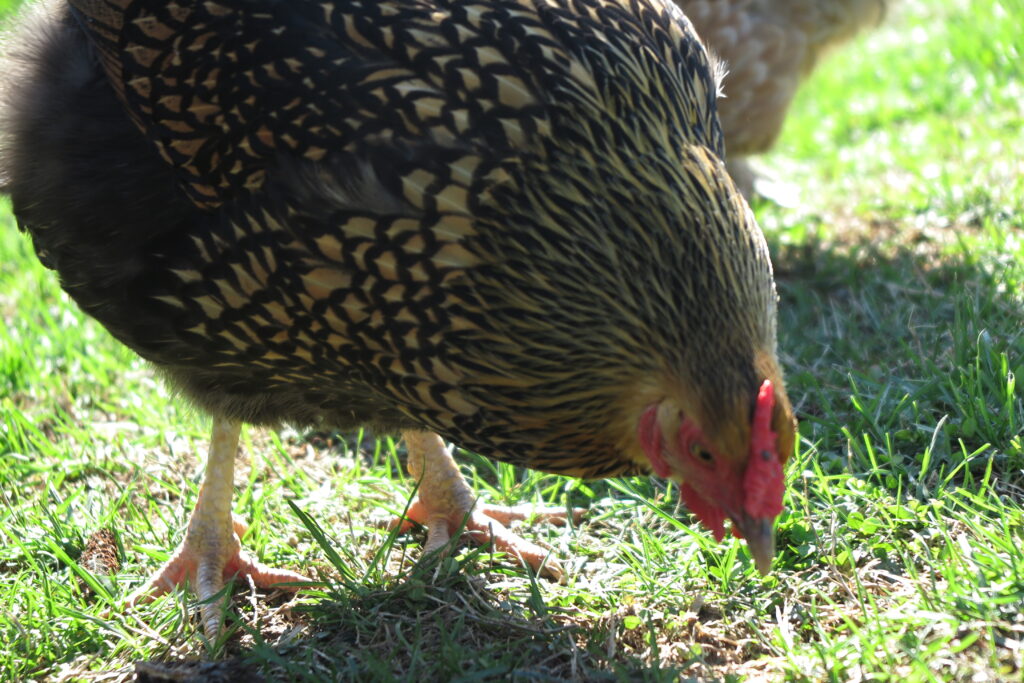
When left undisturbed, these chickens often spend extended periods quietly exploring their surroundings. Their behavior can resemble a person browsing through a bookstore, moving slowly from one point of interest to another while remaining attentive to what is happening nearby. This creates an appearance of thoughtful investigation rather than hurried activity.
Adaptability is another important aspect of their behavior. Gold Laced Wyandottes generally adjust well to changing flock compositions and varying levels of human presence. They often maintain a stable temperament even when introduced to new routines or unfamiliar environments, which contributes to their popularity among poultry keepers.
The breed also demonstrates a balanced response to environmental stimulation. Sudden movement or unusual sounds may capture attention, but Gold Laced Wyandottes often pause to assess the situation before reacting. This measured response contrasts with highly nervous breeds that immediately flee from disturbances.
Social awareness plays a significant role in daily behavior. Individual birds frequently monitor nearby flock members and subtly adjust their actions based on group activity. If several birds become interested in a particular area, others often investigate as well, reinforcing flock cohesion throughout the day.
Although individual personalities vary, Gold Laced Wyandottes are generally regarded as predictable and manageable birds. Their combination of attentiveness, adaptability, and social awareness creates a behavioral profile that feels steady rather than extreme. This balanced temperament remains one of the defining characteristics of the breed.
Gold Laced Wyandotte Movement and Activity Patterns
Gold Laced Wyandottes are active primarily during daylight hours, with activity increasing shortly after sunrise and gradually decreasing near sunset. Morning often marks the beginning of their most productive period, when birds become fully engaged with their surroundings. Throughout the day, activity remains relatively consistent before slowing as evening approaches.
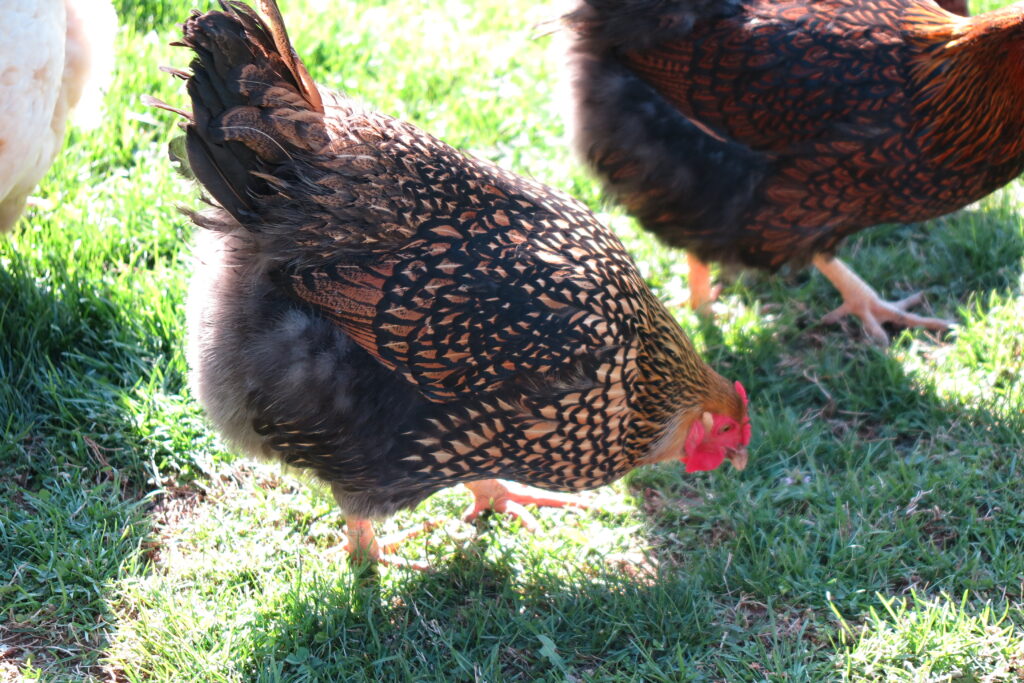
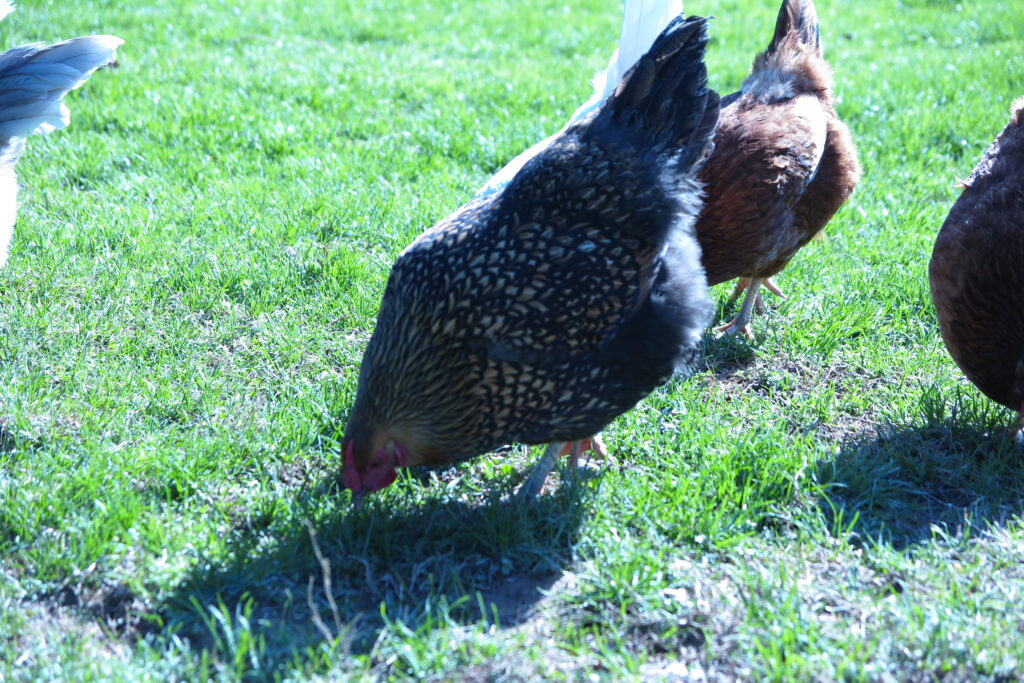
Their movement style is deliberate and controlled rather than rapid or erratic. A Gold Laced Wyandotte typically walks with steady steps, pausing frequently to inspect the ground or observe nearby activity. This pattern creates an efficient form of movement that allows the bird to cover an area thoroughly without expending excessive energy.
When viewed from a distance, their movement can resemble a person conducting a careful search across a field. Progress occurs in short segments, with regular pauses that interrupt continuous travel. This stop-and-go rhythm helps explain why the breed often appears observant even while actively moving.
Seasonal conditions can influence activity levels. During cooler periods, movement may become concentrated during the warmest portions of the day. In warmer seasons, birds often distribute activity more evenly while taking advantage of favorable conditions for extended exploration.
Energy conservation is evident in how Gold Laced Wyandottes balance movement and rest. Rather than remaining in constant motion, they frequently alternate between active periods and short intervals of inactivity. This pattern allows them to sustain daily activity without appearing exhausted or overly energetic.
The breed’s broad body structure contributes to a stable walking style. Unlike lighter chickens that may move with quick bursts of speed, Gold Laced Wyandottes generally display controlled and balanced locomotion. Their movements appear efficient and practical, reflecting a bird designed for steady activity rather than athletic performance.
Gold Laced Wyandotte Interaction and Survival Behavior
Gold Laced Wyandottes rely heavily on awareness and social coordination when interacting with the world around them. Within a flock, birds continuously observe one another and often respond collectively to changes in the environment. This shared vigilance increases the ability of the group to detect potential threats.
When confronted with unfamiliar situations, Gold Laced Wyandottes commonly display caution before taking action. They often raise their heads, focus attention on the source of concern, and briefly remain still while assessing the situation. This pause provides valuable information before a response is chosen.
A common survival instinct involves freezing after detecting sudden movement. By remaining motionless for a moment, the bird can gather visual information without immediately drawing additional attention to itself. If the perceived threat continues, the response may shift toward retreat or seeking the security of nearby flock members.
Interactions within the flock are generally structured by an established social hierarchy. While disputes occasionally occur, most social encounters involve subtle displays of position rather than constant confrontation. These interactions help maintain order while minimizing unnecessary conflict.
Communication occurs through a combination of vocal sounds and body language. Soft clucks often maintain flock awareness, while sharper calls can signal concern or alertness. Changes in posture, head position, and movement patterns also communicate information to nearby birds without requiring constant vocalization.
When danger becomes more immediate, Gold Laced Wyandottes typically depend on rapid movement toward shelter and group cohesion. Birds often react together, creating a coordinated response that improves overall flock safety. This instinct to remain connected while responding to threats highlights the importance of social behavior in the survival strategies of this distinctive heritage chicken breed.
Popular Searches About Gold Laced Wyandotte
Explore Gold Laced Wyandotte Guide
Explore More Domestic Animals

Support Encounters World
Help support wildlife photography and get behind the scenes discoveries on Patreon.