
Gold Laced Wyandotte Colors Guide: Color Varieties, Feather Patterns, and Breed Differences
Quick Facts
Most Popular Variety: Gold Laced Wyandotte
Recognized Color Varieties: Multiple
Primary Feather Pattern: Laced
Adult Weight: 6–8.5 Pounds
Global Range: Domestic breed found worldwide
Breed Status: Heritage Chicken Breed
Notable Feature: One of the widest ranges of recognized color varieties among heritage chickens
Introduction to Gold Laced Wyandotte Colors
The Gold Laced Wyandotte is widely regarded as one of the most beautiful chicken varieties ever developed. Its striking combination of rich golden feathers outlined in black has made it a favorite among poultry enthusiasts for generations. While many people focus exclusively on the Gold Laced variety, it is actually part of a much larger family of Wyandotte color varieties that have been developed over time.
Originally created in the United States, Wyandottes became known not only for their practical farm qualities but also for their impressive range of feather colors and patterns. Breeders worked for decades to establish new varieties while maintaining the breed’s distinctive body shape and rose comb. This effort resulted in one of the most visually diverse heritage chicken breeds in the world.
Today, Wyandottes can be found in poultry exhibitions, breeding programs, and backyard flocks across multiple continents. Some keepers focus on preserving traditional varieties, while others are attracted to newer and less common color forms. The variety of appearances available has contributed significantly to the breed’s lasting popularity.
Among all these options, the Gold Laced Wyandotte remains the variety most people immediately recognize. However, understanding the broader spectrum of Wyandotte colors provides a deeper appreciation for the breed and the remarkable work of generations of poultry breeders.
Gold Laced Wyandotte Color Overview and Feather Patterns
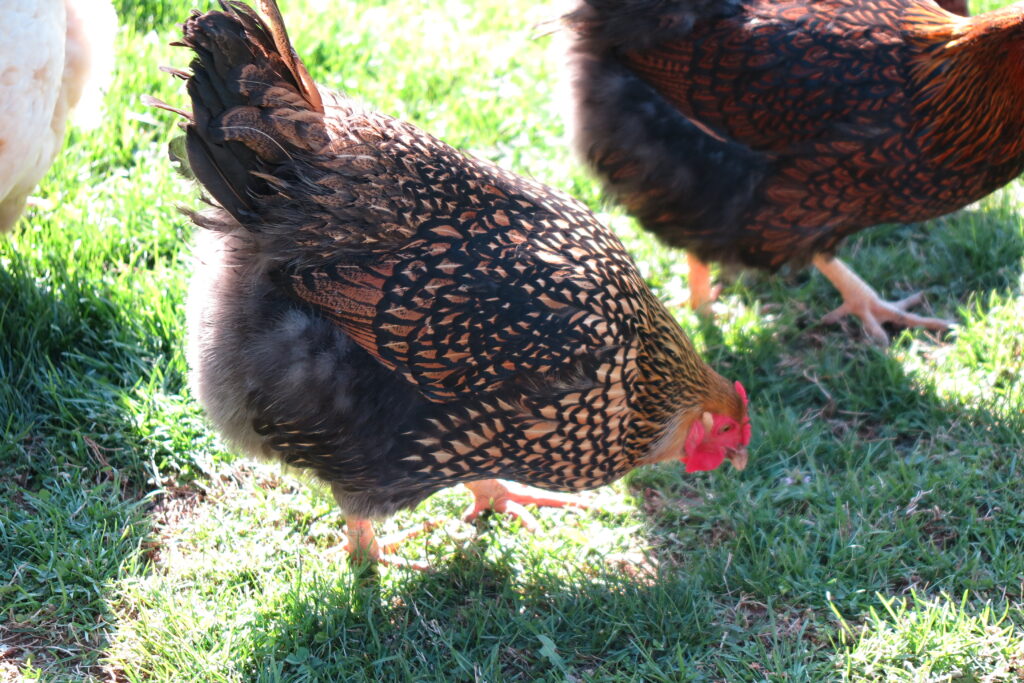
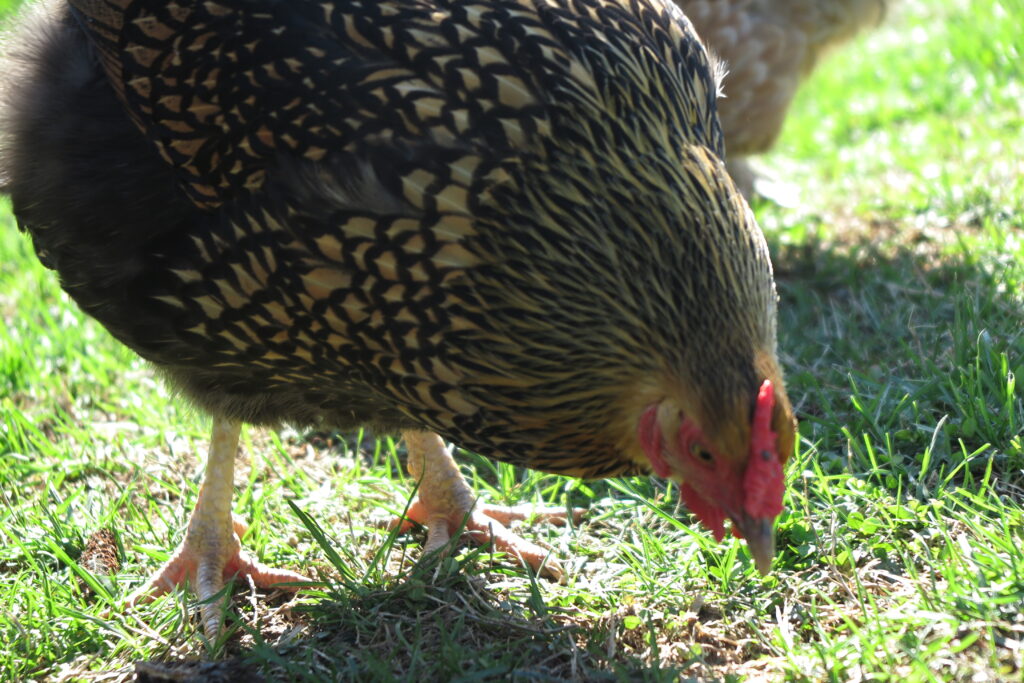
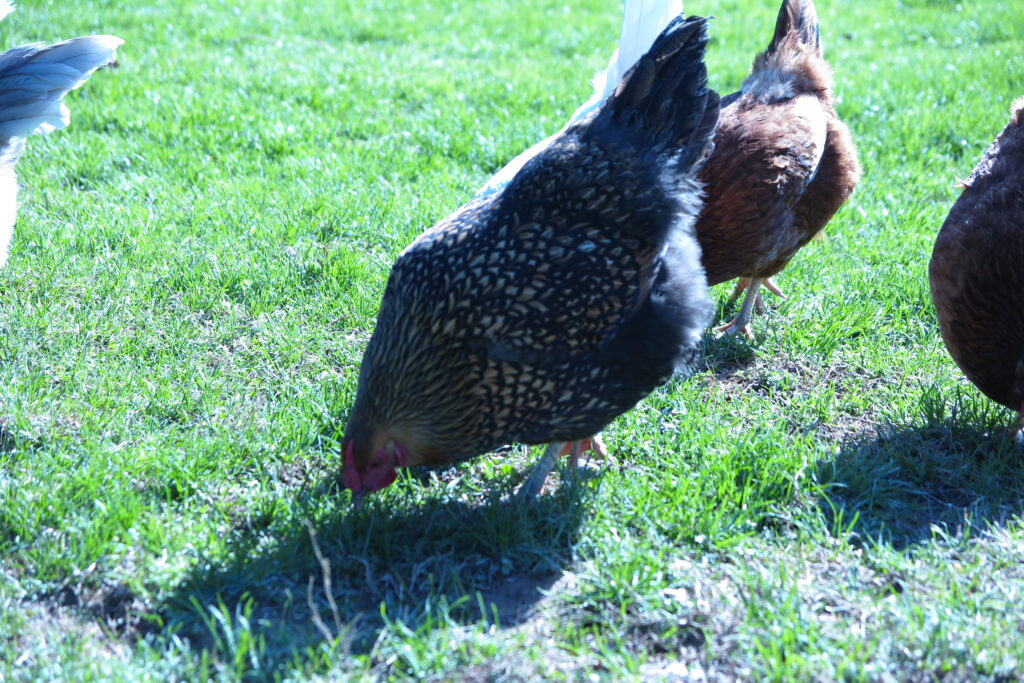
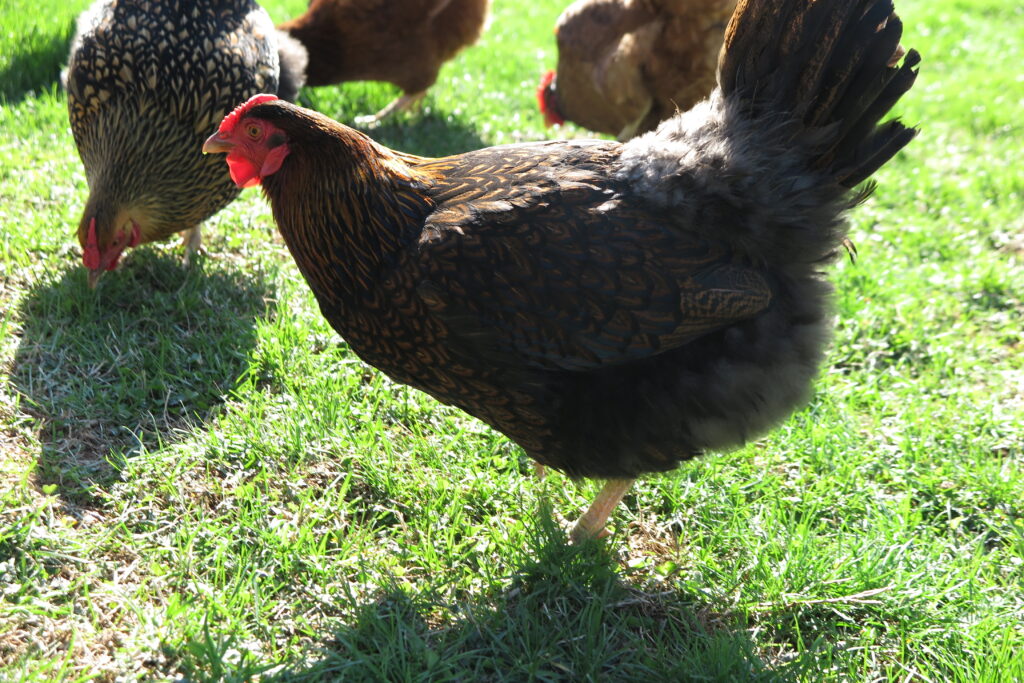
The Gold Laced Wyandotte is defined by its intricate feather pattern rather than a simple solid color. Each feather displays a warm golden center bordered by a crisp black edge. When combined across the entire body, these feathers create a layered appearance that resembles decorative scales or stained glass.
One reason the variety attracts so much attention is the consistency of its pattern. Unlike breeds with random markings, the Gold Laced Wyandotte displays a structured arrangement that covers much of the bird’s body. This organized appearance contributes greatly to its popularity among exhibition breeders.
Sunlight often enhances the visual impact of the plumage. Golden sections may appear bronze or copper-toned under bright conditions, while black feather edging can develop subtle green iridescence. These changing visual effects make the birds appear slightly different depending on lighting and viewing angle.
Compared to solid-colored chickens, Gold Laced Wyandottes offer considerably more visual complexity. A white or black chicken may display a uniform appearance, but the Gold Laced variety creates an intricate pattern that draws attention even from a distance. This decorative quality is one reason it remains the breed’s flagship variety.
The feather pattern also develops gradually as birds mature. Chicks begin life without the famous lacing, and the full coloration emerges over time. Watching the transformation from juvenile plumage to adult feathering is one of the most fascinating aspects of raising Gold Laced Wyandottes.
Even within high-quality breeding lines, subtle differences can occur. Some birds display deeper golden coloration, while others exhibit especially bold black edging. These small variations contribute to the diversity seen within the variety while preserving the overall breed standard.
Wyandotte Color Varieties and Their Unique Differences
Although the Gold Laced Wyandotte is the best-known variety, numerous other color forms exist within the breed. The Silver Laced Wyandotte is perhaps the most famous alternative, replacing golden feather centers with bright white coloration while retaining the black laced pattern. This creates a dramatic contrast that many poultry keepers find equally attractive.
Blue Laced Red Wyandottes represent another increasingly popular variety. Instead of black edging, these birds display bluish-gray lacing surrounding rich red feather centers. The softer contrast gives them a distinctly different appearance while maintaining the breed’s characteristic pattern style.
White Wyandottes provide a completely different visual experience. Their plumage is entirely white, creating a clean and elegant appearance. Without the complexity of lacing, attention shifts toward body structure and overall symmetry.
Black Wyandottes showcase glossy dark plumage that often displays green iridescence in sunlight. Unlike patterned varieties, they emphasize color depth and feather sheen rather than intricate markings. Their appearance is simple yet highly striking.
Columbian Wyandottes combine white bodies with black neck and tail markings. This arrangement creates a sharp contrast between light and dark areas while preserving the breed’s overall shape and identity. The result is a bird that appears both elegant and distinctive.
Partridge, Buff, Blue, and several additional varieties further expand the Wyandotte color family. Together, these color forms demonstrate the remarkable diversity that breeders have achieved while maintaining the fundamental characteristics that define the breed.
The Importance of Color Variety in Wyandotte Breed Preservation
Color varieties play a significant role in the continued success of the Wyandotte breed. Each recognized variety represents decades of selective breeding and careful preservation. Maintaining these distinct color lines helps protect an important part of poultry history.
Exhibition poultry shows rely heavily on color variety to showcase breed diversity. Judges evaluate birds based on both structural characteristics and color standards, encouraging breeders to maintain high-quality examples of each variety. This process helps preserve traditional traits across generations.
Genetic diversity also benefits from maintaining multiple color varieties. Different breeding lines often carry unique combinations of traits that contribute to the overall health and resilience of the breed. Preserving these lines supports long-term conservation efforts.
Educational programs frequently use Wyandotte color varieties to demonstrate how selective breeding influences appearance. Visitors can compare different birds side by side and observe how coloration changes while body shape remains consistent. This provides a practical introduction to poultry genetics and breed development.
The wide range of available colors also attracts new poultry enthusiasts. Some people are drawn to the classic Gold Laced pattern, while others prefer the elegance of Silver Laced or the uniqueness of Blue Laced Red birds. This broad appeal helps ensure continued interest in the breed.
More than a century after the development of the original Gold Laced Wyandotte, color diversity remains one of the breed’s greatest strengths. From traditional varieties to newer color forms, Wyandottes continue to demonstrate how beauty, history, and careful breeding can combine to create one of the most visually impressive heritage chicken breeds in the world.
Popular Searches About Gold Laced Wyandotte
Explore Gold Laced Wyandotte Guide
Explore More Domestic Animals

Support Encounters World
Help support wildlife photography and get behind the scenes discoveries on Patreon.