
Gold Laced Wyandotte Lifespan Guide: How Long Do Gold Laced Wyandotte Chickens Live?
Quick Facts
Average Lifespan: 6–12 Years
Typical Productive Years: 2–5 Years
Adult Weight: 6–8.5 Pounds
Growth Rate: Moderate
Global Range: Domestic breed found worldwide
Breed Status: Heritage Chicken Breed
Notable Feature: Known for long lifespan compared to many production-focused chicken breeds
Introduction to Gold Laced Wyandotte Lifespan
The Gold Laced Wyandotte is one of the most enduring heritage chicken breeds, valued not only for its distinctive appearance but also for its relatively long lifespan. Developed in the United States during the late nineteenth century, the breed has remained popular among poultry keepers because of its balance of beauty, hardiness, and longevity. Today, Gold Laced Wyandottes are found in backyard flocks, farms, and breeding programs throughout much of the world.
Unlike highly specialized commercial chickens that are often selected primarily for short-term production, Gold Laced Wyandottes were developed as versatile farm birds. This broader breeding focus has helped preserve traits associated with long-term health and durability. As a result, many individuals live considerably longer than birds bred solely for maximum egg output.
Across different regions and management styles, Gold Laced Wyandottes commonly reach ages between six and twelve years. Some birds exceed this range under exceptional conditions, while others may have shorter lifespans due to environmental factors. Genetics, nutrition, health care, and overall management all influence how long an individual bird lives.
The progression from newly hatched chick to mature adult and eventually senior bird provides a fascinating look at the life cycle of a heritage chicken. Throughout each stage, Gold Laced Wyandottes display physical changes that reflect aging and development. Understanding these stages helps explain why the breed remains respected for its longevity and resilience.
Gold Laced Wyandotte Lifespan Overview and Life Stages
Gold Laced Wyandottes experience several distinct life stages during their lifespan. The process begins with the chick stage, where rapid growth transforms a small down-covered hatchling into a fully feathered juvenile. During these early months, body size, feather development, and overall structure change dramatically.
Juvenile birds gradually transition into adulthood during their first year of life. This period is marked by the development of mature plumage, increased body mass, and the full expression of breed characteristics. By the end of this stage, most birds display the appearance that defines the Gold Laced Wyandotte breed.
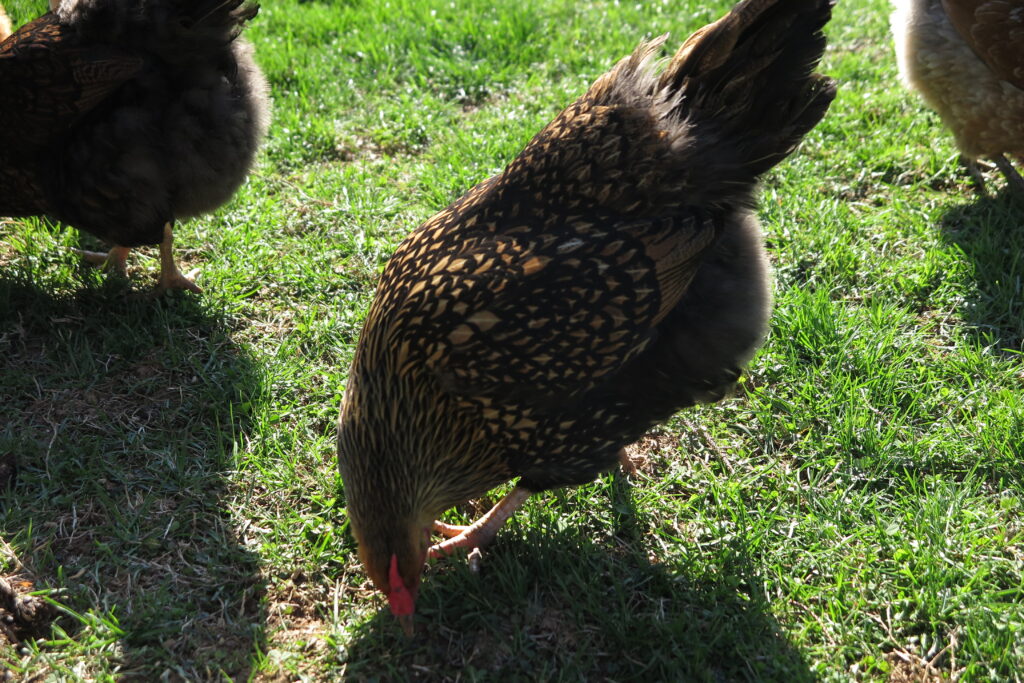
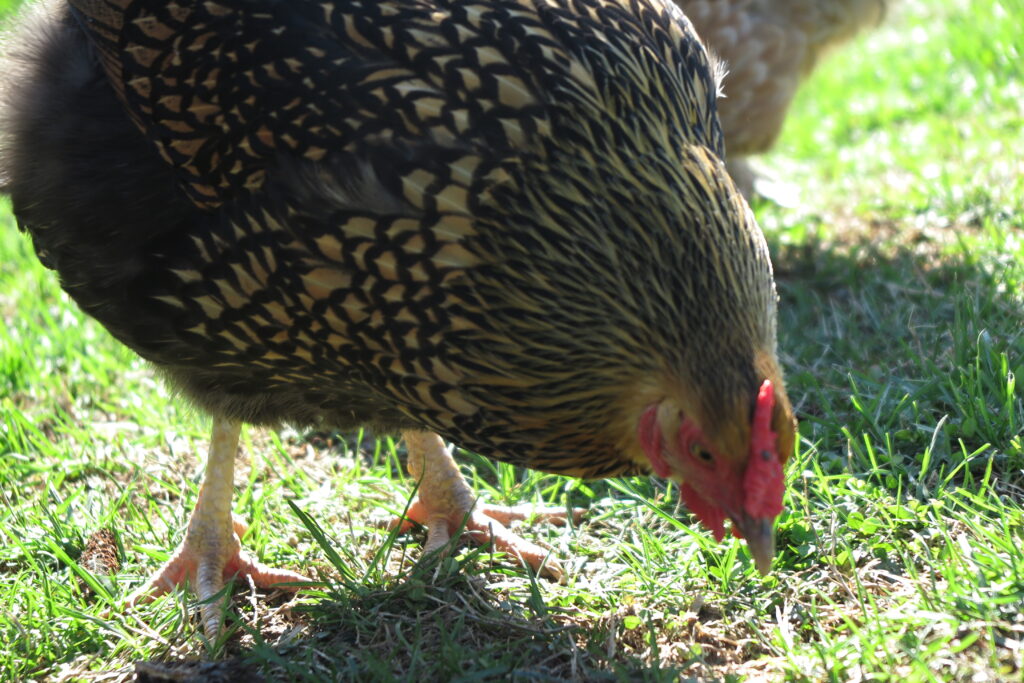
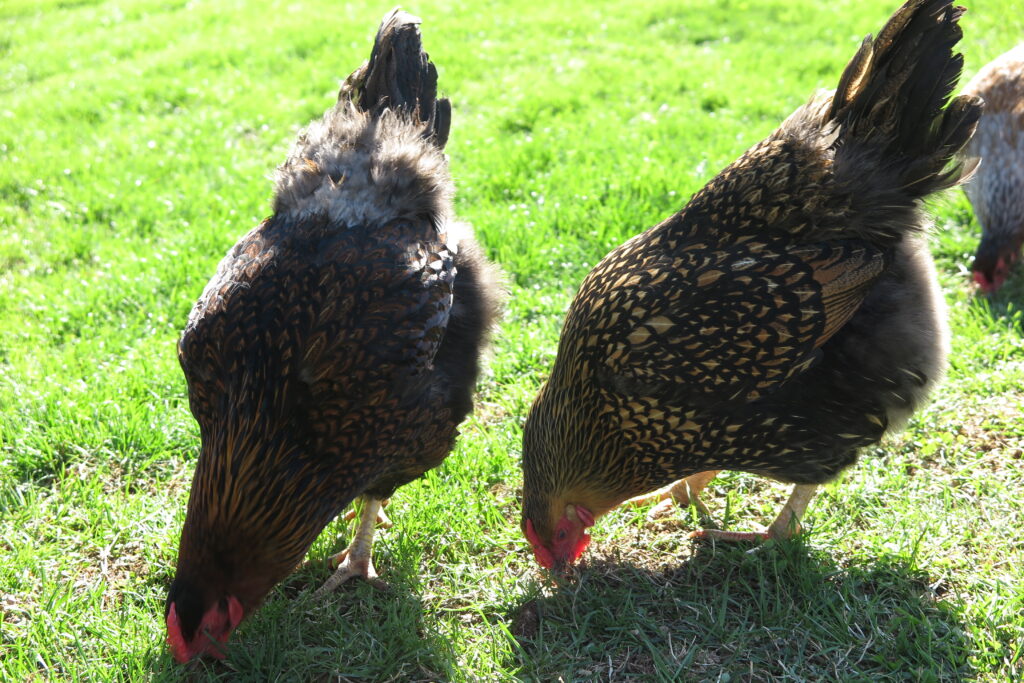
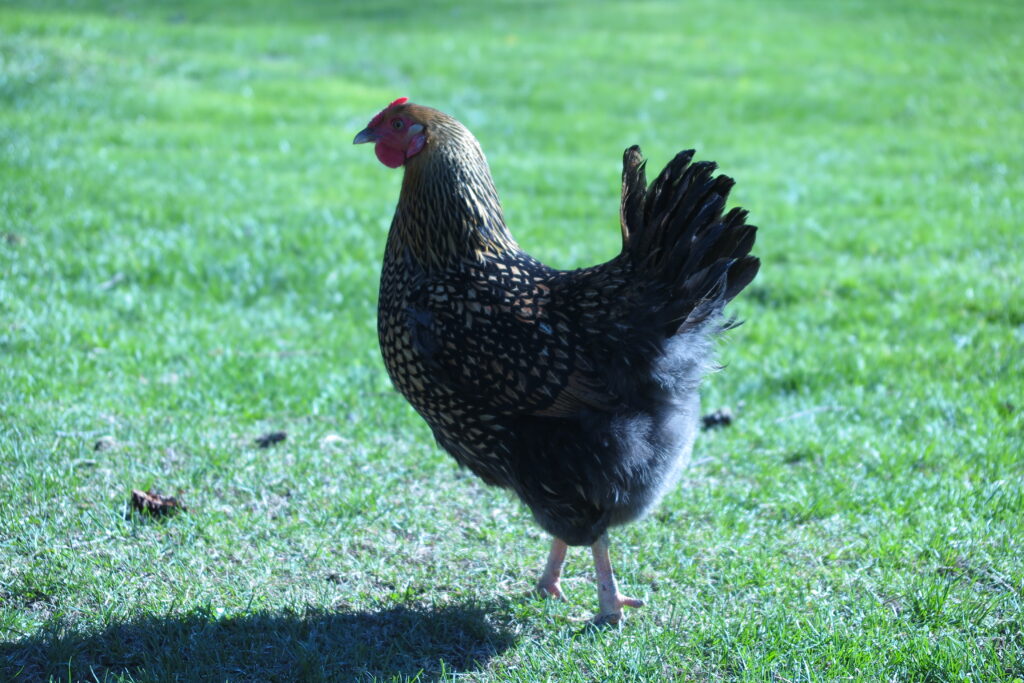
The prime adult years generally occur between one and five years of age. During this period, birds often display their strongest physical condition and most complete feather patterns. Their bodies appear robust, and the famous black-laced golden plumage is usually at its most impressive.
As birds enter middle age, physical changes become increasingly noticeable. Feather quality may gradually become less pristine, and some individuals develop minor signs of wear around the comb, legs, or plumage. Despite these changes, many Gold Laced Wyandottes remain healthy and active for years beyond their peak adult stage.
Older birds frequently develop a slightly different appearance compared to younger flock members. Their movements may appear less energetic, and feather edges can become more worn from repeated molts and environmental exposure. These subtle changes provide visual clues regarding age without dramatically altering the bird’s overall identity.
Compared to commercial poultry breeds selected for short production cycles, Gold Laced Wyandottes often enjoy a more extended and balanced lifespan. Their heritage genetics contribute to a slower and steadier aging process, helping explain why they remain popular among poultry keepers seeking long-lived birds.
Characteristics That Influence Gold Laced Wyandotte Longevity
Several physical and genetic traits contribute to the lifespan of Gold Laced Wyandottes. One of the most important is their heritage breed background. Unlike modern industrial strains developed for extreme specialization, Gold Laced Wyandottes retain a broader range of characteristics associated with long-term durability.
Their sturdy body structure also supports longevity. The breed possesses a balanced frame that combines strength with practicality, reducing some of the physical stresses associated with extreme body types. This structural stability often helps birds remain healthy throughout multiple life stages.
Dense feather coverage provides another advantage. The abundant plumage helps protect birds from environmental challenges, including seasonal temperature fluctuations. Effective insulation reduces stress on the body and supports overall well-being over the course of a lifetime.
Genetics play a major role as well. Carefully maintained breeding lines often preserve traits linked to vigor, health, and resilience. Birds produced from strong heritage stock frequently demonstrate greater longevity than those from poorly managed or heavily inbred populations.
Compared to highly productive commercial layers, Gold Laced Wyandottes are often described as a more balanced breed. Their lifespan can be compared to a durable family vehicle built for reliability rather than a racing machine designed solely for maximum short-term performance. This emphasis on balance contributes significantly to their long-term success.
Environmental quality further influences lifespan. Clean living conditions, consistent care, and access to proper nutrition help maximize the genetic potential of individual birds. While no breed is immune to health challenges, Gold Laced Wyandottes generally possess characteristics that support a relatively long and stable life.
The Importance of Long-Lived Gold Laced Wyandottes in Agriculture
The lifespan of Gold Laced Wyandottes contributes directly to their value within agricultural systems. Long-lived birds provide continuity within flocks and reduce the need for constant replacement. This stability can be particularly beneficial for small farms and homesteads focused on sustainable poultry keeping.
Heritage breed conservation also benefits from longer-lived individuals. Birds that remain healthy for many years allow breeders additional opportunities to preserve important genetic traits. Maintaining established breeding lines becomes easier when birds remain productive and viable over extended periods.
Educational farms frequently appreciate the breed’s longevity as well. Older birds provide visitors with opportunities to observe multiple life stages within a single flock. This helps illustrate the full life cycle of domestic poultry and demonstrates the value of responsible animal care.
The breed’s extended lifespan also supports historical preservation efforts. Gold Laced Wyandottes represent an important part of American poultry heritage, and maintaining long-lived populations helps ensure that future generations can continue experiencing the breed. Each healthy bird contributes to preserving this legacy.
From an ecological perspective, longer-lived livestock can reduce resource demands associated with frequent flock turnover. Maintaining birds for many years supports a more sustainable approach to poultry management while encouraging careful stewardship of valuable heritage breeds.
More than a century after their development, Gold Laced Wyandottes continue to demonstrate the advantages of balanced breeding and long-term durability. Their lifespan reflects the qualities that have allowed them to remain one of the most respected heritage chicken breeds in the world. Through their longevity, they contribute to agriculture, education, conservation, and the ongoing preservation of traditional poultry genetics.
Popular Searches About Gold Laced Wyandotte
Explore Gold Laced Wyandotte Guide
Explore More Domestic Animals

Support Encounters World
Help support wildlife photography and get behind the scenes discoveries on Patreon.