
Gold Laced Wyandotte Rooster vs Hen Guide: How to Tell the Difference Between Males and Females
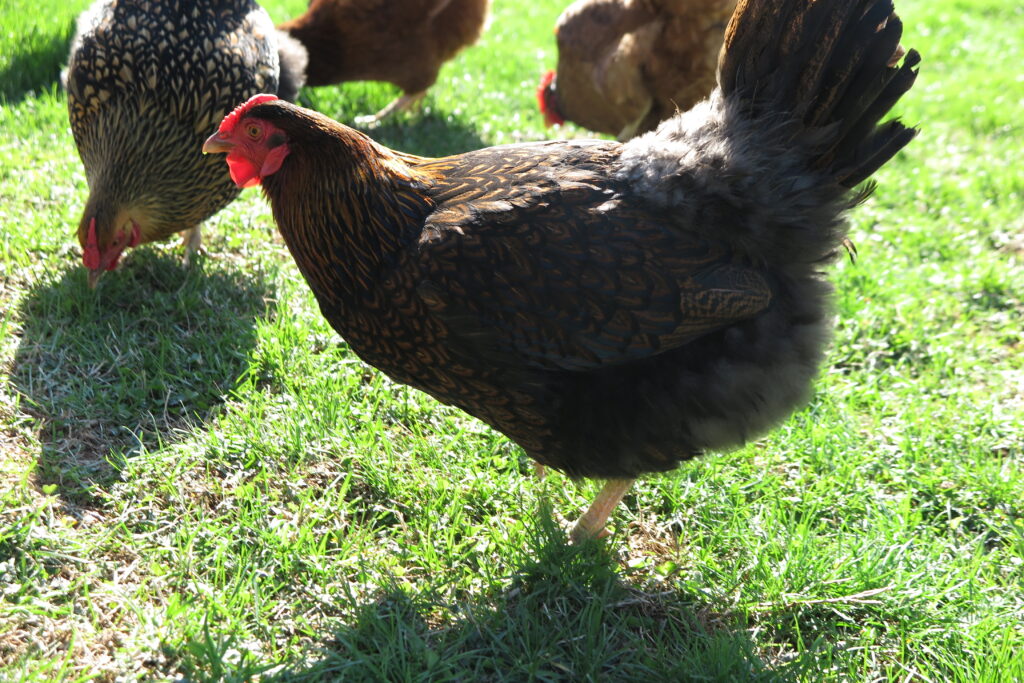
Quick Facts
Male Name: Rooster (Cock)
Female Name: Hen
Average Rooster Weight: 8–8.5 pounds
Average Hen Weight: 6–6.5 pounds
Global Range: Domestic breed found worldwide
Breed Status: Heritage Chicken Breed
Notable Feature: Roosters and hens display distinct feather patterns and body characteristics
Introduction to Gold Laced Wyandotte Roosters and Hens
The Gold Laced Wyandotte is one of the most recognizable heritage chicken breeds, admired for its striking black-laced golden feathers and compact body shape. Found in backyard flocks, farms, and poultry exhibitions throughout the world, the breed attracts attention not only because of its appearance but also because of the noticeable differences between males and females. Identifying roosters and hens becomes easier once key physical characteristics are understood.
Many new poultry keepers initially struggle to distinguish Gold Laced Wyandotte roosters from hens, especially when birds are young. Juvenile males and females often share similar feather patterns during early development. As the birds mature, however, differences in body structure, feather shape, and coloration become increasingly obvious.
Unlike some chicken breeds where gender differences are subtle, Gold Laced Wyandottes display several visual clues that allow experienced observers to separate roosters from hens at a glance. These distinctions become especially pronounced once birds reach adulthood and develop their mature plumage.
Understanding rooster-versus-hen identification is important for breeding programs, flock planning, and poultry management. Whether someone is purchasing chicks, selecting breeding stock, or simply learning more about the breed, recognizing these differences provides valuable insight into one of America’s most iconic heritage chickens.
Gold Laced Wyandotte Rooster and Hen Appearance Differences
One of the easiest ways to distinguish a Gold Laced Wyandotte rooster from a hen is by overall body size. Roosters are noticeably larger and heavier, often weighing two pounds or more above mature hens. Their taller stance creates a more commanding appearance within the flock.
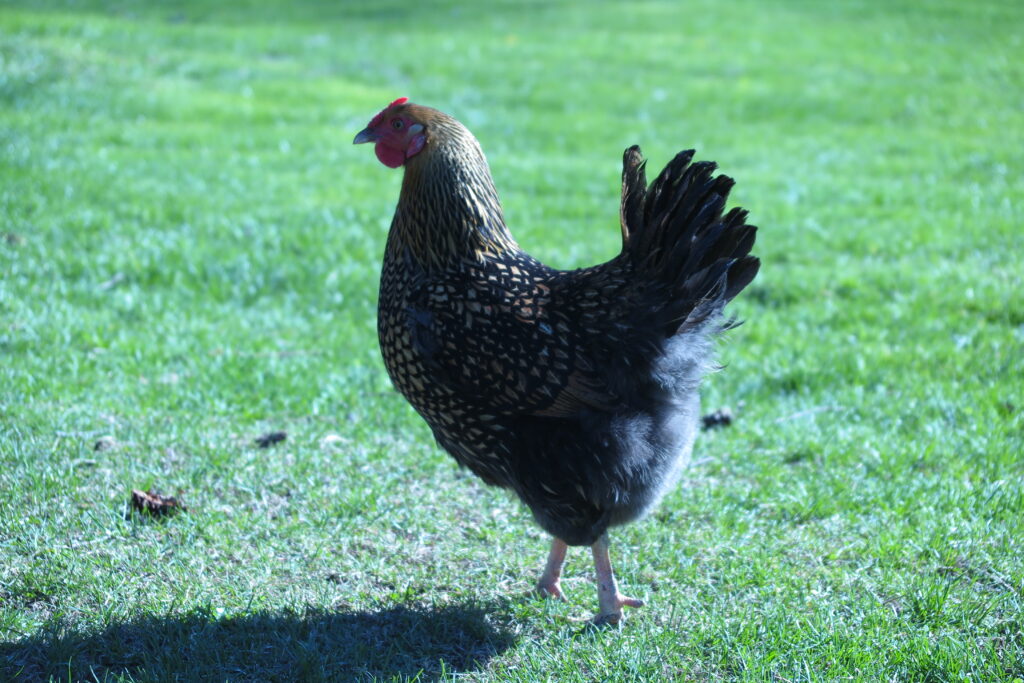
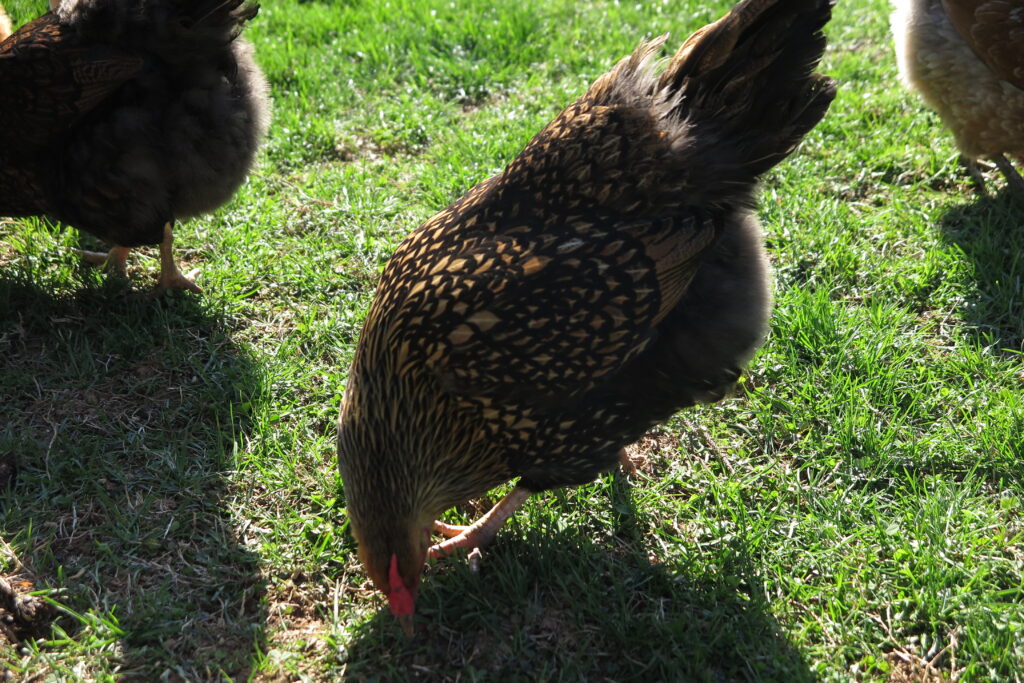
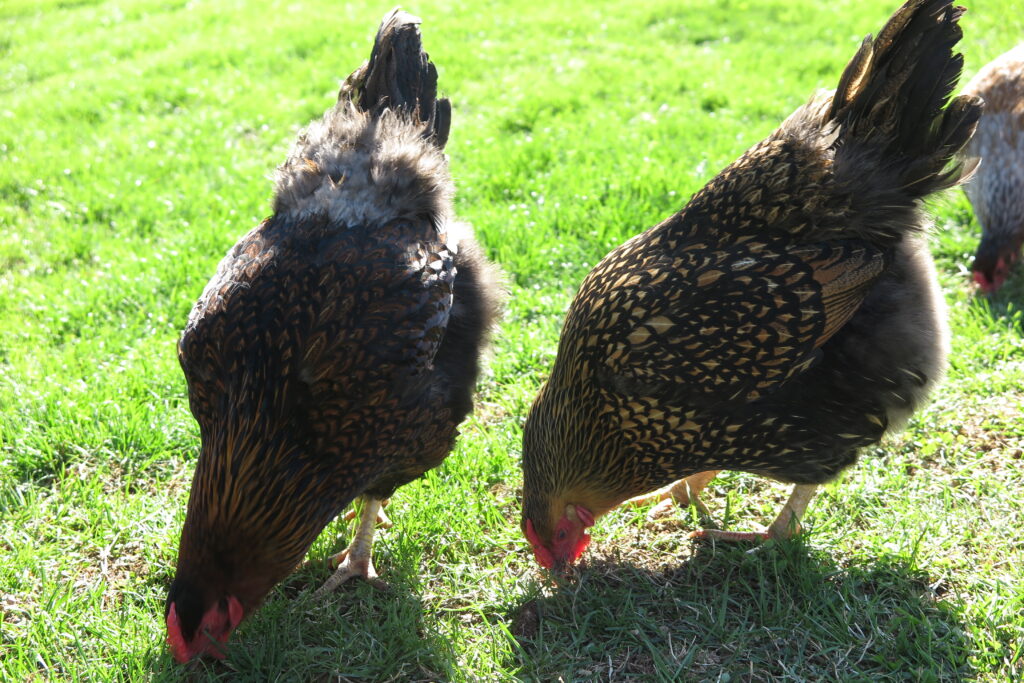
The feather pattern also changes significantly between sexes. Hens display the classic Gold Laced Wyandotte look most people recognize, with each feather showing a golden center surrounded by a neat black border. This creates the highly organized laced pattern that gives the breed its name.
Roosters, in contrast, often possess a more dramatic and less uniform appearance. Their neck feathers and saddle feathers typically display brighter golden coloration with reduced lacing. Instead of the precise pattern seen on hens, roosters often show flowing areas of gold, black, and iridescent green.
Tail structure provides another reliable identification feature. Hens possess relatively compact tails that blend smoothly into the body. Roosters develop longer tail feathers that curve outward and downward, creating the elegant silhouette commonly associated with mature male chickens.
Comb and wattles also differ noticeably. While both sexes possess the breed’s characteristic rose comb, roosters usually develop larger combs and more prominent wattles. These features become especially noticeable as birds approach maturity.
When viewed side by side, the difference can resemble comparing a decorative patterned shield to a ceremonial uniform. Hens display remarkable feather precision, while roosters appear more elaborate and ornamental. This contrast is one of the most distinctive characteristics of the Gold Laced Wyandotte breed.
Key Characteristics That Separate Gold Laced Wyandotte Males and Females
Beyond basic appearance, several structural traits help identify the sex of Gold Laced Wyandottes. Roosters generally possess broader heads, thicker legs, and a more upright posture. Their body shape often appears angular and powerful compared to the smoother profile of hens.
One of the most recognizable male characteristics is the development of pointed feathers. Roosters produce pointed hackle feathers around the neck and pointed saddle feathers near the lower back. Hens lack these features and instead display rounded feather tips throughout most of the body.
The coloration of roosters often becomes increasingly vivid as they mature. Golden areas may appear brighter and more reflective in sunlight, while black feathers frequently develop green iridescence. Hens maintain a more consistent color pattern that emphasizes the classic laced design rather than dramatic contrasts.
Leg thickness provides another useful clue. Roosters typically develop heavier legs capable of supporting greater body mass. Their stance often appears wider and more confident, particularly when viewed from the front.
Spurs are another distinguishing feature. Mature roosters usually develop noticeable spurs along the backs of their legs. While hens can occasionally develop small spur-like structures, they are generally much smaller and less pronounced than those of males.
The overall impression created by each sex is also different. Roosters often appear designed to attract attention, while hens emphasize pattern consistency and symmetry. This distinction helps explain why experienced poultry keepers can often identify mature birds even from a considerable distance.
Gold Laced Wyandotte Roosters and Hens in the Poultry World
Roosters and hens play different but equally important roles within Gold Laced Wyandotte populations. Hens are responsible for producing eggs and maintaining future generations of the breed. Their dependable laying ability has helped establish Gold Laced Wyandottes as practical heritage chickens for more than a century.
Roosters contribute genetic diversity and breeding potential to flocks. A healthy rooster allows breeders to preserve desirable traits such as feather pattern quality, body structure, and breed-standard characteristics. Selecting the right male can significantly influence future generations.
In poultry exhibitions, judges evaluate both sexes according to established breed standards. Hens are often judged heavily on the precision of their lacing pattern, while roosters are evaluated for overall balance, coloration, and structural quality. Each sex highlights different aspects of the breed’s development.
From an educational perspective, rooster-versus-hen comparisons provide valuable insight into poultry biology and selective breeding. The differences between males and females demonstrate how genetics influence appearance while maintaining the overall identity of the breed.
Heritage breed conservation efforts depend on maintaining both high-quality roosters and hens. Preserving strong breeding populations ensures that Gold Laced Wyandottes continue to remain available for future generations of poultry enthusiasts and farmers.
The contrast between Gold Laced Wyandotte roosters and hens is one of the breed’s most fascinating characteristics. Hens showcase the famous laced feather pattern that defines the breed, while roosters display bold coloration and ornamental features that command attention. Together, they represent two distinct expressions of one of the most beautiful heritage chicken breeds in the world.
Popular Searches About Gold Laced Wyandotte
Explore Gold Laced Wyandotte Guide
Explore More Domestic Animals

Support Encounters World
Help support wildlife photography and get behind the scenes discoveries on Patreon.