
Gold Laced Wyandotte Breed Guide: History, Development, and Heritage Chicken Characteristics
Quick Facts
Breed Type: Heritage Dual-Purpose Chicken
Country of Origin: United States
Breed Development: Late 1800s
Global Range: Domestic breed found worldwide
Conservation Status: Stable Heritage Breed
Notable Feature: One of America’s most recognizable heritage chicken breeds
Introduction to the Gold Laced Wyandotte Breed
The Gold Laced Wyandotte is one of the most important heritage chicken breeds developed in the United States. Known for its striking feather pattern and long-standing agricultural value, the breed has remained popular for well over a century. Today, Gold Laced Wyandottes are found in backyard flocks, exhibition poultry collections, breeding programs, and small farms across the globe.
Unlike many modern poultry strains that were developed for highly specialized purposes, the Gold Laced Wyandotte originated during a period when versatility was highly valued. Farmers sought birds that could contribute to multiple aspects of agricultural life while maintaining strong physical characteristics. This goal helped shape the breed into one of the most balanced heritage chickens ever created.
The breed’s influence extends far beyond North America. Over time, Gold Laced Wyandottes were exported to numerous countries where they became established among poultry enthusiasts and breeders. Their unique combination of visual appeal and practical value allowed them to gain international recognition.
More than simply a chicken with attractive feathers, the Gold Laced Wyandotte represents an important chapter in poultry breeding history. Its development reflects the efforts of breeders who carefully combined traits from multiple birds to create a distinctive and enduring heritage breed. Understanding the breed itself requires examining the history, standards, and characteristics that define it today.
Gold Laced Wyandotte Breed Origins and Development History
The Gold Laced Wyandotte emerged in the United States during the late nineteenth century, a period marked by rapid innovation in poultry breeding. Breeders sought to create chickens that possessed attractive appearances while remaining practical farm birds. Through careful selection, they gradually established the foundation of what would become the Wyandotte breed.
The breed was named after the Wyandot people, a Native American nation whose name became associated with the newly developed chicken. While the connection was symbolic rather than biological, the name helped distinguish the breed from other poultry varieties being developed at the time.
Gold Laced Wyandottes were among the earliest recognized varieties within the broader Wyandotte family. Breeders focused heavily on creating the distinctive laced feather pattern that would eventually become the breed’s signature feature. Achieving this appearance required years of selective breeding and refinement.
Several poultry breeds contributed to the development of the Wyandotte lineage. Historical records indicate that breeders incorporated traits from birds possessing desirable body structure, feather quality, and coloration. The result was a breed that combined utility with ornamental beauty.
By the late 1800s, the Gold Laced Wyandotte had gained sufficient recognition to be included in poultry breed standards. This formal recognition helped establish consistency and encouraged breeders to preserve specific characteristics. From that point forward, the breed continued expanding in popularity throughout the United States.
Compared to many newer poultry breeds, Gold Laced Wyandottes possess a remarkably rich historical foundation. Their development reflects a period when breeders emphasized balance and longevity rather than extreme specialization. This heritage remains one of the breed’s defining strengths today.
Defining Characteristics of the Gold Laced Wyandotte Breed
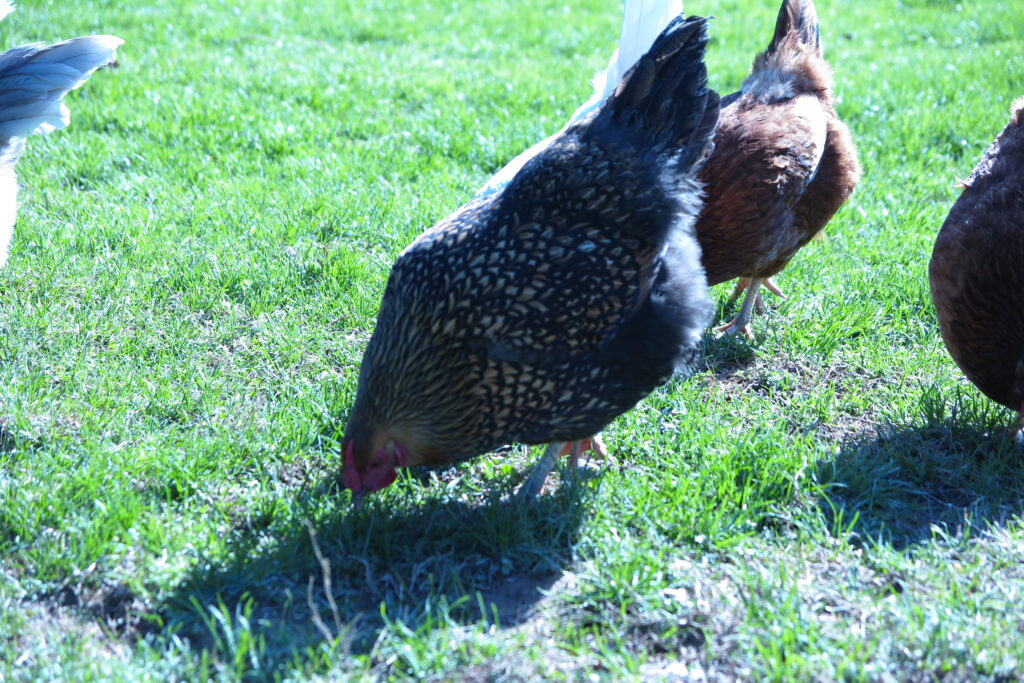
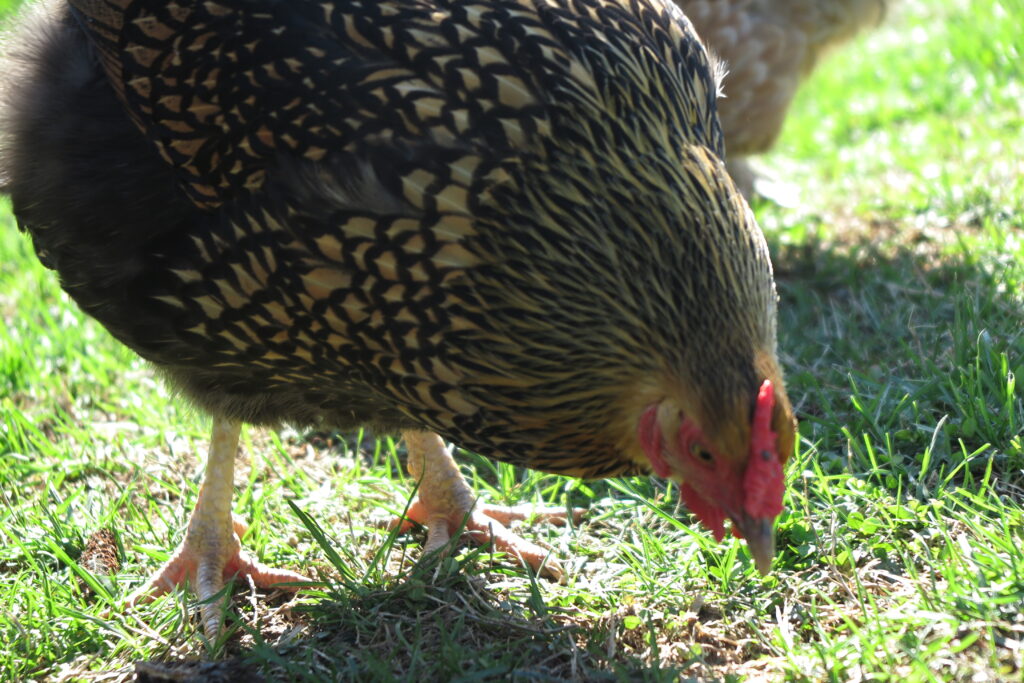
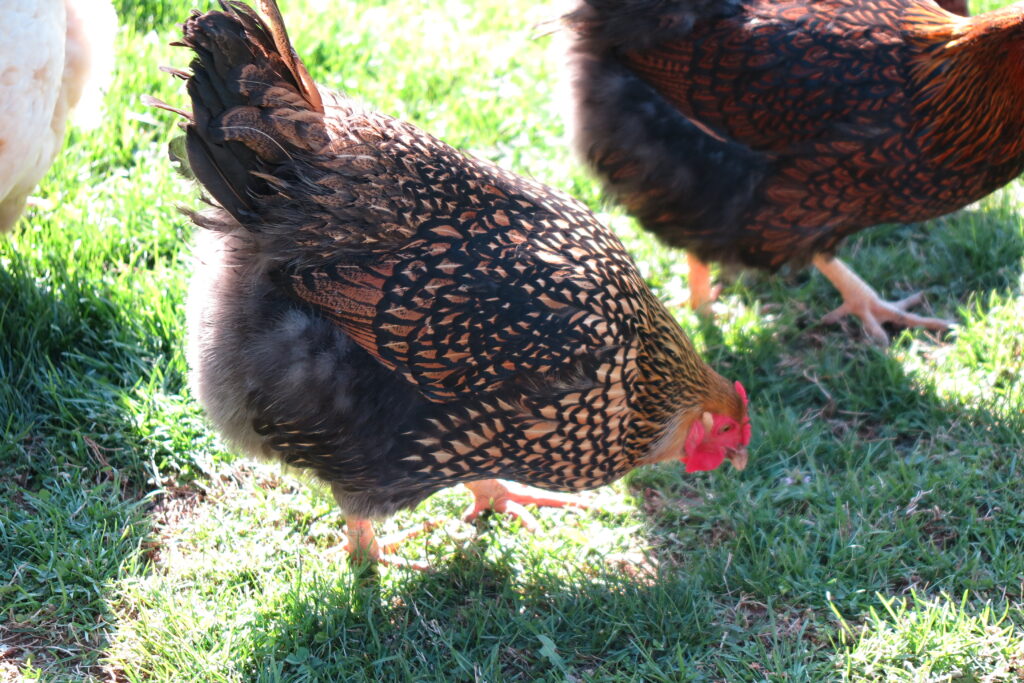
The Gold Laced Wyandotte is distinguished by a combination of structural and visual characteristics that set it apart from other chickens. The most famous feature is the intricate laced feather pattern, where each feather displays a golden center surrounded by a bold black border. This creates one of the most recognizable appearances in the poultry world.
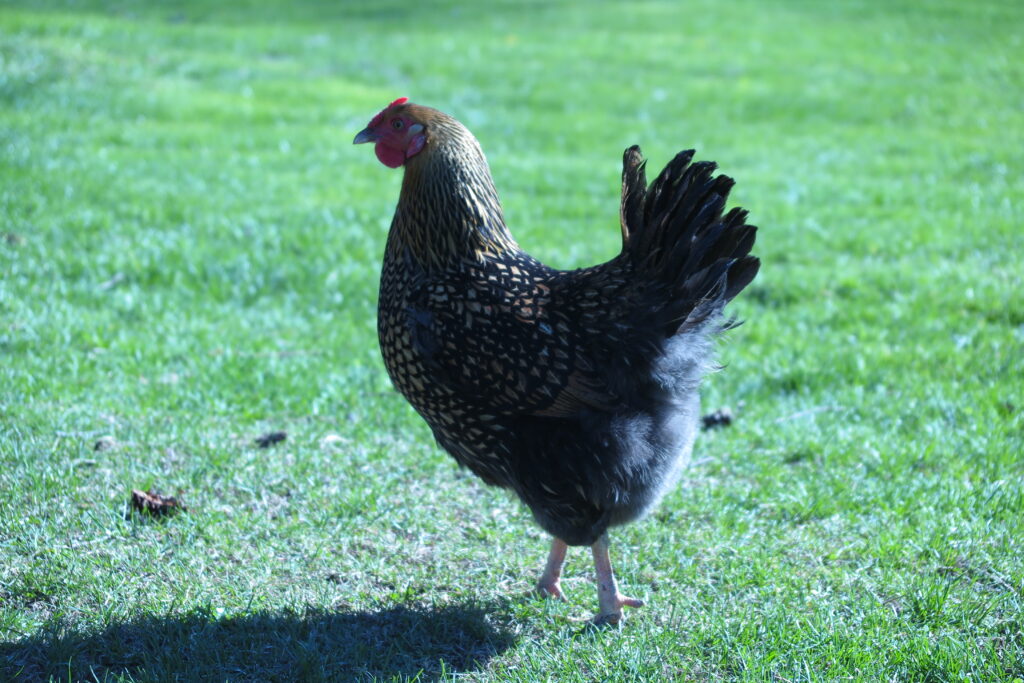
Breed standards place significant emphasis on body shape. Gold Laced Wyandottes are expected to possess a broad, rounded frame that projects strength and balance. Their compact build contributes to the sturdy appearance that has long been associated with the breed.
Another defining characteristic is the rose comb. Unlike the tall single combs seen on many chickens, the rose comb remains low and follows the contour of the head. This feature contributes to the breed’s distinctive profile and has become an important part of official breed standards.
The feather pattern itself is often compared to decorative metalwork or stained glass. Rather than appearing random, the coloration follows a structured arrangement across much of the bird’s body. Few domestic chickens display such consistent and intricate plumage.
Gold Laced Wyandottes also demonstrate strong uniformity within established breeding lines. Birds bred to standard often share remarkably similar physical characteristics despite being raised in different locations. This consistency reflects generations of careful selection and preservation.
The combination of body structure, feather quality, comb type, and coloration creates a breed that is instantly recognizable. Together, these features form the foundation of the Gold Laced Wyandotte’s identity and explain why it remains one of the most admired heritage chickens in existence.
Gold Laced Wyandotte Breed Importance and Heritage Legacy
The Gold Laced Wyandotte occupies an important place within the history of domestic poultry. As one of America’s most successful heritage breeds, it serves as a living example of traditional livestock development. Its continued popularity demonstrates the lasting value of carefully preserved poultry genetics.
Heritage breeds contribute significantly to agricultural biodiversity. While commercial poultry production often focuses on a limited number of specialized strains, breeds such as the Gold Laced Wyandotte help preserve a wider range of genetic traits. This diversity strengthens the long-term resilience of domestic poultry populations.
The breed also plays a major role in poultry exhibitions and educational programs. Its striking appearance makes it a favorite among show breeders, while its historical significance provides valuable teaching opportunities. Many people first learn about heritage poultry through exposure to Gold Laced Wyandottes.
Conservation efforts benefit from the continued popularity of the breed. Every flock maintained by breeders, hobbyists, and farmers helps preserve bloodlines that have existed for generations. This ongoing stewardship ensures that important heritage characteristics remain available for future poultry enthusiasts.
From a cultural perspective, the Gold Laced Wyandotte represents a connection to traditional farming practices. It reflects an era when livestock breeding emphasized versatility, durability, and long-term usefulness. These values remain relevant today as interest in heritage agriculture continues to grow.
More than a century after its development, the Gold Laced Wyandotte remains one of the most respected chicken breeds in the world. Its history, distinctive standards, and enduring legacy make it far more than simply an attractive bird. It stands as a symbol of heritage poultry breeding and a lasting achievement in agricultural history.
Popular Searches About Gold Laced Wyandotte
Explore Gold Laced Wyandotte Guide
Explore More Domestic Animals

Support Encounters World
Help support wildlife photography and get behind the scenes discoveries on Patreon.