
Gold Laced Wyandotte Habitat Guide: Environment, Range, and Living Conditions
Quick Facts
Primary Habitat: Farms, homesteads, and backyard poultry environments
Secondary Habitat: Agricultural landscapes and managed grassland areas
Climate Preference: Temperate climates with seasonal variation
Environment Type: Open farmland, mixed vegetation areas, and human-managed environments
Elevation / Depth Range: Sea level to moderate upland farming regions
Geographic Distribution: Domestic breed found worldwide
Introduction to Gold Laced Wyandotte Habitat and Distribution
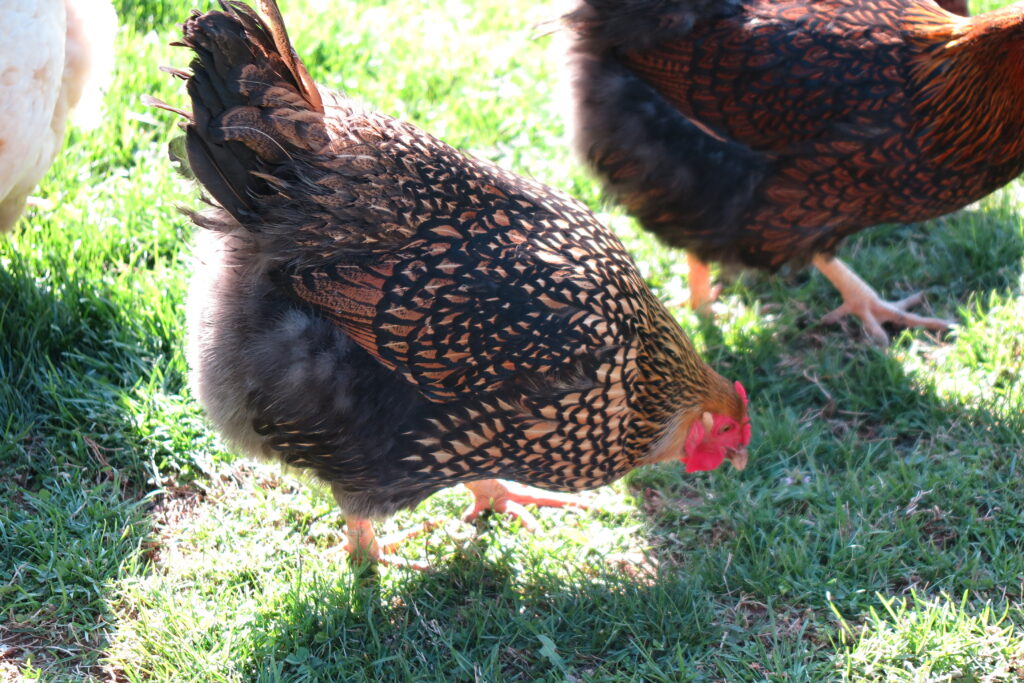
The Gold Laced Wyandotte is a domestic chicken breed that has become widely distributed across many parts of the world. Originally developed in the United States, the breed now appears in countless agricultural settings ranging from small backyard flocks to larger heritage poultry operations. Its adaptability has allowed it to thrive in regions with varying climates and landscapes while remaining closely associated with human-managed environments.
Across its global range, the Gold Laced Wyandotte is most often encountered in areas where agriculture, animal husbandry, and poultry keeping remain active. Unlike wild bird species tied to naturally occurring ecosystems, this breed exists almost entirely within environments shaped by people. Even so, the landscapes surrounding these birds can vary considerably depending on location.
The setting in which a Gold Laced Wyandotte is observed often reflects traditional rural scenery. Open fields, cultivated land, farm structures, and patches of vegetation commonly form the backdrop for this breed. These surroundings provide the visual environment most frequently associated with Gold Laced Wyandottes throughout their worldwide distribution.
Although the breed is domestic, its ability to succeed in many regions demonstrates considerable environmental flexibility. From colder northern climates to warmer temperate zones, Gold Laced Wyandottes have established a strong presence among poultry keepers. This broad geographic reach has helped make them one of the most recognizable heritage chicken breeds in modern agriculture.
Gold Laced Wyandotte Habitat Overview and Global Adaptability
Gold Laced Wyandottes are highly adaptable birds that occupy a broad range of agricultural environments. Rather than being restricted to a narrow geographic region, they can be found wherever poultry husbandry is practiced successfully. Their widespread distribution reflects both human influence and the breed’s ability to adjust to different environmental settings.
Most populations occur within open landscapes shaped by farming activities. These environments often contain a mixture of maintained land, vegetation, and structures that support domestic poultry. Because the breed was developed for practical agricultural use, it performs well in locations designed around livestock management and farm operations.
Compared to some specialized poultry breeds that perform best under very specific conditions, Gold Laced Wyandottes demonstrate notable flexibility. They are commonly raised in both small-scale backyard environments and larger rural properties. This adaptability allows them to occupy a wider variety of settings than many domestic chicken breeds with more restrictive requirements.
The breed’s range extends across multiple continents, including North America, Europe, Australia, and parts of Asia. In each region, local environmental differences influence the appearance of the surrounding landscape, but the overall habitat association remains remarkably consistent. Human-managed environments continue to form the foundation of the breed’s distribution.
Gold Laced Wyandottes are often associated with transitional agricultural landscapes rather than heavily industrialized areas. They are particularly common where traditional poultry keeping remains popular and where birds can occupy outdoor spaces connected to larger farm systems. These environments support both practical livestock management and heritage breed preservation.
Their ability to remain successful across a wide geographic range highlights one of the defining strengths of the breed. Whether raised in rolling countryside, rural valleys, or open farming districts, Gold Laced Wyandottes continue to demonstrate environmental versatility that has contributed greatly to their long-term popularity.
Gold Laced Wyandotte Habitat Types and Agricultural Environments
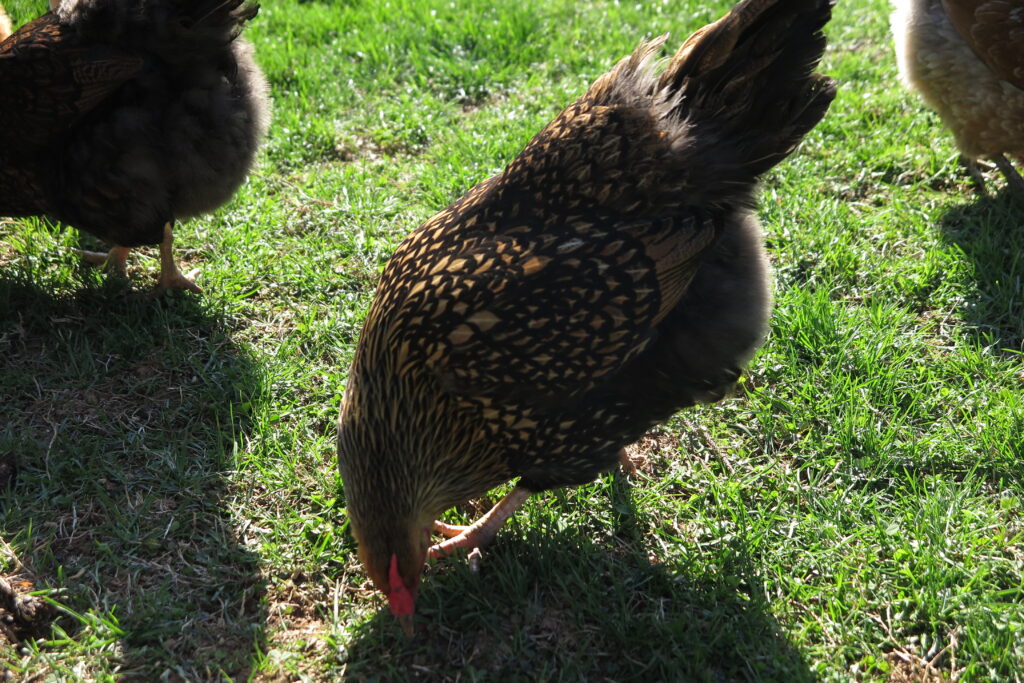
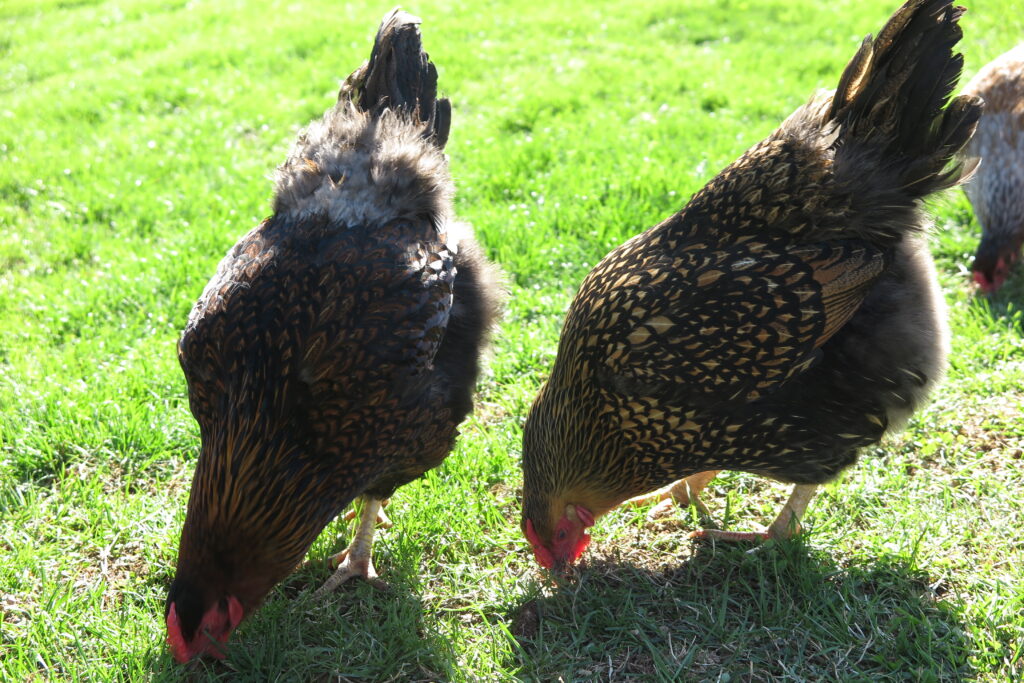
One of the most common habitat types occupied by Gold Laced Wyandottes is traditional farmland. These landscapes often consist of open grassy areas, agricultural buildings, fenced enclosures, and cultivated fields. Such environments provide the structure necessary for maintaining domestic poultry while allowing birds access to outdoor space.
Backyard poultry environments represent another important habitat category. In suburban and rural residential areas, Gold Laced Wyandottes are frequently raised in smaller enclosures connected to coops and gardens. These settings may contain lawns, ornamental vegetation, and limited roaming areas while still supporting healthy poultry populations.
Homesteads provide a slightly different habitat type that combines elements of agriculture and self-sufficient living. Gold Laced Wyandottes raised in these environments often occupy mixed-use landscapes containing vegetable gardens, orchards, small pastures, and utility structures. The diversity of features within a homestead creates a varied environment well suited to heritage poultry breeds.
Agricultural exhibition grounds and educational farms also serve as habitat environments for Gold Laced Wyandottes. Although these locations differ from production-oriented farms, they still provide conditions appropriate for maintaining domestic chickens. Visitors frequently encounter the breed in these settings because of its distinctive appearance and historical significance.
Variation exists even within individual properties. Some Gold Laced Wyandottes may spend time in open grassy sections before moving into sheltered areas near barns or coops. Others may utilize edge zones where vegetation meets maintained farmland. These habitat variations create diverse microenvironments within larger agricultural landscapes.
Unlike wild birds that may specialize in forests, wetlands, or deserts, Gold Laced Wyandottes are closely linked to human-modified environments. Their habitat categories reflect the many ways people incorporate poultry into agricultural and residential settings. This strong connection to managed landscapes remains a defining feature of the breed’s ecological distribution.
Environmental Conditions Supporting Gold Laced Wyandottes
Gold Laced Wyandottes thrive in temperate climates characterized by seasonal changes throughout the year. Moderate summers, cool autumns, cold winters, and mild springs all fall within the range of conditions commonly experienced by the breed. Their adaptability allows them to remain successful across a wide spectrum of weather patterns.
Temperature tolerance is supported by the breed’s dense feather coverage. This abundant plumage provides insulation that helps maintain comfort during cooler conditions. Compared to lighter-feathered poultry breeds, Gold Laced Wyandottes often appear better equipped for regions that experience prolonged cold weather.
Terrain within suitable environments is typically open and relatively easy to navigate. Grass-covered ground, cultivated soil, farmyards, and gently rolling landscapes are common features associated with the breed. Extremely rugged terrain or heavily forested environments are less commonly linked to Gold Laced Wyandotte management because domestic poultry operations generally favor accessible land.
Vegetation structure also contributes to environmental suitability. Areas containing grasses, scattered shrubs, and open agricultural vegetation provide visual diversity while maintaining accessibility. These conditions resemble the managed landscapes commonly found around farms and homesteads throughout temperate regions.
Seasonal changes create noticeable shifts in the appearance of Gold Laced Wyandotte environments. Spring often brings fresh vegetation and increased plant growth, while autumn landscapes may become dominated by golden grasses and harvested fields. Winter conditions can transform the surroundings entirely, especially in northern regions where snow becomes a major environmental feature.
A useful comparison is that Gold Laced Wyandottes thrive in environments similar to those favored by many traditional heritage livestock breeds. They perform well in landscapes shaped by agriculture, seasonal weather patterns, and moderate environmental variability. These conditions provide the physical foundation that has supported the breed’s success for generations across a wide geographic range.
Popular Searches About Gold Laced Wyandotte
Explore Gold Laced Wyandotte Guide
Explore More Domestic Animals

Support Encounters World
Help support wildlife photography and get behind the scenes discoveries on Patreon.