
Rhode Island Red Chicken Behavior Guide: Activity Patterns, Social Structure, and Survival Instincts
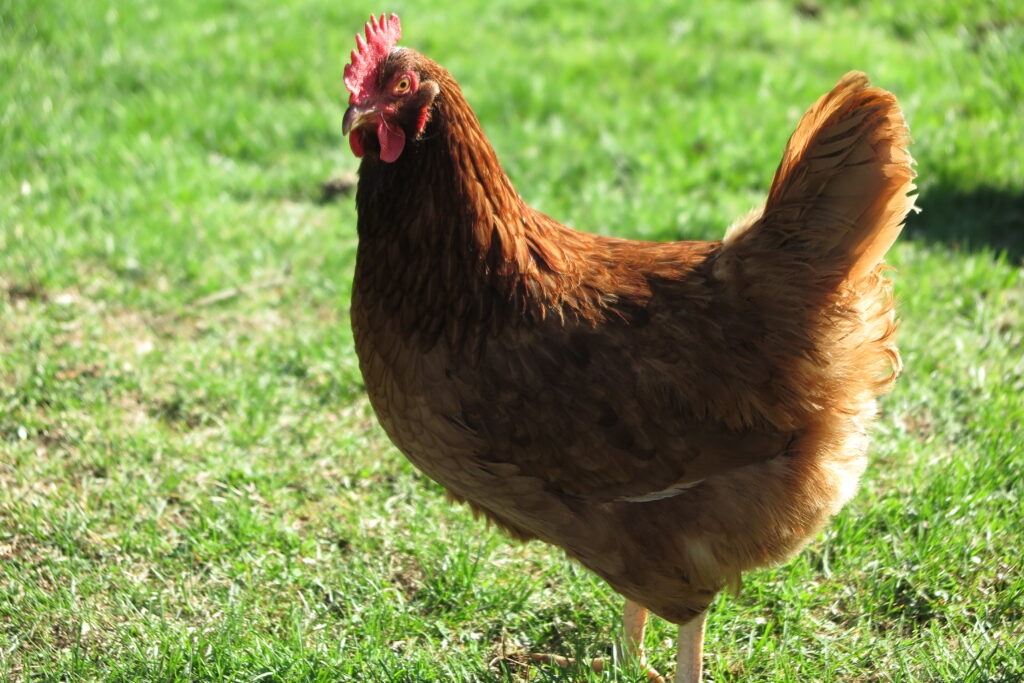
Quick Facts
Activity Type: Diurnal (Active During the Day)
Social Structure: Flock-Oriented Social Groups
Territorial Behavior: Moderate, Especially Around Hierarchy Disputes
Movement Style: Steady Walking, Scratching, and Foraging Movements
Communication Method: Vocal Calls, Clucks, Alarm Sounds, and Body Language
Defense Strategy: Vigilance, Group Awareness, and Flight to Cover
Introduction to Rhode Island Red Chicken Behavior
The Rhode Island Red is one of the most widely recognized domestic chicken breeds in the world, known not only for its productivity but also for its confident and adaptable nature. Originally developed in the United States, the breed can now be found in backyard flocks, farms, and homesteads across numerous countries. Its widespread popularity has allowed people from many regions to observe its behavior in a variety of environments.
Whether roaming a small family property or moving through a larger agricultural setting, Rhode Island Reds display a noticeable sense of awareness and purpose. They often appear busy even when not engaged in any obvious task, constantly observing their surroundings while remaining connected to the rest of the flock. This combination of alertness and confidence contributes to the breed’s reputation as a dependable farm chicken.
Observers frequently notice that Rhode Island Reds maintain a balance between independence and social interaction. Individual birds may separate briefly while exploring an area, yet they rarely remain isolated for long. Their tendency to stay loosely connected to flock members creates an organized and cooperative atmosphere within the group.
Unlike highly nervous poultry breeds that react dramatically to minor disturbances, Rhode Island Reds often project a calmer presence. They appear comfortable navigating familiar environments while remaining aware of changes around them. This steady demeanor has helped make them one of the most commonly kept chicken breeds worldwide.
Rhode Island Red Behavioral Tendencies and Daily Temperament
Rhode Island Reds are generally active, observant birds that spend much of their day engaged with their environment. Rather than remaining stationary for extended periods, they frequently move between different areas while investigating anything that attracts their attention. Their behavior often reflects curiosity combined with practical awareness.
When left undisturbed, these chickens typically display a calm but purposeful attitude. They rarely appear frantic or overly energetic, instead maintaining a steady pace throughout much of the day. Their activity level can be compared to a person walking through a familiar neighborhood, consistently moving while comfortably observing everything around them.
One notable characteristic of the breed is its confidence. Rhode Island Reds often approach new objects or changes within their environment more readily than some other chicken breeds. While caution remains present, curiosity frequently encourages them to inspect unfamiliar situations rather than immediately avoiding them.
The breed also demonstrates considerable adaptability. Birds raised in small backyard settings often behave similarly to those found on larger farms, adjusting their routines to available space and daily conditions. This flexibility allows Rhode Island Reds to thrive in a wide variety of management systems.
Social awareness plays a significant role in their overall temperament. Individuals regularly monitor the positions and actions of nearby flock members, creating a loosely coordinated group dynamic. Even when spread across a larger area, the birds typically maintain visual or vocal contact with one another.
Compared to some highly reactive breeds, Rhode Island Reds often display a more measured response to routine events. Their behavior combines attentiveness with stability, resulting in a breed that appears both active and composed. This balance contributes greatly to their popularity among poultry keepers.
Rhode Island Red Movement and Activity Patterns Throughout the Day
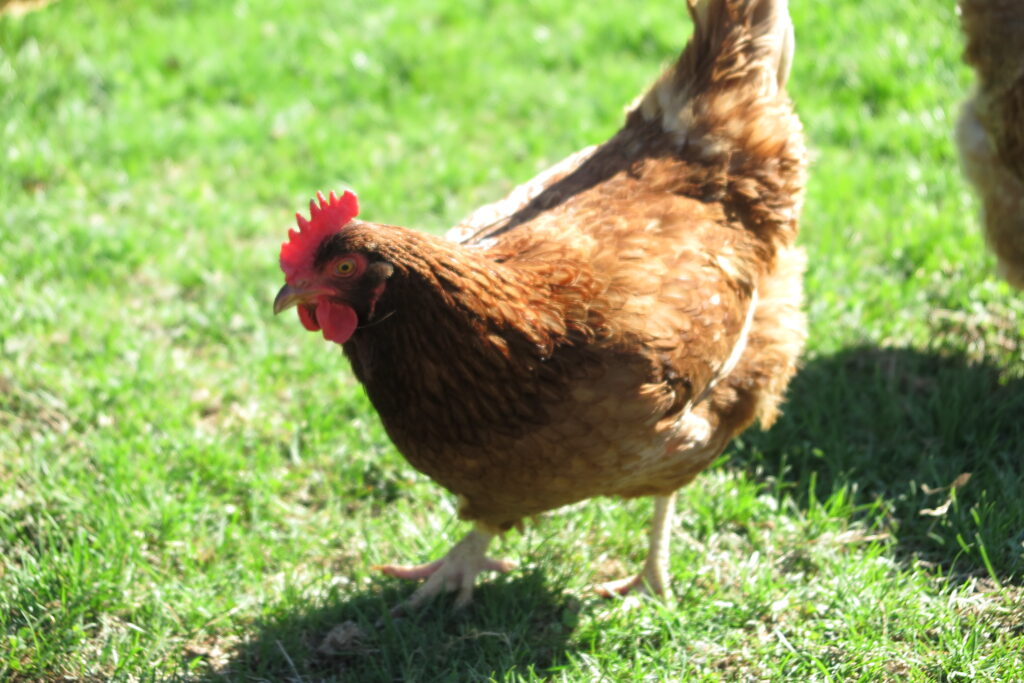
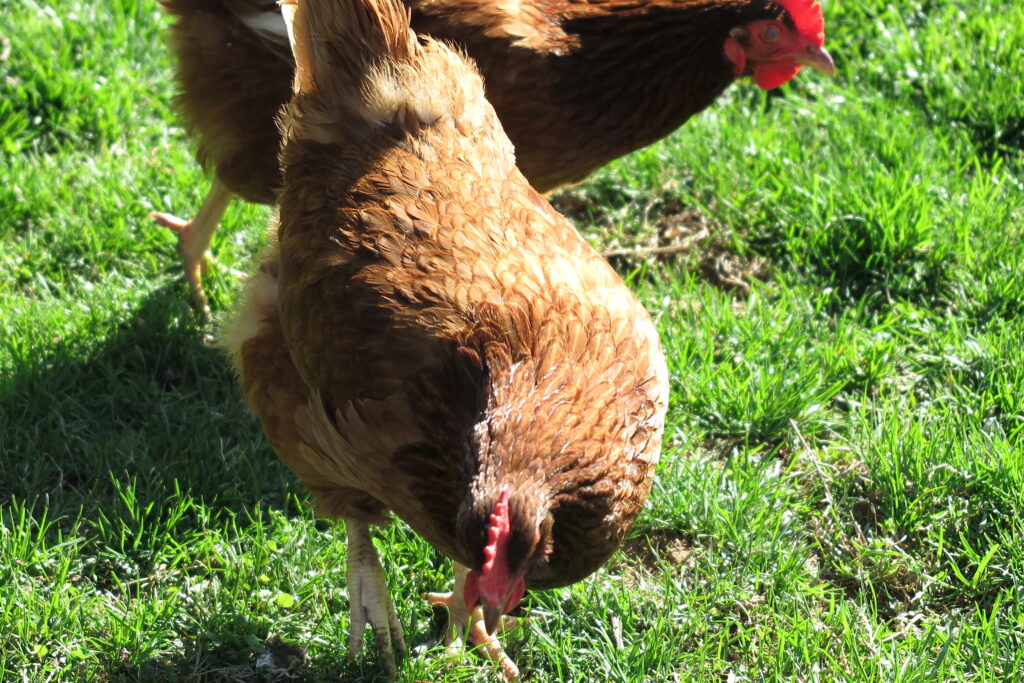
Rhode Island Reds are primarily active during daylight hours, making them a diurnal species. Activity usually begins shortly after sunrise when birds leave their roosting areas and begin exploring their surroundings. Throughout the day, movement occurs in a nearly continuous pattern, interrupted only by brief periods of rest or maintenance behaviors.
Their movement style is best described as deliberate and efficient. Rather than moving in sudden bursts without direction, Rhode Island Reds typically walk with a steady pace while constantly scanning the area around them. This creates a purposeful appearance, as though each bird has a destination even while casually exploring.
A large portion of daily activity involves ground-based movement. Birds frequently travel across open areas while stopping periodically to investigate specific locations. The motion resembles someone searching for a lost item in a yard—slow, methodical, and highly attentive to small details.
During warmer periods of the day, activity levels may decrease slightly as birds conserve energy and seek more comfortable conditions. Rather than remaining continuously active, they often alternate between movement and short resting periods. This allows them to remain productive without expending unnecessary energy.
Seasonal conditions can also influence movement patterns. During cooler months, birds may remain active for shorter periods depending on weather conditions. In contrast, mild temperatures often encourage longer periods of exploration and movement throughout the day.
When startled, Rhode Island Reds are capable of surprisingly quick acceleration. Their normal pace may appear relaxed, but they can rapidly increase speed when necessary. This sudden shift from calm movement to fast escape behavior demonstrates the breed’s ability to balance energy conservation with readiness for unexpected situations.
Rhode Island Red Social Interaction and Survival Behaviors
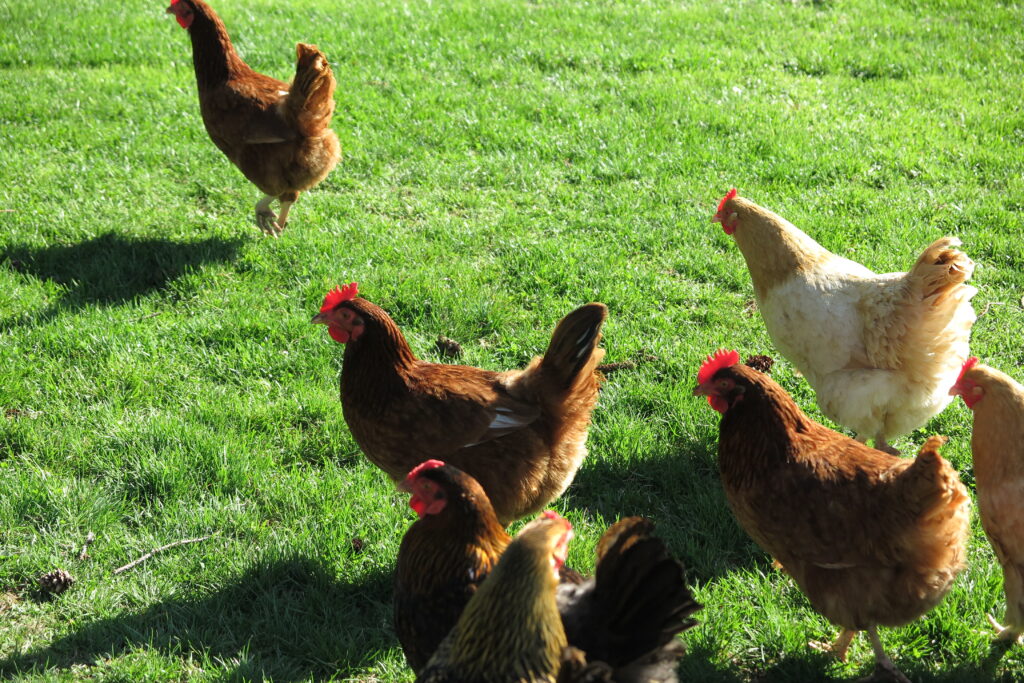
Rhode Island Reds are highly social birds that function most effectively as members of a flock. Individual birds constantly monitor one another, responding to movements, vocalizations, and changes in group behavior. This social structure helps maintain organization and improves overall awareness within the flock.
Within groups, a hierarchy naturally develops over time. Some individuals become more dominant, often taking the lead when moving into new areas or approaching unfamiliar objects. Despite these rankings, serious conflict is usually limited, with most disputes resolved through displays and brief interactions rather than prolonged aggression.
Communication occurs through a variety of vocal sounds and body signals. Short clucks, alert calls, and posture changes allow birds to exchange information quickly. These communication methods help maintain group cohesion even when individuals become temporarily separated.
When danger is detected, Rhode Island Reds rely heavily on vigilance and rapid response. A bird that notices a potential threat often becomes visibly alert, stretching its neck and focusing attention toward the source of concern. Nearby flock members frequently react to these warning signals before independently confirming the threat.
One common survival instinct involves seeking safety through collective movement. If a sudden disturbance occurs, multiple birds may immediately head toward cover while remaining aware of one another’s positions. This coordinated response reduces confusion and helps maintain flock integrity during stressful situations.
The breed’s combination of social awareness, communication, and alertness contributes significantly to its success in a wide range of environments. Rather than relying on a single defense mechanism, Rhode Island Reds depend on observation, group cooperation, and quick reactions. These behaviors allow them to navigate daily challenges while maintaining the organized social structure that defines much of their behavior.
Popular Searches About Rhode Island Reds
Explore Rhode Island Red Guide
Explore More Domestic Animals

Support Encounters World
Help support wildlife photography and get behind the scenes discoveries on Patreon.