
Rhode Island Red Eggs Guide: Egg Color, Production, Size, and What to Expect
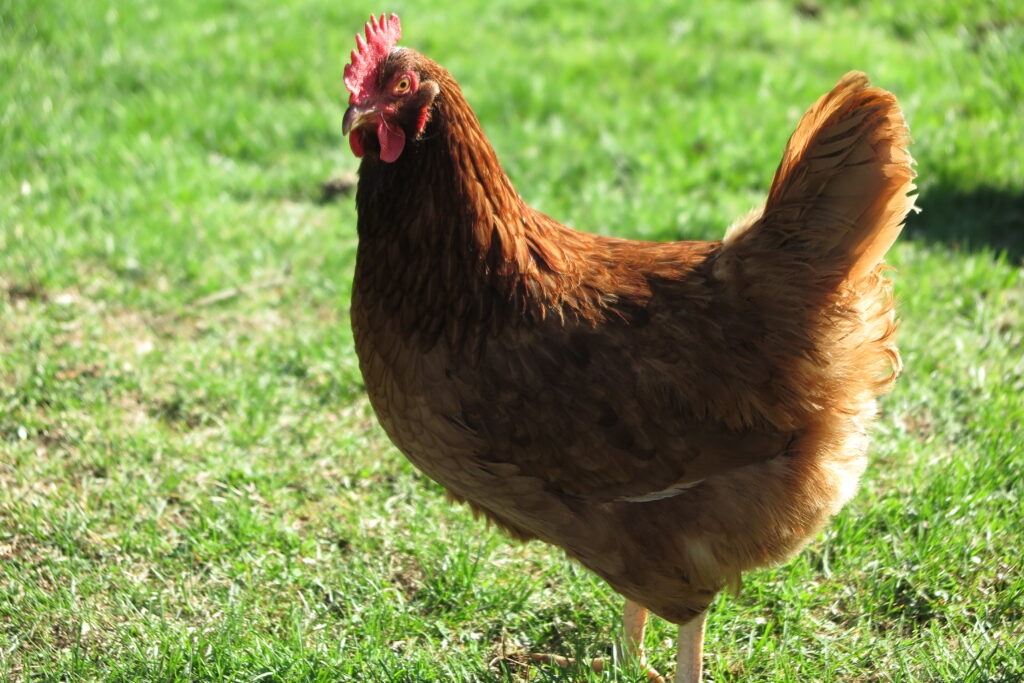
Quick Facts
Egg Color: Brown to Dark Brown
Average Eggs Per Year: 250–300+ Eggs
Average Egg Size: Large to Extra Large
Egg-Laying Start Age: Approximately 18–24 Weeks
Global Range: Worldwide Domestic Populations
Notable Feature: One of the Most Reliable Brown Egg Layers
Introduction to Rhode Island Red Eggs
Rhode Island Red chickens are among the most recognized egg-laying breeds in the world. Originally developed in the United States, they quickly gained popularity because of their ability to produce a dependable supply of eggs while remaining hardy and adaptable. Today, they are found on farms, homesteads, and backyard properties across numerous countries.
For many poultry keepers, Rhode Island Reds are considered one of the benchmark breeds for brown egg production. Their reputation has been built over generations of consistent performance and reliable laying habits. Whether kept in a small backyard flock or a larger agricultural operation, these chickens are frequently chosen for their productivity.
The eggs produced by Rhode Island Reds are valued not only for quantity but also for their attractive appearance. Their shells typically display shades of brown that stand out against the white eggs commonly associated with some commercial laying breeds. This natural coloration contributes to their appeal among backyard poultry enthusiasts.
Because of their long history in agriculture, Rhode Island Red eggs have become familiar to people throughout much of the world. The breed continues to be a popular choice for anyone seeking a steady source of fresh eggs while maintaining a flock with strong heritage roots.
Rhode Island Red Egg Appearance and Production Overview
Rhode Island Red eggs are best known for their brown shell coloration. Depending on the individual hen and genetics involved, the shade may range from light brown to a deeper, richer brown tone. While color variations occur naturally, the eggs generally maintain the classic appearance associated with traditional brown egg layers.
Most Rhode Island Red eggs are considered large in size. Mature hens frequently produce eggs that fit standard large egg classifications, with some individuals laying extra-large eggs as they age. Compared to a golf ball, a Rhode Island Red egg appears noticeably larger and more elongated, reflecting the substantial size poultry keepers often expect from the breed.
Production is one of the strongest characteristics of Rhode Island Reds. Healthy hens commonly produce between 250 and 300 eggs annually, placing them among the most dependable heritage laying breeds available. This level of productivity has helped maintain the breed’s popularity for well over a century.
Egg production usually begins when hens reach approximately eighteen to twenty-four weeks of age. Individual birds may start slightly earlier or later depending on genetics, nutrition, and environmental conditions. Once laying begins, many hens establish a relatively consistent pattern throughout much of the year.
Compared to ornamental chicken breeds that may lay only a limited number of eggs annually, Rhode Island Reds are significantly more productive. Their combination of strong output and manageable care requirements makes them attractive to both beginners and experienced poultry keepers.
The breed’s reputation for dependable laying has contributed to its worldwide success. While many chickens are valued for appearance or rarity, Rhode Island Reds have earned recognition primarily through their practical ability to produce a substantial number of quality eggs year after year.
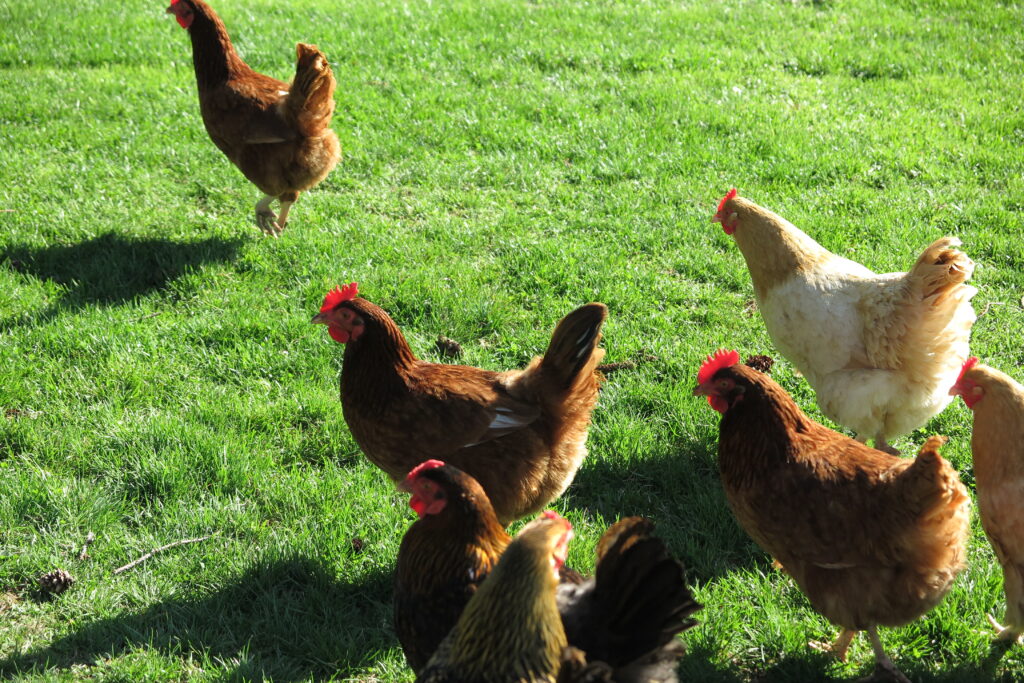
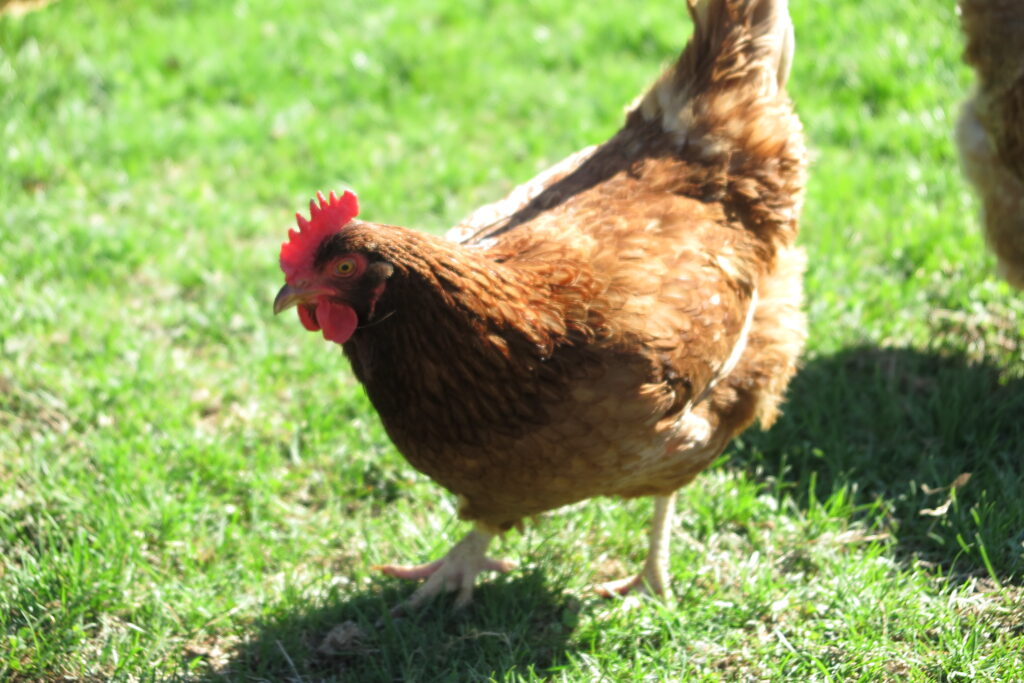
Distinctive Characteristics of Rhode Island Red Eggs
One of the most recognizable features of Rhode Island Red eggs is their shell color. Brown eggs often carry a rustic appearance that many poultry keepers associate with traditional farm flocks. Although shell color does not significantly affect nutritional value, it remains an important characteristic for breed identification.
The shells themselves are generally strong and well-formed when hens receive proper nutrition. Healthy Rhode Island Red eggs often display smooth surfaces with consistent coloration. Minor variations may occur naturally, but quality remains one of the breed’s notable strengths.
Egg size also contributes to the breed’s popularity. Rhode Island Red hens regularly produce eggs that are larger than those laid by many smaller chicken breeds. Their eggs frequently compare favorably with those found in grocery stores, making them particularly appealing for home egg production.
Another defining trait is consistency. While some breeds experience dramatic fluctuations in production, Rhode Island Reds are known for maintaining relatively dependable laying patterns. This predictability has made them a preferred choice for generations of poultry keepers seeking reliable results.
The yolks are often noted for their rich appearance, especially when birds have access to diverse feeding opportunities. Factors such as diet and management influence yolk coloration, but many owners appreciate the vibrant look commonly associated with fresh Rhode Island Red eggs.
Perhaps the most significant characteristic is the balance between quantity and quality. Many breeds excel in one area or the other, but Rhode Island Reds have built their reputation by consistently delivering both. This combination remains one of the primary reasons the breed continues to be widely recommended for egg-focused flocks.
The Importance of Rhode Island Red Eggs in Agriculture and Food Production
Rhode Island Red eggs have played an important role in agricultural systems for more than a century. The breed was originally developed with productivity in mind, helping provide a dependable food source for families and farms. As a result, Rhode Island Reds became influential in shaping modern poultry production.
Within small-scale farming operations, their eggs contribute to household food supplies and local agricultural markets. Many homesteads rely on Rhode Island Reds because they can provide a steady stream of eggs without requiring highly specialized management. This practicality continues to make the breed valuable today.
The influence of Rhode Island Red genetics extends beyond the breed itself. Numerous modern laying strains and hybrid chickens trace part of their ancestry to Rhode Island Reds. Their strong production traits have helped shape poultry breeding programs around the world.
Fresh eggs produced by Rhode Island Reds serve as an important source of protein and nutrients for many people. Their reliability allows poultry keepers to maintain consistent egg supplies throughout much of the year. This dependable output has long contributed to food security in both rural and suburban settings.
Beyond direct food production, Rhode Island Reds help preserve agricultural heritage. The breed remains one of the most successful examples of a heritage chicken that continues to thrive in modern poultry keeping. Their eggs represent not only a practical resource but also a connection to traditional farming practices.
The lasting popularity of Rhode Island Red eggs demonstrates the breed’s exceptional value. By combining strong production, attractive brown shells, and dependable performance, Rhode Island Reds have secured a permanent place among the world’s most respected egg-laying chickens.
Popular Searches About Rhode Island Reds
Explore Rhode Island Red Guide
Explore More Domestic Animals

Support Encounters World
Help support wildlife photography and get behind the scenes discoveries on Patreon.