
Rhode Island Red Facts Guide: Interesting Facts, Characteristics, and Breed Information
Quick Facts
Origin: Rhode Island and Massachusetts, United States
Average Size: 6.5–8.5 pounds (3–3.9 kg)
Lifespan: 5–8 years
Global Range: Worldwide Domestic Populations
Conservation Status: Domestic Heritage Breed
Notable Feature: One of the Most Influential Chicken Breeds in Modern Poultry History
Introduction to Rhode Island Red Facts and Breed History
The Rhode Island Red is one of the most famous domestic chicken breeds ever developed. Originating in the northeastern United States during the late nineteenth century, the breed quickly gained recognition for its durability, attractive appearance, and practical value. Today, Rhode Island Reds are raised throughout much of the world and remain one of the most popular heritage chicken breeds available.
Unlike many poultry breeds that achieved only regional success, Rhode Island Reds became internationally influential. Their genetics have contributed to numerous modern poultry lines, helping shape the development of commercial chickens across multiple continents. Few domestic breeds can claim such a widespread impact on global agriculture.
The breed’s name reflects its historical origins in Rhode Island and nearby areas of Massachusetts. Farmers in the region sought to develop a versatile chicken capable of meeting multiple agricultural needs. Through careful breeding, they created a bird that combined strength, productivity, and adaptability into a single package.
Over time, Rhode Island Reds became a symbol of practical poultry keeping. Their success allowed them to move far beyond their place of origin, eventually becoming familiar on farms, homesteads, and backyard properties around the globe. Today, they remain one of the most recognized chicken breeds in existence.
Fascinating Rhode Island Red Facts and Physical Features
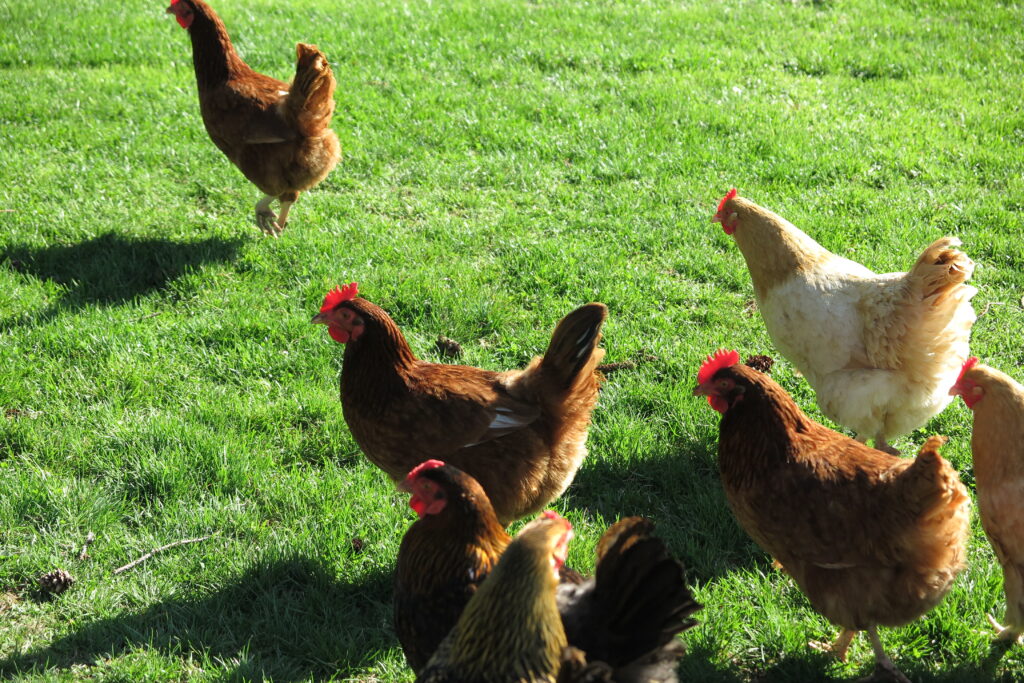
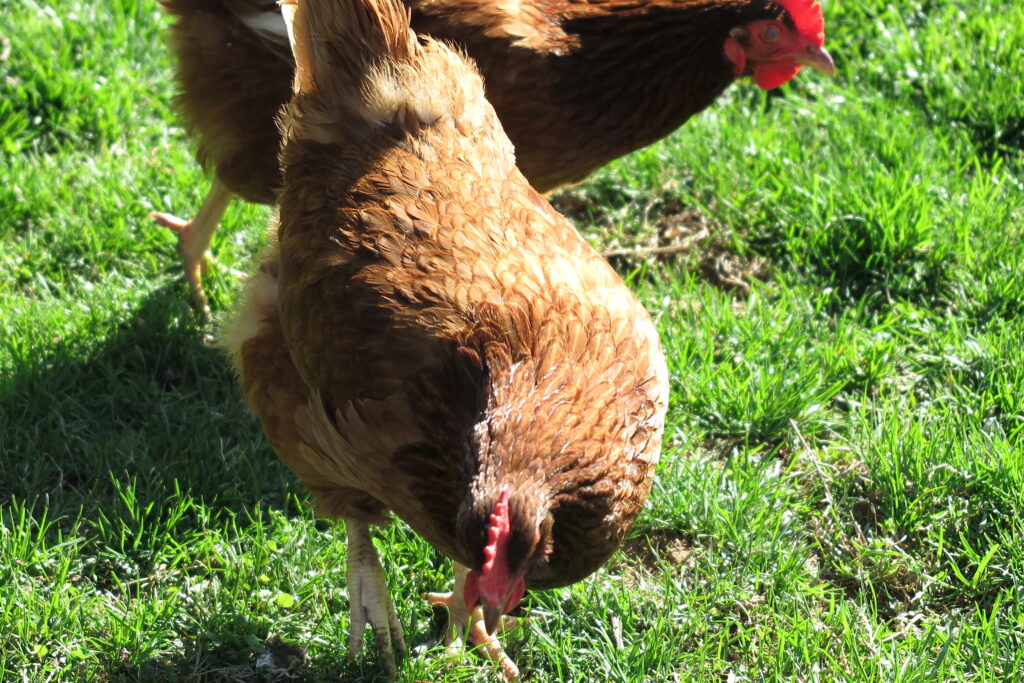
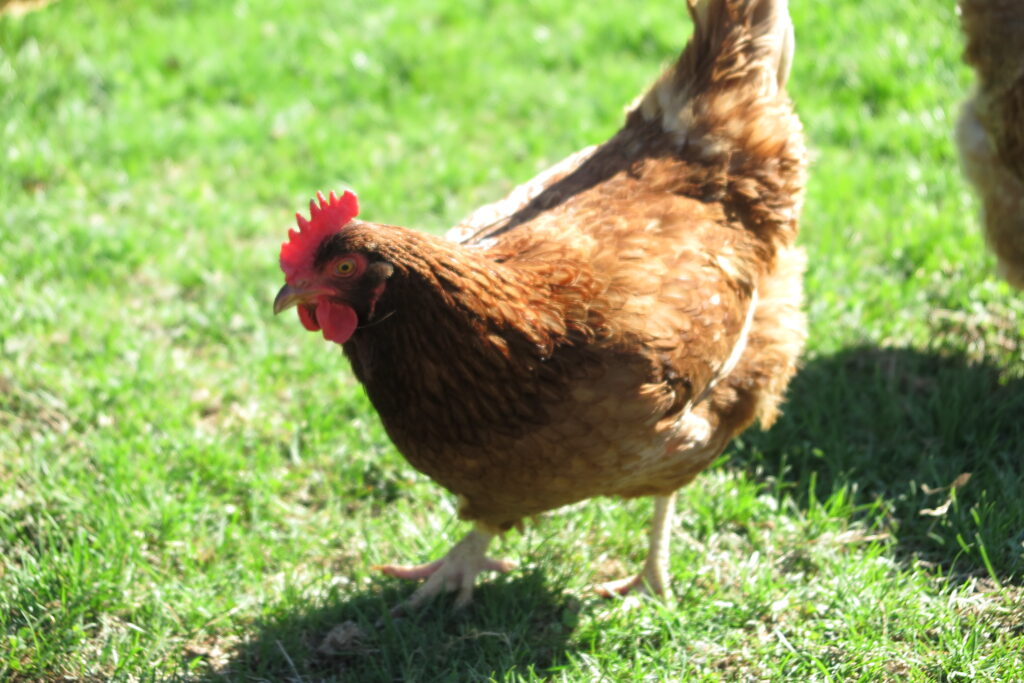
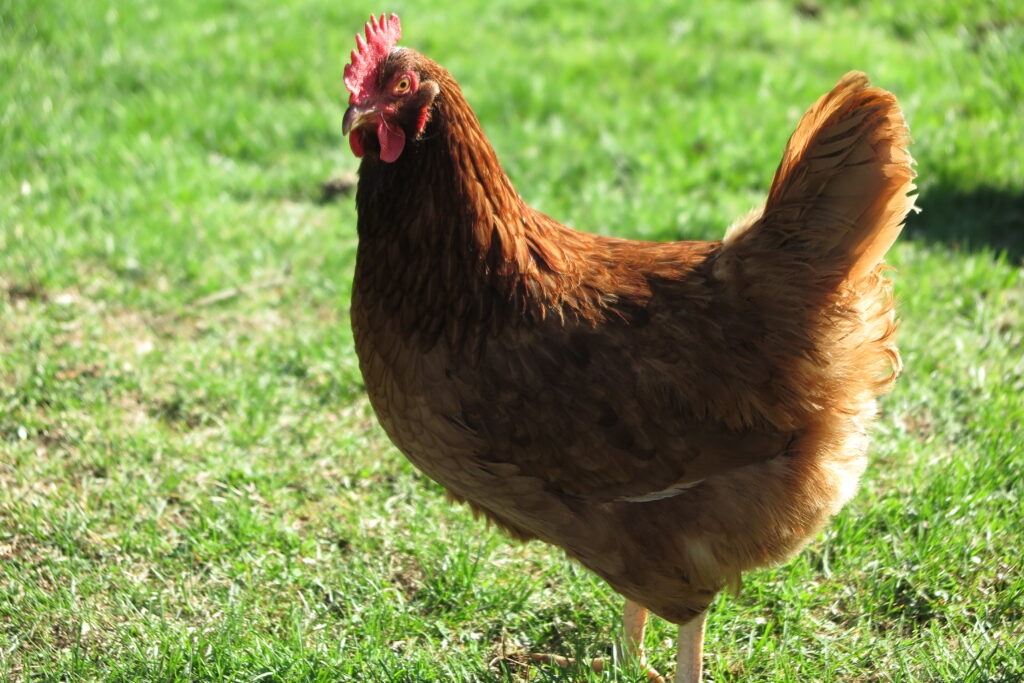
One of the most interesting facts about Rhode Island Reds is their distinctive plumage coloration. Although commonly described as red, their feathers often display a mixture of mahogany, chestnut, copper, and reddish-brown shades. Sunlight frequently reveals subtle color variations that add depth and richness to their appearance.
Adult Rhode Island Reds are larger than many people expect. Mature roosters often weigh more than eight pounds, while hens commonly reach seven pounds or more. Their substantial size gives them a sturdy appearance that distinguishes them from lighter poultry breeds.
The breed’s bright red comb and wattles create a striking contrast against the darker feather coloration. Combined with yellow legs and a yellow beak, these features contribute to a highly recognizable appearance. Even individuals unfamiliar with poultry often identify Rhode Island Reds as classic farm chickens.
A Rhode Island Red’s body shape is another defining characteristic. Their broad chest, deep body, and balanced proportions create a powerful silhouette. Compared to lighter breeds such as White Leghorns, Rhode Island Reds appear noticeably more robust and substantial.
Perhaps one of the most surprising facts is how consistent the breed remains throughout its global range. Whether raised in North America, Europe, or Australia, Rhode Island Reds maintain many of the same physical traits that made them famous more than a century ago.
This combination of color, size, and structure has helped establish Rhode Island Reds as one of the most visually recognizable domestic chickens in the world. Their appearance alone often serves as an introduction to poultry keeping for many enthusiasts.
Unique Rhode Island Red Characteristics and Lesser-Known Facts
Few people realize that Rhode Island Reds helped influence the development of modern poultry breeding programs worldwide. Their genetic contributions have been incorporated into numerous production lines, making their impact far greater than that of many other heritage breeds.
Another interesting fact involves their official recognition. Rhode Island Reds were admitted to the American Standard of Perfection in the early twentieth century and quickly became one of the most respected breeds in organized poultry exhibitions. Their popularity continues within both agricultural and show communities today.
The breed is also known for its remarkable adaptability. While originally developed in the northeastern United States, Rhode Island Reds now thrive in regions with vastly different climates and environmental conditions. This flexibility has played a major role in their global success.
Compared to highly ornamental breeds, Rhode Island Reds were developed with practicality in mind. Their appearance remains attractive, but their design emphasizes functionality rather than elaborate decorative features. This balance helped ensure widespread adoption by farmers.
A useful comparison can be made to a classic pickup truck. While many vehicles are designed for specific purposes, a dependable pickup succeeds because it performs multiple tasks well. Rhode Island Reds earned their reputation through a similar combination of versatility and reliability.
One lesser-known fact is that the breed became so influential that Rhode Island eventually adopted the Rhode Island Red as its official state bird. This recognition reflects the deep cultural and agricultural importance the breed holds within American history.
Why Rhode Island Reds Matter in Agriculture and Ecosystems
The Rhode Island Red has played an important role in agricultural systems for well over a century. Its influence extends beyond individual farms and reaches into global poultry production. Few heritage breeds have contributed as significantly to the development of modern chickens.
Within agricultural environments, Rhode Island Reds help support sustainable poultry management. Their long history of successful breeding has demonstrated the value of maintaining healthy, adaptable domestic livestock populations. This contribution remains important even in modern farming systems.
The breed also occupies a place within broader agricultural ecosystems. Chickens interact with soil, vegetation, insects, and other livestock, creating connections throughout managed landscapes. Rhode Island Reds participate in these systems while contributing to overall farm productivity.
Their role in preserving genetic diversity is equally important. Heritage breeds provide valuable genetic resources that may help strengthen future poultry populations. Maintaining breeds such as the Rhode Island Red helps ensure that unique traits are not lost over time.
Educational programs frequently use Rhode Island Reds to teach students about animal husbandry, agriculture, and livestock management. Their approachable appearance and historical significance make them excellent ambassadors for poultry education. Many people encounter their first heritage chicken through this breed.
The Rhode Island Red’s enduring success is perhaps its most impressive fact. More than a century after its development, the breed continues to thrive across the world. Through its influence on agriculture, contribution to poultry genetics, and lasting popularity among chicken keepers, the Rhode Island Red remains one of the most important and recognizable chicken breeds ever created.
Popular Searches About Rhode Island Reds
Explore Rhode Island Red Guide
Explore More Domestic Animals

Support Encounters World
Help support wildlife photography and get behind the scenes discoveries on Patreon.