
Rhode Island Red Rooster vs Hen Guide: Key Differences in Appearance, Size, and Identification
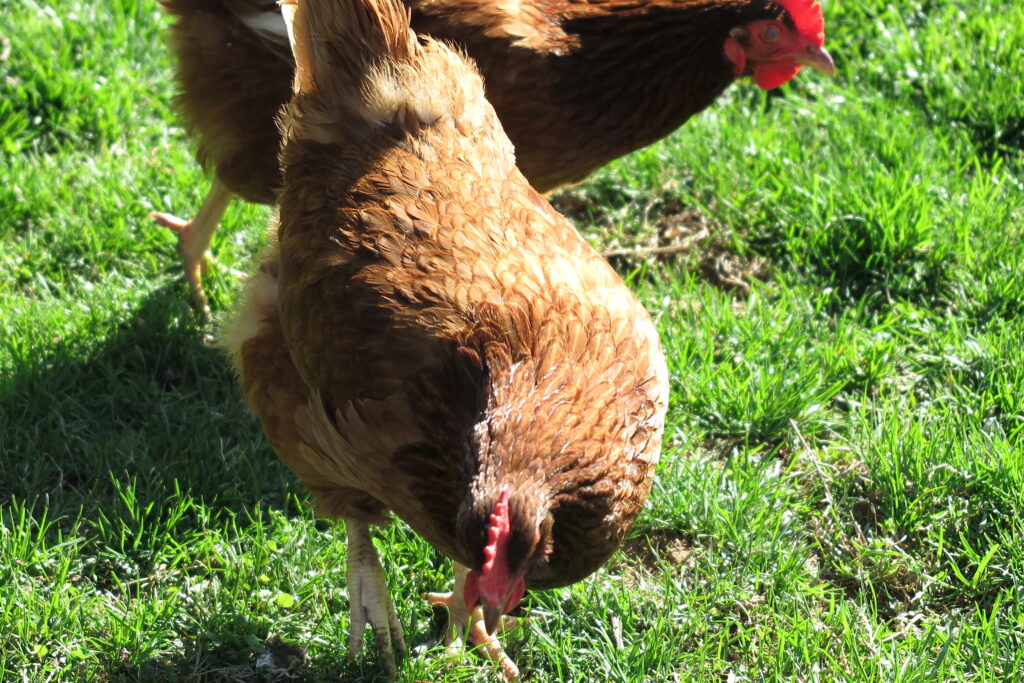
Quick Facts
Male Size: 8–8.5 pounds (3.6–3.9 kg)
Female Size: 6.5–7 pounds (2.9–3.2 kg)
Lifespan: 5–8 Years
Global Range: Worldwide Domestic Populations
Conservation Status: Domestic Breed
Notable Feature: Roosters and Hens Display Distinct Physical Differences Despite Sharing the Same Breed Traits
Introduction to Rhode Island Red Roosters and Hens
The Rhode Island Red is one of the most recognizable chicken breeds in the world, found on farms, homesteads, and backyard flocks across numerous countries. Although both sexes share the same breed heritage, roosters and hens possess several noticeable differences that become increasingly obvious as they mature. Understanding these distinctions is important for poultry keepers, breeders, and anyone interested in identifying birds within a flock.
Originally developed in the United States, Rhode Island Reds have spread throughout North America, Europe, Australia, Asia, and many other regions. Their worldwide popularity has made them one of the easiest chicken breeds to observe and compare. Because large numbers of birds are raised globally, the physical differences between males and females are well documented.
At a glance, both roosters and hens display the breed’s signature reddish-brown coloration. However, closer examination reveals important distinctions involving body size, feather shape, comb development, and overall appearance. These characteristics help poultry keepers determine sex even before birds reach full maturity.
While both sexes contribute to the breed’s success, each possesses unique physical traits that serve different purposes within the flock. From the impressive appearance of mature roosters to the practical form of productive hens, Rhode Island Reds provide an excellent example of sexual dimorphism within domestic poultry.
Rhode Island Red Rooster and Hen Appearance Comparison
One of the easiest ways to distinguish a Rhode Island Red rooster from a hen is by overall size. Mature roosters are generally larger, heavier, and taller than hens. When standing side by side, the difference is often comparable to the size gap between a medium-sized dog and a slightly smaller companion breed.
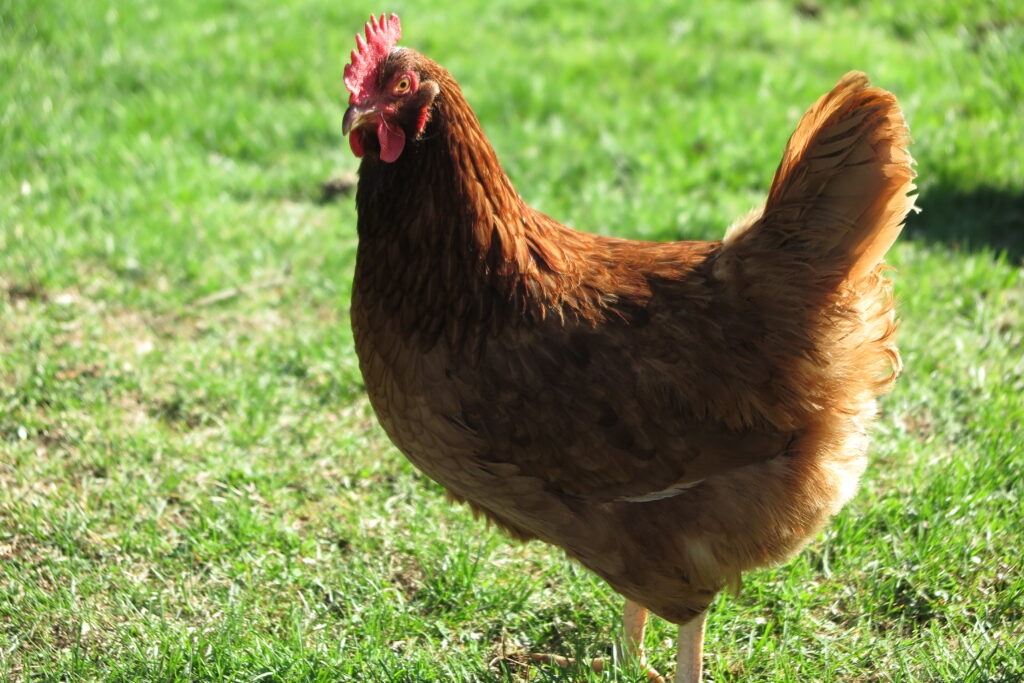
Coloration provides another important clue. While both sexes display reddish-brown plumage, roosters often develop richer, more vibrant feathering. Their neck and saddle feathers may show brighter golden, copper, or fiery red highlights that stand out in sunlight.
The tail is perhaps one of the most obvious identifying features. Roosters develop long, curved sickle feathers that arch gracefully above the tail area. Hens lack these elongated feathers, instead displaying shorter, more rounded tail plumage that creates a simpler profile.
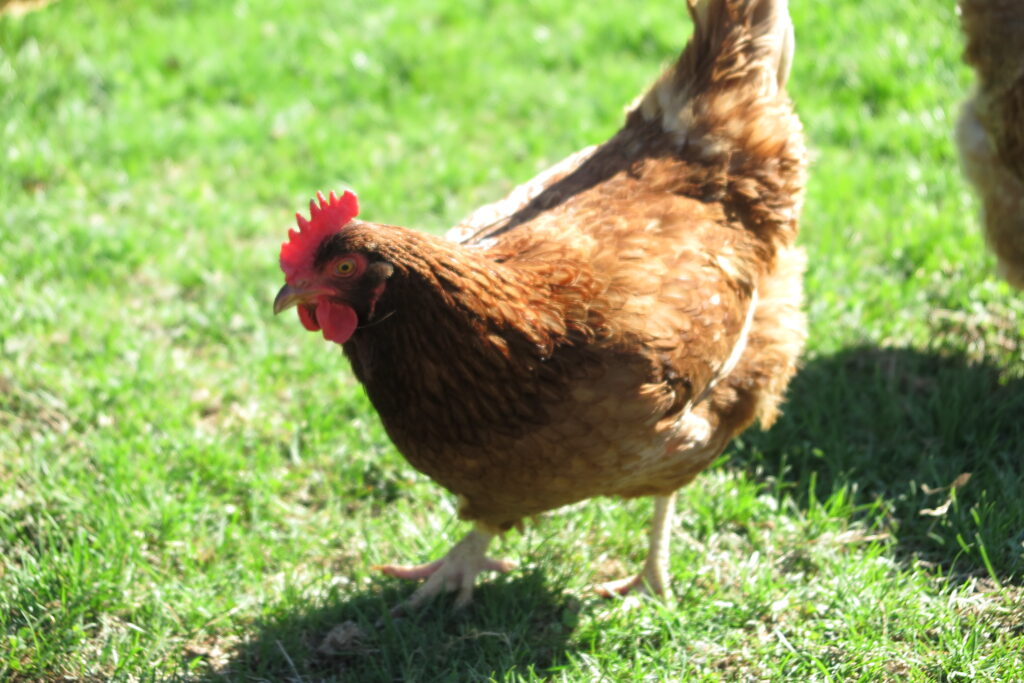
Comb and wattle development also differ significantly. Male Rhode Island Reds typically possess larger, more prominent combs and wattles that become bright red as they mature. Hens have the same structures, but they are usually smaller and less dramatic in appearance.
Body shape varies between the sexes as well. Roosters often appear more upright and athletic, with a broader stance and elevated posture. Hens generally have a lower center of gravity and a more compact body designed for efficient egg production.
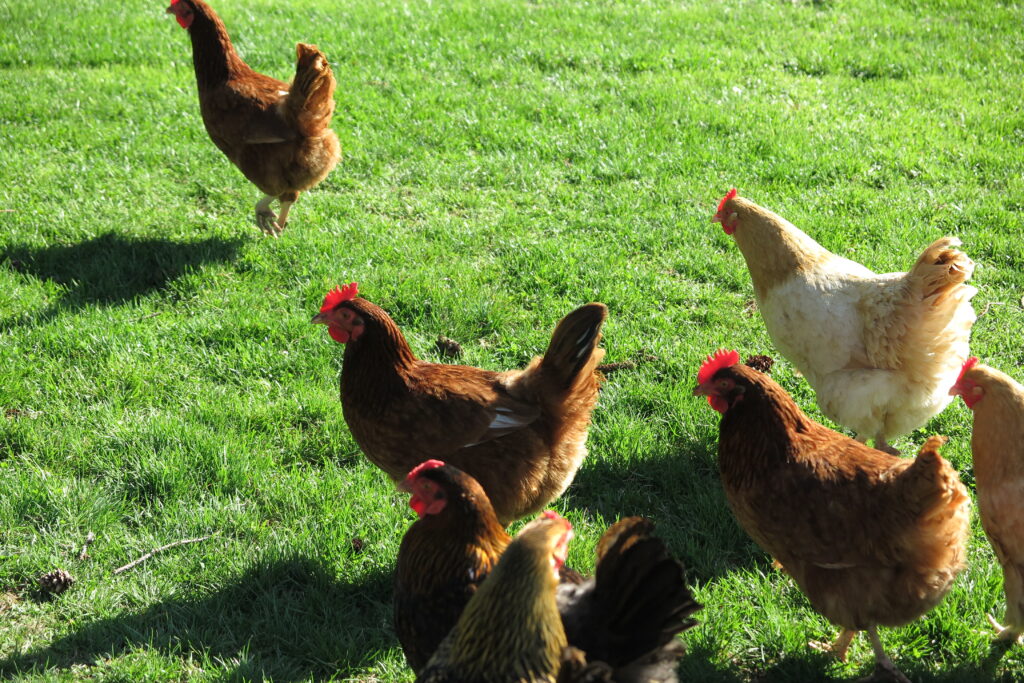
Even at a distance, mature roosters tend to create a more striking silhouette. Their larger size, flowing feathers, and prominent head features make them highly visible within a flock. Hens, while attractive in their own right, display a more streamlined and practical appearance.
Physical Characteristics That Separate Rhode Island Red Males and Females
Beyond simple size differences, several unique physical traits help distinguish Rhode Island Red roosters from hens. Feather structure represents one of the most reliable identification methods, particularly once birds approach maturity.
Roosters develop pointed hackle feathers around the neck and pointed saddle feathers near the lower back. These feathers create a flowing appearance that resembles decorative trim on a garment. Hens, by contrast, retain rounded feather tips that produce a softer and more uniform look.
Leg thickness often provides another useful clue. Male Rhode Island Reds usually possess heavier legs and a more substantial skeletal structure. Their stronger build supports greater body mass and contributes to their commanding appearance within the flock.
Head structure differs subtly but consistently. Roosters often develop broader heads with more prominent facial features. Combined with larger combs and wattles, this creates a bold profile that stands apart from the more refined appearance of hens.
The overall stance of a rooster can be compared to that of a parade horse displaying confidence and presence. Hens resemble practical working animals, emphasizing efficiency over display. This contrast reflects generations of natural and selective influences that shaped the breed.
Perhaps the most distinctive feature is the combination of all these traits working together. While a single characteristic may not always provide certainty, the collective appearance of size, feather shape, comb development, and posture makes sex identification relatively straightforward in mature Rhode Island Reds.
The Importance of Roosters and Hens Within Poultry Systems
Both Rhode Island Red roosters and hens play important roles within domestic poultry populations. Although their appearances differ, each contributes to the long-term success and continuation of the breed. Their combined presence supports healthy breeding programs and sustainable flock management.
Hens are responsible for producing the eggs that have made Rhode Island Reds famous worldwide. Their productive capabilities have helped establish the breed as one of the most respected heritage chickens in agriculture. Without hens, the breed’s reputation for reliable egg production would not exist.
Roosters contribute genetic diversity and allow natural reproduction within breeding flocks. Their presence ensures future generations of Rhode Island Reds while helping maintain important breed characteristics. Breeders often evaluate roosters carefully because their genetics influence many offspring.
From an ecological perspective, both sexes occupy similar positions within agricultural food webs. They contribute to farming systems, interact with surrounding environments, and form part of larger livestock communities. Together, they help maintain balanced and productive poultry populations.
The visual differences between males and females also assist poultry keepers with flock management. Quickly identifying birds allows for more effective breeding decisions, record keeping, and long-term planning. These distinctions have practical value beyond simple appearance.
The Rhode Island Red provides one of the clearest examples of how male and female chickens can share the same breed while displaying remarkably different physical characteristics. Understanding these differences helps poultry enthusiasts appreciate the unique contributions of both roosters and hens while improving their ability to identify and manage birds within a flock.
Popular Searches About Rhode Island Reds
Explore Rhode Island Red Guide
Explore More Domestic Animals

Support Encounters World
Help support wildlife photography and get behind the scenes discoveries on Patreon.