
Rhode Island Red Lifespan Guide: How Long Do Rhode Island Red Chickens Live?
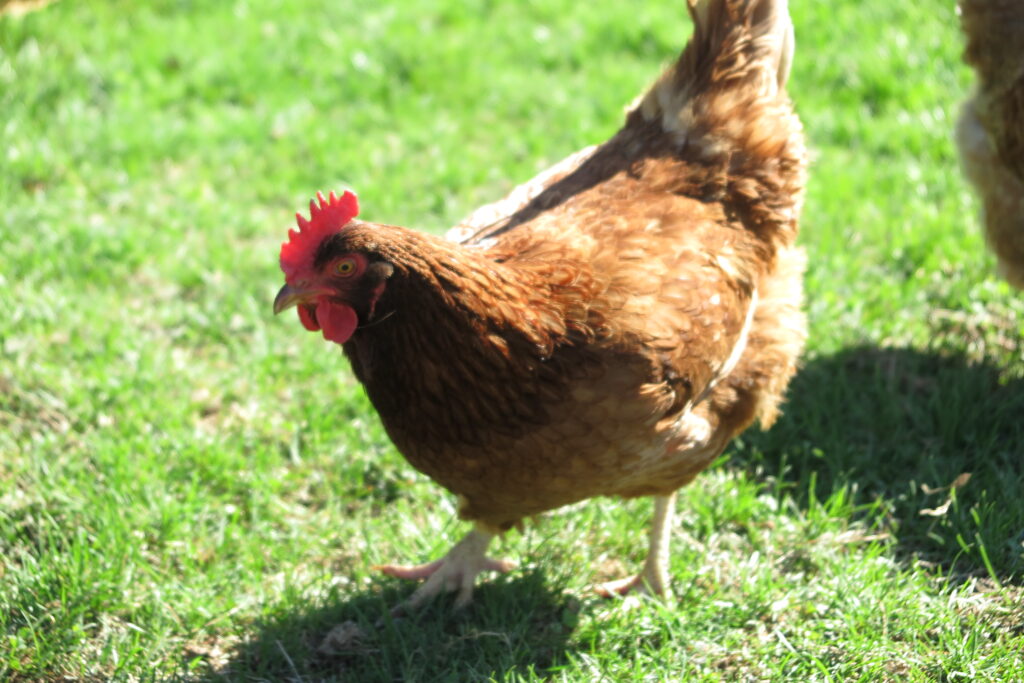
Quick Facts
Location: Farms, Homesteads, and Backyard Flocks
Average Size: 6.5–8.5 pounds (3–3.9 kg)
Average Lifespan: 5–8 Years
Global Range: Worldwide Domestic Populations
Conservation Status: Domestic Breed
Notable Feature: Long-Lived Heritage Chicken with Strong Hardiness
Introduction to Rhode Island Red Lifespan
The Rhode Island Red is one of the most successful heritage chicken breeds ever developed, known for its durability, adaptability, and long-term productivity. Originally established in the United States, the breed has expanded across much of the world and remains a common sight on farms and backyard properties. Its reputation for reliability extends not only to egg production but also to overall longevity.
Across North America, Europe, Australia, and many other regions, Rhode Island Reds are frequently chosen by poultry keepers seeking birds capable of remaining productive for multiple years. While lifespan varies between individual chickens, the breed generally demonstrates impressive resilience compared to many modern production-focused poultry lines.
For many flock owners, lifespan represents an important consideration when selecting a breed. A chicken that remains healthy and active for many years offers value beyond simple productivity. Rhode Island Reds have earned recognition because they often continue thriving long after some highly specialized breeds begin declining.
Their combination of strong genetics, practical body structure, and overall hardiness has contributed significantly to their reputation. As a result, Rhode Island Reds are commonly recommended for poultry keepers looking for chickens capable of maintaining a long and healthy life under proper care.
Rhode Island Red Lifespan Overview and Age Expectations
Most Rhode Island Reds live between five and eight years, although some individuals can exceed this range under favorable conditions. Lifespan is influenced by numerous factors, including genetics, nutrition, healthcare, environmental quality, and predator protection. Birds receiving consistent care often live significantly longer than those exposed to chronic stress or poor conditions.
Compared to commercial hybrid layers bred primarily for maximum egg production, Rhode Island Reds often enjoy longer average lifespans. Many modern production strains focus heavily on output during the early years of life, while Rhode Island Reds retain characteristics associated with traditional heritage poultry breeding. This difference can contribute to greater long-term durability.
Young Rhode Island Reds typically reach maturity within their first several months and spend much of adulthood in their most productive years. During this stage, they often display strong feather quality, healthy body condition, and excellent overall vitality. These prime years generally extend through much of the bird’s early and middle adulthood.
As birds enter later stages of life, gradual physical changes become more noticeable. Feather wear, reduced productivity, and subtle changes in body condition may occur as part of the normal aging process. However, healthy Rhode Island Reds often remain active and visually impressive even during advanced age.
Lifespan can vary considerably between individual birds. Some chickens experience exceptionally long lives that exceed expectations, while others may encounter health challenges that shorten their lifespan. This variation exists within nearly all domestic poultry breeds.
A useful comparison can be made to domestic dogs. Just as certain dog breeds are known for longevity and hardiness, Rhode Island Reds have earned a similar reputation among poultry keepers. Their ability to maintain good condition over multiple years remains one of the breed’s most respected qualities.
Rhode Island Red Characteristics That Support Longevity
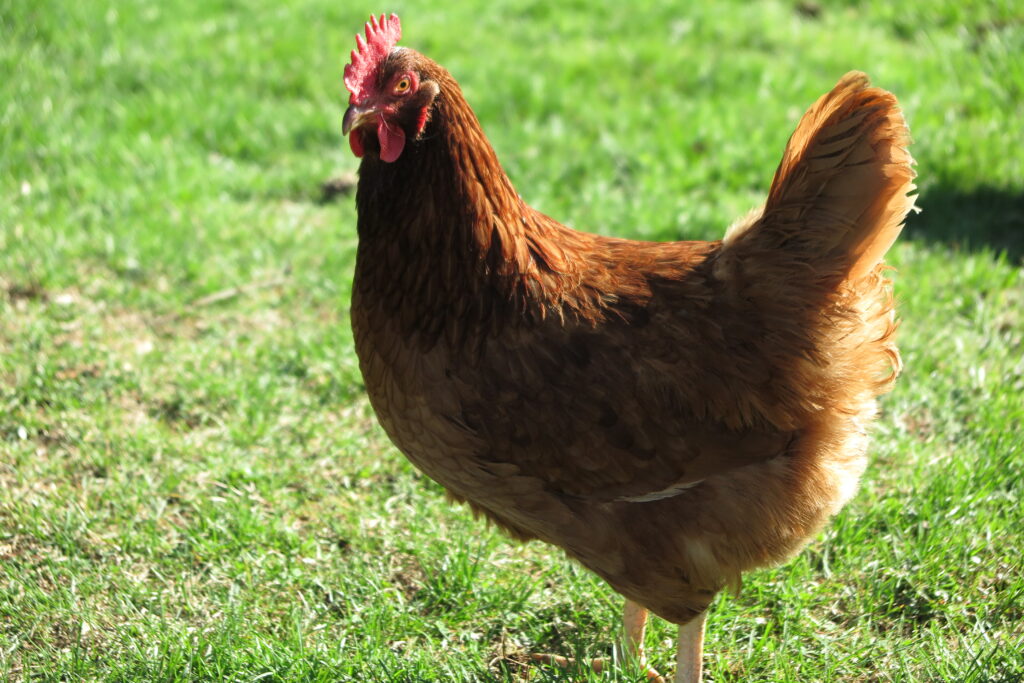
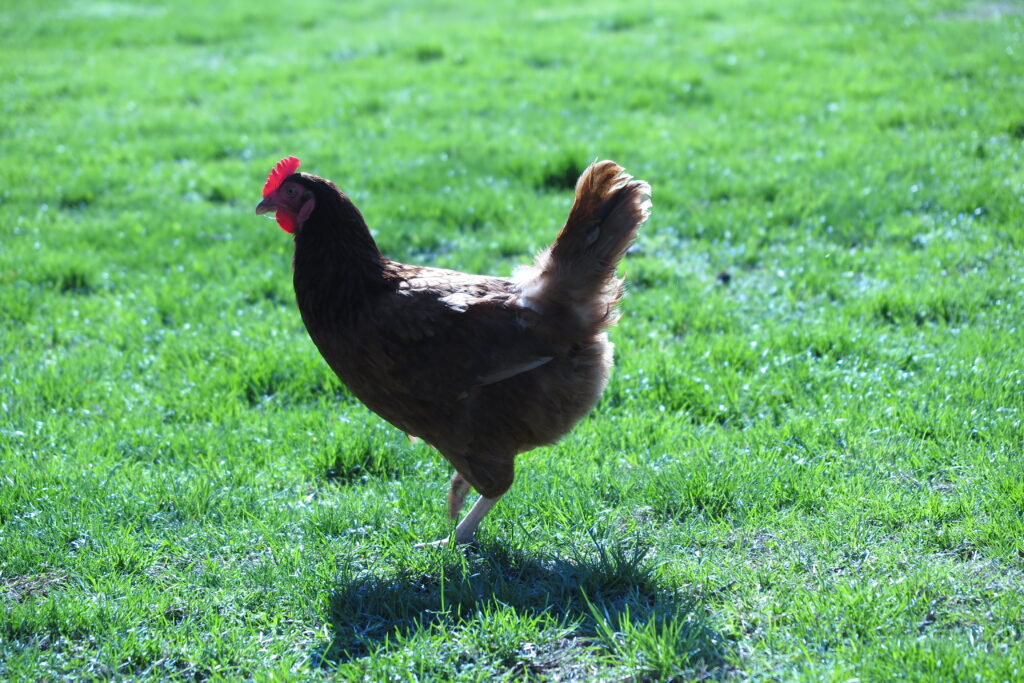
One of the most important factors contributing to Rhode Island Red longevity is the breed’s robust physical structure. These chickens possess a balanced body design that combines strength with efficiency. Their sturdy frame supports long-term health and reduces some of the challenges associated with more extreme body types.
Dense feather coverage provides another advantage. Healthy plumage helps protect birds from environmental stressors while supporting temperature regulation throughout the year. This protective layer contributes to the breed’s ability to remain comfortable across a wide range of climatic conditions.
Compared to some highly specialized ornamental breeds, Rhode Island Reds often exhibit fewer extreme physical traits. Certain ornamental chickens possess exaggerated features that may create health challenges over time. Rhode Island Reds, by contrast, maintain a practical body structure developed through generations of functional breeding.
Their broad chest and strong legs further enhance overall durability. These features provide stability and support throughout the bird’s life. Even older individuals often retain a solid, balanced appearance that reflects the breed’s heritage as a practical farm chicken.
Another defining characteristic is genetic resilience. Heritage breeds frequently preserve a broader range of traits than highly specialized commercial strains. This diversity can contribute to long-term health and adaptability under varying management conditions.
A Rhode Island Red can be compared to a well-built utility vehicle. Rather than emphasizing a single specialized purpose, the breed was developed for versatility and reliability. This practical design philosophy has helped establish Rhode Island Reds as one of the longest-lasting and most dependable heritage chicken breeds available today.
The Importance of Long-Lived Rhode Island Reds in Agriculture
The longevity of Rhode Island Reds plays an important role in both traditional and modern poultry keeping. Birds capable of remaining productive and healthy for multiple years provide significant value to farmers, homesteaders, and backyard flock owners. Their extended lifespan allows keepers to maintain established flocks without constant replacement.
Long-lived chickens contribute to more sustainable poultry management practices. When birds remain productive over several years, fewer resources are required to replace aging stock. This creates benefits for both small-scale and larger agricultural operations.
Rhode Island Reds have also contributed significantly to poultry breeding programs worldwide. Their combination of productivity and durability has influenced the development of numerous other poultry lines. Many breeders have sought to incorporate the breed’s longevity-related traits into future generations.
From an educational perspective, long-lived birds provide valuable opportunities for observing the full life cycle of domestic poultry. Families, agricultural programs, and youth organizations often benefit from working with chickens that remain part of a flock for many years. These experiences help strengthen understanding of animal care and responsible management.
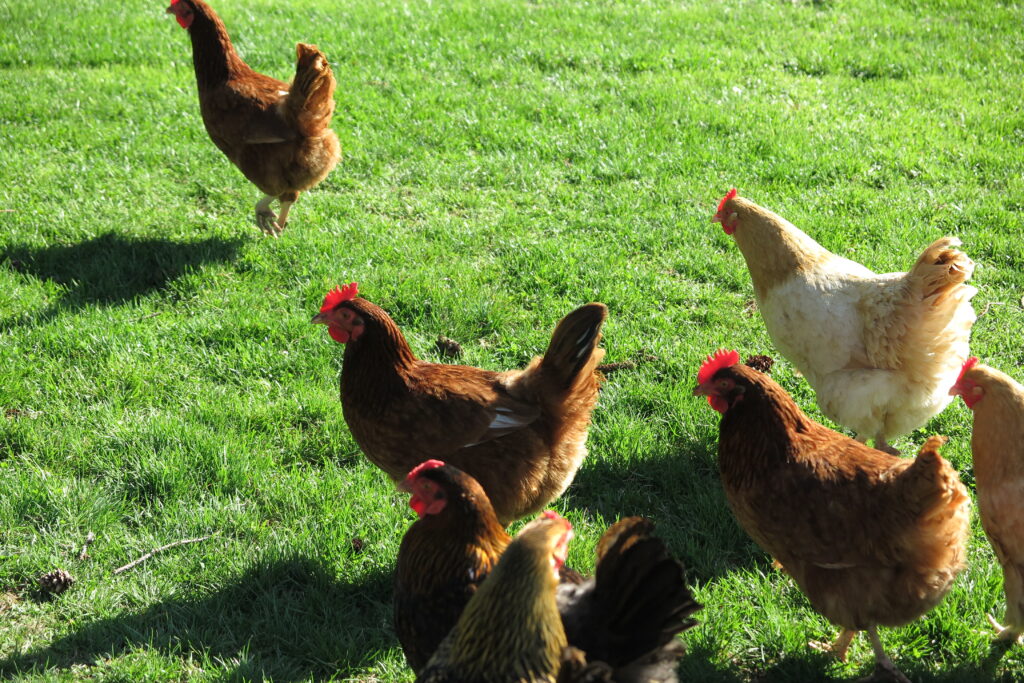
Within agricultural ecosystems, older Rhode Island Reds continue contributing even after peak production years have passed. Their presence supports flock stability and preserves valuable genetics within breeding populations. Many poultry keepers appreciate the experience and consistency older birds bring to a flock.
The Rhode Island Red’s reputation for longevity remains one of the breed’s greatest strengths. By combining hardiness, adaptability, and long-term health potential, these chickens have secured their place among the most respected heritage poultry breeds in the world. Their ability to remain active and resilient for years continues to attract poultry enthusiasts seeking a dependable and enduring flock member.
Popular Searches About Rhode Island Reds
Explore Rhode Island Red Guide
Explore More Domestic Animals

Support Encounters World
Help support wildlife photography and get behind the scenes discoveries on Patreon.