
When Do Rhode Island Red Chickens Start Laying Eggs? Complete Age and Development Guide
Quick Facts
Average Start Laying Age: 18–24 Weeks
First Egg Size: Small to Medium
Peak Laying Age: 6 Months to 2 Years
Global Range: Worldwide Domestic Populations
Conservation Status: Domestic Breed
Notable Feature: Early and Reliable Egg-Laying Compared to Many Heritage Breeds
Introduction to Rhode Island Red Egg-Laying Age
Rhode Island Reds are among the most popular egg-laying chickens in the world, valued for their dependable production and hardy nature. Originally developed in the United States, the breed has become a common sight on farms, homesteads, and backyard properties across numerous countries. Their reputation for reliable laying often leads new poultry keepers to ask when these birds begin producing their first eggs.
The journey from chick to laying hen is an important stage in a Rhode Island Red’s life. During the first several months, young birds undergo rapid physical development as they transition from fluffy chicks into mature pullets. This period lays the foundation for future egg production and overall health.
Unlike fully mature hens, younger Rhode Island Reds display a changing appearance as they approach adulthood. Feather coloration deepens, body structure becomes more refined, and certain physical features begin to signal maturity. These visible changes often help owners estimate when laying may begin.
Understanding when Rhode Island Reds start laying eggs requires more than simply looking at age. Genetics, environmental conditions, and overall development all influence when the first egg appears. Because of this, individual birds may begin laying at slightly different times despite belonging to the same breed.
Rhode Island Red Development Timeline Before Egg Production
Most Rhode Island Red hens begin laying eggs between eighteen and twenty-four weeks of age. This places them among the earlier-maturing heritage chicken breeds while still allowing adequate time for proper development. Under favorable conditions, some individuals may start slightly sooner, while others may take a few additional weeks.
During the first several weeks of life, Rhode Island Reds focus primarily on growth. Chicks rapidly increase in size while replacing their soft down feathers with juvenile plumage. At this stage, there are few obvious indicators that egg production is still months away.
As birds approach three to four months of age, more noticeable changes begin to occur. Their body shape starts resembling that of adult hens, and feather coloration becomes richer and more defined. These developments signal that maturity is gradually approaching.
Around five months of age, many Rhode Island Reds begin displaying physical signs associated with future egg production. Their combs and wattles often become larger and brighter red, indicating increasing hormonal activity. Poultry keepers frequently use these visual cues to estimate how close a bird may be to laying.
The process can be compared to a teenager progressing through adolescence before reaching adulthood. Just as physical maturity develops gradually rather than overnight, Rhode Island Reds require time to complete important stages of growth before producing their first eggs.
While age provides a useful guideline, development remains equally important. A healthy, well-developed pullet often reaches laying age more successfully than a bird that experienced setbacks during growth. For this reason, overall condition frequently matters as much as the calendar.
Physical Signs a Rhode Island Red Is Ready to Lay
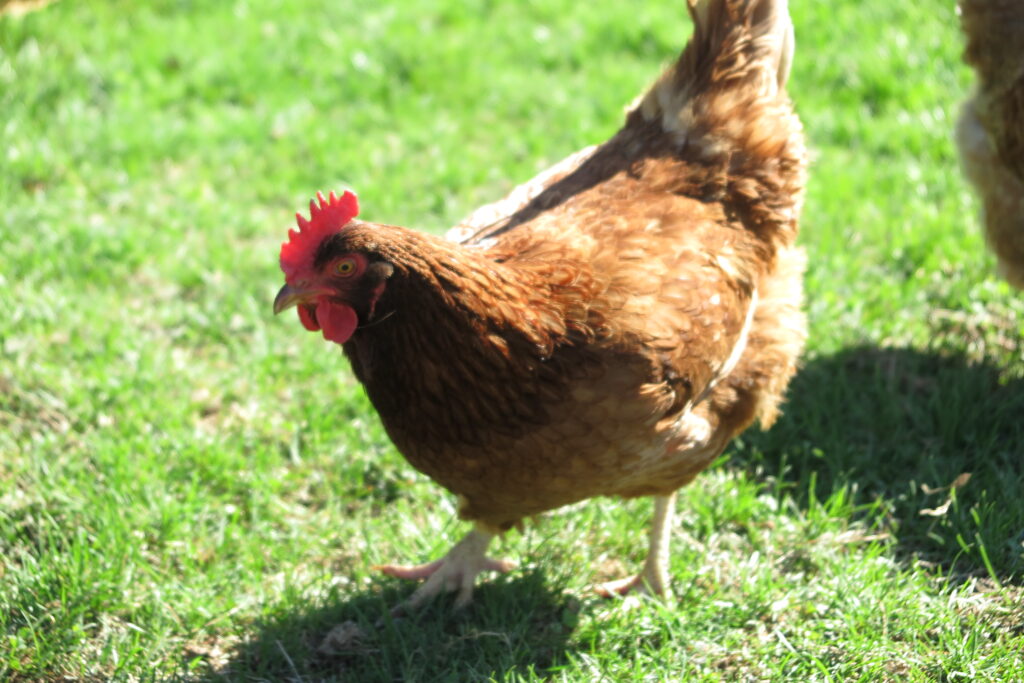
Several physical changes help indicate when a Rhode Island Red is nearing its first egg. One of the most noticeable signs involves the comb and wattles. These structures become larger, fuller, and brighter red as reproductive maturity approaches.
Body shape also changes significantly. Young pullets begin developing a broader, deeper frame that differs from their earlier juvenile appearance. This transformation often becomes increasingly obvious during the final weeks before laying begins.
Feather quality may appear more polished as maturity approaches. The bird’s plumage takes on the rich mahogany coloration for which Rhode Island Reds are famous. Combined with increased body size, this creates a noticeably more adult appearance.
Another useful indicator involves the spacing of the pelvic area. Experienced poultry keepers sometimes examine physical development around the lower body to estimate readiness for egg production. As maturity progresses, subtle structural changes occur that support future laying.
Compared to younger pullets, nearly mature Rhode Island Reds often resemble scaled-down versions of fully productive hens. Their appearance becomes more refined and balanced, with fewer signs of juvenile growth remaining visible. These changes can provide valuable clues even before the first egg appears.
Perhaps the most reliable observation is the combination of multiple signs occurring together. A bright red comb, mature body structure, and fully developed feathering collectively suggest that laying age is approaching. Rarely does a single feature provide the complete picture on its own.
Why Early Egg Production Matters in Poultry Systems
The age at which Rhode Island Reds begin laying eggs has contributed significantly to the breed’s long-standing popularity. Birds that reach productivity relatively early provide practical benefits for both commercial and backyard poultry keepers. Their dependable development schedule helps owners plan flock management more effectively.
For small homesteads, early laying means a quicker transition from raising young birds to collecting fresh eggs. Families investing time and resources into growing a flock often appreciate breeds that begin contributing within the first several months of life. Rhode Island Reds consistently meet these expectations.
The breed’s predictable maturity has also influenced poultry breeding programs around the world. Generations of selective breeding have helped establish Rhode Island Reds as reliable producers capable of balancing growth, durability, and egg production. This combination remains highly desirable among poultry enthusiasts.
From an agricultural perspective, consistent laying age improves flock planning and productivity. Birds that mature within a predictable timeframe simplify management decisions related to housing, nutrition, and breeding programs. Rhode Island Reds have become known for offering this type of reliability.
The development of young hens also represents an important biological transition. Reaching laying age marks the point where a pullet enters adulthood and begins fulfilling one of the breed’s defining characteristics. This milestone reflects months of successful growth and development.
For anyone wondering when Rhode Island Red chickens start laying eggs, the answer is typically between eighteen and twenty-four weeks of age. While individual birds may vary slightly, the breed’s reputation for relatively early and dependable maturity continues to make it one of the most trusted egg-laying chickens in the world.
Popular Searches About Rhode Island Reds
Explore Rhode Island Red Guide
Explore More Domestic Animals

Support Encounters World
Help support wildlife photography and get behind the scenes discoveries on Patreon.