
Rhode Island Red Chicks Guide: Appearance, Growth Stages, and Identification
Quick Facts
Location: Farms, Hatcheries, Homesteads, and Backyard Flocks
Average Hatch Weight: 1.3–1.6 ounces (37–45 g)
Time to Adulthood: Approximately 18–24 Weeks
Global Range: Worldwide Domestic Populations
Conservation Status: Domestic Breed
Notable Feature: Rapid Development from Golden-Brown Chick to Deep Red Adult Plumage
Introduction to Rhode Island Red Chicks
Rhode Island Red chicks represent the earliest stage of one of the world’s most recognized chicken breeds. From commercial hatcheries to small backyard flocks, these young birds are raised throughout many regions of the world. Their popularity stems from the success of the Rhode Island Red breed itself, which has remained a favorite among poultry keepers for generations.
Newly hatched chicks look dramatically different from the mature birds they eventually become. Instead of the rich mahogany plumage associated with adults, young chicks are covered in soft down that provides insulation during their earliest days of life. This fluffy appearance gives them a distinctly different identity during the first stage of development.
Across North America, Europe, Australia, Asia, and numerous other regions, Rhode Island Red chicks are commonly raised by poultry enthusiasts. Their broad global distribution reflects the breed’s adaptability and long-standing agricultural importance. Few heritage chicken breeds have achieved a comparable level of international recognition.
Watching a Rhode Island Red chick mature provides a fascinating glimpse into poultry development. Over the course of several months, these tiny birds undergo remarkable physical changes that gradually transform them into the strong, recognizable chickens for which the breed is known today.
Rhode Island Red Chick Appearance and Early Growth Stages
Freshly hatched Rhode Island Red chicks are small, lightweight birds covered in soft insulating down. Their coloration usually ranges from golden brown to light reddish-brown, often accompanied by darker markings across the back or head. These patterns can vary slightly between individuals while still maintaining the breed’s recognizable appearance.
During the first few weeks of life, chicks possess a rounded body shape that differs significantly from mature birds. Their proportionally large eyes, short beaks, and fluffy covering create the classic appearance most people associate with newly hatched poultry. At this stage, they often resemble small puffballs moving across the ground.
In terms of size, a young Rhode Island Red chick is roughly comparable to a tennis ball shortly after hatching. Despite their tiny dimensions, they grow rapidly during the first several weeks of life. This accelerated growth is one of the most noticeable aspects of their early development.
As juvenile feathers begin replacing down, the bird’s appearance changes dramatically. Richer shades of brown and red gradually emerge while the fluffy texture gives way to more structured plumage. The transformation often occurs in stages, creating a patchwork appearance during certain phases of development.
By several months of age, young Rhode Island Reds begin showing stronger resemblance to adult birds. Their body becomes more elongated, feather coverage increases, and overall proportions shift toward the breed’s mature form. These changes continue until the bird reaches full adult size.
Although their appearance evolves considerably, many chicks retain subtle characteristics that hint at their future adult coloration. Careful observation often reveals early signs of the deep reddish plumage that will later define the breed.
Distinctive Characteristics of Rhode Island Red Chicks
Several unique features help distinguish Rhode Island Red chicks from other young chicken breeds. One of the most recognizable characteristics is their warm-toned down coloration. While some chicks appear nearly golden, others display richer brown shades that foreshadow their eventual adult plumage.
The structure of the chick also provides useful identification clues. Rhode Island Red chicks often possess a solid, balanced appearance even at a young age. Their sturdy frame reflects the breed’s heritage as a practical farm chicken developed for long-term productivity and durability.
Compared to White Leghorn chicks, which often appear lighter and more delicate, Rhode Island Red chicks generally display a more substantial build. The difference can be compared to a compact utility vehicle versus a lightweight sports car. Both serve a purpose, but their physical designs reflect different priorities.
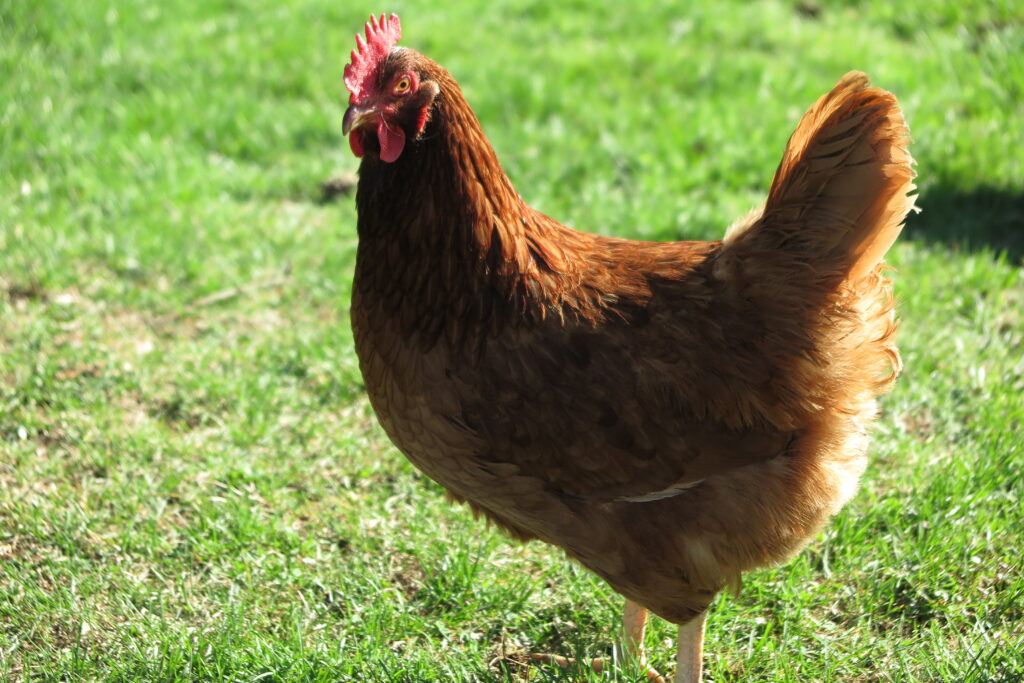
Their developing feathers frequently reveal hints of future coloration. As juvenile plumage emerges, reddish-brown tones begin appearing across various parts of the body. These colors gradually intensify as maturity approaches, eventually creating the deep mahogany appearance associated with adult Rhode Island Reds.
Leg coloration also assists with identification. Young birds often display yellow legs that remain a defining breed characteristic throughout adulthood. Combined with their body shape and developing feather colors, these features create a recognizable package even before full maturity.
Perhaps the most unusual aspect of Rhode Island Red chicks is how dramatically they change during growth. Few observers would immediately connect a fluffy hatchling to the bold adult bird it eventually becomes. This transformation highlights one of the most fascinating aspects of poultry development.
The Importance of Rhode Island Red Chicks in Agriculture
Rhode Island Red chicks play an important role in sustaining one of the world’s most influential heritage poultry breeds. Every adult Rhode Island Red begins life as a chick, making this early stage essential for maintaining healthy populations and preserving valuable genetics.
Within agricultural systems, chicks represent the next generation of productive birds. Farmers, breeders, and backyard poultry keepers invest significant effort into raising healthy young chickens capable of reaching adulthood. The quality of care provided during this stage often influences long-term success.
Rhode Island Red chicks have also contributed to poultry breeding programs throughout the world. The breed’s genetics have influenced numerous commercial and heritage poultry lines. As a result, young Rhode Island Reds represent more than a single breed—they reflect a long history of poultry development.
Educational programs frequently use chicks to teach people about animal growth and agricultural life cycles. Watching a chick mature into an adult chicken provides a clear example of biological development. This process helps many individuals develop a stronger understanding of livestock management and animal care.
Within managed agricultural environments, chicks occupy an important position in the overall production cycle. They eventually grow into birds that contribute to breeding programs, egg production, and flock sustainability. Their successful development supports both small-scale and larger poultry operations.
The significance of Rhode Island Red chicks extends beyond their immediate appearance. These young birds represent the beginning of a life cycle that has supported agriculture for generations. Their growth from tiny hatchlings into productive adults continues to make them an important part of poultry keeping around the world.
Popular Searches About Rhode Island Reds
Explore Rhode Island Red Guide
Explore More Domestic Animals

Support Encounters World
Help support wildlife photography and get behind the scenes discoveries on Patreon.