Dusky Salamander Behavior – Activity Patterns, Movement, and Survival Responses
Quick Facts
Activity Type: Mostly nocturnal and crepuscular
Social Structure: Solitary
Territorial Behavior: Mildly territorial around shelter areas
Movement Style: Slow crawling with sudden bursts of speed
Communication Method: Physical posture and chemical signaling
Defense Strategy: Camouflage, hiding, and rapid escape movements
Introduction to Dusky Salamander Behavior in Freshwater Environments
The Northern Dusky Salamander is a quiet and highly observant amphibian commonly associated with shaded streams, seepages, and rocky woodland waterways throughout eastern North America. Although small and easy to overlook, this salamander displays surprisingly complex behavior shaped by moisture, temperature, and the constant movement of freshwater around it. Many encounters happen only after lifting a rock or carefully examining the edge of a shallow stream.
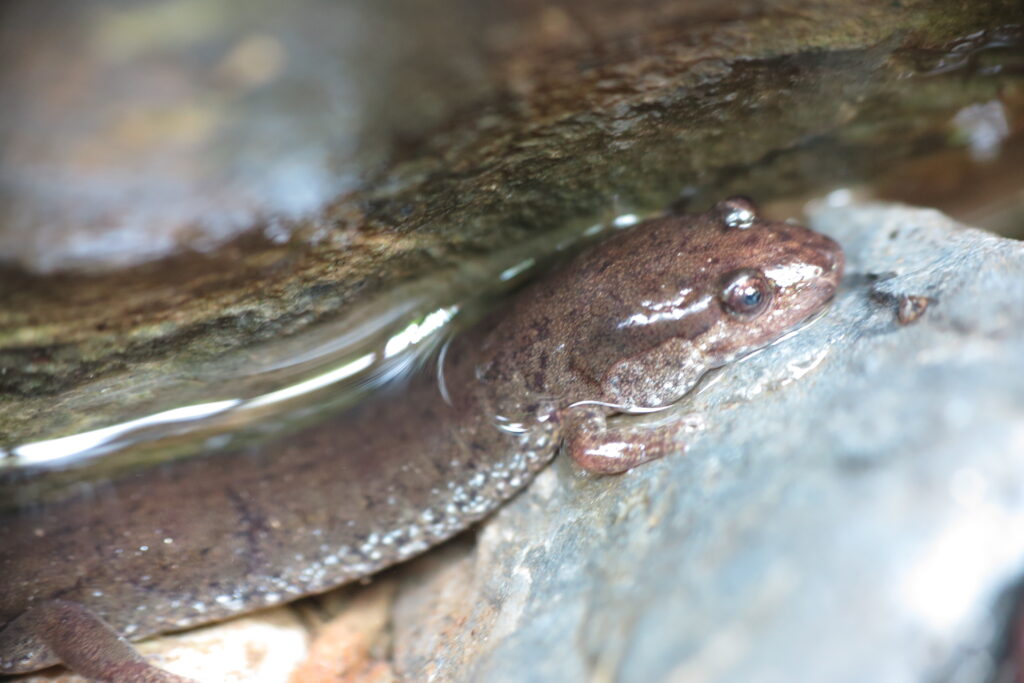
Dusky salamanders often appear calm and motionless at first glance. A resting individual may remain pressed against wet stone for several minutes without shifting position, blending so naturally into the environment that it resembles part of the streambed itself. This stillness is one of the species’ most recognizable traits and helps it avoid drawing attention from predators.
Throughout much of their range, dusky salamanders are most active during cooler and wetter conditions. Rainy evenings, humid mornings, and overcast days often increase visible activity near water. During dry or unusually warm conditions, they become far less noticeable and retreat into narrow hiding spaces where moisture remains stable.
Watching a dusky salamander in the wild feels very different from observing larger or more energetic amphibians. Instead of dramatic movements or sudden calls, their behavior is subtle and deliberate. Their quiet presence beside flowing water creates the impression of an animal perfectly adapted to patience, concealment, and careful movement through a constantly shifting stream environment.
Dusky Salamander Behavior Overview and Daily Activity Tendencies
Dusky salamanders are generally cautious animals that spend much of their time hidden beneath rocks, logs, or streamside debris. When undisturbed, they often remain nearly motionless for extended periods, conserving energy while staying alert to vibrations and nearby movement. Their calm posture can make them seem inactive, though they remain highly aware of changes in their surroundings.
Unlike highly energetic amphibians that continuously roam in search of activity, dusky salamanders behave more like patient ambush animals. Their behavior resembles a spider waiting quietly within a web or a lizard resting against warm stone, conserving movement until necessary. This slow and observant nature helps reduce attention from predators while allowing the salamander to remain concealed within crowded stream habitats.
Most visible activity increases during periods of moisture and cooler temperatures. Salamanders may emerge more openly during light rain or after sunset when humidity rises and surfaces remain damp. In contrast, hot dry conditions usually lead to reduced movement and longer periods spent hidden beneath cover.
Dusky salamanders are also highly responsive to disturbances. Even a slight shadow passing overhead or a nearby vibration can trigger an immediate reaction. Some individuals freeze completely when threatened, while others quickly dart toward cracks or submerged hiding places with surprising speed.
Although they are generally solitary, multiple dusky salamanders can sometimes be found occupying the same stream system within short distances of one another. However, they do not display strong social cooperation or group behavior. Most interactions between individuals are brief and centered around shelter or space rather than communication or bonding.
Their overall behavior gives the impression of an animal designed for efficiency rather than constant movement. Every pause, sudden retreat, or cautious crawl appears deliberate. In the wild, this creates a subtle but fascinating contrast between the stillness of the salamander and the constant motion of the surrounding stream.
Dusky Salamander Movement and Seasonal Activity Patterns
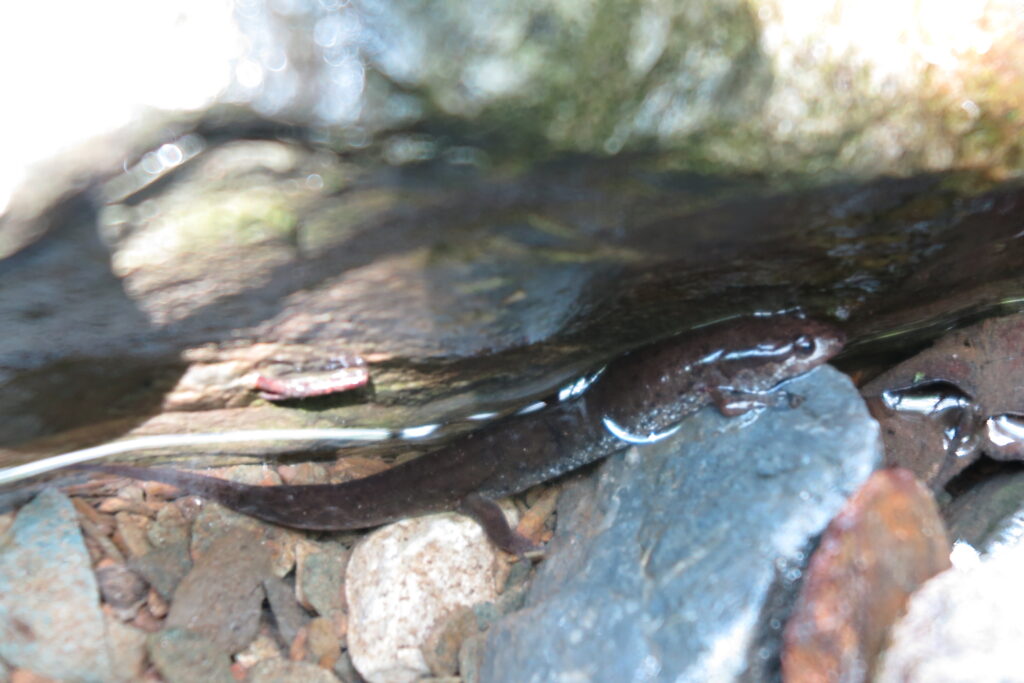
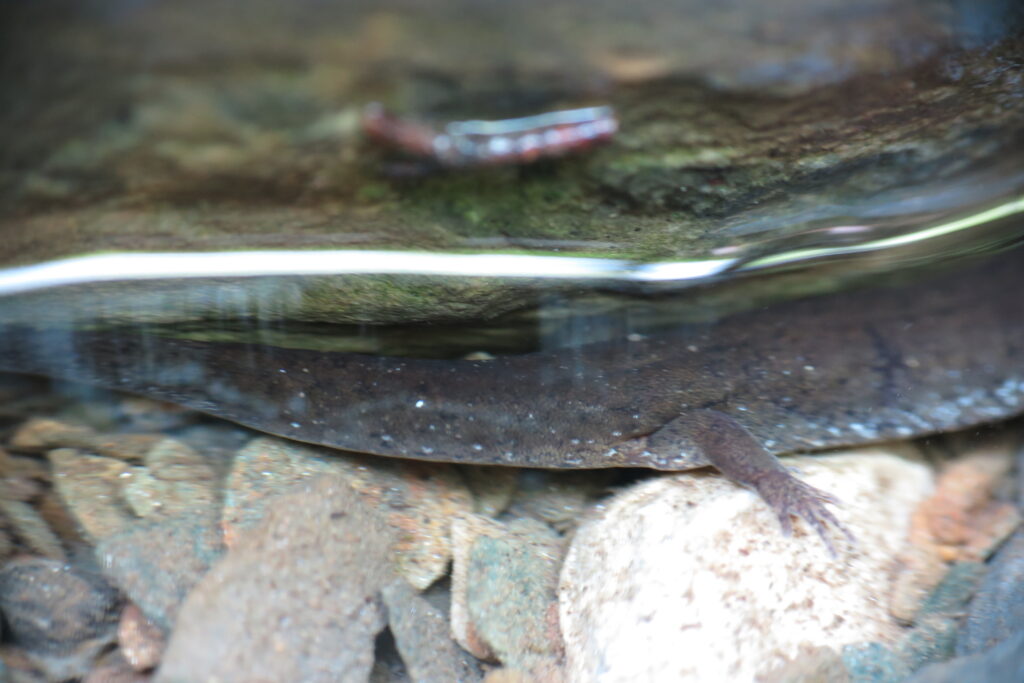
Dusky salamanders move with a low, crawling motion that keeps the body close to the surface beneath them. Their limbs are relatively short, causing the salamander to slide and push itself forward in a smooth, controlled manner. When traveling across wet rock or shallow water, their movement resembles a slow skink or a small reptile gliding carefully along uneven terrain.
Despite their usually calm appearance, dusky salamanders are capable of sudden bursts of speed when startled. A hidden individual may instantly dart beneath a rock crack or disappear into flowing water within seconds. These quick escape reactions are sharp and unpredictable, almost like a fish rapidly changing direction in shallow current.
Most activity occurs during nighttime or low-light conditions. Cooler evening temperatures reduce moisture loss and allow salamanders to move more safely across exposed surfaces. During daylight hours, especially in warmer weather, many remain hidden to avoid drying out.
Seasonal changes strongly influence movement patterns. Spring and autumn often bring increased activity because of cooler temperatures and higher moisture levels. During especially dry summer periods or freezing winter conditions, movement becomes far more limited as salamanders retreat deeper into protected spaces beneath rocks or underground crevices.
Dusky salamanders are not long-distance travelers. Their movements usually remain concentrated around reliable moisture sources and familiar shelter locations. Instead of roaming widely like frogs or larger reptiles, they carefully navigate small territories with precise awareness of nearby cover.
Their motion through water is equally distinctive. In shallow streams, they may partially submerge while using rocks and current breaks to stabilize themselves against flowing water. Watching one maneuver through a streambed can resemble observing a tiny aquatic climber carefully gripping slippery stone while avoiding the force of the current.
Dusky Salamander Interaction and Survival Responses
Dusky salamanders rely heavily on stealth and rapid reactions to survive within stream ecosystems. Their first line of defense is camouflage, allowing them to blend almost perfectly with wet rocks, mud, and dark stream bottoms. A motionless salamander can become nearly impossible to spot unless viewed from very close range.
When approached by a threat, dusky salamanders often freeze before attempting escape. Remaining still helps avoid detection because movement is far more noticeable to predators than shape or color alone. If the danger continues to approach, the salamander may suddenly sprint toward water, narrow cracks, or concealed spaces beneath rocks.
Some individuals display defensive body positioning when cornered. They may slightly raise the body, curl the tail, or tense their posture in preparation for rapid movement. Although small, these reactions demonstrate how quickly the salamander shifts from passive stillness to active survival behavior.
Dusky salamanders are generally solitary and avoid unnecessary interaction with other animals. Most encounters with other salamanders involve brief contact before one individual retreats. Shelter areas beneath rocks can occasionally lead to competition, especially in crowded stream sections where hiding locations are limited.
Young salamanders are especially cautious and tend to flee immediately at disturbances. Their survival depends heavily on quick reactions and remaining hidden from larger predators. Even vibrations from footsteps near a stream bank may trigger escape behavior before a predator is even visible.
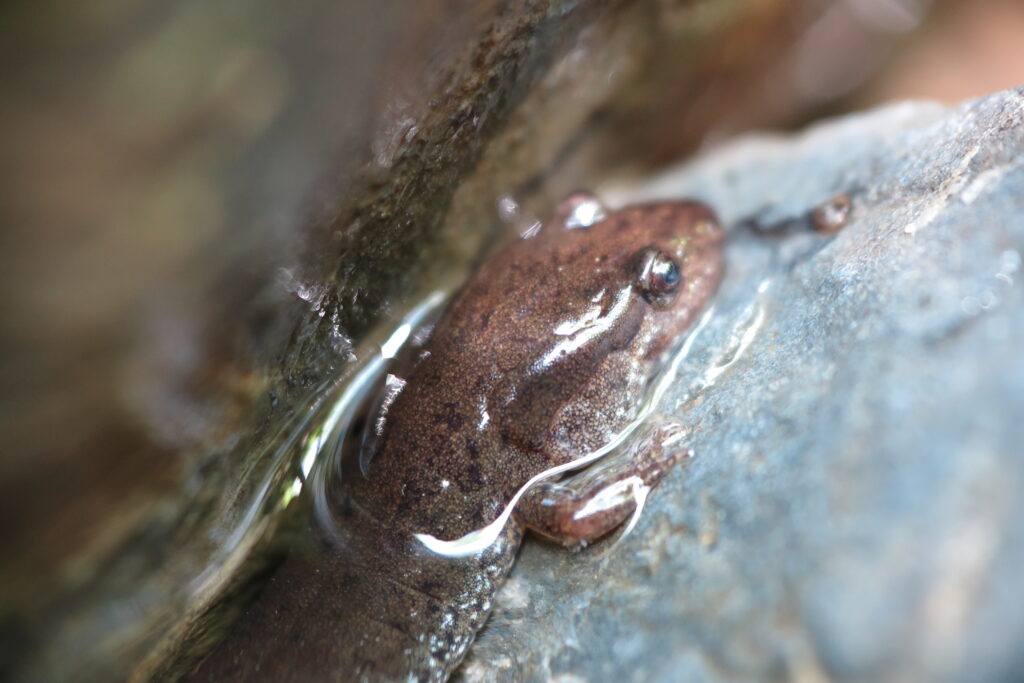
One of the most fascinating survival traits is the salamander’s ability to remain perfectly calm within flowing water. Individuals are often observed partially submerged with only the head exposed above the current, resting quietly against stream rocks without panic or unnecessary movement. This calm behavior allows them to conserve energy while remaining protected within the natural motion and sound of the stream itself.
Popular Searches About Dusky Salamander
Explore Dusky Salamander Guide
Explore More Wildlife

Support Encounters World
Help support wildlife photography and get behind the scenes discoveries on Patreon.