Dusky Salamander Habitat – Stream Environments, Forest Range, and Moisture Conditions
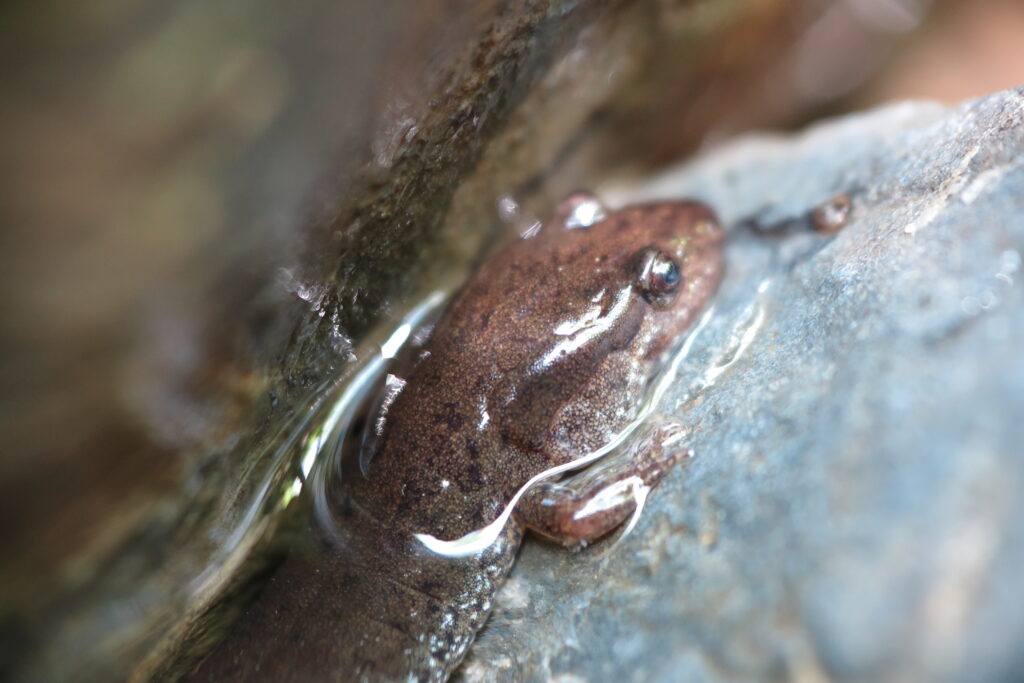
Quick Facts
Primary Habitat: Forest streams and rocky creeks
Secondary Habitat: Springs, seepages, and wet woodland edges
Climate Preference: Cool to moderately humid climates
Environment Type: Freshwater and forested environments
Elevation / Depth Range: Lowland forests to mountain streams
Geographic Distribution: Eastern North America
Introduction to Dusky Salamander Habitat Across Eastern North America
The Northern Dusky Salamander is closely tied to freshwater landscapes throughout eastern North America. This small amphibian is commonly associated with shaded environments where moisture remains present for much of the year. Across its range, it occupies regions shaped by rainfall, forest cover, and flowing water systems.
Dusky salamanders are widely distributed through portions of the Appalachian region, northeastern forests, and areas extending into the southeastern United States and parts of Canada. Their range overlaps with some of the most stream-rich landscapes in eastern North America, allowing populations to remain connected through networks of creeks, springs, and wooded waterways.
Unlike amphibians capable of thriving in open dry terrain, dusky salamanders are strongly linked to environments that maintain stable moisture levels. Their presence often reflects the health of freshwater systems and the surrounding landscape. In many forests, they exist quietly beneath the surface of rocks, fallen debris, and streamside cover where conditions remain cool and damp.
The environments occupied by dusky salamanders are often peaceful and shaded, filled with the sound of flowing water and thick layers of moss, leaves, or wet stone. These landscapes can range from narrow mountain streams to gentle woodland creeks winding through dense vegetation. Although small and hidden from view, dusky salamanders are deeply connected to the structure and condition of these freshwater ecosystems.
Dusky Salamander Habitat Overview Across Its Natural Range
Dusky salamanders are most commonly found throughout forested regions containing reliable freshwater systems. Their distribution stretches across a wide portion of eastern North America, though populations are often concentrated around areas with steady moisture and natural stream networks. They are especially associated with wooded landscapes where shade helps maintain cool environmental conditions.
Compared to some amphibians with highly restricted ranges, dusky salamanders are relatively widespread within suitable regions. However, they are still far more selective than adaptable species capable of surviving in heavily exposed or dry habitats. Their range is broad geographically, but the environments they occupy within that range remain fairly specialized.
Many populations occur in remote woodland areas where human disturbance remains limited. Mountain valleys, stream corridors, and mixed hardwood forests frequently support strong salamander populations. In some regions, dusky salamanders are among the most commonly encountered amphibians near freshwater streams.
Although strongly connected to forest environments, dusky salamanders may occasionally persist near lightly altered human landscapes if moisture conditions remain stable. Small bridges, roadside stream edges, and protected drainage areas can sometimes support individuals when natural cover is still available. Even so, they are generally less tolerant of environmental disruption than many frogs or toads.
Their overall distribution is closely linked to water quality and environmental stability. Areas with severe erosion, pollution, or loss of forest cover tend to support fewer salamanders over time. In contrast, protected watersheds and undisturbed stream systems often contain thriving populations hidden beneath rocks and submerged debris.
The broad geographic range of the dusky salamander demonstrates how successful the species has become within eastern freshwater ecosystems. Yet despite this distribution, it remains highly dependent on environmental balance. The species is widespread, but never random, appearing most consistently where moisture, cover, and clean water exist together.
Dusky Salamander Habitat Types and Freshwater Environments
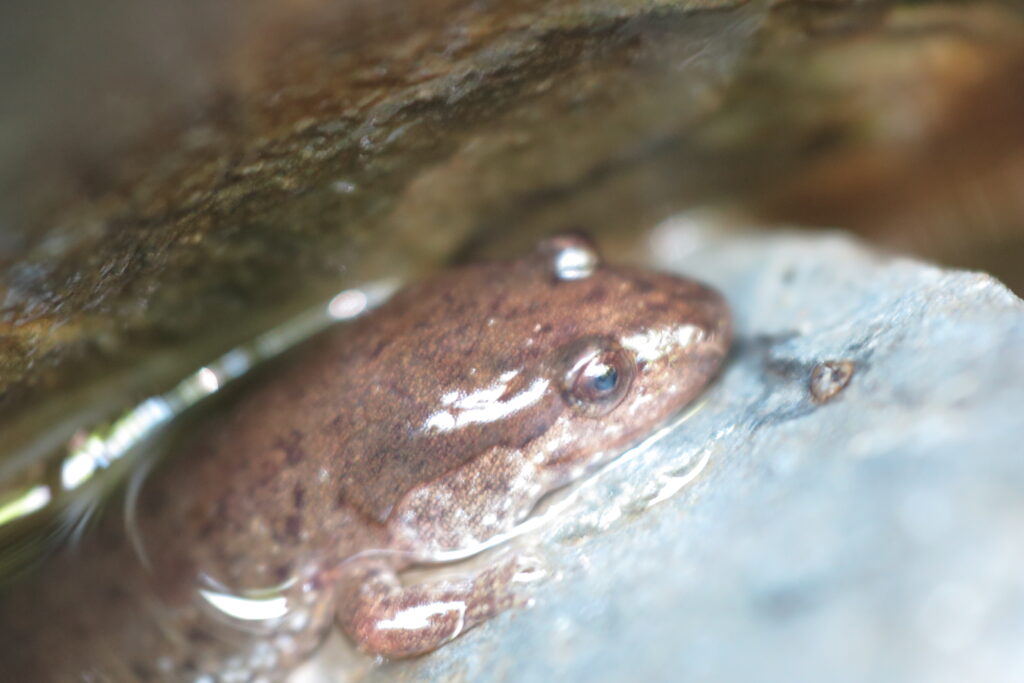
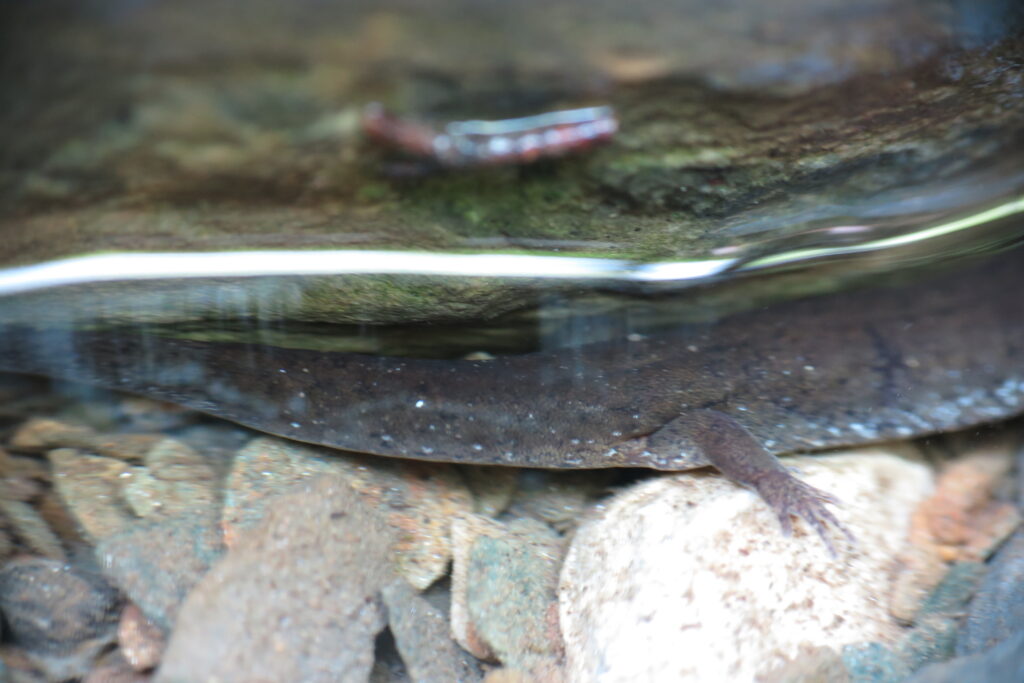
Dusky salamanders occupy several closely connected habitat types centered around freshwater and shaded landscapes. Rocky streams are among the most recognizable environments associated with the species. These streams often contain shallow flowing water, submerged stone, and narrow crevices that provide shelter throughout the year.
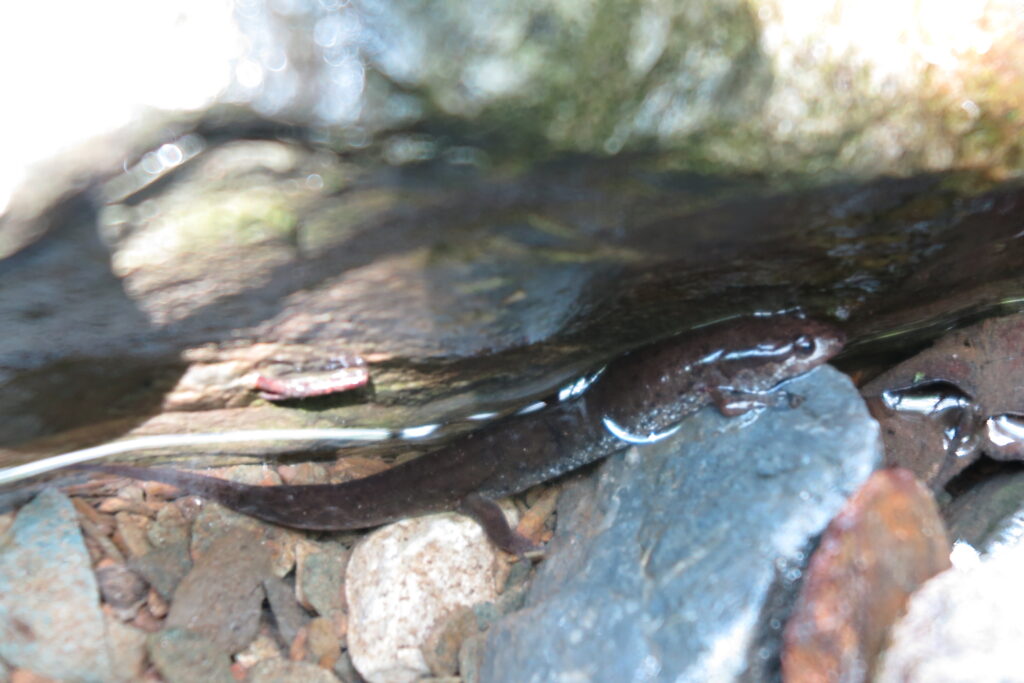
Small woodland creeks also support large numbers of dusky salamanders. These quieter waterways may contain leaf-covered banks, mossy rocks, and slow-moving pools where moisture remains trapped beneath natural cover. Salamanders are frequently found hidden beneath stones at the water’s edge or partially submerged along shallow current breaks.
Spring-fed seepages create another important habitat type. These areas are often cooler and more stable than surrounding terrain because groundwater continuously feeds moisture into the environment. Salamanders living within seepages may occupy muddy banks, saturated moss, or hidden spaces beneath wet roots and stones.
Dusky salamanders are also present within mountainous stream systems where elevation creates colder water temperatures and heavily shaded conditions. In these habitats, the surrounding landscape may contain steep slopes, dense forest canopy, and rapidly flowing water. The rocky terrain provides countless cracks and hiding spaces that support long-term shelter.
Edge habitats are especially important for this species. Salamanders commonly occupy transitional zones where water meets forest floor, rather than remaining entirely aquatic or fully terrestrial. These narrow environmental boundaries provide both moisture and protective cover within a relatively small area.
Although they rarely thrive in heavily urbanized environments, dusky salamanders may occasionally survive near lightly disturbed waterways if natural conditions remain partially intact. Shaded culverts, protected stream banks, or preserved forest corridors can still support populations. However, the healthiest populations almost always occur within natural freshwater systems containing abundant cover and stable moisture.
Environmental Conditions Supporting Dusky Salamander Survival
Dusky salamanders depend heavily on cool, moist environmental conditions that prevent dehydration and maintain stable freshwater ecosystems. High humidity is one of the most important environmental factors supporting the species. Even short periods of dryness can reduce surface activity and limit suitable living areas.
Most habitats occupied by dusky salamanders experience moderate rainfall and shaded conditions throughout much of the year. Dense forest canopy helps reduce direct sunlight while trapping moisture close to the ground. This creates damp microclimates similar to the cool atmosphere found inside a cave or beneath thick moss-covered stone.
Temperature also plays a major role in habitat quality. Dusky salamanders generally thrive in environments with cool water and moderate seasonal variation. Mountain streams and shaded woodland creeks often remain significantly cooler than nearby open terrain, especially during summer months.
Terrain structure is equally important. Rocky streambeds, layered gravel, fallen logs, and root systems create the cracks and narrow spaces salamanders rely on for shelter. These surfaces remain moist longer than exposed soil and provide protection during temperature extremes or seasonal environmental changes.
Seasonal weather patterns strongly influence habitat conditions. Spring rainfall often increases water flow and moisture availability across forest floors, while autumn cooling creates another period of stable conditions. During hot summer droughts or freezing winter periods, salamanders rely more heavily on deep crevices and protected spaces beneath cover.
Vegetation surrounding streams contributes greatly to environmental stability. Thick forest growth helps regulate water temperature, reduce erosion, and maintain humidity levels near the ground. Without surrounding vegetation, streams can warm rapidly and lose many of the environmental conditions necessary for salamander survival.
The habitats supporting dusky salamanders are defined less by dramatic landscapes and more by environmental consistency. Cool water, shaded terrain, stable moisture, and natural cover combine to create the delicate conditions these amphibians require. Even small environmental changes within stream ecosystems can significantly affect the long-term stability of local populations.
Popular Searches About Dusky Salamander
Explore Dusky Salamander Guide
Explore More Wildlife

Support Encounters World
Help support wildlife photography and get behind the scenes discoveries on Patreon.