Dusky Salamander Diet – What Dusky Salamanders Eat and How They Hunt
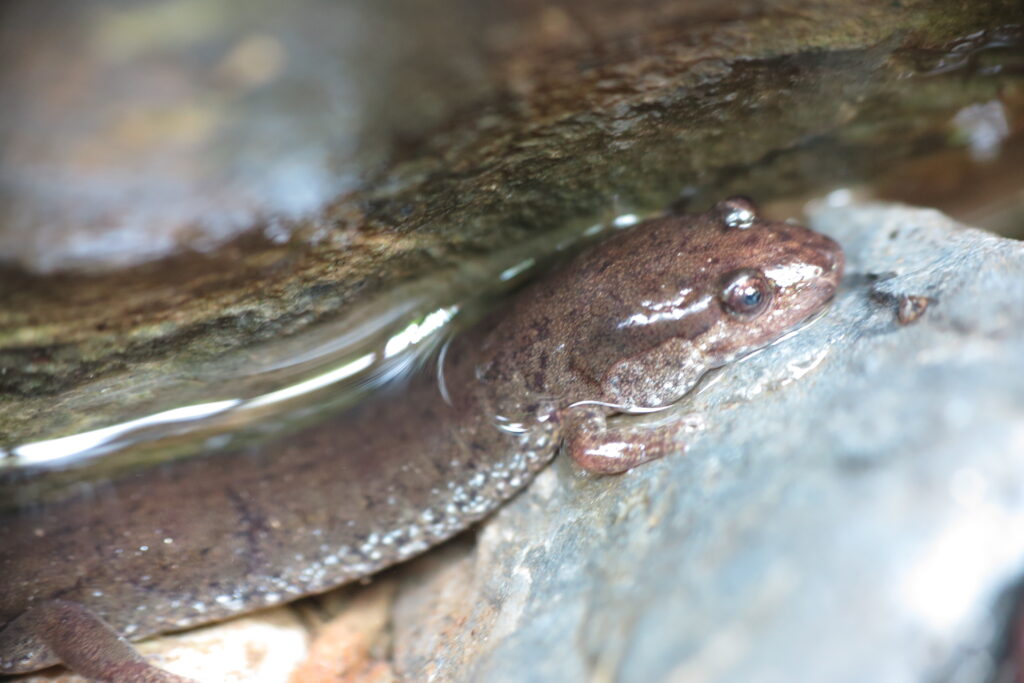
Quick Facts
Diet Type: Carnivorous
Main Food Sources: Insects, worms, larvae, and small aquatic invertebrates
Feeding Time: Mostly nighttime and low-light hours
Foraging Method: Ambush hunting and active searching beneath cover
Seasonal Diet Changes: Diet varies with insect and aquatic prey availability
Predatory Adaptations: Quick strike reflexes, camouflage, and strong jaw grip
Introduction to the Dusky Salamander’s Feeding Lifestyle
The Northern Dusky Salamander is a small carnivorous amphibian commonly found throughout eastern North America in areas connected to freshwater systems. Although secretive and often hidden beneath rocks or along stream edges, this species plays an active role as a predator within its environment. Its diet supports both growth and survival in cool, moisture-rich landscapes.
Dusky salamanders spend much of their lives close to the ground or partially concealed near shallow water, where countless tiny organisms move through leaf litter, wet stone, and flowing currents. These environments provide a constant supply of small prey items that fit the salamander’s feeding style. Even in quiet streams, a hidden food web exists beneath the surface, and dusky salamanders are an important part of it.
Unlike larger predators that rely on strength or speed over long distances, dusky salamanders feed through patience and precision. Their hunting style is subtle and difficult to observe in the wild because most feeding activity happens quietly beneath cover or during darker periods of the day. A motionless salamander resting beside a stream may actually be carefully watching nearby movement.
Across their range, dusky salamanders adjust their feeding patterns based on prey availability and seasonal conditions. Small aquatic organisms, forest-floor invertebrates, and streamside insects all contribute to their survival. Although tiny compared to many predators, dusky salamanders are highly effective hunters within the narrow spaces they occupy.
Dusky Salamander Diet Overview and Feeding Tendencies
Dusky salamanders are strict carnivores that rely entirely on animal-based food sources throughout their lives. Their diet consists mainly of small living prey that can be captured quickly within confined streamside environments. Unlike omnivorous amphibians that may consume plant material occasionally, dusky salamanders depend on protein-rich prey for energy and development.
Their feeding behavior is generally opportunistic rather than highly specialized. A dusky salamander will consume many different small organisms as long as the prey can be successfully captured and swallowed. This flexibility allows populations to survive across a wide geographic range where prey communities may vary between regions.
Compared to some larger salamander species that pursue bigger prey items, dusky salamanders focus on smaller organisms found close to the ground or within shallow water. Their feeding habits resemble those of a tiny stream predator constantly searching for movement among stones, leaves, and submerged debris. Even though they are small, they function as active hunters within their ecosystem.
Diet consistency can change depending on local conditions. Salamanders living beside colder mountain streams may encounter different prey than individuals occupying slower woodland creeks. Seasonal rainfall, water flow, and insect populations all influence what food sources are most available at different times of the year.
Young dusky salamanders often consume smaller prey because of their limited size and jaw strength. As they mature, they become capable of targeting a wider range of aquatic and terrestrial invertebrates. This gradual shift allows growing salamanders to expand feeding opportunities while remaining within the same general environment.
Their overall feeding strategy is efficient and low-energy. Instead of chasing prey across long distances, dusky salamanders often rely on short strikes and carefully timed movements. This method helps conserve energy while reducing unnecessary exposure to predators within exposed stream habitats.
Natural Food Sources Consumed by Dusky Salamanders
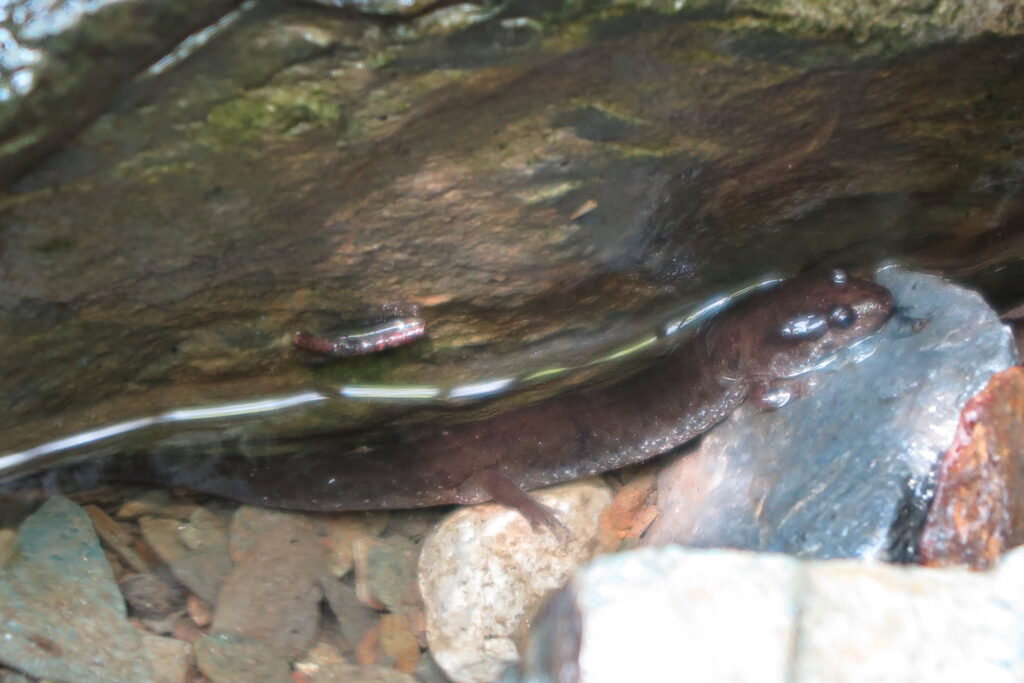
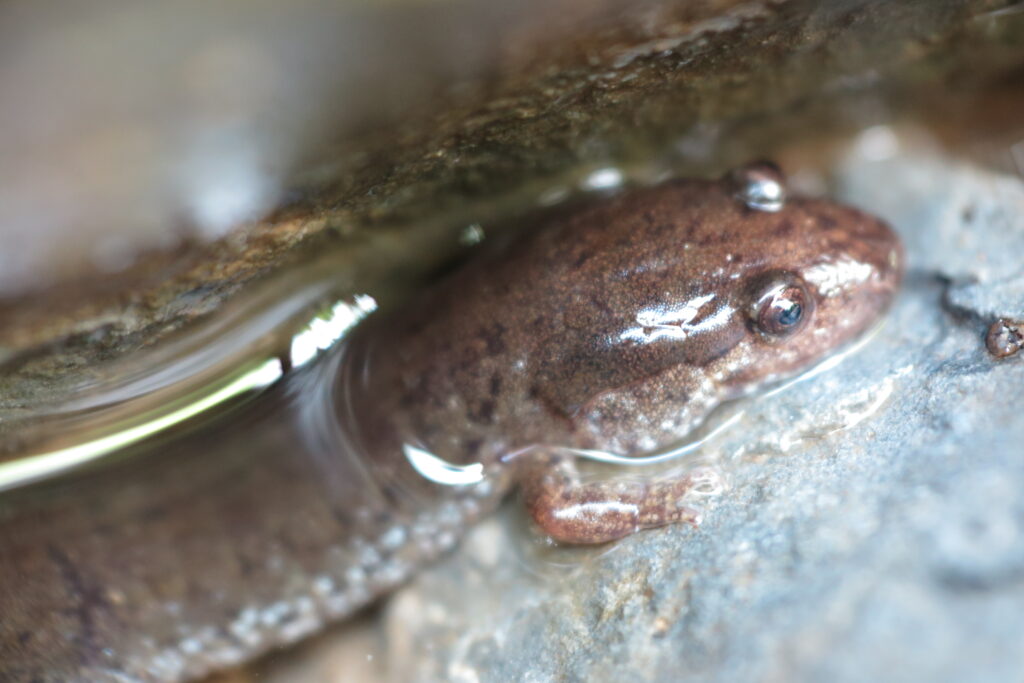
Dusky salamanders feed primarily on small invertebrates commonly found within moist stream environments and surrounding forest floors. Insects make up a large portion of the diet, especially tiny beetles, ants, flies, and other soft-bodied organisms that move through wet leaf litter or shallow water. These prey items are abundant throughout much of the salamander’s range and provide a reliable food source.
Aquatic larvae are also important components of the dusky salamander diet. Mosquito larvae, midge larvae, and immature aquatic insects drifting through streams are frequently consumed when available. These organisms are especially valuable because they occur directly within the shallow freshwater systems where salamanders spend much of their time.
Small worms and soft-bodied invertebrates are another common food source. Earthworms, tiny segmented worms, and similar prey provide dense nutrition and are easier to swallow than harder-shelled insects. Salamanders often locate these prey items beneath rocks, wet soil, or decomposing plant material along stream edges.
The diet may vary depending on age and environmental conditions. Juvenile dusky salamanders usually consume extremely small prey such as springtails or miniature insect larvae because their mouths are not yet large enough for bigger prey items. Adults can handle a broader range of organisms and may target larger insects or aquatic invertebrates.
Certain prey become especially important during wetter seasons when insect activity increases around streams and forests. Rainy conditions often bring more invertebrates to the surface, creating feeding opportunities for salamanders hidden beneath cover. During colder or drier periods, prey availability may decrease significantly.
One commonly consumed prey source is aquatic insect larvae living beneath stream rocks. These organisms provide a steady food supply within flowing water and help support salamander populations year-round. By feeding on these small aquatic creatures, dusky salamanders contribute to regulating stream invertebrate populations within freshwater ecosystems.
Dusky Salamander Feeding Behavior and Hunting Survival Strategies
Dusky salamanders hunt using a combination of stealth, patience, and rapid reflexes. Much of their feeding activity occurs at night or during low-light conditions when prey becomes more active and moisture levels remain high. Their dark coloration allows them to remain hidden while waiting for nearby movement.
Most prey is captured through short ambush strikes rather than long pursuits. A salamander may remain completely motionless beside a rock or submerged crevice until a small insect moves within reach. Once close enough, the salamander lunges forward quickly and grabs the prey using its jaws before retreating back into cover.
They also actively search beneath objects for hidden food sources. Dusky salamanders frequently investigate cracks, wet leaves, moss, and stream debris where insects and larvae gather. Their low body profile allows them to move through extremely narrow spaces that many predators cannot access.
Competition for food can occur in areas where multiple salamanders occupy the same stream system. However, their secretive behavior helps reduce direct conflict. Instead of openly competing, individuals often spread themselves among separate rocks or shelter sites where prey can be captured independently.
When food becomes limited, dusky salamanders conserve energy by reducing unnecessary movement. Rather than continuously searching for prey, they may spend longer periods waiting in strategic locations where insects or aquatic organisms naturally pass nearby. This energy-saving approach improves survival during less productive seasons.
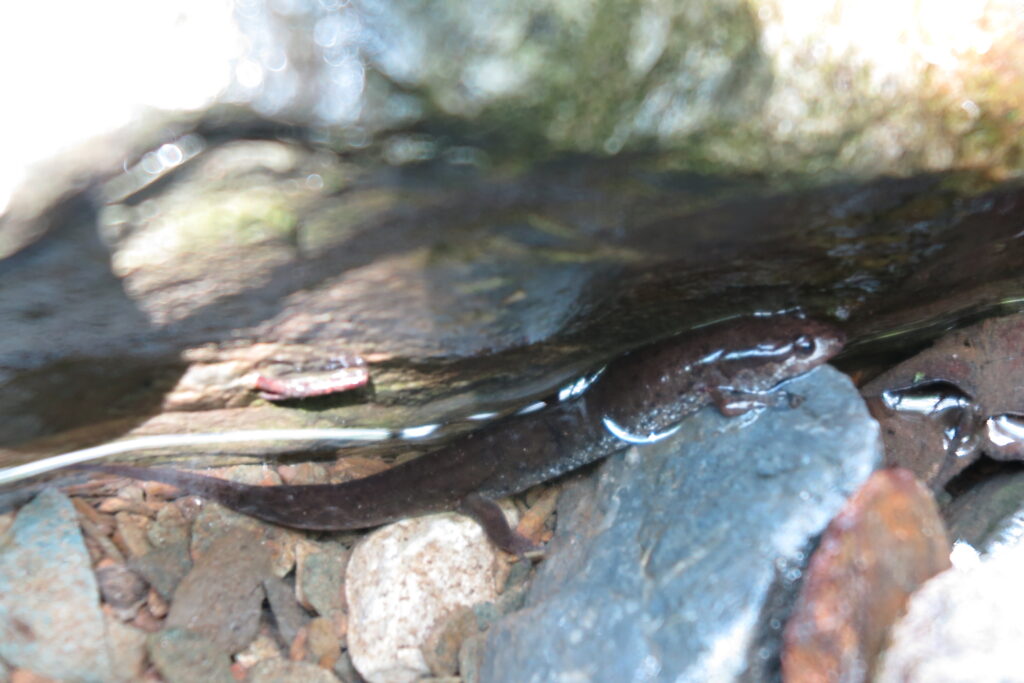
One especially effective survival strategy involves hunting along shallow current breaks in streams. Tiny aquatic organisms drifting through moving water often collect behind rocks or submerged debris where salamanders remain concealed. By positioning themselves within these small protected areas, dusky salamanders can capture prey while expending very little energy.
Their feeding behavior demonstrates how even a small amphibian can become an efficient predator within its environment. Through camouflage, patience, and carefully timed movements, dusky salamanders successfully hunt within narrow freshwater spaces that larger predators often overlook.
Popular Searches About Dusky Salamander
Explore Dusky Salamander Guide
Explore More Wildlife

Support Encounters World
Help support wildlife photography and get behind the scenes discoveries on Patreon.