
Coras Funnel Weaver Habitat Guide: Where Coras Funnel Weavers Live and Thrive
Quick Facts
Primary Habitat: Woodland floors and rocky forest environments
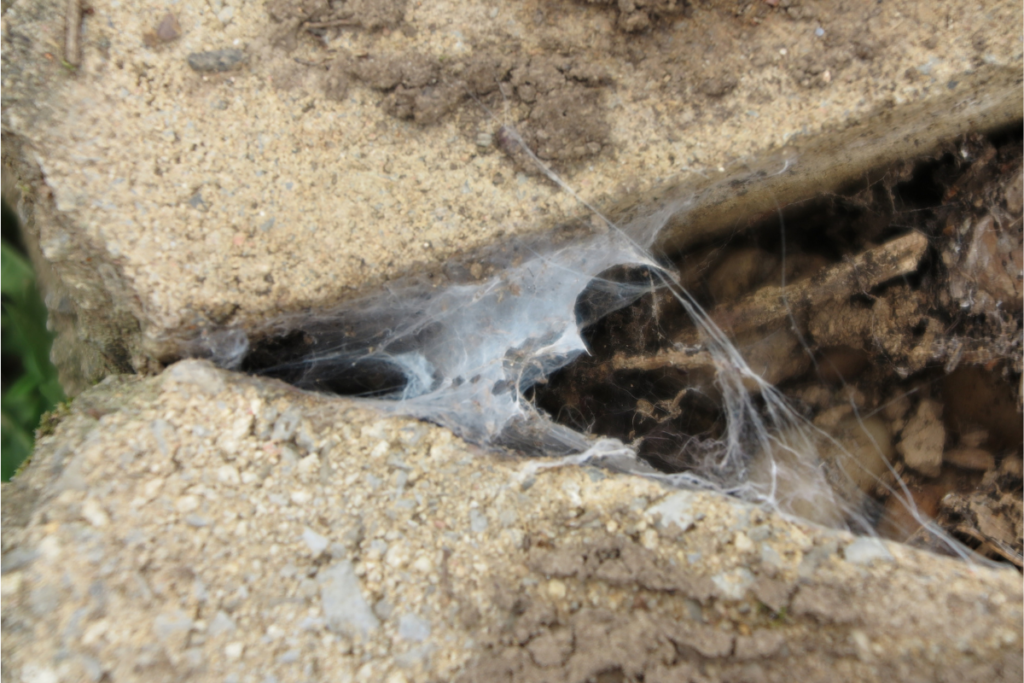
Secondary Habitat: Stone walls, foundations, wood piles, and shaded structures
Climate Preference: Temperate climates with moderate moisture
Environment Type: Terrestrial habitats with protective cover and stable shelter sites
Elevation Range: Lowlands to mountainous regions depending on species
Geographic Distribution: Eastern and central North America
Coras Funnel Weaver Habitat Introduction
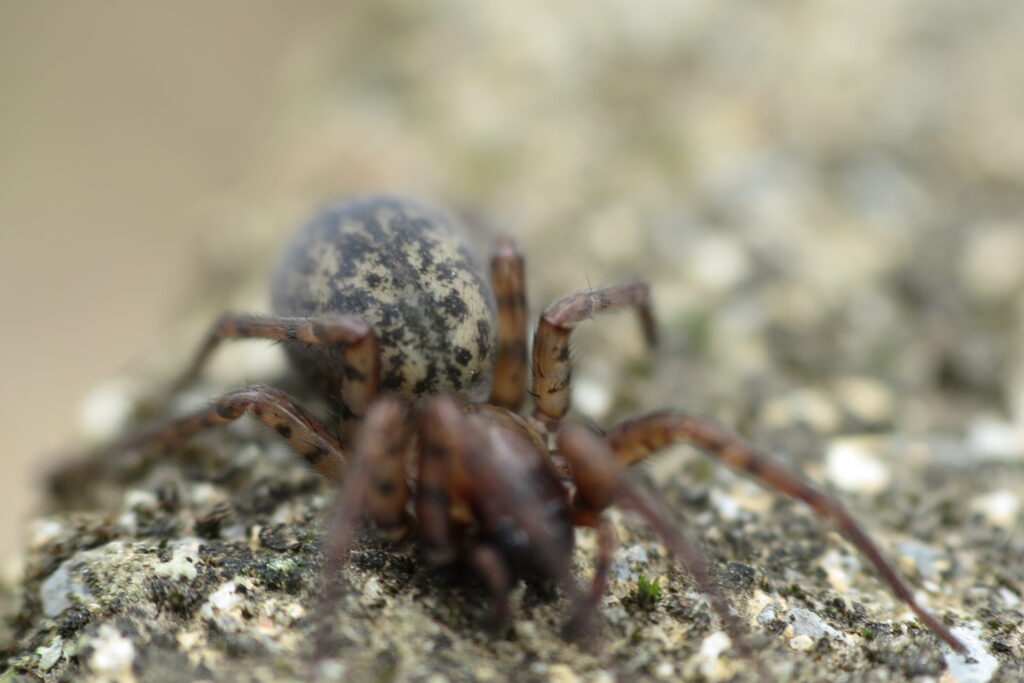
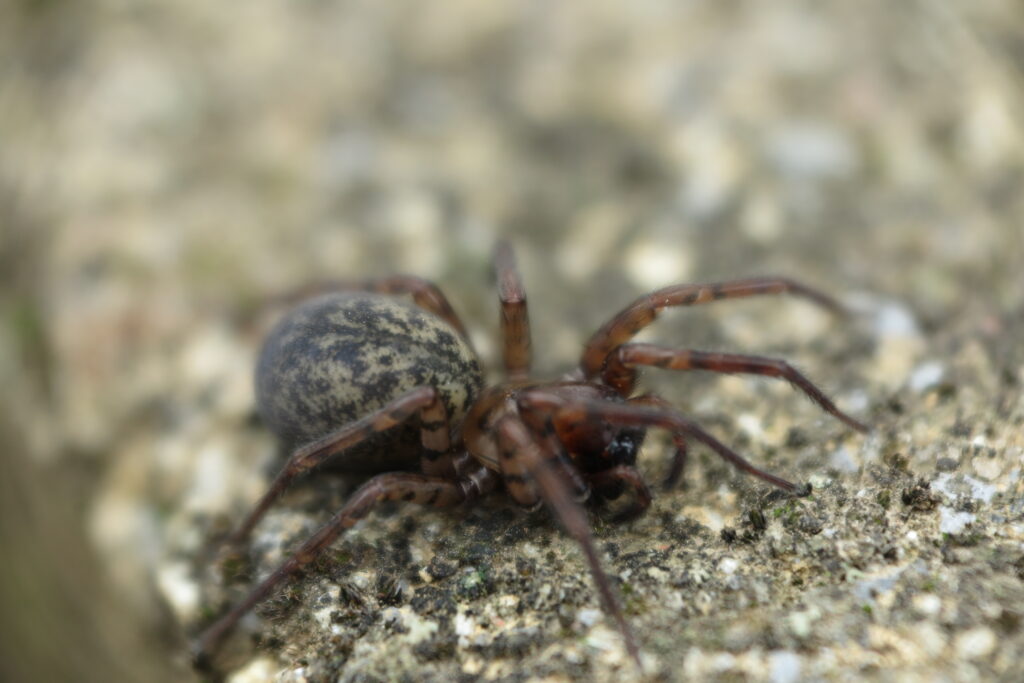
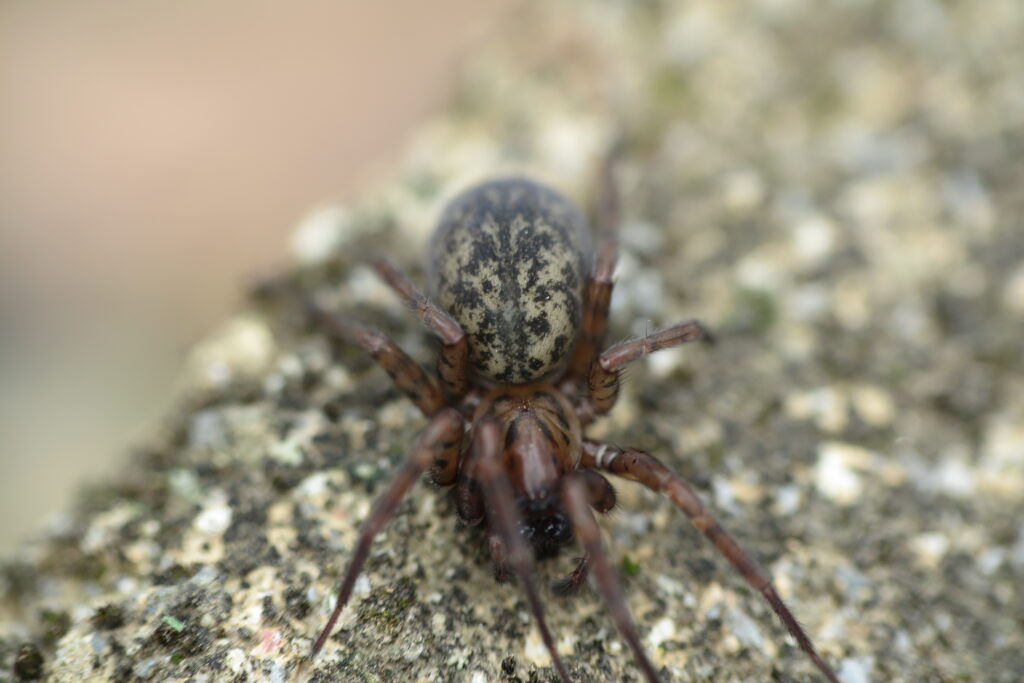
The Coras funnel weaver (Coras sp.) is a group of spiders found across portions of North America, particularly within eastern regions where suitable environmental conditions occur. Although individual species vary slightly in distribution, members of the genus are frequently associated with landscapes that provide protection, stable surfaces, and opportunities for long-term occupation. Their presence often goes unnoticed because they spend much of their lives concealed within sheltered locations.
Across their range, Coras funnel weavers occur in a variety of natural and human-influenced settings. Their distribution extends through regions characterized by diverse vegetation, changing seasons, and a mixture of undeveloped and modified landscapes. These spiders have adapted to environments that provide both structural complexity and reliable shelter.
Unlike highly specialized species restricted to a single habitat type, Coras funnel weavers occupy a range of environments connected by one common feature: the availability of protected retreats. Whether hidden beneath natural objects or utilizing human-made structures, they consistently seek locations that offer security and stability.
A person exploring a wooded property, hiking through a forest, or examining stones in a shaded area may unknowingly pass several Coras funnel weavers without noticing them. Their ability to remain hidden within the environment contributes to their success and helps explain why they are often more common than most people realize.
Coras Funnel Weaver Habitat Overview Across Its Range
Coras funnel weavers are most commonly associated with environments that contain a mixture of vegetation, natural cover, and structural diversity. Rather than occupying wide-open exposed landscapes, they tend to occur in areas where surfaces, objects, and environmental features create opportunities for concealment. This broad preference allows them to utilize numerous habitat categories throughout their range.
The genus is widely distributed across portions of eastern North America and can be encountered in both rural and suburban settings. Some species remain strongly associated with natural environments, while others readily occupy landscapes influenced by human activity. This adaptability has contributed to the continued success of the group throughout much of its distribution.
Compared to certain spiders that require highly specific environmental conditions, Coras funnel weavers demonstrate a moderate level of habitat flexibility. They are not confined exclusively to pristine forests, nor are they dependent on heavily developed environments. Instead, they thrive in locations where suitable structural features remain available regardless of broader land use.
Mixed vegetation zones frequently support healthy populations. Landscapes containing a combination of trees, shrubs, ground cover, and scattered natural objects often provide numerous opportunities for occupation. These environments create a patchwork of potential retreat locations that support long-term survival.
Although the genus occupies a relatively broad geographic range, local distribution often depends on the availability of suitable microhabitats. Two nearby properties may appear similar at first glance, yet one may support multiple Coras funnel weavers while the other supports very few. Small environmental differences can significantly influence local abundance.
Coras Funnel Weaver Habitat Types and Shelter Locations
Woodlands represent one of the most important habitat categories for Coras funnel weavers. Forest floors contain fallen branches, rocks, bark, leaf litter, and other natural materials that create numerous sheltered locations. These structural features provide ideal conditions for establishing long-term retreats.
Rocky environments are also commonly occupied. Natural stone outcrops, scattered rocks, retaining walls, and similar features create protected spaces where spiders can remain concealed. The cracks and gaps associated with these environments offer stable shelter opportunities throughout much of the year.
Human-modified environments frequently support populations as well. Foundations, stone landscaping, wood piles, old boards, and outdoor structures can all provide suitable habitat. In many suburban areas, these artificial features function much like the natural objects utilized elsewhere within the species’ range.
Habitat use may vary depending on local conditions. Some individuals occur deep within mature woodlands where natural cover dominates the landscape. Others occupy edge environments where forests meet developed areas, benefiting from a combination of natural and human-created structures.
Moist shaded locations often support higher concentrations than fully exposed sites. Areas beneath logs, rocks, and debris provide environmental stability that helps maintain favorable conditions. These protected locations reduce exposure to environmental extremes and contribute to long-term habitat suitability.
The variety of habitat types occupied by Coras funnel weavers demonstrates the importance of structural complexity rather than any single vegetation community. Whether the setting is a remote woodland or a backyard stone wall, the presence of secure retreat locations remains one of the most important factors influencing habitat selection.
Environmental Conditions Supporting Coras Funnel Weavers
Coras funnel weavers are most commonly associated with temperate climates characterized by seasonal variation. They occur in regions that experience warm summers, cool autumns, cold winters, and moderate spring conditions. This climate pattern dominates much of their geographic range and shapes the environments they inhabit.
Moisture plays an important role in habitat suitability. Although these spiders do not require saturated conditions, they are often associated with environments that retain moderate humidity. Areas protected from excessive drying tend to provide more favorable long-term conditions than highly exposed locations.
Temperature stability is another important environmental factor. Locations beneath rocks, logs, and other objects often experience less dramatic temperature fluctuations than surrounding surfaces. These protected microclimates function somewhat like natural insulation, helping moderate environmental extremes throughout the year.
Terrain influences local distribution as well. Coras funnel weavers may occur on forested slopes, rocky hillsides, flat woodland floors, and suburban landscapes. The physical shape of the land is generally less important than the availability of stable shelter opportunities within that terrain.
Vegetation structure contributes to environmental suitability by influencing shade, humidity, and surface conditions. Areas with layered vegetation often maintain more stable environmental conditions than completely open landscapes. The effect can be compared to the difference between standing beneath a tree canopy and standing in direct sunlight during a summer afternoon.
Seasonal changes create shifting environmental conditions that these spiders must tolerate throughout the year. Summer warmth, autumn leaf fall, winter cold, and spring moisture all influence habitat conditions. The ability to occupy protected locations helps Coras funnel weavers persist through these seasonal fluctuations while maintaining stable populations across their North American range.
Popular Searches About Funnel Weaver Spiders
Explore Funnel Weaver Spider Guide
Explore More Wildlife

Support Encounters World
Help support wildlife photography and get behind the scenes discoveries on Patreon.