
Coras Funnel Weaver Bite Guide: Are Coras Funnel Weaver Spiders Dangerous?
Quick Facts
Bite Risk Level: Low
Venom Type: Mild venom used for subduing prey
Danger to Humans: Not considered medically significant
Likelihood of Biting: Rare
Typical Symptoms: Mild redness, localized pain, or minor swelling
Primary Defense Strategy: Retreat and avoidance
Coras Funnel Weaver Bite Introduction and Human Encounters
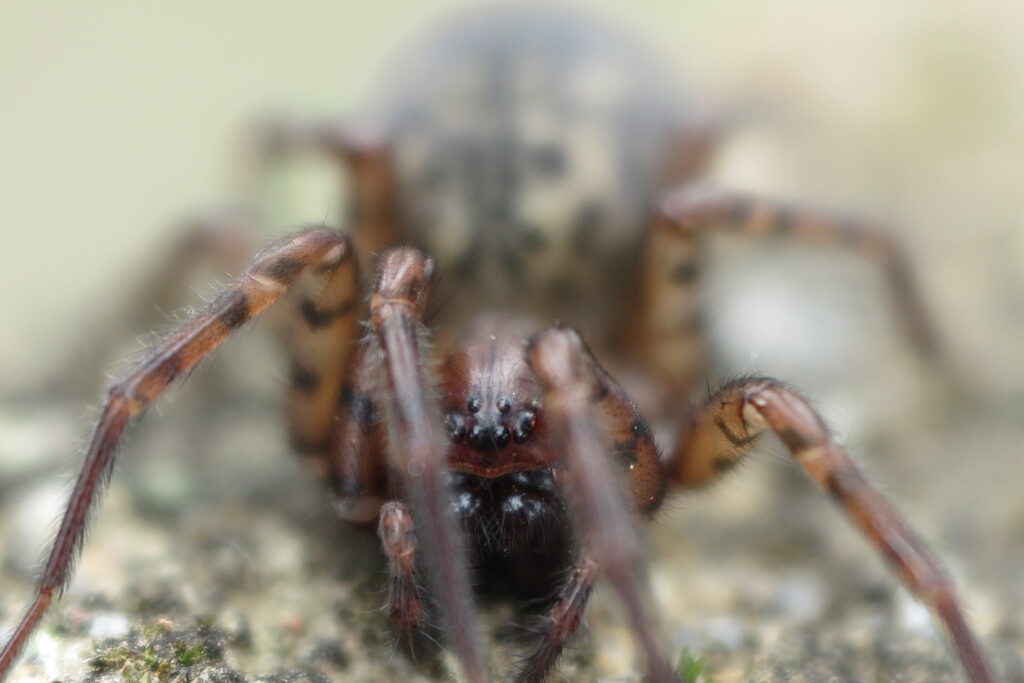
The Coras funnel weaver (Coras sp.) is a small spider belonging to the funnel-weaver family Agelenidae. Found throughout portions of eastern North America, these spiders are commonly encountered beneath rocks, around foundations, within wood piles, and in other sheltered locations. Although many people discover them unexpectedly, encounters rarely result in negative interactions.
Questions about spider bites often arise whenever an unfamiliar species is found. Because Coras funnel weavers possess venom and fangs, many people naturally wonder whether they are dangerous to humans. The answer is reassuring: these spiders are not considered medically significant and are generally regarded as harmless to people.
Most observations occur when a person accidentally disturbs a spider’s retreat. In these situations, the spider’s first response is usually to flee rather than confront the source of disturbance. This preference for avoidance significantly reduces the likelihood of defensive bites.
Despite their intimidating appearance to some observers, Coras funnel weavers are not aggressive spiders. Understanding their behavior, venom, and interactions with humans helps separate common misconceptions from reality. For most people, the greatest risk associated with the species is momentary surprise rather than physical harm.
Coras Funnel Weaver Venom and Bite Risk Overview
Like nearly all spiders that actively capture prey, Coras funnel weavers possess venom. This venom serves an important biological purpose by helping immobilize small invertebrates and allowing the spider to feed efficiently. Without venom, capturing prey would become far more difficult.
The venom of Coras funnel weavers is specialized for small arthropods rather than large vertebrates. A substance effective against insects does not necessarily have the same effect on humans. This distinction explains why many spider species possess venom yet present little danger to people.
Medical concerns associated with Coras funnel weaver bites are generally minimal. The species is not known to produce severe reactions under normal circumstances, and no evidence suggests it poses the type of health risk associated with medically significant spiders. For most healthy individuals, a bite would be expected to remain localized and mild.
Compared to highly defensive spiders that may stand their ground when threatened, Coras funnel weavers are relatively reluctant to bite. Their preferred strategy involves retreating into shelter whenever possible. This behavioral tendency further lowers the probability of a bite occurring.
The overall risk level can be compared to that of many common household spiders. While bites are technically possible, actual incidents are uncommon and serious outcomes are extremely unlikely. Most people who encounter Coras funnel weavers will never experience a bite at all.
Coras Funnel Weaver Bite Symptoms and What to Expect
If a bite were to occur, symptoms would generally be expected to remain mild and localized. Common reactions associated with minor spider bites may include temporary redness, slight swelling, mild discomfort, or localized irritation around the affected area. These symptoms often resemble those produced by many other harmless arthropod encounters.
Pain levels are typically described as minor when bites occur from non-medically significant spiders. Some individuals may notice a brief stinging sensation, while others experience little discomfort. The severity of symptoms can vary depending on individual sensitivity and the circumstances of the encounter.
Visible effects often remain confined to a small area surrounding the bite site. In many cases, redness may fade within a relatively short period. Minor swelling, if present, generally remains limited rather than spreading extensively beyond the immediate area.
Individual responses can vary. A person with sensitive skin may notice stronger irritation than someone who reacts minimally to insect or spider bites. This variation is common across many arthropod interactions and does not necessarily indicate unusual venom potency.
It is important to remember that many skin irritations are incorrectly attributed to spiders. Unless a bite is directly observed, confirming the responsible species can be difficult. As a result, reports of spider bites frequently involve uncertainty regarding the actual cause.
For most people, a Coras funnel weaver bite would be considered a minor event rather than a medical emergency. Severe reactions would be unexpected and should be evaluated as individual medical concerns rather than typical outcomes associated with the species.
Coras Funnel Weaver Defensive Responses and Survival Strategies
The Coras funnel weaver’s primary defense is avoidance. When confronted by a potential threat, the spider usually attempts to retreat into the safety of its funnel-shaped shelter. This response allows it to reduce risk without engaging in direct conflict.
Rapid withdrawal into the retreat is often the first reaction observed when a rock, board, or other cover object is lifted. The spider may disappear almost instantly into a narrow protected area. This behavior demonstrates how strongly the species relies on escape rather than confrontation.
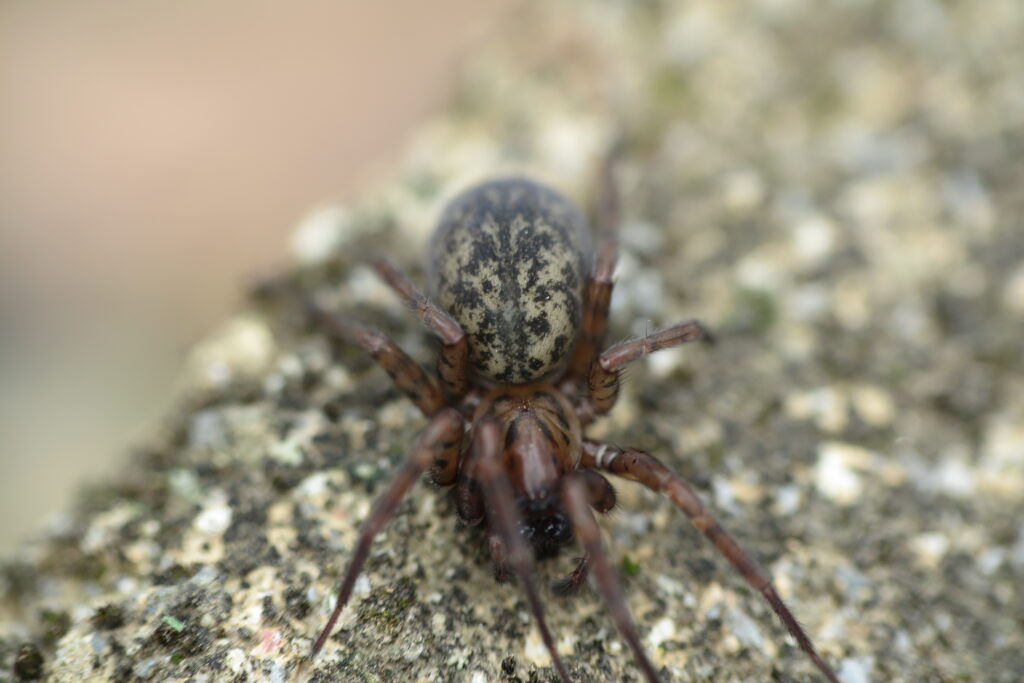
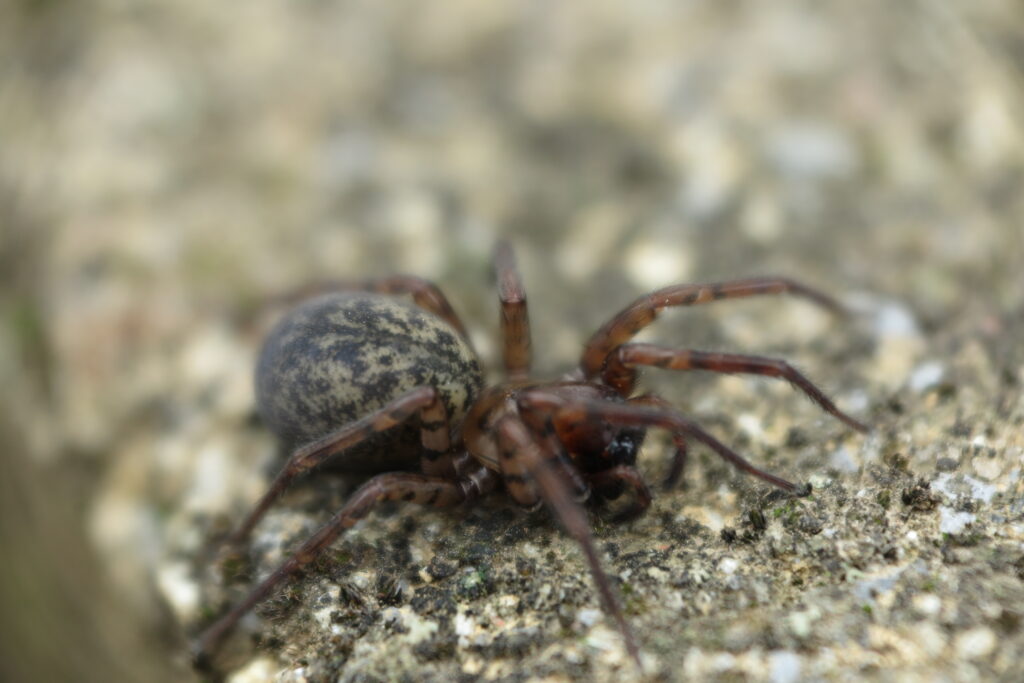
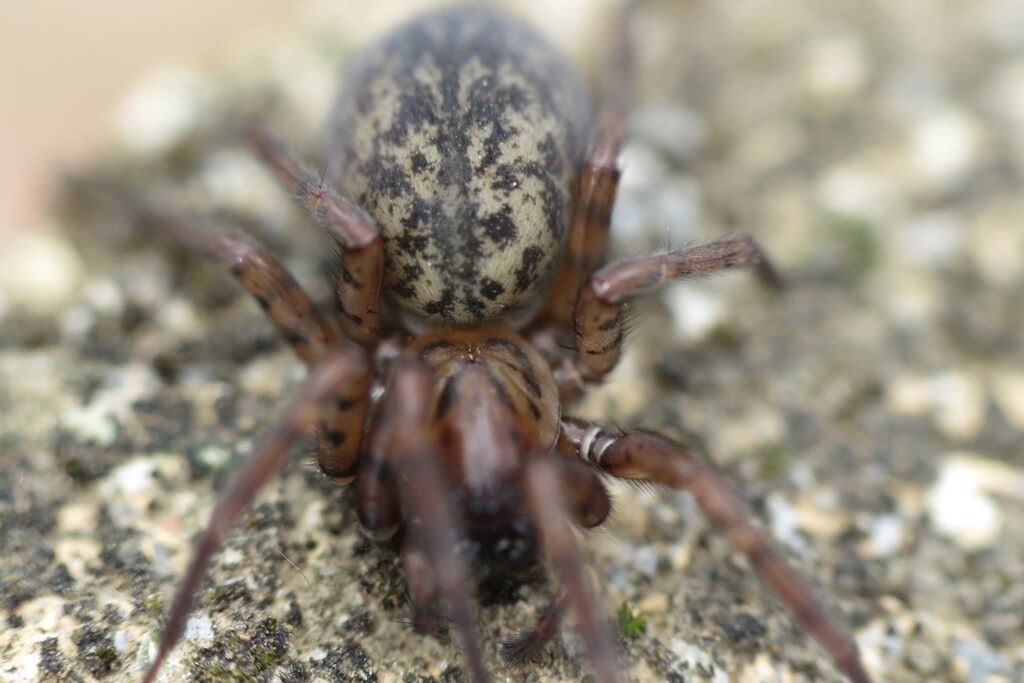
Camouflage provides an additional layer of protection. The mottled coloration common among Coras funnel weavers helps them blend with rocks, bark, soil, and other textured surfaces. Remaining unnoticed often eliminates the need for further defensive actions.
Biting generally occurs only under unusual circumstances where escape is impossible. A spider trapped against skin, accidentally pressed, or directly handled may resort to defensive biting as a last option. Even then, the behavior is motivated by self-preservation rather than aggression.
A useful example can be seen when a person overturns a stone containing a funnel retreat. Rather than charging outward or displaying threat postures, the spider usually retreats deeper into shelter. This instinctive response reflects millions of years of evolution favoring avoidance over confrontation.
The species’ overall survival strategy is built around remaining hidden, escaping quickly, and minimizing dangerous encounters. These defensive behaviors not only protect the spider from predators but also greatly reduce the likelihood of negative interactions with humans. As a result, Coras funnel weavers are best viewed as shy, beneficial spiders that pose little risk to people while carrying out their role within the ecosystem.
Popular Searches About Funnel Weaver Spiders
Explore Funnel Weaver Spider Guide
Explore More Wildlife

Support Encounters World
Help support wildlife photography and get behind the scenes discoveries on Patreon.