
Coras Funnel Weaver Life Cycle Guide: From Egg Sac to Adult Spider
Quick Facts
Life Cycle Type: Incomplete metamorphosis
Egg Development: Inside silk egg sacs
Young Stage: Spiderling
Growth Method: Multiple molts (shedding exoskeletons)
Time to Maturity: Approximately 1–2 years depending on species and conditions
Average Lifespan: Around 1–2 years
Coras Funnel Weaver Life Cycle Introduction
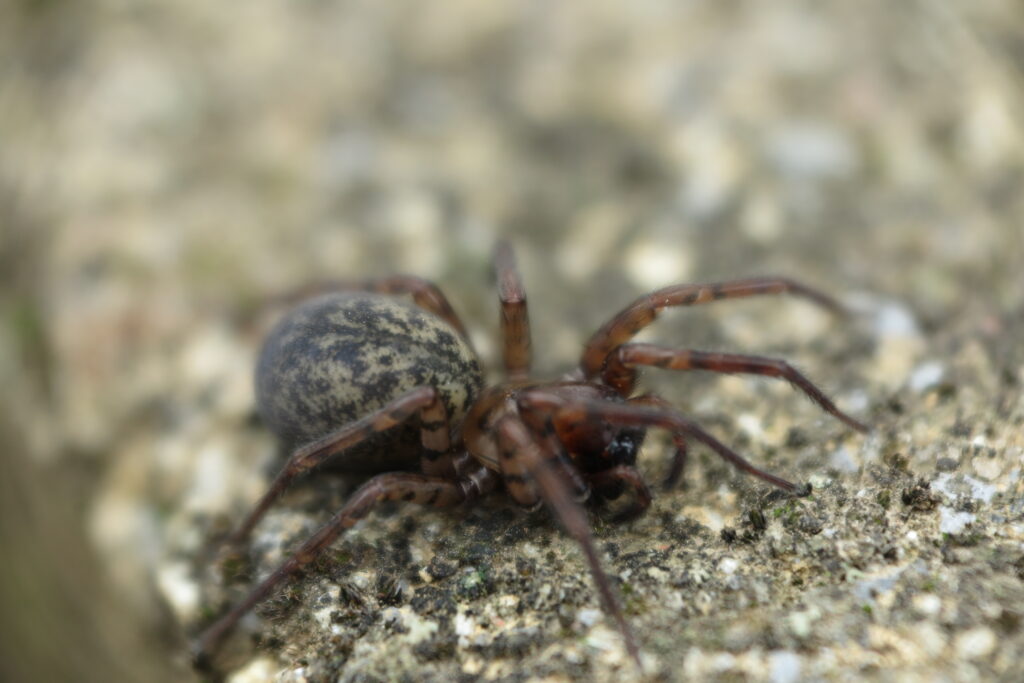
The Coras funnel weaver (Coras sp.) undergoes a fascinating life cycle that transforms a tiny spiderling into a fully developed adult predator. Members of this genus occur throughout portions of eastern North America, where seasonal conditions influence growth, development, and reproduction. Although most people encounter adult spiders, every individual begins life as a minute hatchling emerging from a protected egg sac.
Like all spiders, Coras funnel weavers do not experience complete metamorphosis like butterflies or beetles. Instead, young spiders gradually resemble smaller versions of adults and increase in size through a series of molts. Each stage brings physical changes that prepare the spider for independence and survival.
The entire life cycle unfolds through a combination of growth, seasonal timing, and environmental opportunity. Development may vary slightly among species and regions, but the overall pattern remains remarkably consistent throughout the genus. From egg to adult, each stage serves a specific purpose in ensuring the continuation of future generations.
Many of the most important phases occur hidden from view beneath rocks, inside crevices, or within protected retreats. As a result, much of the Coras funnel weaver’s life cycle remains unnoticed by casual observers. Understanding these stages provides valuable insight into the biology of one of North America’s lesser-known funnel-weaving spiders.
Coras Funnel Weaver Reproduction and Egg Development
The life cycle begins when mature males and females reproduce during the breeding season. Following successful mating, the female prepares for the next stage by producing an egg sac designed to protect developing offspring. This structure serves as a nursery where early development occurs in a secure environment.
The egg sac is constructed from silk and often placed within a protected portion of the spider’s retreat. Its durable outer layer helps shield developing eggs from environmental hazards and potential predators. The female may remain nearby, providing an additional level of protection during this vulnerable stage.
Inside the egg sac, dozens of eggs may develop simultaneously. These eggs contain all the genetic information necessary to produce the next generation of funnel weavers. Development proceeds gradually as embryos form and prepare for hatching.
Environmental conditions influence the rate of development. Temperature, moisture, and seasonal timing all affect how quickly eggs mature. In favorable conditions, development progresses steadily until young spiderlings are ready to emerge.
Compared to many insects that scatter eggs broadly across the environment, Coras funnel weavers invest in a concentrated protective structure. This strategy increases the likelihood that offspring will survive the earliest and most vulnerable stage of life. The egg sac represents the foundation upon which the entire life cycle is built.
Spiderling Growth and Juvenile Development
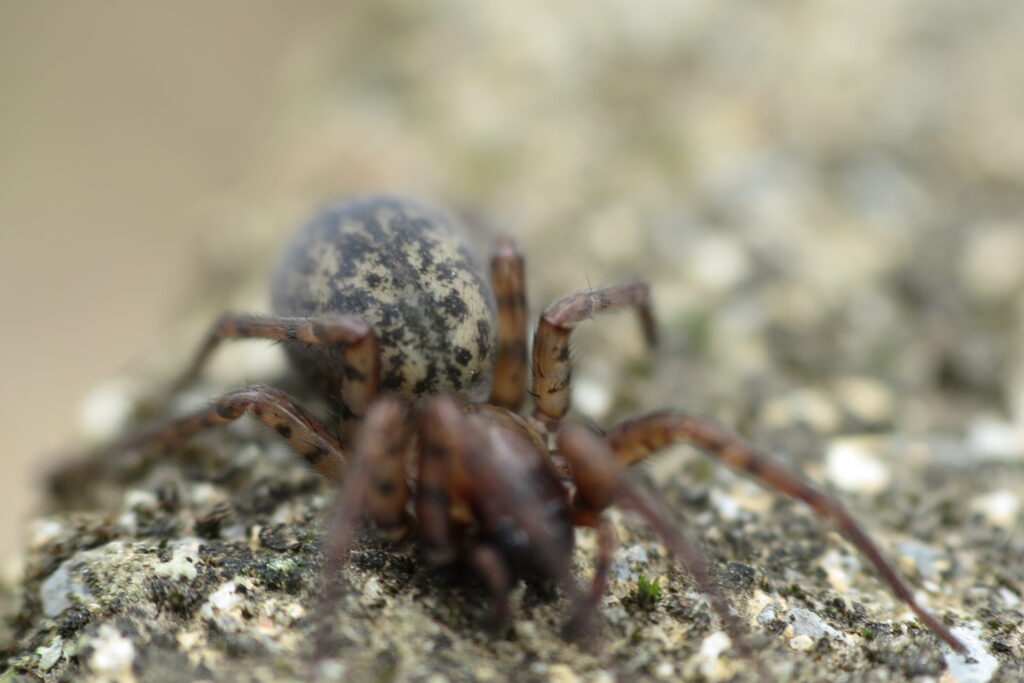
When development is complete, tiny spiderlings emerge from the egg sac. At this stage, they already resemble miniature versions of adult funnel weavers, although their coloration and body proportions may be less defined. Their small size makes them extremely vulnerable to environmental challenges and predators.
Early growth occurs through a process known as molting. Because spiders possess rigid external skeletons, they cannot grow continuously like mammals. Instead, they periodically shed their exoskeleton and emerge with a larger one underneath, allowing further development to occur.
Each molt brings noticeable changes in size and appearance. Legs become longer, body markings become more distinct, and overall proportions gradually approach those of mature adults. This progression resembles a series of upgrades rather than a dramatic transformation, with each stage building upon the previous one.
Young Coras funnel weavers often disperse from their birthplace after reaching a certain level of development. This movement helps reduce competition among siblings and increases opportunities for establishing individual retreats. Some may travel only short distances, while others disperse farther depending on local conditions.
Juvenile development can continue for many months. During this period, the spider undergoes multiple molts while gradually increasing in size and capability. By the end of this stage, the young funnel weaver has acquired many of the physical characteristics associated with adulthood.
Adult Life and Completion of the Life Cycle
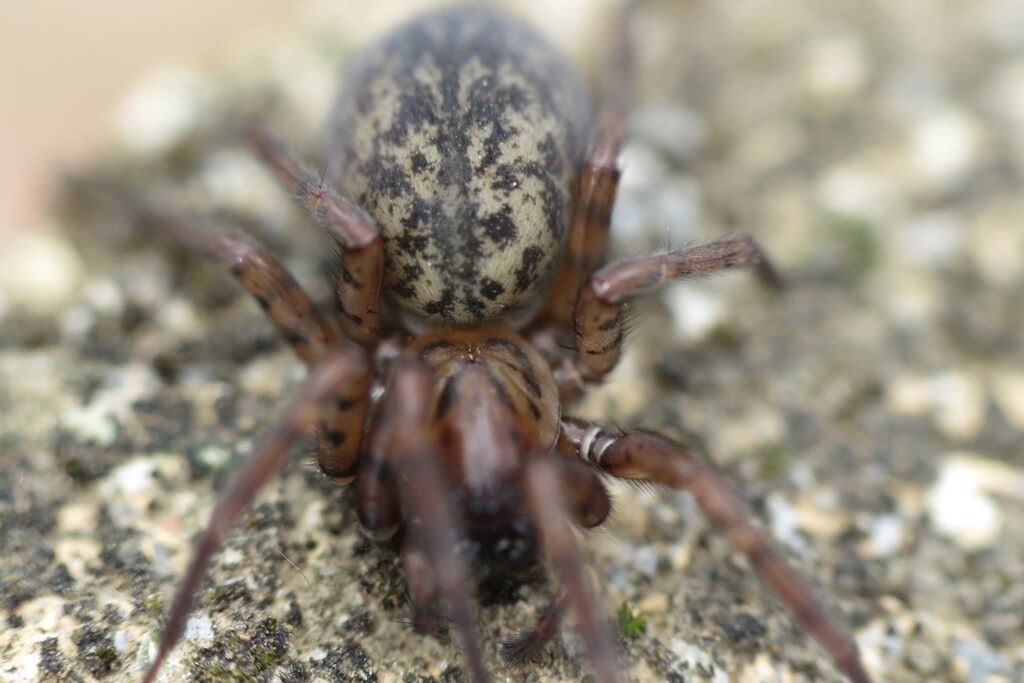
The final molt marks the transition into adulthood. At this point, the spider has reached reproductive maturity and possesses the physical traits necessary to participate in the next generation of the life cycle. Adult coloration, body proportions, and reproductive structures become fully developed.
Adult Coras funnel weavers spend much of their lives maintaining retreats, securing food, and preparing for future reproduction. Their bodies are now optimized for survival within the environments they occupy. Growth largely stops after maturity is reached, allowing energy to be directed toward reproduction and maintenance.
Life expectancy varies depending on species, environmental conditions, and natural hazards. Many individuals complete their life cycle within approximately one to two years. Some may survive slightly longer under favorable circumstances, while others face challenges that shorten their lifespan.
Seasonal changes play a major role in shaping the timing of adulthood. Individuals reaching maturity during favorable periods may successfully reproduce and contribute to the next generation. Timing is especially important in regions where winters limit activity and influence developmental schedules.
The completion of reproduction begins the cycle anew. Egg sacs are produced, spiderlings hatch, juveniles develop, and future adults emerge. This continuous pattern has allowed Coras funnel weavers to maintain stable populations across much of their geographic range.
Viewed as a whole, the Coras funnel weaver life cycle is a story of gradual development rather than dramatic transformation. Through egg development, repeated molts, juvenile growth, and adult reproduction, these spiders progress through a carefully structured sequence that has remained effective for millions of years. Each generation continues the cycle, ensuring the persistence of these remarkable funnel-weaving spiders throughout North America.
Popular Searches About Funnel Weaver Spiders
Explore Funnel Weaver Spider Guide
Explore More Wildlife

Support Encounters World
Help support wildlife photography and get behind the scenes discoveries on Patreon.