
Coras Funnel Weaver Range and Distribution Guide: Where Coras Funnel Weavers Live
Quick Facts
Primary Range: Eastern North America
Northern Distribution: Southern Canada
Southern Distribution: Southeastern United States
Habitat Occupancy: Forests, rocky landscapes, and human-altered environments
Range Type: Regional rather than worldwide
Distribution Pattern: Widespread but often overlooked
Coras Funnel Weaver Range Introduction
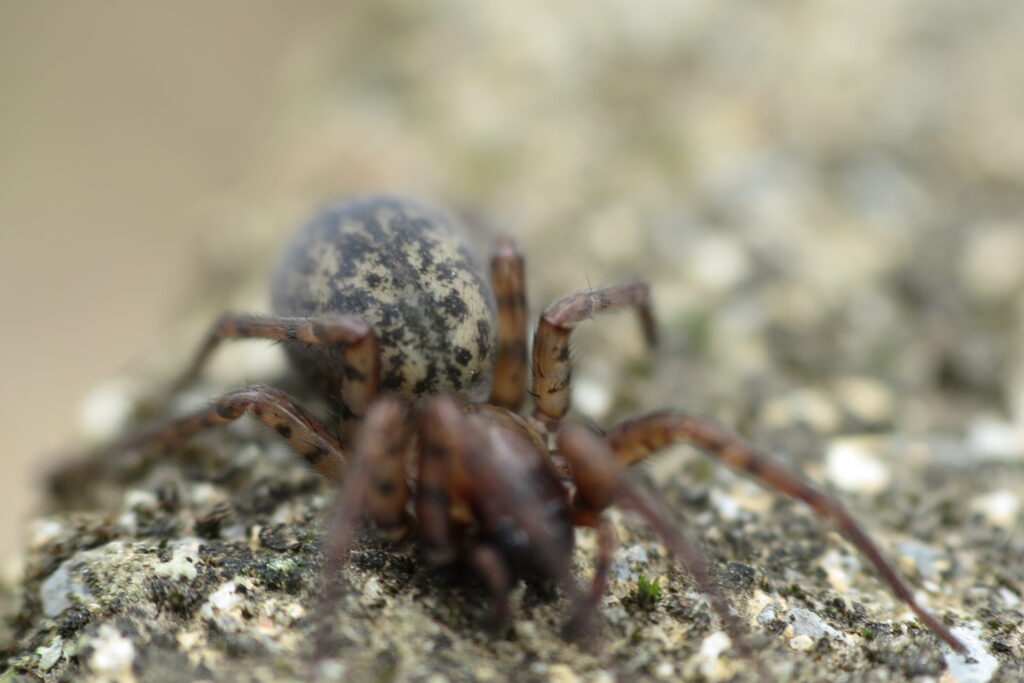
The Coras funnel weaver (Coras sp.) is a genus of funnel-weaving spiders found primarily throughout eastern portions of North America. Although rarely as well-known as larger or more colorful spider species, members of the genus occupy a broad geographic area that spans multiple climate zones and landscapes. Their secretive nature often causes them to be overlooked despite being relatively common in suitable locations.
Many wildlife observers encounter Coras funnel weavers without realizing how widespread they actually are. Their tendency to remain hidden beneath rocks, within crevices, and inside sheltered retreats means populations often go unnoticed. As a result, people frequently underestimate the extent of the genus across North America.
Several individual species occur within the genus, each possessing its own distribution pattern. Some species occupy relatively large portions of the eastern United States, while others may have more localized ranges. Together, these species create a broad regional presence extending across numerous states and provinces.
Understanding the range and distribution of Coras funnel weavers helps explain why they appear in such a variety of environments. Their geographic success reflects a combination of environmental adaptability, suitable shelter availability, and long-term persistence throughout eastern North America.
Coras Funnel Weaver Geographic Range Overview
Coras funnel weavers are primarily associated with eastern North America. Their distribution extends across large portions of the eastern United States and reaches into parts of southern Canada. This range places them within some of the most densely populated and frequently observed regions of the continent.
The genus is generally absent from many western regions where environmental conditions and spider communities differ significantly. While other funnel-weaving spiders occur throughout western North America, Coras species are most strongly represented in eastern ecosystems. This regional concentration makes them characteristic members of eastern spider fauna.
Compared to certain spider genera that occupy nearly global distributions, Coras funnel weavers are more geographically restricted. They do not occur naturally across multiple continents or broad international ranges. Instead, their distribution remains centered within a specific portion of North America.
Despite this regional focus, Coras spiders occupy a surprisingly large area. Their range spans numerous states, provinces, and ecological regions. From northern forests to more southern temperate environments, they occur across a wide variety of landscapes while maintaining a consistent association with suitable shelter opportunities.
The overall distribution can be viewed as widespread rather than localized. Although an individual observer may encounter only a few specimens, populations often exist throughout suitable portions of the region. Their apparent rarity frequently results from their concealed lifestyle rather than an actual lack of abundance.
Coras Funnel Weaver Distribution Across Different Landscapes
Within their geographic range, Coras funnel weavers occur in a variety of landscape types. Forested regions support many populations because they provide structural complexity and numerous sheltered locations. Woodlands throughout eastern North America represent some of the most favorable environments for the genus.
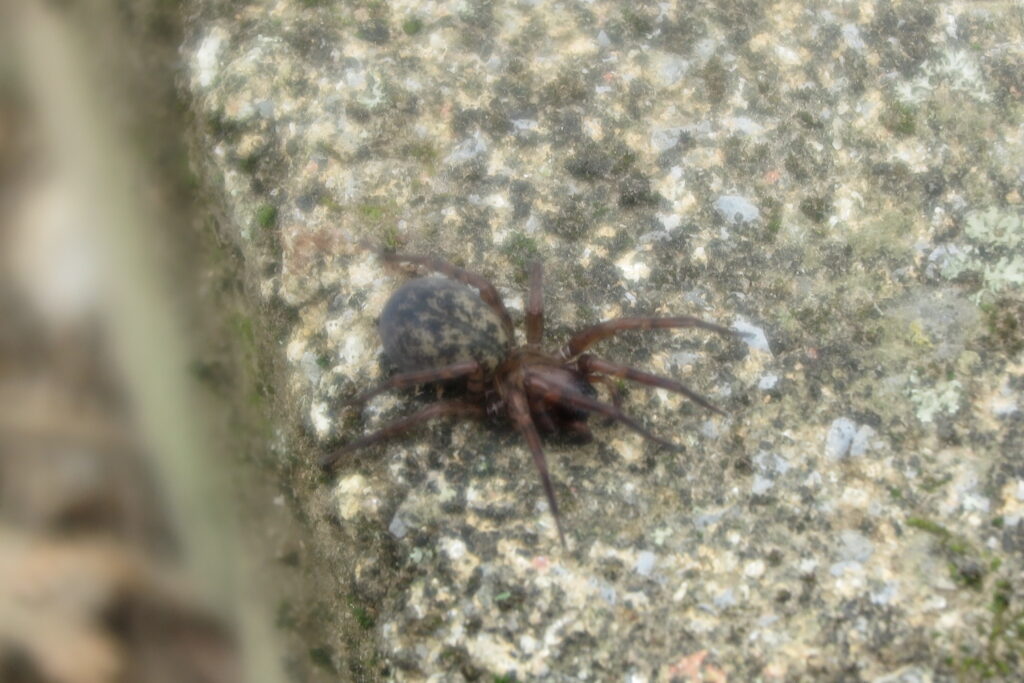
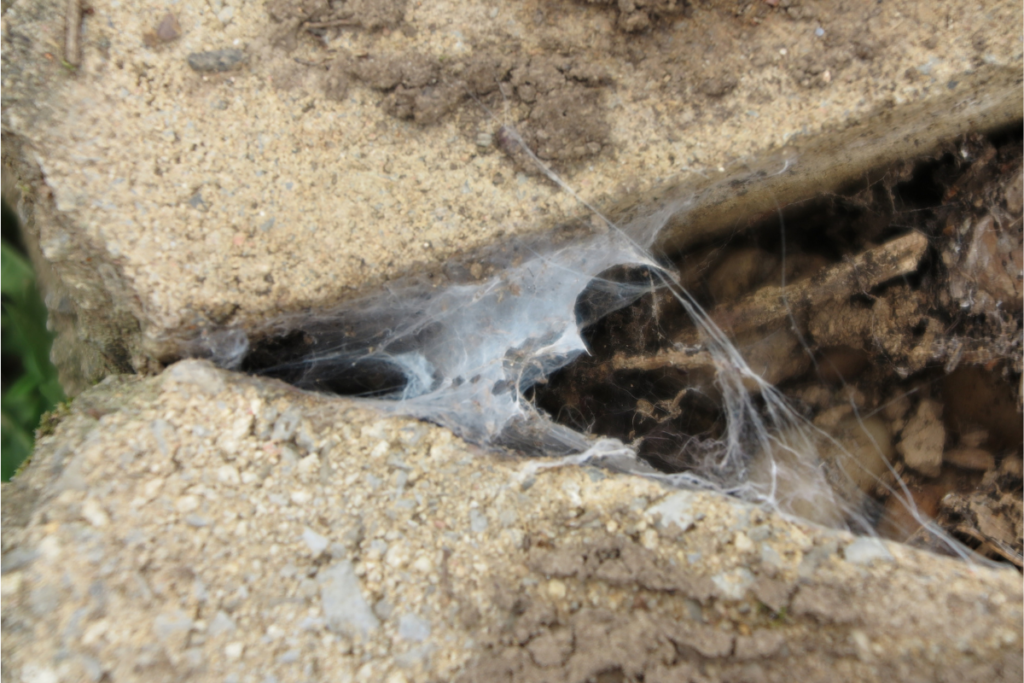
Rocky landscapes are another important component of their distribution. Natural outcrops, hillsides, stone fields, and rocky slopes often provide ideal locations for establishing retreats. These environments occur throughout much of the spider’s range and contribute significantly to its overall distribution pattern.
Human-modified landscapes also support Coras funnel weavers in many areas. Stone retaining walls, building foundations, old structures, and landscaped properties may all contain suitable microhabitats. This ability to occupy developed environments helps extend the spider’s presence into suburban and semi-urban settings.
Distribution may vary even within a single region. One woodland may support numerous individuals, while another nearby area contains relatively few. Local abundance often depends on the availability of shelter sites rather than broad geographic location alone.
Edge environments frequently contribute to successful distribution as well. Areas where different landscape types meet often contain a mixture of structural features that support funnel-weaving spiders. These transitional zones can provide opportunities unavailable within more uniform environments.
The diversity of landscapes occupied by Coras funnel weavers demonstrates that distribution is influenced by habitat structure as much as geography. Suitable conditions can occur across many different settings throughout the genus’ range.
Environmental Factors Influencing Coras Funnel Weaver Distribution
Climate is one of the primary factors shaping the distribution of Coras funnel weavers. Most species occur in temperate regions characterized by seasonal changes in temperature and moisture. These environmental conditions dominate much of eastern North America and align closely with the genus’ overall range.
Moisture availability also influences distribution patterns. Areas that retain moderate humidity often provide more suitable conditions than extremely dry environments. While Coras spiders are not restricted to wet habitats, prolonged dryness can limit habitat suitability in certain locations.
The availability of stable shelter plays an equally important role. A region may fall within the geographic range of the genus yet support few individuals if suitable retreats are scarce. Rocks, crevices, logs, and protected structures all contribute to local occupancy and population persistence.
Vegetation structure indirectly affects distribution by influencing environmental stability. Areas with layered vegetation often provide shade, moisture retention, and protection from environmental extremes. These conditions create favorable microhabitats that support funnel-weaving spiders throughout their range.
Seasonal conditions influence local activity and visibility. During warmer periods, spiders may become easier to observe, while colder seasons often reduce detectable activity. These seasonal fluctuations can create the impression that populations are changing even when overall distribution remains stable.
The distribution of Coras funnel weavers ultimately reflects a combination of climate, shelter availability, environmental stability, and landscape structure. Together, these factors determine where populations can establish and persist. Across eastern North America, this combination has allowed the genus to maintain a broad yet often overlooked presence throughout a diverse range of ecosystems.
Popular Searches About Funnel Weaver Spiders
Explore Funnel Weaver Spider Guide
Explore More Wildlife

Support Encounters World
Help support wildlife photography and get behind the scenes discoveries on Patreon.