
Coras Funnel Weaver Facts Guide: 25 Interesting Facts About Coras Funnel Weavers
Quick Facts
Scientific Name: Coras sp.
Common Name: Coras Funnel Weaver
Spider Family: Agelenidae (Funnel Weavers)
Average Size: 0.3–0.8 inches (8–20 mm) body length
Lifespan: Approximately 1–2 years
Conservation Status: Not Evaluated
Coras Funnel Weaver Facts Introduction
The Coras funnel weaver (Coras sp.) is one of the lesser-known spiders found throughout portions of eastern North America. Despite receiving far less attention than colorful orb-weavers or large wolf spiders, members of this genus possess fascinating adaptations that make them successful predators within their ecosystems. Their secretive lifestyle means many people encounter them without ever learning what species they have discovered.
Most observations occur when a rock, log, or other sheltered object is lifted, revealing a spider hidden within a funnel-shaped retreat. These encounters often last only a few seconds before the spider disappears back into cover. As a result, much of the genus remains unfamiliar to casual wildlife observers.
Coras funnel weavers belong to the family Agelenidae, a diverse group of spiders known for constructing funnel webs. Their combination of camouflage, speed, and engineering ability has allowed them to thrive across a broad geographic range. Although small in size, they play an important ecological role within the environments they occupy.
The following facts highlight some of the most interesting characteristics of Coras funnel weavers, from their physical features to their unique adaptations. Together, these details reveal why these overlooked spiders are far more remarkable than they initially appear.
Fascinating Coras Funnel Weaver Anatomy Facts
One surprising fact is that Coras funnel weavers are members of the funnel-weaver family rather than a unique spider group of their own. This places them among a larger collection of species that share similar web-building strategies and body structures. Their family connections help explain many of their defining characteristics.
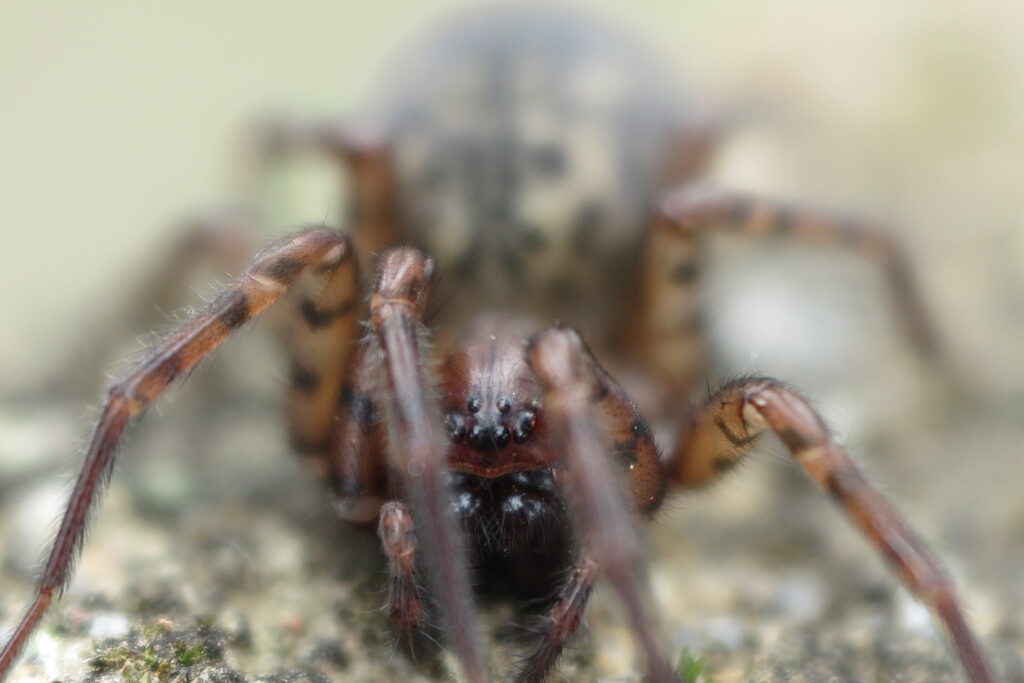
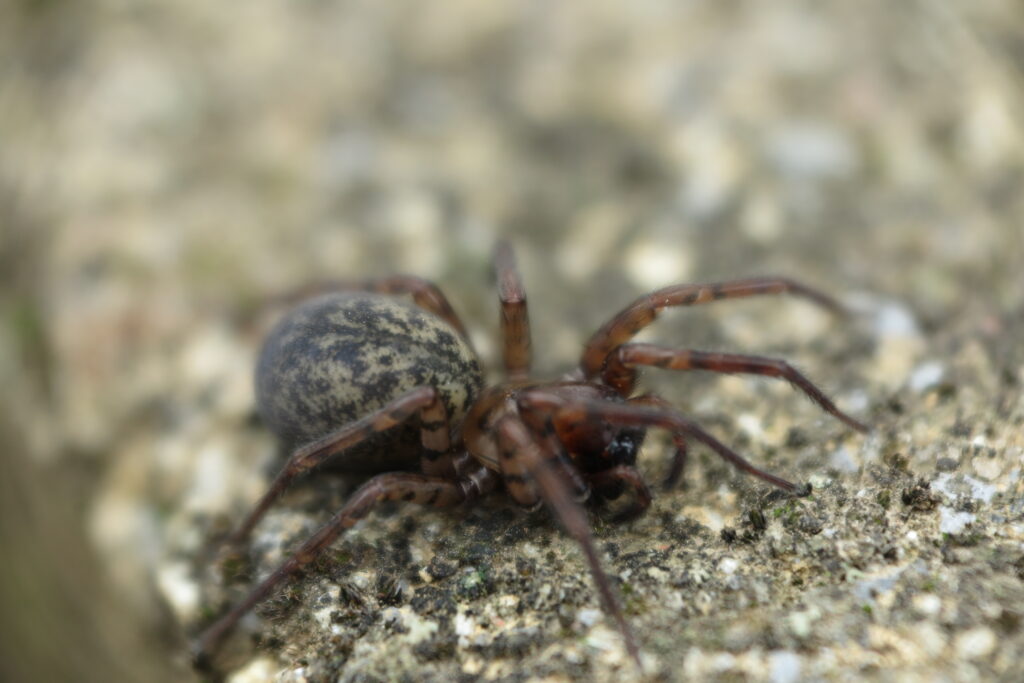
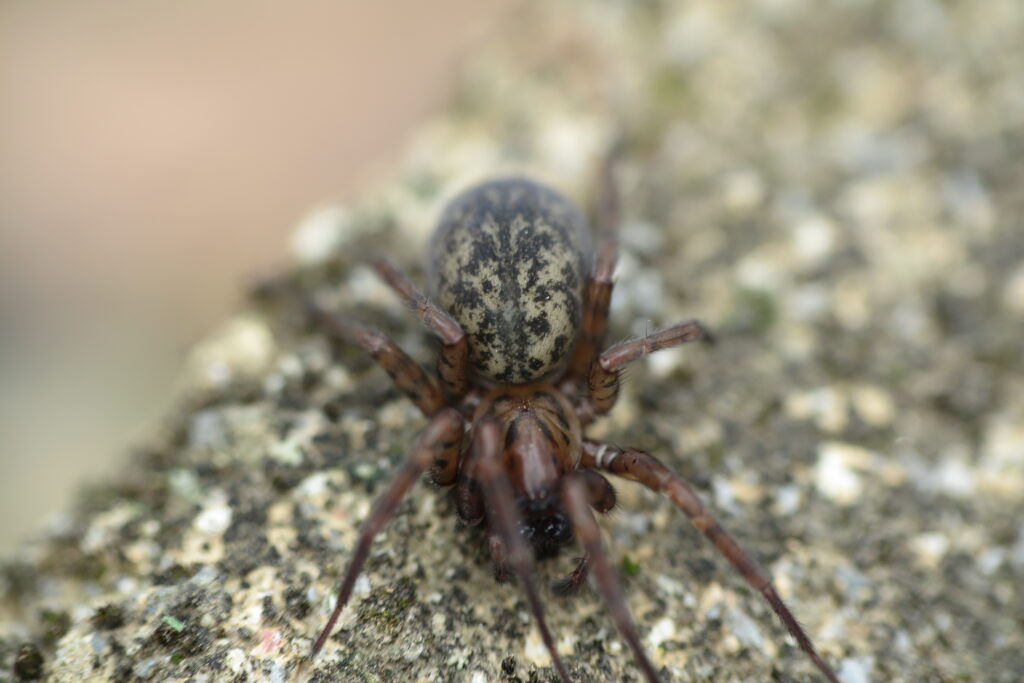
The mottled patterns found on their abdomens are among their most recognizable features. These markings often resemble natural stone surfaces, weathered bark, or scattered brush strokes. This camouflage allows them to blend remarkably well into the environments they occupy.
Coras spiders possess eight eyes like most spiders, but they do not rely solely on vision. Much of the information they receive comes through vibrations detected by specialized sensory hairs. In many situations, touch and vibration are more important than eyesight.
Their spinnerets are another interesting adaptation. Located at the rear of the abdomen, these silk-producing structures allow the spider to construct complex web systems. Even though they are smaller than those of some grass spiders, they remain essential tools for survival.
A mature Coras funnel weaver is relatively small compared to many well-known spiders. Most adults are only about the length of a sunflower seed or small paperclip segment. Despite this modest size, they are highly effective predators capable of capturing a variety of prey.
Coras Funnel Weaver Behavior and Survival Facts
Coras funnel weavers spend much of their lives hidden from view. Many individuals remain inside their funnel retreats for extended periods, emerging only when necessary. This secretive behavior is one reason they often go unnoticed despite being relatively common.
Unlike wandering hunters such as wolf spiders, Coras funnel weavers rely heavily on patience. Rather than actively searching for prey, they wait for opportunities to come to them. Their hunting strategy can be compared to a fisherman waiting beside a carefully placed net.
One interesting fact is how quickly they can move when necessary. Although they often appear inactive, they are capable of explosive bursts of speed. A spider resting calmly inside a retreat can disappear into safety almost instantly when disturbed.
Coras funnel weavers are generally solitary animals. Each spider maintains its own retreat and hunting area rather than sharing space with others. This independence reduces competition and minimizes conflicts between individuals.
When threatened, their first response is almost always retreat rather than aggression. They prefer avoiding danger whenever possible. This tendency contributes to their reputation as harmless and non-confrontational spiders.
Ecological and Fun Facts About Coras Funnel Weavers
Coras funnel weavers function as both predator and prey within North American ecosystems. They help regulate populations of small arthropods while also serving as food for birds, reptiles, amphibians, and larger invertebrates. This dual role makes them an important part of local food webs.
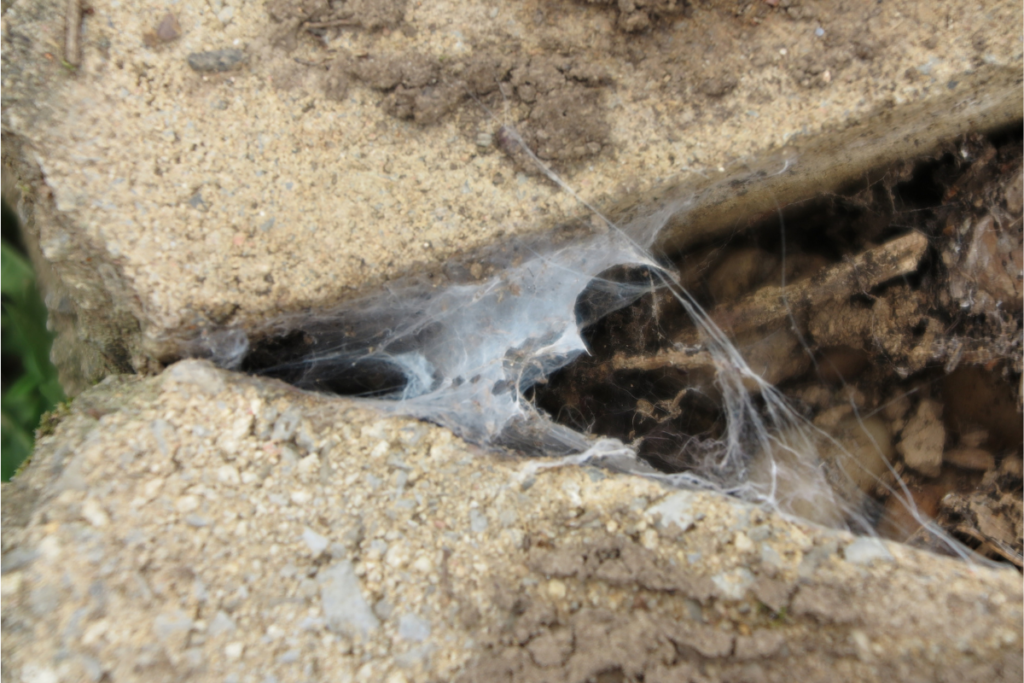
Their webs are among the most efficient hunting structures found in spiders. The combination of a sheet web and funnel retreat allows them to detect prey while remaining protected. The design works like a built-in alarm system connected directly to a secure shelter.
Many people mistakenly identify Coras funnel weavers as wolf spiders. Their brown coloration and ground-level habits contribute to this confusion. However, the presence of a funnel web immediately separates them from true wolf spiders.
Another interesting fact is that they are often more common than people realize. Their concealed lifestyle causes populations to remain largely hidden even in areas where they occur regularly. A single woodland may support dozens of individuals without most visitors ever noticing them.
Coras funnel weavers are also frequently confused with grass spiders. While both belong to the funnel-weaver family, grass spiders typically possess longer spinnerets and more obvious striping. Careful observation reveals clear differences between the two groups.
Perhaps the most fascinating fact is that these spiders are essentially engineers. Every funnel retreat represents a carefully constructed structure designed for protection, prey detection, and efficient hunting. Although small and often overlooked, Coras funnel weavers demonstrate how highly specialized adaptations can lead to remarkable success in nature. Through camouflage, web construction, speed, and environmental awareness, they have become one of the most effective hidden predators within eastern North American ecosystems.
Popular Searches About Funnel Weaver Spiders
Explore Funnel Weaver Spider Guide
Explore More Wildlife

Support Encounters World
Help support wildlife photography and get behind the scenes discoveries on Patreon.