
Yellowjacket Overview: Characteristics, Global Range, and Ecological Importance
Quick Facts
Scientific Name: Vespula sp.
Common Name: Yellowjacket
Location: Forests, grasslands, gardens, parks, and urban environments
Average Size: 0.4–0.75 inches (10–19 mm)
Lifespan: Workers: Several Weeks | Queens: Up to 1 Year
Global Range: North America, Europe, Asia, and introduced regions worldwide
Conservation Status: Not Evaluated
Notable Feature: Bold yellow-and-black coloration combined with a compact wasp body
Location Observed: Pennsylvania, USA
Field Observation
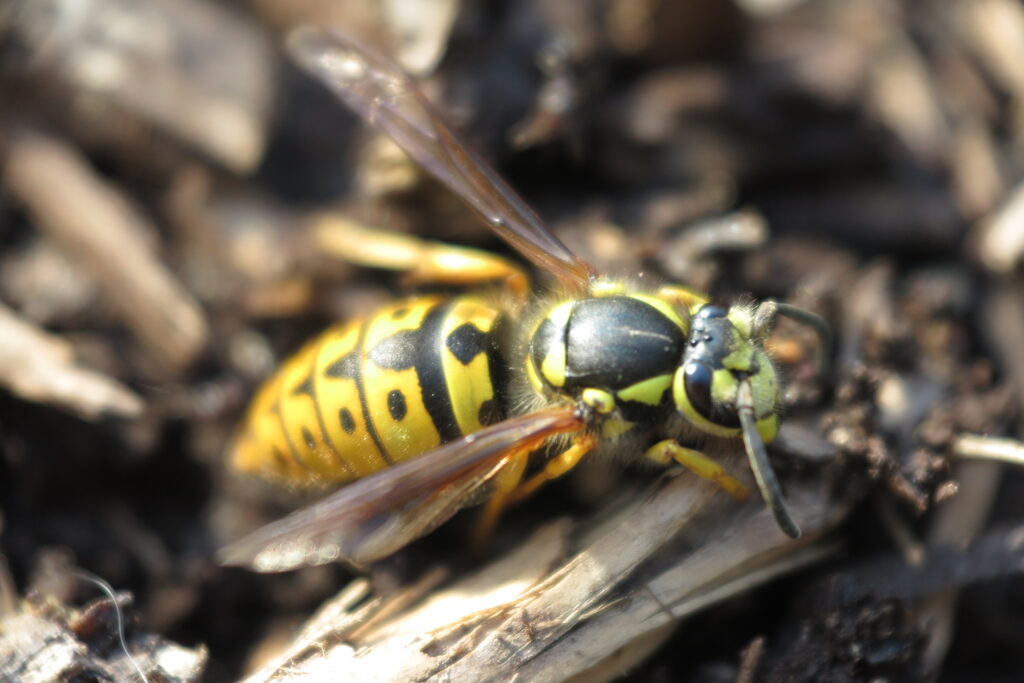
During this observation, the yellowjacket spent much of its time flying low above the ground before briefly landing to examine the surface. It appeared focused and purposeful, repeatedly inspecting small areas before moving on and resuming flight.
Introduction: Yellowjacket Distribution and Worldwide Presence
Yellowjackets are among the most familiar wasps found throughout the Northern Hemisphere. Members of the genus Vespula occur across a broad geographic range and are regularly encountered in both natural and developed landscapes. Their visibility and abundance have made them one of the most recognized social insects in the world.
These insects are distributed throughout much of North America, Europe, and Asia, with some species introduced into additional regions through human activity. Their ability to establish populations in diverse environments has contributed to their widespread success. Today, yellowjackets are considered a common sight in many parts of the world.
A casual walk through a park, nature trail, or backyard garden may reveal a yellowjacket moving through the landscape. Their presence often becomes most noticeable during the warmer months when insect activity increases. Although many people recognize the name, fewer understand the broader ecological role these insects play.
Despite their reputation, yellowjackets represent an important and successful group of social wasps. Their combination of adaptability, distinctive appearance, and ecological influence has allowed them to become a lasting part of ecosystems across multiple continents. Whether observed in a city park or a rural field, yellowjackets remain one of the most familiar representatives of the wasp family.
Yellowjacket Overview and Distinctive Appearance
The yellowjacket possesses a compact and streamlined body that immediately distinguishes it from many other flying insects. Its overall form is balanced and efficient, giving the insect a sturdy appearance despite its relatively small size. This compact build contributes to the unmistakable look that many people associate with wasps.
Most yellowjackets display a combination of bright yellow and black coloration. Depending on the species and individual variation, shades may range from vivid yellow to deeper golden tones. The contrasting pattern creates one of the most recognizable warning color displays found among insects.
Adult yellowjackets are generally small enough to fit comfortably on a fingertip. Most individuals measure roughly the length of a paperclip or small house key, making them easy to overlook until they come into view. Their bright coloration, however, often makes them appear larger than they actually are.
When observed in the wild, yellowjackets often appear polished and clean compared to many other insects. Their bodies lack the dense covering of hair associated with bees, creating a smoother overall profile. This sleek appearance contributes to their distinctive visual identity.
The body is divided into three clearly visible sections connected by a narrow waist. This structure creates a classic wasp silhouette that remains recognizable even from a moderate distance. Combined with their bold coloration, the overall shape makes yellowjackets one of the easiest insects to recognize at a glance.
One reason yellowjackets have become so successful is their ability to thrive across a wide geographic range while maintaining a remarkably consistent appearance. Whether encountered in North America or Europe, most species share similar visual characteristics. This consistency contributes to their widespread recognition around the world.
Yellowjacket Characteristics and Defining Traits
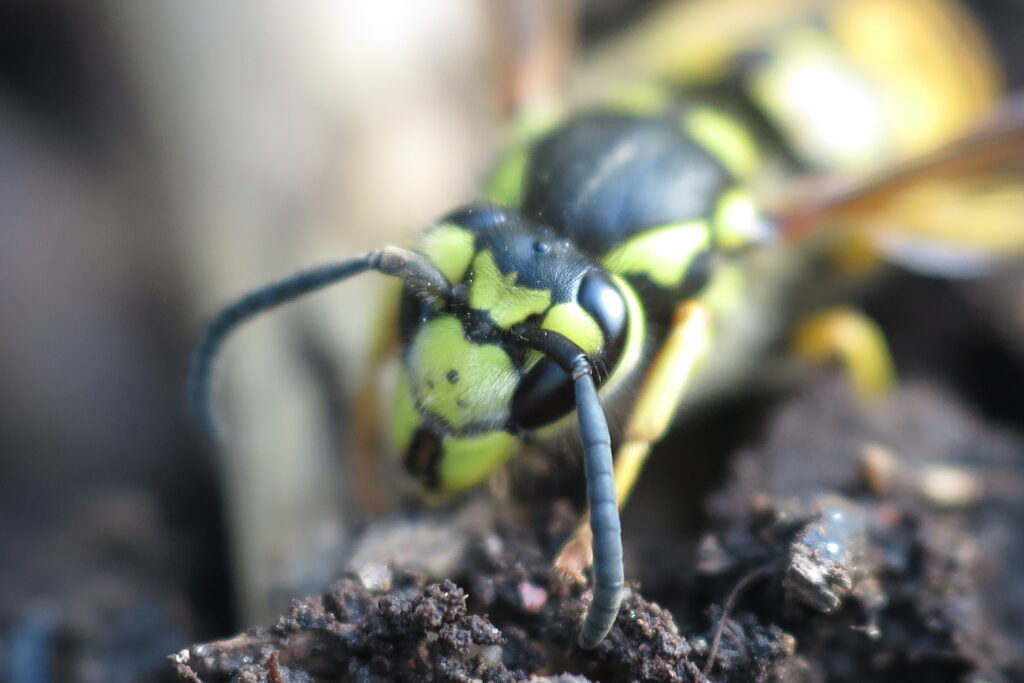
One of the defining characteristics of yellowjackets is their highly organized body structure. Every visible feature appears compact and purposeful, creating an insect that looks efficient rather than delicate. This design contributes to their reputation as robust members of the wasp family.
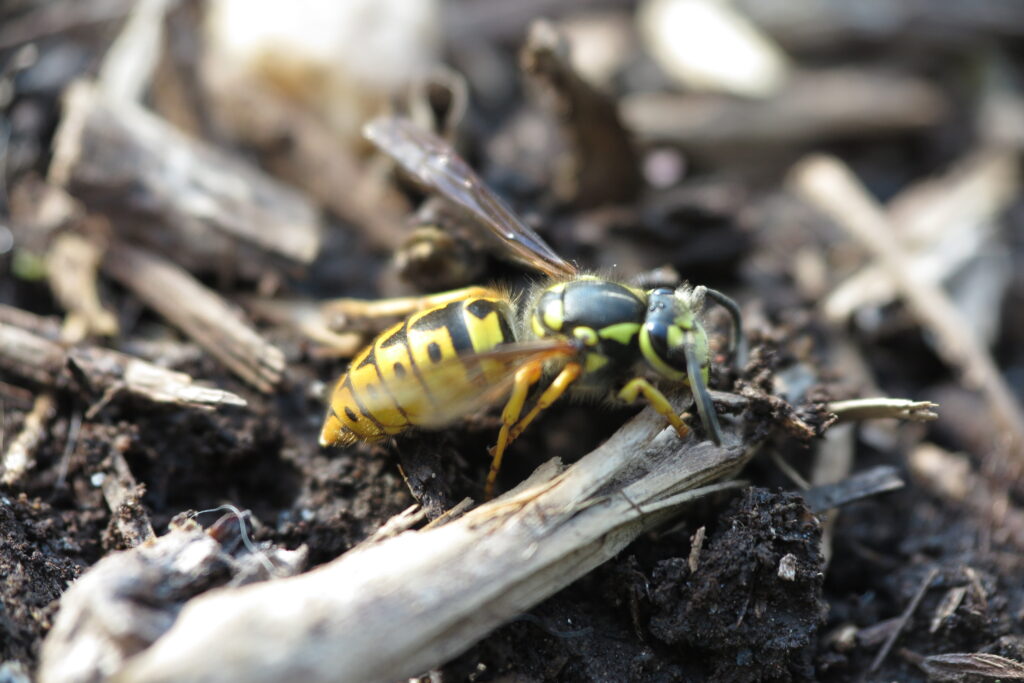
Unlike butterflies, which possess broad colorful wings, yellowjackets maintain a much more streamlined profile. Their wings fold neatly against the body when not in use, reducing visual clutter and emphasizing the insect’s compact shape. This creates a cleaner and more aerodynamic appearance.
The narrow waist separating the thorax and abdomen is another defining feature. This structure resembles a flexible joint connecting two larger body sections. Few insects display this characteristic as prominently, making it a useful trait when examining overall form.
Large compound eyes occupy much of the head and provide a distinctive facial appearance. Alongside prominent antennae, these features contribute to the alert look commonly associated with yellowjackets. Viewed up close, the head displays a surprisingly complex arrangement of structures.
Compared to honey bees, yellowjackets appear noticeably smoother and more polished. A useful comparison is the difference between a fuzzy sweater and a waterproof jacket. Both serve important functions, yet their textures and visual impressions are completely different.
Their coloration also serves as a defining characteristic beyond simple appearance. The bold contrast between yellow and black creates one of nature’s most recognizable visual patterns. This color combination is so effective that many unrelated insects have evolved similar markings.
Together, these traits create an insect that is instantly recognizable even among thousands of other species. The combination of shape, coloration, texture, and body proportions gives yellowjackets a unique identity within the insect world.
Yellowjacket Role in Ecosystems and Environmental Importance
Yellowjackets play an important role within many terrestrial ecosystems. Although they are often noticed because of their interactions with people, their environmental significance extends far beyond human encounters. They participate in ecological processes that help maintain balance within insect communities.
Within food webs, yellowjackets occupy multiple positions. They serve as predators, scavengers, and prey depending on the circumstances and life stage involved. This flexibility allows them to connect different levels of the ecosystem and contribute to the movement of energy through natural systems.
Many animals rely on yellowjackets as a food source. Birds, mammals, reptiles, amphibians, and even other insects may consume them when opportunities arise. These relationships help support biodiversity by providing resources for a variety of species.
Yellowjackets also contribute to pollination while visiting flowering plants. Although bees receive most of the attention for this ecological service, yellowjackets can transfer pollen between flowers as they move through the environment. Their contribution may be smaller than that of specialized pollinators, but it remains ecologically valuable.
Scientists often recognize yellowjackets as important regulators within insect communities. By influencing the abundance of other organisms, they help maintain ecological balance across a wide range of habitats. Their presence contributes to the complexity and stability of many ecosystems.
A useful example of their ecological importance can be seen in productive summer landscapes where numerous insect species interact. Yellowjackets become part of a network involving plants, pollinators, predators, scavengers, and prey. Removing one component from this system can influence many others.
The yellowjacket demonstrates how a highly recognizable insect can also serve a meaningful ecological purpose. Beyond its familiar appearance lies a species group that contributes to pollination, food webs, and ecosystem stability throughout much of the world.
Observation Location
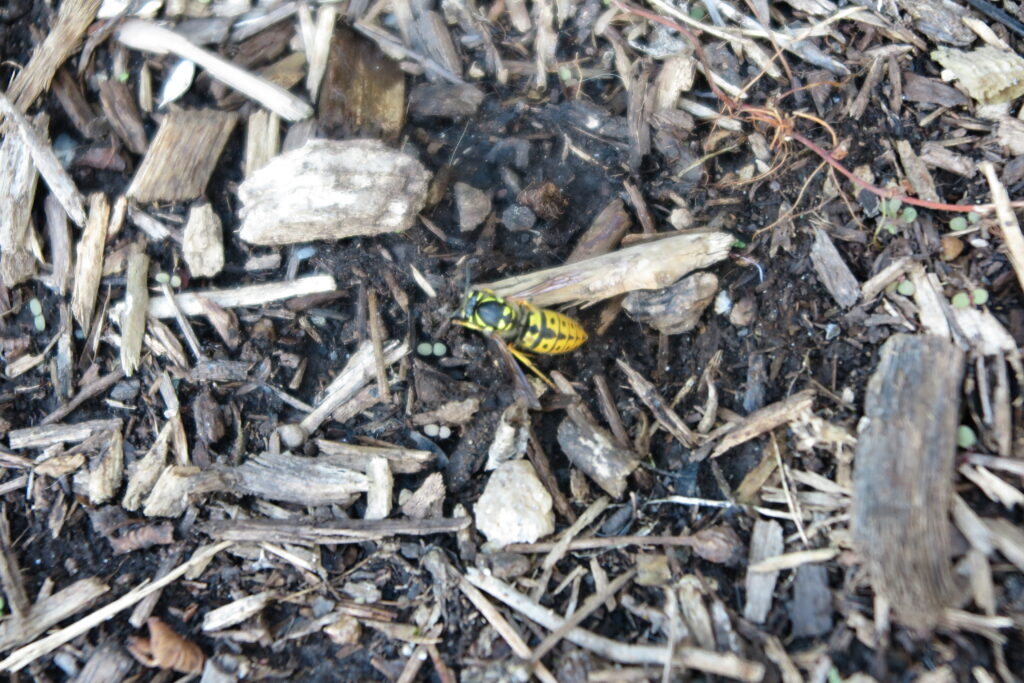
Observed in York County, Pennsylvania, USA
Popular Searches About Yellowjackets
Explore Yellowjacket Guide
Explore More Wildlife

Support Encounters World
Help support wildlife photography and get behind the scenes discoveries on Patreon.