
Yellowjacket Sting Guide: Symptoms, Pain Level, and What Happens After a Sting
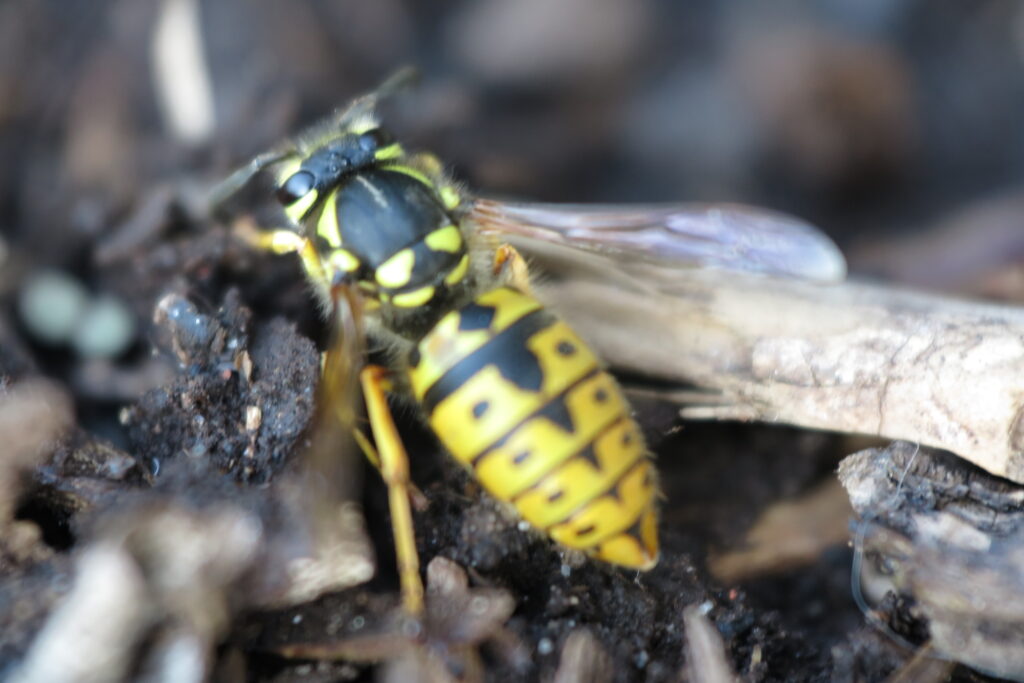
Quick Facts
Defense Method: Venomous Sting
Can Sting Multiple Times: Yes
Sting Pain Level: Moderate to Severe
Primary Purpose of Sting: Colony Defense and Protection
Venom Type: Protein-Based Venom
Most Active Stinging Season: Summer and Early Fall
Highest Risk Situation: Disturbing a Nest or Colony Area
Notable Feature: Unlike Bees, Yellowjackets Do Not Lose Their Stinger
Yellowjacket Stings and Defensive Behavior Overview
Yellowjackets are among the most well-known stinging insects in North America, Europe, and parts of Asia. Their reputation largely stems from their ability to defend themselves and their colonies using a venomous stinger. While many people recognize yellowjackets by appearance alone, their defensive capabilities are often what make the strongest impression.
A yellowjacket sting is not used for hunting large animals or attacking humans without reason. Instead, the sting functions primarily as a defensive tool designed to protect the insect and its colony. Like many social insects, yellowjackets rely on collective defense when responding to perceived threats.
Encounters involving stings most commonly occur during warmer months when colonies reach peak population levels. During this period, more workers are present in the environment, increasing the likelihood of interactions with people and other animals. Most yellowjackets encountered away from a nest remain focused on their normal activities rather than seeking conflict.
Although yellowjacket stings can be painful, they represent a natural defensive adaptation rather than aggressive behavior. Understanding why yellowjackets sting and how the process works helps place these interactions into a broader ecological context. The sting is simply one of several survival tools that have contributed to the success of this group of social wasps.
Yellowjacket Sting Mechanics and Physical Characteristics
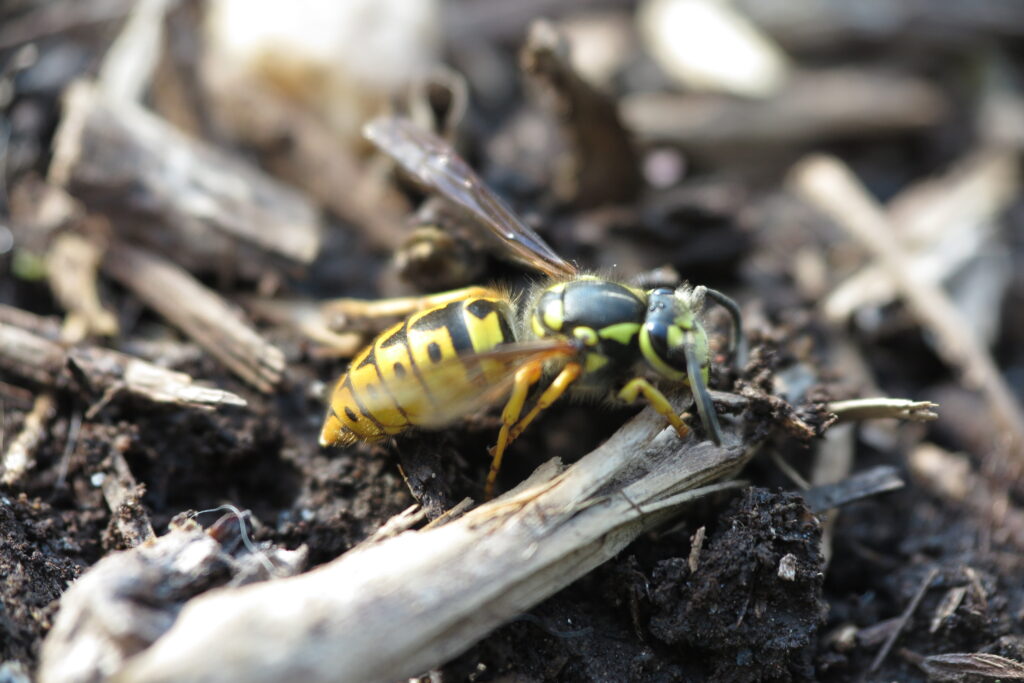
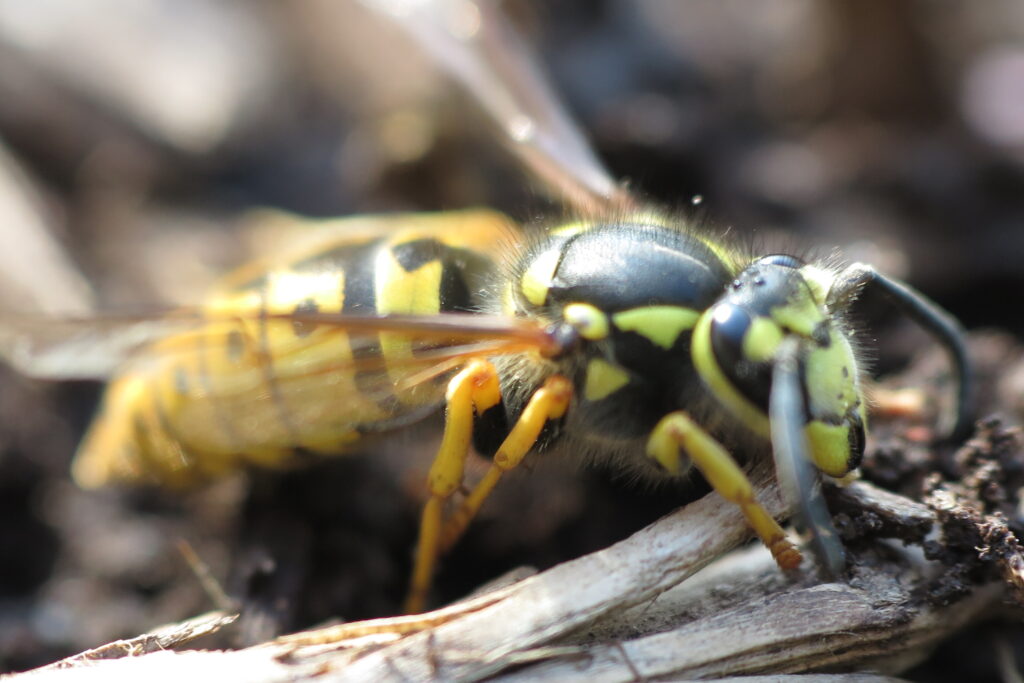
The yellowjacket stinger is a specialized structure located at the end of the abdomen. Unlike the stinger of a honey bee, it lacks large barbs that become lodged in skin. This design allows a yellowjacket to withdraw the stinger and use it repeatedly if necessary.
One of the most important distinctions between yellowjackets and honey bees involves what happens after a sting. Honey bees typically lose their stinger and die following a defensive sting against mammals. Yellowjackets retain their stinger and remain capable of delivering additional stings.
Venom is delivered through the stinger during the defensive response. This venom contains a mixture of compounds that trigger pain, inflammation, and localized irritation. The resulting reaction varies depending on the individual and the circumstances surrounding the sting.
The sensation of a yellowjacket sting is often described as immediate and intense. Many people compare the experience to being jabbed suddenly with a heated needle or sharp pin. The discomfort usually develops rapidly and becomes noticeable within seconds.
Physical reactions commonly include redness, swelling, tenderness, and a burning sensation around the affected area. These symptoms are part of the body’s response to the injected venom. For most individuals, the reaction remains localized and gradually improves over time.
The ability to sting multiple times provides a significant defensive advantage. Rather than relying on a single opportunity to deter a threat, yellowjackets can continue defending themselves if danger persists. This capability contributes to their effectiveness as social insects.
Understanding the mechanics of the yellowjacket sting helps explain why these insects are regarded as effective defenders. Their stinging apparatus is specifically adapted for repeated use, making it one of the most important survival features within the genus Vespula.
Yellowjacket Sting Symptoms and Typical Reactions
Most yellowjacket stings produce immediate pain followed by localized swelling. The intensity of discomfort varies from person to person, but the affected area often becomes red and sensitive shortly after the sting occurs. These reactions are considered normal responses to venom exposure.
Swelling typically remains concentrated around the sting site. In many cases, the area may expand slightly during the first several hours before gradually subsiding. The size of the reaction often depends on the location of the sting and an individual’s sensitivity to venom.
A burning or throbbing sensation is frequently reported. This discomfort may persist for several minutes or longer depending on the severity of the sting. Some individuals describe the sensation as similar to touching a hot object unexpectedly.
Itching sometimes develops after the initial pain decreases. This stage often occurs as the body’s inflammatory response continues. The transition from pain to itching is common and does not necessarily indicate a worsening reaction.
Most healthy individuals recover from a yellowjacket sting without serious complications. Symptoms generally improve within hours or days, depending on the severity of the reaction. The majority of stings remain localized and do not result in significant long-term effects.
A useful comparison is the reaction caused by a splinter combined with temporary irritation. Both involve localized discomfort and inflammation, although venom introduces additional chemical effects. This comparison helps illustrate why the area may remain tender after the initial sting.
While most reactions are mild to moderate, some individuals experience severe allergic responses. These situations are uncommon but potentially serious. Anyone showing signs of a severe allergic reaction should seek immediate medical attention.
Yellowjacket Sting Defense and Survival Function
The primary purpose of a yellowjacket sting is defense rather than offense. Stinging helps protect individual insects and, more importantly, the colony as a whole. This defensive system allows yellowjackets to respond effectively when threats approach.
Social insects often invest heavily in colony protection because thousands of individuals may depend on a single nest. A yellowjacket worker acts as part of a larger defensive network rather than solely protecting itself. This cooperative strategy contributes to the success of colony-based living.
When a threat is perceived, defensive responses can escalate rapidly. A disturbance near a nest often triggers a much stronger reaction than a brief encounter with an individual worker away from colony areas. This difference reflects the importance of protecting the colony’s central resources.
One example of defensive behavior occurs when an animal repeatedly disturbs a nesting area. Workers may respond by increasing vigilance and initiating protective actions. These responses are designed to discourage further intrusion and reduce potential damage to the colony.
The sting functions much like an alarm system combined with a protective barrier. Rather than waiting for direct harm to occur, yellowjackets possess a tool capable of deterring many potential threats. This capability increases colony survival and reproductive success.
Compared to solitary insects that rely entirely on camouflage or escape, yellowjackets employ a more active defensive strategy. Their ability to protect colony members collectively provides advantages that have contributed to their widespread distribution and ecological success.
The yellowjacket sting is ultimately a survival adaptation shaped by millions of years of evolution. While often viewed negatively because of painful encounters, it remains a highly effective defensive mechanism that helps these social wasps persist across a wide range of environments throughout the world.
Popular Searches About Yellowjackets
Explore Yellowjacket Guide
Explore More Wildlife

Support Encounters World
Help support wildlife photography and get behind the scenes discoveries on Patreon.