
Yellowjacket Ecosystem Role: Ecological Importance, Food Web Function, and Environmental Impact
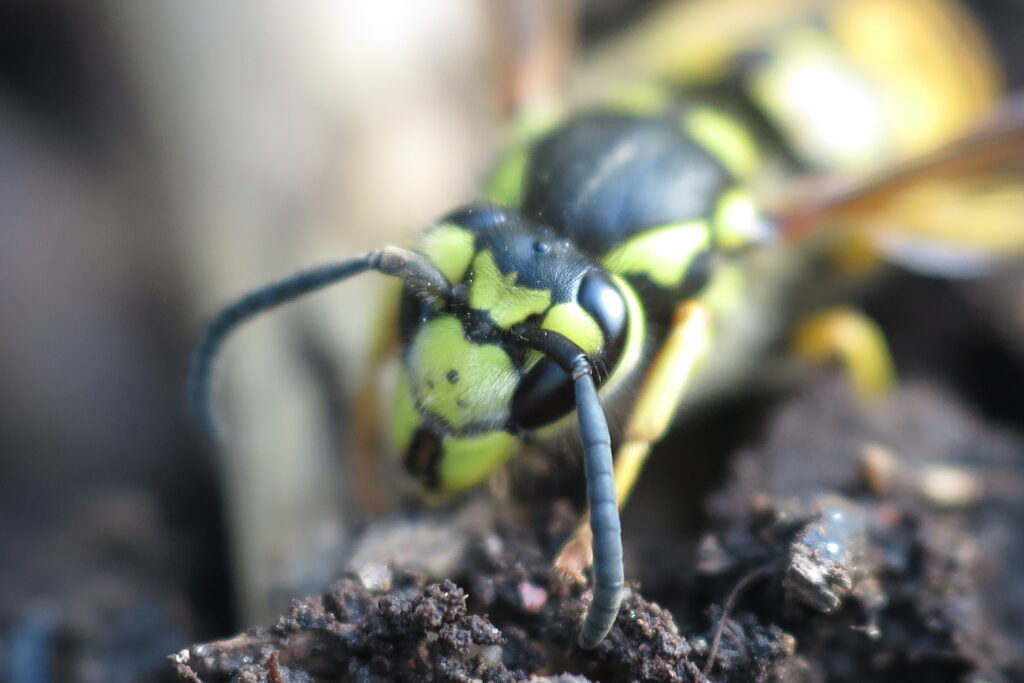
Quick Facts
Ecological Role: Predator, Pollinator, and Scavenger
Food Web Position: Mid-Level Consumer
Primary Contribution: Insect Population Regulation
Pollination Role: Occasional Pollinator
Environmental Impact: Supports Ecosystem Balance and Nutrient Cycling
Predators Supported: Birds, Mammals, Reptiles, Amphibians, and Insects
Ecosystem Type: Forests, Grasslands, Agricultural Areas, and Urban Landscapes
Notable Feature: Influences Multiple Levels of the Food Web Simultaneously
Yellowjacket Ecological Importance and Environmental Role
Yellowjackets are often recognized for their striking appearance and defensive behavior, but their ecological importance extends far beyond human encounters. Members of the genus Vespula occupy a variety of roles within natural ecosystems, contributing to food webs, pollination networks, and insect population dynamics. Their influence can be observed across forests, grasslands, agricultural landscapes, and urban environments.
Throughout North America, Europe, Asia, and introduced regions, yellowjackets interact with countless other organisms. Unlike species that perform a single ecological function, yellowjackets contribute in several ways simultaneously. They serve as predators, prey, scavengers, and occasional pollinators, making them highly connected members of many biological communities.
A healthy ecosystem depends on interactions among many species rather than the actions of a single organism. Yellowjackets participate in these interactions daily, linking plants, insects, vertebrates, and decomposing resources. Their widespread presence allows them to influence ecological processes across large geographic areas.
Although they are sometimes viewed negatively because of their ability to sting, yellowjackets perform services that help maintain environmental stability. Many of their contributions occur quietly and often go unnoticed. Understanding these roles provides a more complete picture of why yellowjackets remain important components of ecosystems throughout much of the world.
Yellowjacket Role in Food Webs and Ecological Connections
Yellowjackets occupy a unique position within terrestrial food webs because they function as both consumers and prey. This dual role allows them to connect multiple levels of the ecosystem. Energy moves through yellowjackets in both directions, making them an important biological link.
As predators, yellowjackets influence populations of numerous small invertebrates. By consuming other insects, they help regulate the abundance of species that might otherwise become excessively common. This contribution helps maintain balance within local insect communities.
At the same time, yellowjackets serve as food for many larger animals. Birds, mammals, reptiles, amphibians, and predatory insects all take advantage of yellowjackets as a nutritional resource. These interactions transfer energy from lower trophic levels to higher ones.
The food web position of a yellowjacket can be compared to a major highway intersection. Just as multiple roads converge and connect at a central location, ecological energy passes through yellowjackets in several directions. This connectivity increases their importance within the broader ecosystem.
Because they occupy both predator and prey roles, changes in yellowjacket populations can influence numerous other species. A decline may affect predators that rely on them, while an increase could alter local insect communities. Such relationships demonstrate how interconnected ecosystems truly are.
Many organisms occupy only one portion of the food web, but yellowjackets participate in several ecological pathways simultaneously. This versatility contributes to their ecological value and helps explain their influence across diverse environments.
Their role within food webs highlights an important ecological principle: even small insects can have far-reaching effects. Through their interactions with countless other species, yellowjackets help support the complex networks that sustain healthy ecosystems.
Yellowjacket Contributions to Pollination and Natural Processes
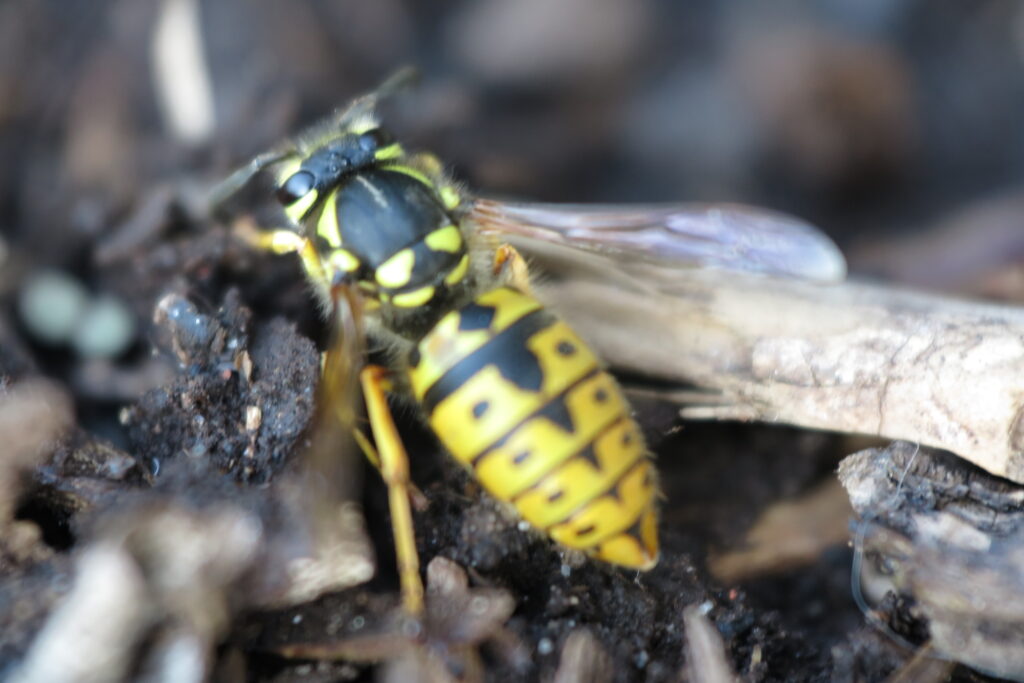
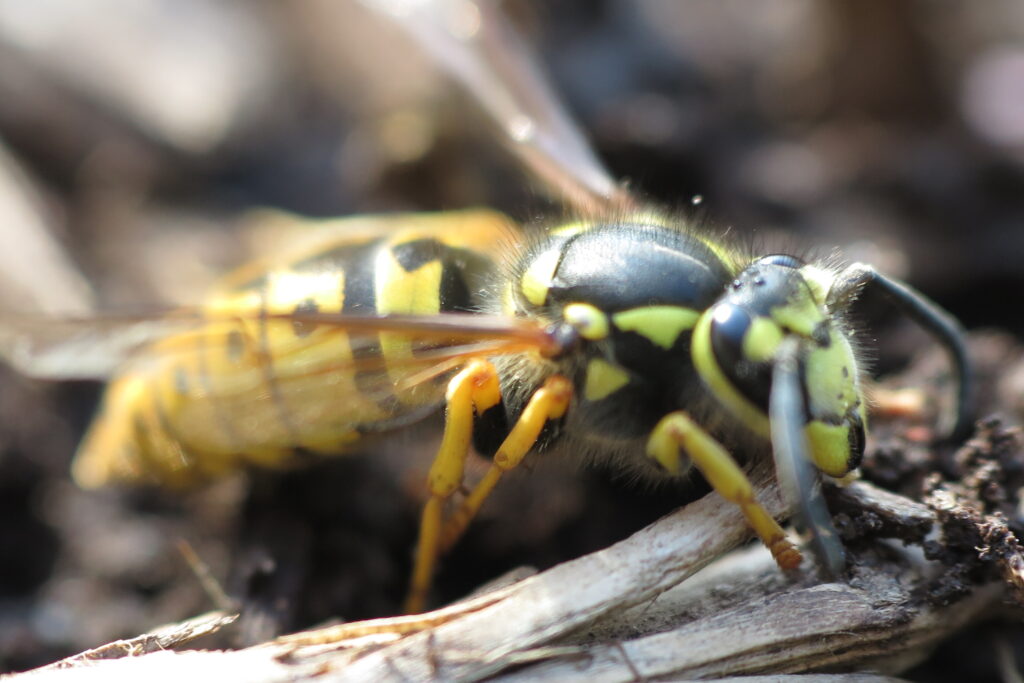
Although bees receive most attention for pollination, yellowjackets also contribute to this important ecological process. As they move among flowering plants, pollen may be transferred between blossoms. While they are not specialized pollinators, their activities still support plant reproduction.
Pollination by yellowjackets occurs incidentally rather than as a dedicated ecological role. Unlike bees, which possess structures specifically adapted for pollen collection, yellowjackets primarily visit flowers for sugary resources. Nevertheless, pollen grains often adhere to their bodies and are transported between plants.
Their contribution becomes particularly valuable in ecosystems where many insect species collectively support flowering plants. Pollination is rarely performed by a single species alone. Instead, numerous insects work together to maintain healthy plant communities.
Yellowjackets also participate in scavenging activities that contribute to nutrient movement within ecosystems. By utilizing available organic resources, they help recycle energy and materials through biological communities. These processes support broader ecological productivity.
A useful comparison can be made to a utility worker who performs several different tasks rather than specializing in only one. Yellowjackets similarly contribute to multiple ecological processes instead of focusing exclusively on pollination or predation. This flexibility increases their overall environmental value.
Plant communities benefit from the presence of diverse pollinating insects. Even when yellowjackets play a smaller role than bees, they still contribute to the movement of pollen across the landscape. Their participation helps strengthen ecological resilience.
Through pollination and nutrient-related processes, yellowjackets support environmental functions that extend far beyond their immediate surroundings. These contributions help maintain healthy ecosystems across much of their global range.
Yellowjacket Impact on Ecosystem Balance and Biodiversity
One of the most important ecological functions performed by yellowjackets is their contribution to ecosystem balance. By interacting with numerous species across multiple trophic levels, they help stabilize biological communities. Their activities influence predators, prey, plants, and other insects simultaneously.
Yellowjackets help support biodiversity by participating in complex ecological networks. Healthy ecosystems depend on interactions among many species, and yellowjackets serve as active contributors within those systems. Their presence increases the number of ecological connections available within a habitat.
For example, a single yellowjacket colony may influence plant reproduction through pollination, support bird populations as prey, regulate insect numbers through predation, and contribute to nutrient cycling through scavenging. Few insects participate in such a diverse range of ecological functions at once.
Scientists often emphasize the importance of species that connect multiple ecological processes. Yellowjackets fit this description remarkably well. Their interactions extend across numerous components of the ecosystem rather than remaining limited to a single role.
The ecological influence of yellowjackets can be compared to the supporting framework of a building. While not always the most visible component, the framework helps connect and stabilize everything around it. Yellowjackets perform a similar function within many terrestrial ecosystems.
Environmental systems are strongest when many species contribute in different ways. Yellowjackets add resilience by performing several ecological roles simultaneously. This versatility helps ecosystems remain functional even as conditions change throughout the year.
The yellowjacket demonstrates that ecological importance is not determined by popularity or public perception. Despite often being viewed primarily as a stinging insect, it remains a valuable contributor to pollination, food webs, biodiversity, and ecosystem stability. Its influence reaches far beyond individual encounters, making it an essential participant in many natural environments around the world.
Popular Searches About Yellowjackets
Explore Yellowjacket Guide
Explore More Wildlife

Support Encounters World
Help support wildlife photography and get behind the scenes discoveries on Patreon.