
Yellowjacket Habitat: Range, Nesting Environments, and Preferred Conditions
Quick Facts
Primary Habitat: Woodlands, Grasslands, and Mixed Vegetation Areas
Secondary Habitat: Parks, Gardens, Agricultural Land, and Urban Spaces
Climate Preference: Temperate and Warm Regions
Environment Type: Terrestrial Ecosystems
Elevation / Depth Range: Sea Level to Mountainous Regions
Geographic Distribution: North America, Europe, Asia, and Introduced Regions Worldwide
Yellowjacket Habitat and Geographic Distribution
Yellowjackets are among the most widespread social wasps found throughout the Northern Hemisphere. Species within the genus Vespula occur across large portions of North America, Europe, and Asia, with several species expanding beyond their native ranges through accidental introduction. Their broad distribution reflects a remarkable ability to occupy a variety of landscapes and environmental settings.
From heavily wooded countryside to developed suburban communities, yellowjackets have established themselves in regions that differ greatly in appearance. Their success is not tied to a single ecosystem type, allowing populations to persist across extensive geographic areas. This flexibility has helped make yellowjackets one of the most commonly encountered wasp groups in the world.
A person exploring nature in many temperate regions has a good chance of encountering yellowjackets at some point during the warmer months. They are present in environments ranging from remote natural landscapes to locations heavily influenced by human activity. This widespread occurrence contributes to their reputation as one of the most recognizable social insects.
Despite their familiarity, yellowjackets are not restricted to a narrow ecological niche. Instead, they occupy a broad collection of environments that provide the resources needed to support colonies. Their ability to thrive in both natural and developed settings has played a major role in their long-term success and geographic expansion.
Yellowjacket Habitat Overview Across Diverse Landscapes
Yellowjackets occur across a wide range of environmental categories, making them one of the most adaptable wasp groups within their range. They can be found in wooded regions, open landscapes, mixed vegetation zones, and areas influenced by human development. Few social wasps occupy such a broad variety of settings.
Their distribution extends across landscapes that differ dramatically in structure and appearance. Dense forests, open meadows, agricultural fields, and suburban neighborhoods may all support yellowjacket populations. This versatility allows them to persist in environments that would be unsuitable for more specialized insect species.
Compared to certain solitary wasps that depend on highly specific habitat conditions, yellowjackets demonstrate considerable ecological flexibility. They are capable of utilizing a wider range of landscapes while maintaining stable populations. This adaptability contributes significantly to their widespread distribution.
Many insects are restricted by narrow environmental requirements, limiting where they can establish populations. Yellowjackets, however, often succeed across multiple habitat categories within the same region. A colony may exist near woodland edges while neighboring colonies occur within parks or agricultural settings.
The broad habitat range of yellowjackets can be compared to that of raccoons among mammals. Just as raccoons successfully occupy forests, suburbs, and urban environments, yellowjackets are capable of thriving in diverse landscapes. Their ability to utilize multiple environmental types makes them exceptionally resilient.
Although yellowjackets are highly adaptable, they still require suitable nesting opportunities and access to productive ecosystems. Areas lacking these resources generally support fewer colonies. Nevertheless, their habitat tolerance remains much broader than that of many comparable insects.
This combination of adaptability and environmental flexibility has helped yellowjackets become a dominant social wasp across much of their range. Their presence in a variety of landscapes highlights their ability to take advantage of diverse ecological opportunities.
Yellowjacket Habitat Types and Nesting Environments
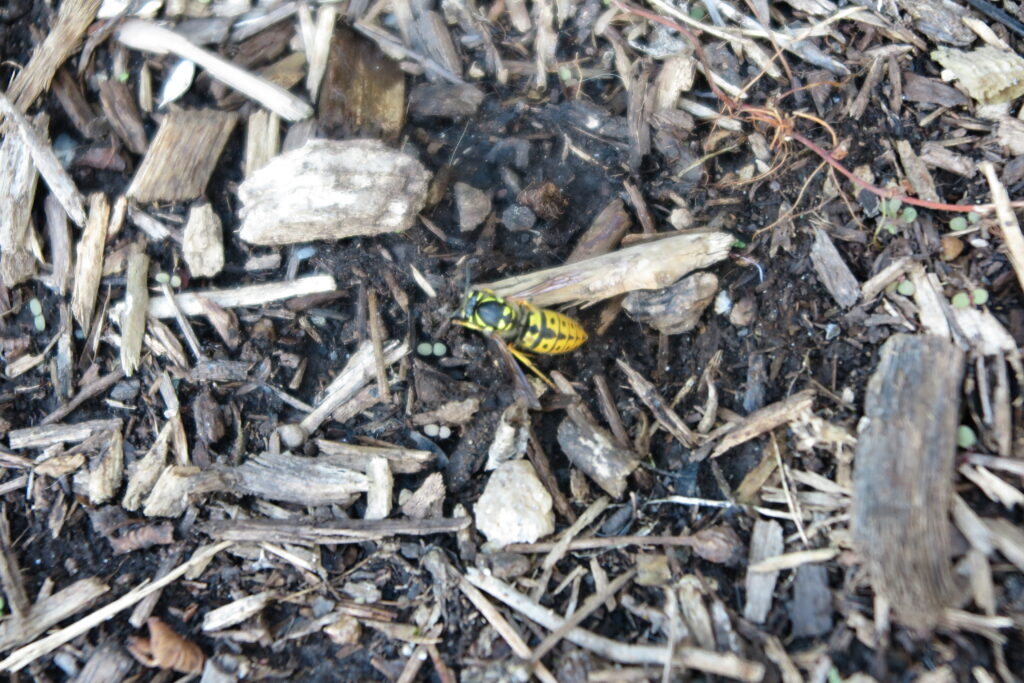
Forests represent one of the most important habitat categories occupied by yellowjackets. Woodland ecosystems provide abundant nesting opportunities, protective cover, and access to a variety of ecological resources. Colonies may occur within forest interiors, clearings, or transitional zones between different vegetation types.
Grasslands and meadows also support yellowjacket populations. These open environments often provide suitable nesting sites while maintaining access to flowering plants and diverse insect communities. Yellowjackets are frequently observed moving through these landscapes during periods of peak activity.
Agricultural areas represent another significant habitat type. Crop fields, orchards, pastures, and farm edges can all support colonies under favorable conditions. The combination of open space and available resources often creates suitable conditions for long-term occupancy.
Human-altered environments are particularly important for many yellowjacket species. Parks, gardens, residential neighborhoods, and urban greenspaces frequently contain active colonies. Their ability to utilize developed landscapes contributes greatly to their visibility and abundance.
Habitat edges are often especially attractive. Areas where forests meet fields or where vegetation transitions between different types can provide a mixture of resources within a relatively small space. These boundary zones frequently support high levels of insect diversity, including yellowjackets.
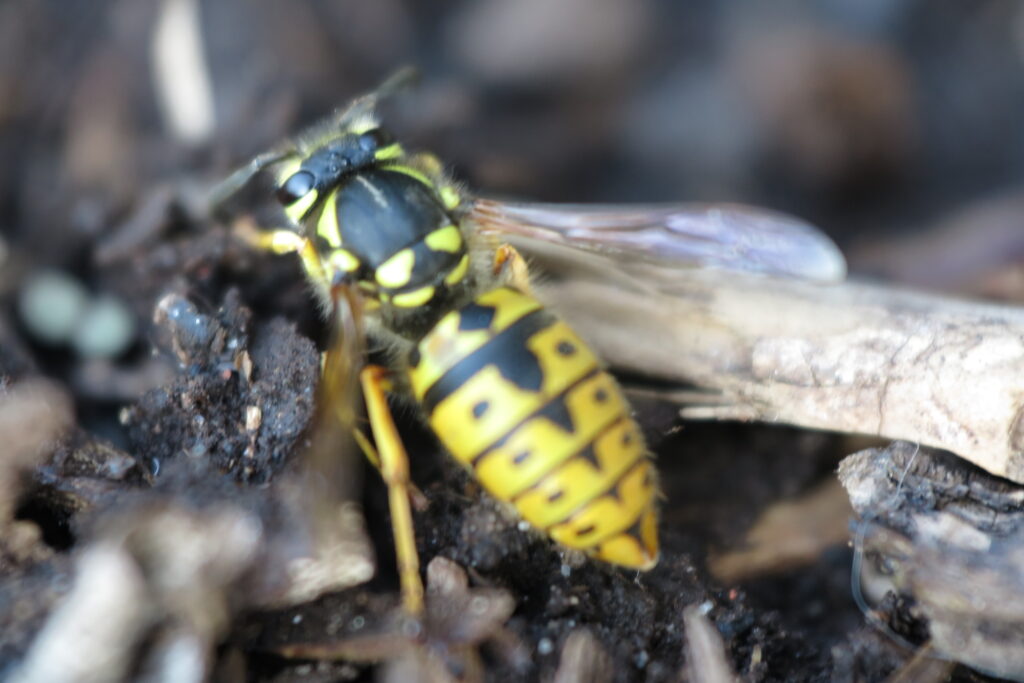
Nesting locations vary considerably depending on species and local conditions. Some colonies develop below ground in abandoned burrows or natural cavities, while others occupy hollow logs, wall voids, or sheltered structures. This flexibility allows yellowjackets to exploit opportunities unavailable to more specialized insects.
The variety of habitat types occupied by yellowjackets demonstrates their ecological versatility. From deep forests to city parks, they successfully establish colonies across landscapes that differ greatly in structure, vegetation, and human influence.
Yellowjacket Environmental Conditions and Climate Preferences
Yellowjackets are most commonly associated with temperate climates that experience distinct seasonal changes. Regions with warm summers and moderate spring conditions often support particularly strong populations. These climatic patterns allow colonies to develop and expand during favorable portions of the year.
Temperature plays an important role in habitat suitability. Yellowjackets generally thrive in environments where seasonal warmth supports prolonged periods of activity. Areas with extremely cold or persistently harsh conditions may limit colony development and reduce population density.
Vegetation structure contributes significantly to habitat quality. Landscapes containing a mixture of trees, shrubs, grasses, and flowering plants often provide suitable environmental conditions. Diverse vegetation creates a more complex ecosystem capable of supporting a variety of insect communities.
Terrain is another important factor. Yellowjackets occur across flat agricultural plains, rolling hills, forested slopes, and mountainous regions. Their ability to occupy different terrain types reflects their adaptability and broad ecological tolerance.
Seasonal variation strongly influences environmental suitability. Spring initiates colony development, summer provides peak conditions for expansion, and autumn marks the final stages of colony growth. These seasonal cycles shape the annual habitat use patterns of yellowjackets across their range.
A useful comparison can be made to many songbirds that flourish during warm growing seasons but become less active during colder periods. Yellowjackets similarly benefit from conditions that support abundant plant growth and thriving insect communities. Productive summer environments often coincide with the highest levels of yellowjacket activity.
The most favorable habitats combine moderate temperatures, diverse vegetation, stable nesting opportunities, and seasonal productivity. Together, these environmental factors create conditions that allow yellowjackets to establish colonies and maintain populations across a vast geographic range. Their ability to succeed under such varied circumstances helps explain why they remain one of the most widespread social wasps in the world.
Popular Searches About Yellowjackets
Explore Yellowjacket Guide
Explore More Wildlife

Support Encounters World
Help support wildlife photography and get behind the scenes discoveries on Patreon.